
What to Expect with a French Bulldog Puppy: Your Complete Guide to Life with a Frenchie
Last updated: February 20, 2026
Bringing home a French Bulldog puppy transforms your daily routine into a delightful mix of snuggles, training sessions, and constant companionship. Understanding what to expect with a French Bulldog puppy means preparing for a low-energy but high-maintenance companion who thrives on human interaction and requires specific care for their unique physical needs.
Key Takeaways
• French Bulldog puppies sleep 18-20 hours daily and need 3-4 meals per day during their first year
• Potty training requires frequent breaks every 15-30 minutes initially, with gradual extension as bladder control improves
• These puppies are prone to breathing issues, skin fold infections, and overheating due to their flat faces
• Socialization should begin in week 3 of ownership with controlled exposure to people and environments
• Daily care includes regular wrinkle cleaning, gentle exercise, and monitoring for temperature sensitivity
Quick Answer
French Bulldog puppies are affectionate, low-energy companions perfect for apartment living but require dedicated attention to feeding schedules, potty training, and breed-specific health needs. Expect to invest significant time in the first few months establishing routines, with your puppy sleeping most of the day while learning basic commands and house rules. These puppies bond intensely with their families and need consistent, gentle training rather than high-intensity exercise.
How Much Sleep Does a French Bulldog Puppy Need?
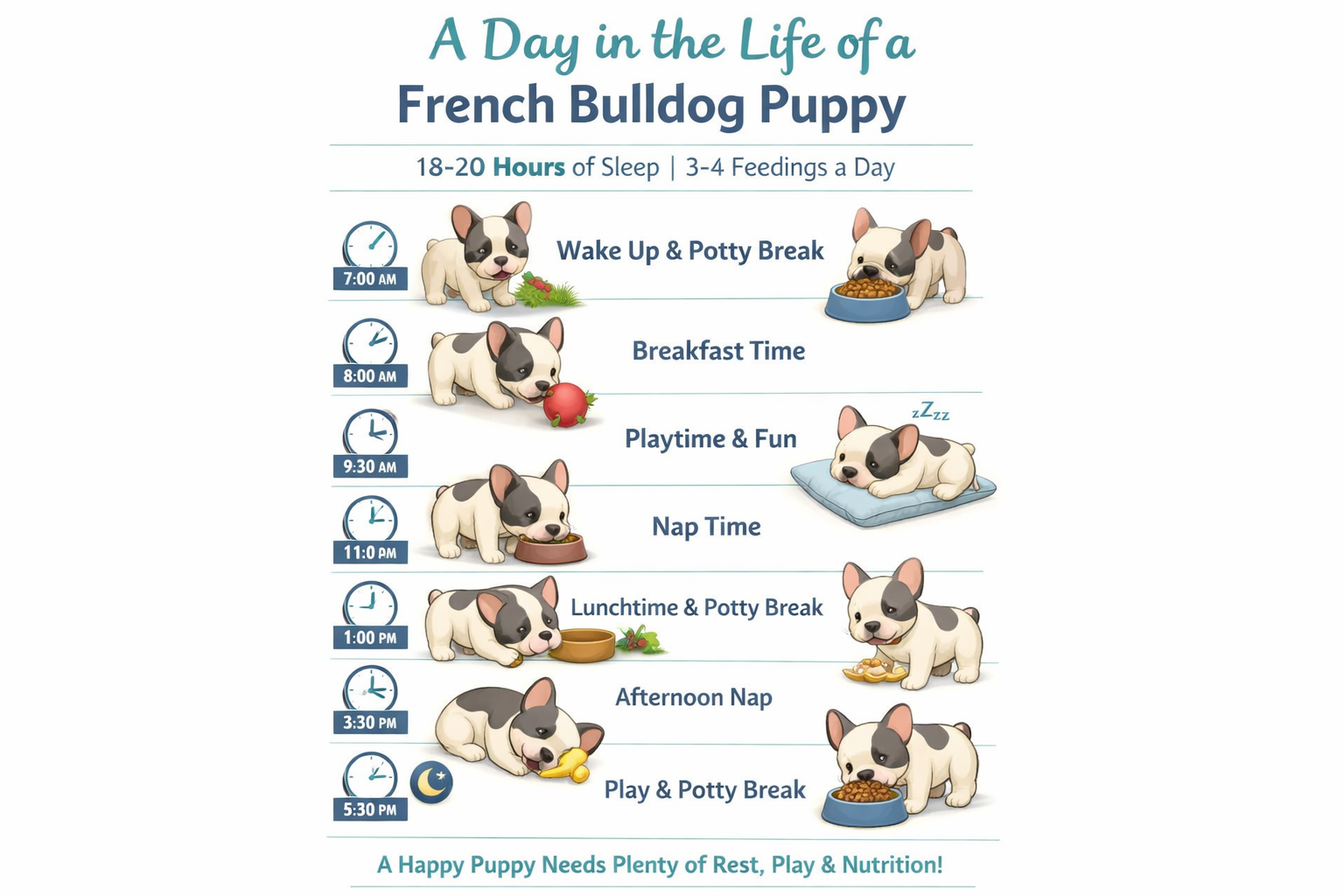
French Bulldog puppies require 18-20 hours of sleep daily, which is essential for their growth, brain development, and processing of learned information. This extensive sleep schedule means your puppy will be awake for only 4-6 hours throughout the entire day.
During their wake periods, puppies engage in short bursts of activity including eating, playing, potty breaks, and brief training sessions. The sleep occurs in multiple naps rather than one long stretch, typically following a pattern of 1-2 hours awake followed by 3-4 hours of sleep.
Common sleep schedule for 8-12 week old puppies:
- 6:00 AM – Wake up, potty, breakfast
- 7:30 AM – Nap until 10:30 AM
- 10:30 AM – Play, potty, training
- 12:00 PM – Lunch and nap until 3:00 PM
- 3:00 PM – Activity period, dinner
- 5:00 PM – Evening nap until 7:00 PM
- 7:00 PM – Final play, potty, bedtime routine
- 8:00 PM – Sleep through the night (with 1-2 potty breaks)
Choose a quiet, comfortable sleeping area away from household traffic. Puppies who don’t get adequate sleep become cranky, have difficulty learning, and may develop behavioral issues. If your puppy seems restless or isn’t napping enough, check that their sleeping space is cool, dark, and free from distractions.
What Feeding Schedule Should You Follow?
French Bulldog puppies need three to four meals per day during their first year, transitioning to adult food around 12 months of age. This frequent feeding schedule supports their rapid growth while preventing hypoglycemia and digestive upset common in small breed puppies.
Recommended feeding schedule by age:
- 8-12 weeks: 4 meals daily (every 4 hours)
- 3-6 months: 3 meals daily (every 6-8 hours)
- 6-12 months: 2-3 meals daily
- 12+ months: 2 meals daily (adult schedule)
Portion sizes depend on your puppy’s weight and the specific food brand, but generally range from 1/4 to 1/2 cup per meal for young puppies. Always measure portions rather than free-feeding, as French Bulldogs are prone to overeating and weight gain.
Feed high-quality puppy food designed for small breeds, which contains the higher calorie density and smaller kibble size appropriate for French Bulldogs. Avoid foods with artificial preservatives, excessive fillers, or ingredients that commonly trigger allergies in this breed.
Common feeding mistakes to avoid:
- Switching foods too quickly (transition over 7-10 days)
- Feeding adult food before 12 months
- Giving table scraps or human food
- Free-feeding or leaving food out all day
- Feeding immediately before or after exercise
For detailed guidance on portions and food selection, check our complete feeding guide for French Bulldog puppies.
How Do You Handle Potty Training Expectations?
Start potty training with breaks every 15-30 minutes for the first couple of weeks, gradually extending intervals as your puppy’s bladder control improves. French Bulldog puppies typically achieve reliable house training between 4-6 months of age with consistent effort.
Week-by-week potty schedule:
- Weeks 1-2: Every 15-30 minutes while awake
- Weeks 3-4: Every 45-60 minutes
- Weeks 5-8: Every 1-2 hours
- Weeks 9-16: Every 2-3 hours
- 4+ months: Every 3-4 hours during the day
Take your puppy outside immediately after waking up, eating, drinking, playing, and before bedtime. Watch for signs like sniffing, circling, whining, or heading toward the door. Praise enthusiastically and offer treats when they eliminate outside.
Essential potty training supplies:
- High-value treats for outdoor success
- Enzymatic cleaner for accidents
- Potty bells for the door (optional)
- Consistent outdoor spot for elimination
- Patience and realistic expectations
Accidents are inevitable during the learning process. Clean thoroughly with enzymatic cleaners to remove odors that might attract repeat incidents. Never punish accidents – instead, interrupt gently and immediately take them outside to finish.
French Bulldogs can be stubborn learners, so consistency and positive reinforcement work better than harsh corrections. If progress stalls, consider crate training to establish better bladder control or consult our detailed potty training guide.
What Training Challenges Should You Anticipate?
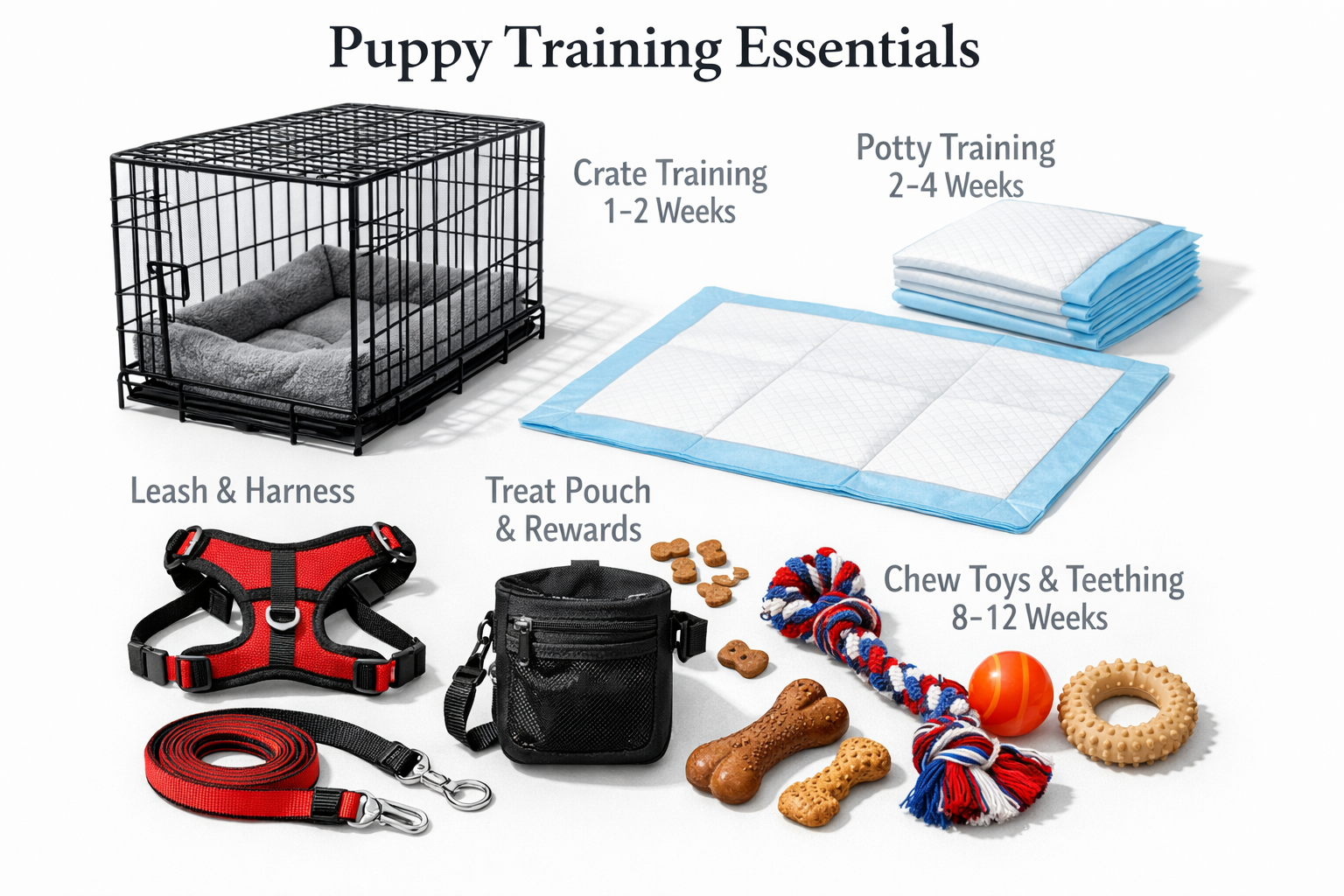
French Bulldog puppies respond best to short, positive training sessions lasting 5-10 minutes, repeated 2-3 times daily rather than lengthy training marathons. Their stubborn streak requires patience, but their eagerness to please makes them highly trainable with the right approach.
Priority training areas for French Bulldog puppies:
- Crate training: Start with 15-30 minute intervals, gradually increasing
- Basic commands: Sit, stay, come, down (one command per week)
- Leash walking: Begin indoors, then short outdoor sessions
- Bite inhibition: Redirect to appropriate chew toys
- Socialization: Controlled exposure to people, sounds, and environments
Begin crate training immediately, making the space cozy with blankets and toys. French Bulldogs often resist confinement initially but learn to view their crate as a safe retreat. Never use the crate for punishment.
Training tips specific to French Bulldogs:
- Use high-value food rewards (small, soft treats)
- Keep sessions short due to their attention span
- Train in cool environments to prevent overheating
- Focus on positive reinforcement over corrections
- Be consistent with commands and expectations
FYI: Some links may be affiliate links, which means I may earn a small commission at no extra cost to you.
If your puppy shows signs of reactivity like excessive barking, lunging, or anxiety during walks, consider structured training solutions. A gentle, force-free training method can help reactive dogs become calmer and more focused, using practical techniques trusted by many French Bulldog owners to create more peaceful daily walks.
Start socialization during week 3 of ownership with controlled introductions to different people, environments, and friendly pets. This critical period shapes your puppy’s confidence and adaptability throughout their life.
For comprehensive training guidance, explore our complete beginner’s guide to French Bulldog puppy training.
What Health Concerns Are Most Common?
French Bulldog puppies are predisposed to breathing difficulties, skin fold infections, dental crowding, and temperature sensitivity due to their brachycephalic (flat-faced) structure. Early recognition and prevention of these issues ensures your puppy develops into a healthy adult.
Primary health monitoring areas:
- Respiratory function: Watch for excessive panting, blue gums, or breathing distress
- Skin fold cleanliness: Daily cleaning prevents bacterial and yeast infections
- Temperature regulation: Avoid overheating during exercise or hot weather
- Dental development: Monitor for crowded or retained baby teeth
- Joint health: Watch for limping or reluctance to jump/climb
Schedule a veterinary checkup during the first few days after bringing your puppy home to discuss vaccinations, microchipping, and parasite prevention. Establish a relationship with a vet experienced in brachycephalic breeds who understands French Bulldog-specific needs.
Essential health supplies:
- Gentle, unscented wipes for wrinkle cleaning
- Cooling mat for temperature regulation
- Harness instead of collar to protect airways
- High-quality dental chews for oral health
- Emergency vet contact information
Red flag symptoms requiring immediate veterinary attention:
- Difficulty breathing or blue-tinged gums
- Excessive drooling or foaming at mouth
- Collapse or inability to stand
- Persistent vomiting or diarrhea
- Signs of pain like whimpering or reluctance to move
French Bulldogs are prone to expensive health issues throughout their lives. Consider pet insurance early, as many conditions are excluded if they develop before coverage begins. Compare options through our comprehensive French Bulldog insurance guide to protect against unexpected veterinary costs.
Regular preventive care costs less than emergency treatments and helps catch problems early when they’re most treatable.
How Much Exercise and Activity Do They Need?
French Bulldog puppies require two to three short walks daily plus indoor playtime, totaling 20-30 minutes of activity as they have low stamina and overheat easily. Their exercise needs focus on mental stimulation and gentle movement rather than intensive physical activity.
Age-appropriate exercise guidelines:
- 8-12 weeks: 5-10 minutes of gentle play, 2-3 times daily
- 3-4 months: 15-20 minutes total activity, split into short sessions
- 5-6 months: 20-30 minutes daily, including brief walks
- 6+ months: 30-40 minutes daily, with longer but still moderate walks
Ideal activities for French Bulldog puppies:
- Short leash walks on cool pavement
- Indoor fetch with soft toys
- Puzzle toys and treat-dispensing games
- Gentle tug-of-war sessions
- Basic training exercises for mental stimulation
Exercise restrictions and safety tips:
- Avoid exercise during hot weather (above 75°F)
- Stop immediately if puppy pants excessively or seems tired
- Choose grass or dirt paths over hot concrete
- Carry water for longer outings
- Never force exercise – let puppy set the pace
Watch for signs of overexertion including excessive panting, drooling, stumbling, or reluctance to continue. French Bulldogs can suffer heat stroke quickly due to their compromised breathing, so err on the side of caution.
Mental stimulation often tires puppies more effectively than physical exercise. Rotate toys weekly, practice basic commands, and introduce new experiences gradually to keep their minds engaged without physical strain.
Indoor play becomes especially important during extreme weather. Puzzle feeders, hide-and-seek games, and short training sessions provide necessary stimulation when outdoor exercise isn’t safe.
What Grooming and Daily Care Is Required?
Brush your French Bulldog puppy’s coat at least once weekly and clean facial folds daily to prevent infections that thrive in the warm, moist environment of their wrinkles. Establishing grooming routines early helps your puppy accept handling and prevents future resistance.
Daily grooming checklist:
- Wrinkle cleaning: Use unscented wipes or damp cloth, dry thoroughly
- Eye area: Gently remove discharge with soft, damp cloth
- Ears: Check for odor, redness, or excessive wax buildup
- Paws: Inspect for cuts, foreign objects, or overgrown nails
Weekly grooming tasks:
- Brushing: Use soft-bristled brush to remove loose hair and distribute oils
- Nail trimming: Clip just the white tips to avoid the pink quick
- Dental care: Brush teeth with dog-safe toothpaste
- Bath: Only when necessary, using gentle, moisturizing shampoo
Monthly professional grooming:
- Nail trimming if you’re uncomfortable doing it yourself
- Ear cleaning and inspection
- Anal gland expression if needed
- Professional assessment of skin and coat health
Grooming supplies to have ready:
- Soft-bristled brush suitable for short coats
- Unscented, hypoallergenic wipes for wrinkles
- Dog nail clippers and styptic powder
- Gentle, moisturizing dog shampoo
- Soft towels for drying
French Bulldogs have sensitive skin that reacts poorly to harsh chemicals or fragrances. Choose hypoallergenic, unscented products designed for sensitive dogs. Over-bathing strips natural oils and can worsen skin conditions common in this breed.
Pay special attention to the tail pocket (if present) and deep facial wrinkles where moisture and debris accumulate. These areas require daily attention to prevent painful infections that can become serious health issues.
For detailed wrinkle care instructions, see our step-by-step guide to cleaning French Bulldog wrinkles.
What Supplies and Equipment Do You Need?
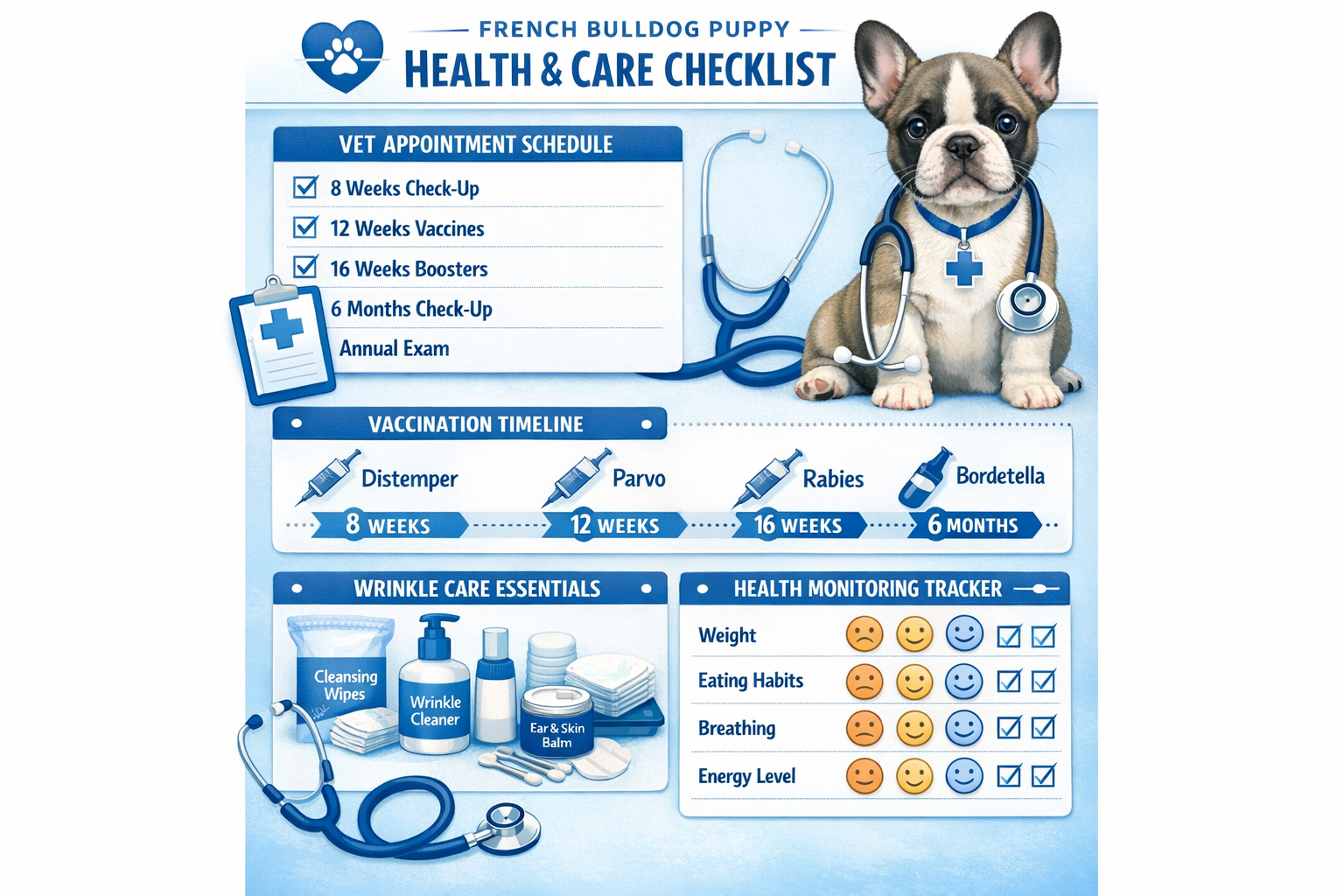
Essential items for your first week:
- Appropriately sized crate (24-30 inches for adult size)
- Food and water bowls (stainless steel or ceramic)
- High-quality puppy food recommended by breeder or vet
- Collar with ID tags and properly fitted harness
- Leash (6-foot standard length)
- Variety of chew toys and puzzle toys
- Comfortable bedding for crate and living areas
- Enzymatic cleaner for accidents
- Basic grooming supplies
Puppy-proofing supplies:
- Baby gates to restrict access to certain areas
- Outlet covers and cord protectors
- Cabinet locks for areas with toxic substances
- Remove or secure small objects that pose choking hazards
- Relocate toxic plants out of reach
Optional but helpful items:
- Cooling mat for temperature regulation
- Treat-dispensing toys for mental stimulation
- Potty bells for door training
- Car harness or carrier for safe travel
- First aid kit with emergency vet contact information
Choose a crate large enough for your puppy to stand, turn around, and lie down comfortably when fully grown, but not so large that they can eliminate in one corner and sleep in another. Most French Bulldogs do well with a 30-inch crate.
Budget considerations:
- Initial setup costs: $300-500 for essential supplies
- Monthly ongoing costs: $100-200 for food, treats, and basic care
- Emergency fund: $1,000-3,000 for unexpected veterinary expenses
Invest in quality items that will last throughout your dog’s life rather than replacing cheap products multiple times. A well-made harness, durable toys, and comfortable bedding provide better value long-term.
For a comprehensive list of recommended products, check our complete guide to the best French Bulldog puppy products.
Helpful Resources for New French Bulldog Owners
Professional training support: If you want a structured approach to building your puppy’s confidence and reducing reactivity during walks, consider exploring proven force-free training methods that help create calmer, more focused dogs through gentle, practical techniques.
Health protection: Given French Bulldogs’ predisposition to expensive health conditions like breathing disorders, skin allergies, and joint problems, many owners find peace of mind through comprehensive pet insurance plans that cover breed-specific concerns and reduce the financial stress of unexpected veterinary costs.
Essential reading:
- 7 Things Every French Bulldog Puppy Needs
- 10 Mistakes New Owners Make with French Bulldog Puppies
- Best Age to Adopt a French Bulldog Puppy
Growth and development tracking:
Monitor your puppy’s progress with our French Bulldog puppy growth chart to ensure healthy development milestones.
FAQ
How long does it take to potty train a French Bulldog puppy?
Most French Bulldog puppies achieve reliable house training between 4-6 months of age with consistent effort, though some may take up to 8 months due to their stubborn nature and small bladder size.
Do French Bulldog puppies bark a lot?
French Bulldog puppies are generally quiet dogs that bark primarily to alert or when excited. Excessive barking usually indicates boredom, anxiety, or lack of proper socialization rather than breed tendency.
How much should a French Bulldog puppy weigh?
French Bulldog puppies typically weigh 1-2 pounds at 8 weeks, reaching 8-12 pounds by 3 months and 15-20 pounds by 6 months, with adult weight of 20-28 pounds achieved around 12-15 months.
Can French Bulldog puppies swim?
French Bulldogs are poor swimmers due to their heavy heads, short legs, and breathing restrictions. Never leave them unattended near water and consider a life jacket for any water activities.
When can French Bulldog puppies go outside?
Puppies can go outside for potty training immediately but should avoid public areas until fully vaccinated around 16 weeks. Carry them for socialization experiences before vaccination completion.
How often should you bathe a French Bulldog puppy?
Bathe French Bulldog puppies only when necessary (every 6-8 weeks or when dirty) as over-bathing strips natural oils and can worsen skin sensitivity common in this breed.
Do French Bulldog puppies need special food?
Feed high-quality puppy food designed for small breeds until 12 months of age. Avoid foods with artificial preservatives or common allergens like chicken, beef, or grains if sensitivity develops.
How much exercise does a 3-month-old French Bulldog puppy need?
A 3-month-old puppy needs about 15-20 minutes of gentle activity daily, split into short 5-minute sessions to prevent overexertion and overheating.
When do French Bulldog puppies lose their baby teeth?
French Bulldogs typically lose baby teeth between 3-6 months of age. Monitor for retained baby teeth that may require veterinary removal due to their crowded mouth structure.
Can French Bulldog puppies be left alone?
Start with very short periods (15-30 minutes) and gradually increase. Most puppies can handle 2-3 hours alone by 4-5 months, but French Bulldogs prefer constant companionship and may develop separation anxiety.
How do you know if a French Bulldog puppy is healthy?
Healthy puppies have clear eyes, clean ears, pink gums, steady breathing without wheezing, good appetite, normal elimination, and playful energy during wake periods.
What temperature is too hot for French Bulldog puppies?
Avoid outdoor exercise when temperatures exceed 75°F. Watch for excessive panting, drooling, or lethargy even in cooler weather, as puppies overheat more easily than adults.
Key Takeaways
• Sleep and rest: French Bulldog puppies need 18-20 hours of sleep daily for proper growth and development
• Feeding schedule: Provide 3-4 meals daily during the first year, transitioning to adult food around 12 months
• Potty training: Start with breaks every 15-30 minutes, expecting reliable house training by 4-6 months with consistency
• Health monitoring: Watch for breathing difficulties, skin fold infections, and temperature sensitivity due to their flat-faced structure
• Exercise needs: Limit activity to 20-30 minutes daily in short sessions, avoiding hot weather and overexertion
• Grooming routine: Clean facial wrinkles daily and brush weekly to prevent infections and maintain coat health
• Training approach: Use positive reinforcement in short 5-10 minute sessions, focusing on basic commands and socialization
• Essential supplies: Invest in proper crate, harness, cooling mat, and grooming tools designed for brachycephalic breeds
• Veterinary care: Schedule immediate checkup after adoption and establish relationship with vet experienced in French Bulldog care
• Financial planning: Budget for higher than average veterinary costs and consider pet insurance for breed-specific health issues
Conclusion
Understanding what to expect with a French Bulldog puppy prepares you for a rewarding journey with a loyal, affectionate companion who will become the center of your daily routine. These charming dogs require dedicated attention to their unique needs, from frequent feeding schedules and patient potty training to careful health monitoring and gentle exercise routines.
The first few months demand consistency and patience as your puppy learns house rules, basic commands, and how to navigate their new environment safely. While French Bulldogs present specific challenges related to their breathing, temperature sensitivity, and stubborn streak, their loving nature and adaptability to apartment living make them ideal companions for the right owners.
Your next steps:
- Prepare your home with essential supplies and puppy-proofing before your Frenchie arrives
- Establish routines for feeding, potty breaks, and sleep schedules from day one
- Find a qualified veterinarian experienced with brachycephalic breeds for ongoing care
- Start training immediately using positive reinforcement and short, frequent sessions
- Monitor health closely and learn to recognize signs of breathing distress or overheating
Success with a French Bulldog puppy comes from understanding their specific needs and adjusting your expectations accordingly. These dogs thrive on routine, gentle handling, and constant companionship, rewarding your efforts with unwavering loyalty and endless entertainment through their playful, affectionate personalities.
References
[1] French Bulldog Puppy Care Guide – https://www.furrytailedfriends.com/french-bulldog-puppy-care-guide/
[2] How To Care For A French Bulldog Puppy – https://frenchieinsights.com/how-to-care-for-a-french-bulldog-puppy/
[3] Your New French Bulldog Puppy The Essentials – https://www.joiipetcare.com/blogs/advice/your-new-french-bulldog-puppy-the-essentials
[4] French Bulldog Puppies The Ultimate Guide To Bringing Home A Frenchie Puppy – https://www.wagtrendz.com/blogs/dog-tales-blog-news/french-bulldog-puppies-the-ultimate-guide-to-bringing-home-a-frenchie-puppy
[5] French Bulldog Care – https://santamonicavet.com/french-bulldog-care/