
Should I Be Worried If My Dog Is Sneezing? A Frenchie Insights Guide (2026)
It’s a sound many dog owners know well: the sudden, sometimes explosive, achoo! from their furry friend. Whether it’s a tiny puff or a dramatic head-shaking event, a dog’s sneeze can quickly make us wonder: should I be worried if my dog is sneezing? As loving pet parents, especially to breeds like French Bulldogs who sometimes have unique respiratory quirks, it’s natural to feel concerned.
This guide from Frenchie Insights is here to help you understand what’s normal, what’s not, and when it’s time to call the vet. We’ll break down the common reasons behind your dog’s sneezes in a simple, practical way, so you can feel confident in knowing when to observe and when to act.
Key Takeaways
- Occasional Sneezing is Normal: Just like humans, dogs sneeze to clear their nasal passages from irritants.
- Observe Accompanying Symptoms: Watch for discharge, lethargy, pawing at the face, or changes in breathing.
- Breed Matters: Brachycephalic breeds like French Bulldogs may sneeze more due to their unique anatomy.
- Environmental Factors are Key: Dust, pollen, and strong scents are common triggers.
- When in Doubt, Consult Your Vet: Persistent or severe sneezing always warrants professional advice.
Understanding Your Dog’s Sneezes: Is it Normal or a Warning Sign?
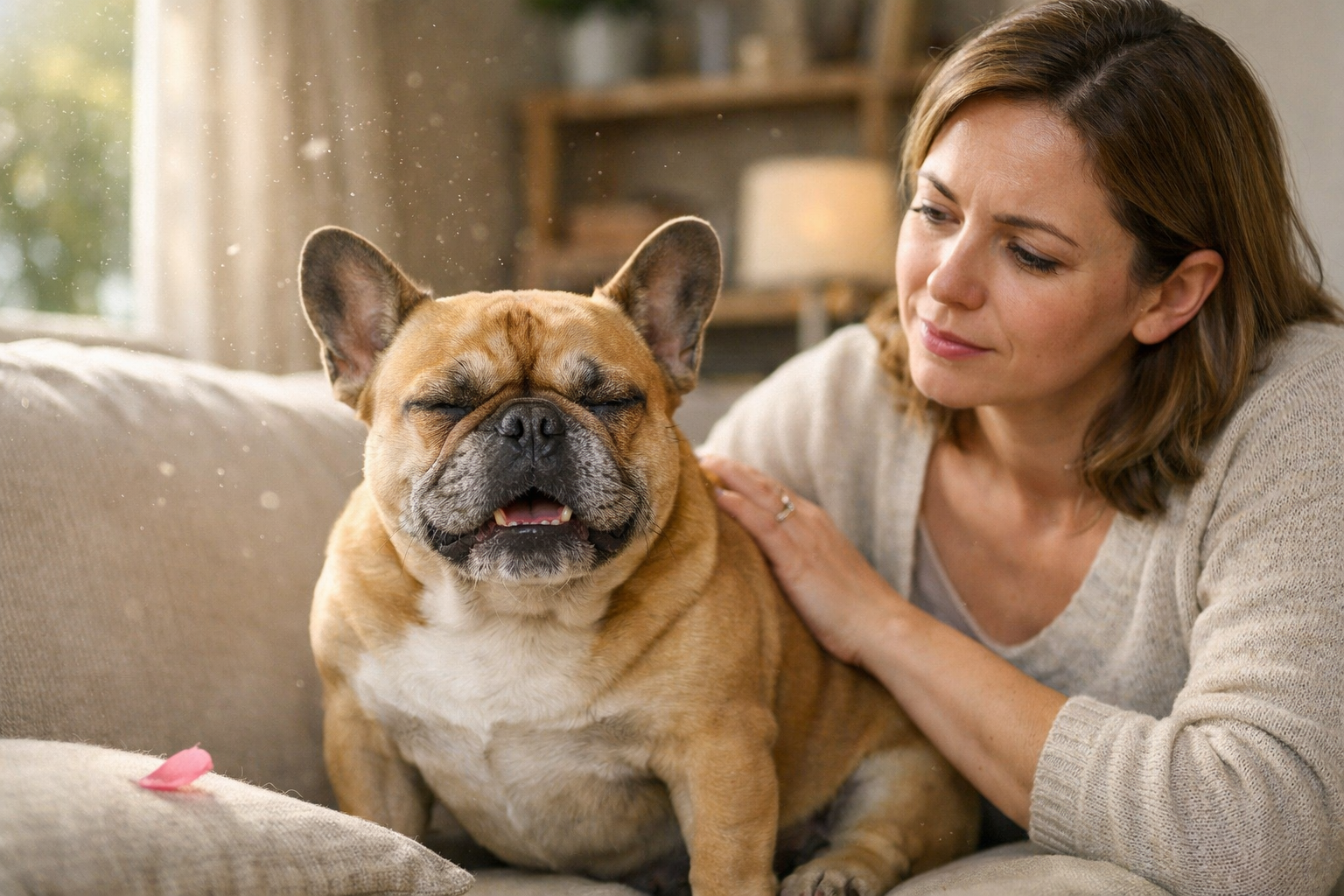
When your beloved canine companion lets out a sneeze, your immediate thought might be, “Should I be worried if my dog is sneezing?” The truth is, most of the time, a dog sneezing is a completely normal bodily function. Just like us, dogs sneeze to clear their nasal passages of dust, pollen, stray hairs, or other small irritants that get trapped inside. It’s a natural reflex designed to protect their respiratory system.
However, recognizing the difference between a harmless expulsion and a potential red flag is key. Let’s break down what you need to know about your dog’s sneezes.
Common, Harmless Reasons for Sneezing
Many everyday occurrences can trigger a sneeze in your dog, and these usually aren’t cause for concern. Here are some of the most frequent culprits:
- Dust and Allergens: Your home environment is full of tiny particles. Dust, pollen from plants, mold spores, or even dander from other pets can irritate your dog’s sensitive nose. If your dog sneezes more after a romp in the park or a session under the bed, it’s likely just environmental irritants.
- Irritants in the Air: Strong smells like cleaning products, air fresheners, perfumes, or even smoke can cause your dog to sneeze. Their sense of smell is far more acute than ours, making them more sensitive to airborne chemicals.
- Excitement or Play: Believe it or not, some dogs sneeze when they get overly excited or during play. This is often called a “play sneeze” and is simply a physical manifestation of their heightened emotions. It’s usually short-lived and stops once they calm down.
- Reverse Sneezing: While it sounds like a sneeze, a reverse sneeze (paroxysmal respiration) is actually an involuntary spasm of the soft palate and throat. It sounds more like a snorting, gagging, or choking sound, and the dog typically extends their neck and pulls air in rapidly. It can be alarming to witness, but it’s usually harmless and passes quickly. French Bulldogs are particularly prone to reverse sneezing due to their brachycephalic (short-nosed) anatomy.
- Something Up Their Nose: Sometimes, a blade of grass, a tiny seed, or a piece of dirt can get lodged in your dog’s nostril. A series of vigorous sneezes is their attempt to dislodge it.
French Bulldogs and Sneezing
For owners of French Bulldogs, the question “Should I be worried if my dog is sneezing?” might come up more often. Frenchies, like other brachycephalic breeds (Pugs, Boston Terriers, Boxers), have unique facial structures. Their short snouts, elongated soft palates, and narrow nostrils can make them more susceptible to respiratory issues, including sneezing and reverse sneezing [1]. Their airways are simply shaped differently, making them more prone to irritation and less efficient at clearing nasal passages. This means occasional sneezing might be a more regular occurrence for your Frenchie.
To help your Frenchie breathe a bit easier, especially if they are prone to allergies or environmental irritants, consider using a high-quality air purifier designed for pet owners. These can significantly reduce dust, dander, and pollen in your home.
FYI: Some links may be affiliate links, meaning I may earn a small commission at no extra cost to you. We only recommend products we trust and believe will be truly helpful for you and your Frenchie.
A good example is the Coway Airmega 200M Air Purifier. It’s simple and practical, quietly removing up to 99.97% of airborne particles, including pet dander and allergens. Keeping the air clean can reduce common sneeze triggers for your sensitive Frenchie.
When to Take Sneezing Seriously: Warning Signs
While many sneezes are benign, there are specific situations where you should be worried if your dog is sneezing. These situations usually involve other symptoms accompanying the sneezing, indicating a potentially more serious underlying health issue. It’s important to be observant and know when to seek professional veterinary advice.
Signs That Warrant a Vet Visit:
- Persistent or Frequent Sneezing: If your dog is sneezing constantly for hours, days, or if the frequency has dramatically increased without a clear environmental trigger, it’s time for a vet check.
- Nasal Discharge:
- Clear discharge: Might indicate allergies or a mild irritation. If it’s temporary and your dog is otherwise fine, it might resolve on its own.
- Yellow, green, or thick discharge: This is a strong indicator of infection (bacterial or fungal). These often require antibiotics or antifungal medications.
- Bloody discharge: Any blood from the nose is a serious sign and needs immediate veterinary attention. This could be due to trauma, a foreign body, a tumor, or other serious conditions.
- Other Accompanying Symptoms: Look out for these in conjunction with sneezing:
- Lethargy or changes in activity level: If your dog seems unusually tired or uninterested in play.
- Loss of appetite or thirst: Refusing food or water is always a concern.
- Coughing or wheezing: These suggest respiratory involvement beyond just the nasal passages.
- Difficulty breathing: Open-mouth breathing, labored breathing, or blue-tinged gums are emergencies.
- Paw at face or rub nose: This indicates discomfort or the presence of a foreign object that your dog is trying to dislodge.
- Swelling around the face or nose: Can point to infection, trauma, or a mass.
- Bad odor from the nose: Suggests infection or a foreign body that has been present for a while.
- Sneezing Onset: If the sneezing started suddenly after an incident, like chewing on something unusual, being outside, or a fall, it could indicate trauma or a foreign body.
Potential Underlying Medical Conditions:
If you are worried if your dog is sneezing and exhibiting any of the above serious signs, here are some of the conditions your vet might investigate:
- Infections: Bacterial, viral (like Canine Influenza or Distemper), or fungal infections can all cause sneezing, often with discharge.
- Nasal Mites: Tiny parasites that live in a dog’s nasal passages can cause intense itching, sneezing, and nosebleeds.
- Foreign Bodies: A blade of grass, a foxtail, or a small toy piece can get lodged deep in the nasal cavity, causing persistent sneezing, pawing at the face, and sometimes bloody discharge.
- Allergies: Environmental allergies (pollen, dust mites) or even food allergies can manifest with sneezing, watery eyes, and skin irritation.
- Dental Disease: Believe it or not, a severe tooth root abscess, especially in an upper canine tooth, can erode into the nasal cavity, leading to sneezing and nasal discharge [2].
- Nasal Tumors or Polyps: While more common in older dogs, growths in the nasal passages can cause chronic sneezing, discharge (often bloody), and facial asymmetry.
- Brachycephalic Airway Syndrome (BAS): For French Bulldogs and similar breeds, their unique anatomy can predispose them to issues like stenotic nares (narrow nostrils), elongated soft palate, and everted laryngeal saccules, which can all contribute to increased sneezing and respiratory effort.
The key takeaway here is that occasional, isolated sneezes are rarely a problem. It’s when sneezing becomes consistent, severe, or is accompanied by other noticeable symptoms that you should be worried if your dog is sneezing and seek veterinary help.
🐾 **Top French Bulldog Resources I Trust**
🐶 Here are my go-to tools for raising a happy, healthy Frenchie—from managing breed-specific health risks to unlocking that famously “stubborn” personality with patience and understanding. These vetted partners have helped me (and thousands of Frenchie parents) save money, reduce stress, and build a joyful bond with our wrinkly companions!
**2025’s Best Pet Insurance**
Frenchies face costly breed-specific risks like breathing issues, IVDD, and skin fold infections. Compare vet-trusted insurers offering guaranteed lowest rates + fastest claims—so you’re never forced to choose between your wallet and your pup’s wellbeing.
👉 Get a Free Frenchie Insurance Quote
**Kingdom of Pets**
All-in-one training + health guidance built for flat-faced breeds. Learn to decode your Frenchie’s snorts, manage stubborn streaks with calm consistency, and nurture a joyful lifelong bond—with zero force or frustration.
👉 Start the Free 6-Day Frenchie Course
**The Online Dog Trainer**
That “selectively deaf” Frenchie isn’t disobedient—he’s waiting for you to speak his language. Doggy Dan’s calm-energy method gently eliminates leash pulling, jumping, and counter-surfing without treats, tricks, or shouting.
👉 Watch Free Training Videos That Work
*Disclosure: This page contains affiliate links. As an affiliate, I may earn a small commission from qualifying purchases at no extra cost to you. I only recommend programs I’ve researched thoroughly and believe will genuinely help French Bulldog owners.*
When to Contact Your Veterinarian
Knowing when to pick up the phone and call your vet is a critical part of being a responsible pet owner. As we’ve discussed, the question of “Should I be worried if my dog is sneezing?” isn’t always a simple yes or no. It often depends on the specifics.
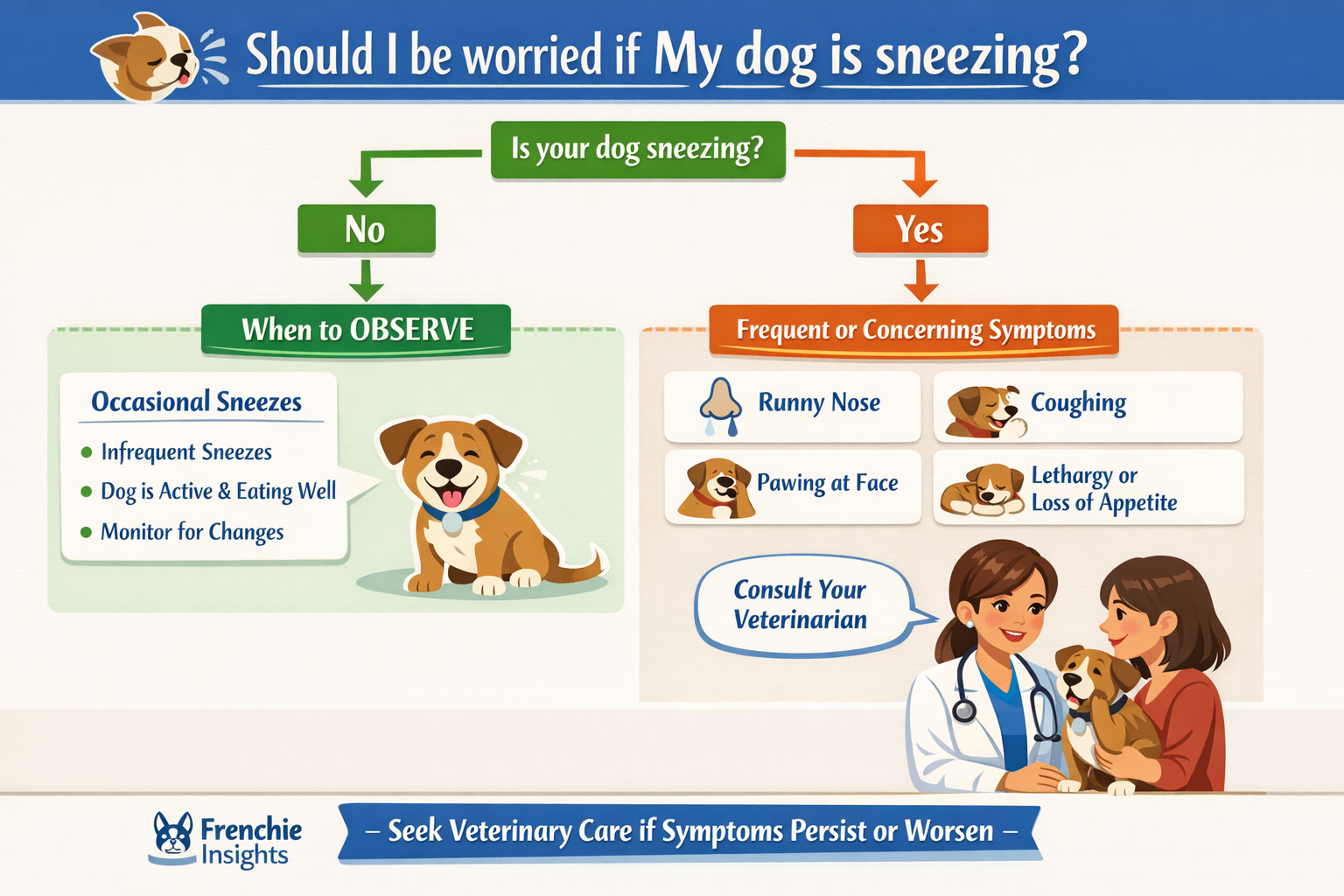
A Clear Explanation: Observe vs. Act
Here’s a clear explanation and simple, practical advice on when to observe and when to act:
Observe (Wait and Watch):
- Infrequent, isolated sneezes: Your dog sneezes once or twice and then goes back to normal activity.
- Sneezing triggered by obvious irritants: For example, after sniffing a dusty corner, rolling in grass, or being near strong scents, and it stops once the irritant is removed.
- “Play sneezes”: Sneezing that occurs only during play or excitement, with no other symptoms.
- Reverse sneezing: If your dog experiences a reverse sneeze, but it resolves quickly (within a minute or two) and they return to normal breathing and behavior.
- Clear, watery nasal discharge: If it’s minimal, temporary, and your dog is otherwise bright and active.
In these situations, continue to monitor your dog. Keep their environment clean, avoid strong perfumes or cleaners, and ensure they have plenty of fresh water.
Act (Contact Your Veterinarian):
- Persistent or frequent sneezing: Your dog is sneezing many times an hour, for several hours, or consistently over a day or more.
- Nasal discharge changes:
- Thick, yellow, green, or cloudy discharge from one or both nostrils.
- Any discharge accompanied by a bad smell.
- Any bloody discharge or frequent nosebleeds.
- Difficulty breathing: Labored breathing, open-mouth breathing, gasping, or blue/pale gums. These are emergencies.
- Lethargy, loss of appetite, or significant behavioral changes: If your dog seems unwell, unusually tired, not eating or drinking, or hiding.
- Coughing or gagging in addition to sneezing.
- Paw at the face, rub nose excessively, or facial swelling.
- Sneezing started after an injury or known foreign body exposure.
- Your dog seems to be in pain or discomfort.
- You simply feel something isn’t right. Trust your gut instinct!
What to Tell Your Vet
When you contact your veterinarian, providing clear and comprehensive information can help them diagnose the issue more quickly. Here’s what you need to know to tell them:
- When did the sneezing start?
- How often does it occur? (e.g., “every few minutes,” “a few times a day,” “only in the morning”)
- What does the sneeze sound like? (e.g., “wet,” “dry,” “honking”)
- Are there any other symptoms? (e.g., nasal discharge, coughing, lethargy, loss of appetite, pawing at face, changes in breathing). Describe the discharge: color, consistency, if it’s from one or both nostrils.
- Has anything changed recently in their environment or diet? (e.g., new cleaning products, new food, recent grooming, new plants, visitors, outdoor activities).
- Is your dog vaccinated?
- What is your dog’s breed and age? (especially important for French Bulldogs).
- Any recent travel or exposure to other dogs?
Providing these details helps your vet narrow down the possibilities and decide if an immediate visit is necessary or if monitoring is appropriate.
Preventing Common Sneezing Triggers (2026)
While you can’t prevent every sneeze, taking proactive steps can significantly reduce your dog’s exposure to common irritants and keep their nasal passages clear. This is especially true for sensitive breeds like French Bulldogs. Focusing on simple and practical environmental management can make a big difference.
Environmental Management Tips:
- Dust Control: Dust is a major irritant. Regularly vacuum and dust your home, paying special attention to areas where your dog spends a lot of time (beds, favorite nap spots). Using a vacuum cleaner with a HEPA filter can significantly reduce airborne particles.
- Air Quality: Consider an air purifier, as mentioned earlier. The Coway Airmega 200M Air Purifier is a great choice for pet owners. It efficiently cleans the air, removing pet dander, pollen, and other allergens that can trigger sneezes. Place it in the rooms your dog frequents most.
- Avoid Strong Scents: Dogs have incredibly powerful noses. Artificial fragrances from air fresheners, scented candles, strong cleaning products, and even perfumes can irritate their respiratory system. Opt for unscented or naturally scented, pet-safe cleaning products.
- Pollen and Outdoor Allergens: If your dog is prone to seasonal allergies, try to limit outdoor exposure during peak pollen times (often early morning and late afternoon). Wiping down your dog’s paws and face with a damp cloth after walks can help remove allergens before they’re tracked inside.
- Humidification: In dry climates or during winter months when indoor air is dry, a humidifier can help keep your dog’s nasal passages moist and less prone to irritation.
- Clean Bedding: Wash your dog’s bedding regularly (at least weekly) in hot water to eliminate dust mites and dander.
- Grooming: Regular grooming helps manage shedding and reduces the amount of pet hair and dander floating around your home. For French Bulldogs, paying attention to their facial folds during cleaning can also prevent irritants from accumulating.
Diet and Hydration:
While not direct sneeze preventers, a healthy diet and good hydration support your dog’s overall immune system, making them more resilient to irritants and infections.
- High-Quality Food: Feed a balanced, high-quality dog food appropriate for their age, breed, and activity level. Some dogs with food sensitivities may also exhibit respiratory symptoms, so discuss any concerns with your vet.
- Fresh Water: Ensure your dog always has access to fresh, clean water. Good hydration helps keep mucous membranes moist and functioning effectively.
Regular Veterinary Check-ups:
Even if your dog rarely sneezes, routine veterinary check-ups are crucial. These visits allow your vet to catch potential underlying issues early, ensure vaccinations are up to date, and offer personalized advice tailored to your dog’s specific needs, especially for brachycephalic breeds like French Bulldogs. During these check-ups, you can always ask your vet, “Should I be worried if my dog is sneezing sometimes?” to get their professional opinion based on your dog’s history.
What I Use and Recommend
As a Frenchie Insights expert, we believe in providing real-world tips and recommending products that are truly helpful, simple, and practical. Here are a couple of items that can make a difference in your dog’s comfort and your peace of mind, especially when addressing concerns like “should I be worried if my dog is sneezing.”
- Coway Airmega 200M Air Purifier: This is our top pick for maintaining clean indoor air. It’s not fancy or overly complicated – it just works. By filtering out dust, pollen, pet dander, and other airborne irritants, it directly tackles many of the common causes of sneezing in dogs. For French Bulldogs, whose respiratory systems can be more sensitive, cleaner air means less irritation and potentially fewer sneezes. It’s quiet, efficient, and makes a noticeable difference in air quality.
- Pet-Safe Cleaning Products: When it comes to keeping your home clean without irritating your dog, unscented and natural cleaning products are a must. Brands like Seventh Generation or Method offer effective cleaning solutions without harsh chemicals or strong artificial fragrances. This reduces the risk of your Frenchie inhaling irritants from freshly cleaned floors or surfaces, which can certainly lead to a sneezing fit. It’s a simple switch that can have a big impact on your dog’s respiratory health.
These recommendations aren’t about hype; they’re about creating a healthier, more comfortable environment for your dog. Investing in good air quality and safe cleaning supplies is a practical step every pet owner can take.
Conclusion
Observing your dog’s health, including something as common as sneezing, is a vital part of being a loving pet parent. The answer to “Should I be worried if my dog is sneezing?” is often “not usually,” especially if it’s an occasional, isolated event. Many sneezes are just your dog’s natural way of clearing their airways from everyday irritants.
However, the key takeaway is observation and knowing the warning signs. If your dog’s sneezing becomes frequent, persistent, or is accompanied by other concerning symptoms like colored discharge, lethargy, or difficulty breathing, it’s time to seek professional veterinary advice. For French Bulldog owners, understanding their breed’s unique respiratory characteristics is particularly important.
By staying attentive to your dog’s behavior, maintaining a clean home environment, and knowing when to consult your veterinarian, you can ensure your furry companion remains happy, healthy, and breathing easy. Always trust your instincts; if you feel something is off, a quick call to your vet is always the best course of action for peace of mind.
Actionable Next Steps:
- Monitor: Keep a close eye on your dog’s sneezing patterns and any accompanying symptoms.
- Evaluate Environment: Check your home for potential irritants like dust, strong scents, or allergens.
- Clean Smart: Use pet-safe cleaning products and consider an air purifier for cleaner air.
- Contact Your Vet: If you notice any warning signs or are simply concerned, don’t hesitate to call your veterinarian for guidance.
References
[1] Poncet, C. M., Dupre, G. P., & Freiche, V. (2005). Results of surgical correction of brachycephalic syndrome in 80 dogs. Veterinary Surgery, 34(4), 433-439.
[2] Hale, F. A. (2005). Oral and Dental Problems in the Dog and Cat. Veterinary Clinics of North America: Small Animal Practice, 35(4), 795-812.