

Essential Steps for Caring for a French Bulldog Puppy
Welcoming a French Bulldog puppy into your home is an exciting adventure filled with love and companionship. These adorable pups, known for their charming personalities and distinctive appearance, require special attention and care. Here’s how to ensure your French Bulldog puppy grows up happy and healthy.
Understanding Their Unique Needs
French Bulldogs are unique in many ways, including their physical characteristics. Their short faces make them prone to overheating, so it’s crucial to keep their environment comfortable. Always monitor them during hot weather. Provide fresh water and a cool place for them to rest.
Nutrition is Key
Proper nutrition is vital for your puppy’s growth and health. Feed your French Bulldog high-quality puppy food that meets their nutritional requirements. Look for food rich in protein and low in fillers. Some essential points include:
- Choose food specifically formulated for small breeds.
- Consult your vet for portion guidelines based on your puppy’s weight.
- Stick to a feeding schedule: usually 3-4 meals a day.
Transition to adult food around 12 months of age, but make the switch gradually to avoid digestive issues.
Establish a Routine
Dogs thrive on routine, and establishing a schedule can help your French Bulldog feel secure. Include daily activities like feeding, walks, and playtime. Puppies generally have plenty of energy, so regular exercise is essential. Short, frequent walks and play sessions can keep them fit and engaged.
Socialization and Training
Socializing your French Bulldog puppy is critical for their development. Aim to expose them to different environments, sounds, and a variety of people and pets. Puppy classes can be a great idea for learning basic commands and socialization in a controlled setting. Key points to consider include:
- Start training early; the sooner you begin, the better.
- Use positive reinforcement techniques like treats and praises.
- Keep training sessions short and fun to hold their attention.
Regular Vet Visits
Your puppy will need check-ups and vaccinations to stay healthy. Schedule your first vet visit soon after bringing your puppy home. Regular vet visits will help monitor their growth and catch any potential health issues early. Vaccinations, flea and tick prevention, and heartworm medication are significant aspects of their care.
Grooming Requirements
French Bulldogs have a short coat that requires minimal grooming. Brush them at least once a week to reduce shedding and keep their coat healthy. Pay special attention to their facial folds, as dirt can accumulate there. Be sure to clean these folds gently and regularly to prevent infections.
Creating a Safe Environment
Safety should be your top priority. French Bulldog puppies are curious little creatures, so puppy-proof your home to avoid accidents. Consider the following:
- Remove toxic plants and hazardous substances.
- Secure electrical cords and small objects out of reach.
- Provide toys that are safe and appropriate for their chewing habits.
Provide Plenty of Love and Attention
French Bulldogs thrive on companionship. They’re known for their affectionate nature, so it’s essential to spend quality time with your puppy. Engage in play, offer cuddles, and maintain a strong bond. This connection will lead to a well-adjusted and happy adult dog.
Caring for a French Bulldog puppy involves attention to nutrition, training, socialization, and medical care. By following these essential steps, you can enjoy a joyful and enriching life with your new furry friend.
Nutrition Guidelines for Your French Bulldog’s Health
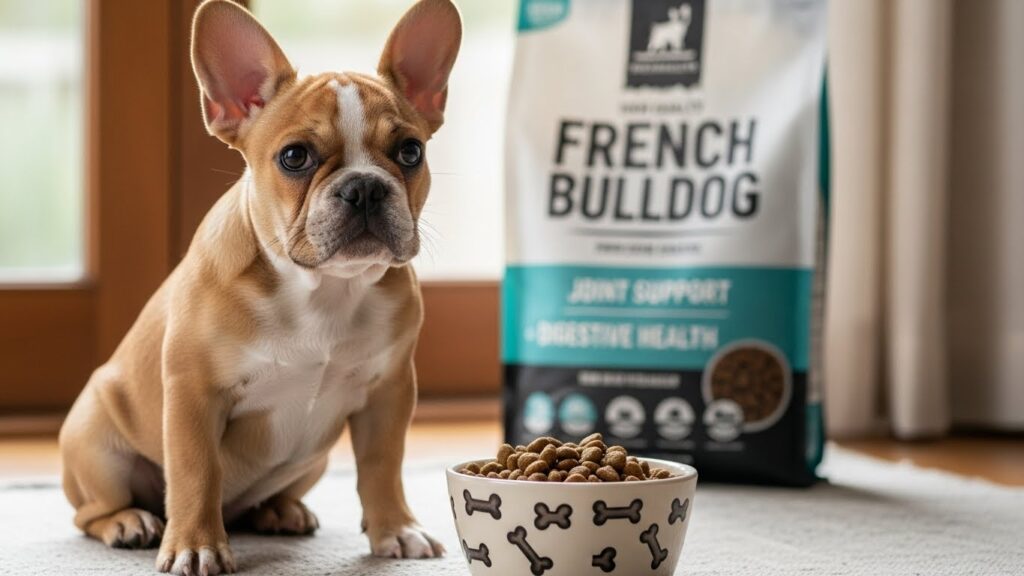
When it comes to your French Bulldog’s health, nutrition plays a vital role in ensuring they thrive. This breed has specific dietary needs that cater to their unique anatomy and energy levels. To ensure your Frenchie grows up healthy and happy, keep the following guidelines in mind.
Understanding French Bulldog Nutrition
French Bulldogs have a compact body structure and a sensitive digestive system. They require a balanced diet that provides all the essential nutrients without overloading their stomachs. A proper balance of proteins, fats, carbohydrates, vitamins, and minerals is crucial for your puppy’s overall health.
Key Nutrients for Your French Bulldog Puppy
- Proteins: Protein is essential for growth and muscle development. Look for quality sources such as chicken, beef, or fish in their food. Aim for a diet with 22-28% protein content.
- Fats: Healthy fats are important for energy and coat health. Omega-3 and Omega-6 fatty acids are particularly beneficial. Ensure the fat content in their diet is around 8-15%.
- Carbohydrates: While French Bulldogs don’t require a high-carb diet, digestible carbohydrates like brown rice or sweet potatoes provide essential energy without weighing them down.
- Vitamins and Minerals: A variety of vitamins and minerals support overall health. Look for a puppy food that includes calcium for strong bones and teeth and other essential vitamins that promote immune function.
Portion Control and Feeding Schedule
Portion sizes are critical when feeding a French Bulldog. Overfeeding can lead to obesity, which is a common issue in this breed. Follow these feeding tips:
- Age-Appropriate Portions: Puppy food should be formulated for small breed puppies. Use the feeding guidelines on the package to determine the right amount based on your puppy’s age and weight.
- Feeding Frequency: Young puppies often require 3-4 meals per day. As they grow, you can gradually reduce this to 2 meals a day.
- Monitor Weight: Regularly check your puppy’s weight and consult your veterinarian if you notice significant changes. Keeping track of their weight helps prevent obesity.
Choosing High-Quality Dog Food
Selecting the right food for your French Bulldog is essential. Opt for high-quality, breed-specific puppy food rather than generic brands. Look for foods that list real meat as the first ingredient, without fillers or artificial additives. Avoid foods containing excessive grains, as French Bulldogs can develop sensitivities to them.
Supplements and Treats
While a balanced diet should provide all necessary nutrients, some puppies might benefit from supplements, especially if they have specific health needs. Always consult with your veterinarian before adding any supplements to your puppy’s diet. Additionally, when selecting treats:
- Look for healthy options that are low in calories.
- Choose treats made from natural ingredients that don’t upset their digestion.
- Limit treats to no more than 10% of their daily caloric intake.
Hydration is Key
Your French Bulldog must stay well-hydrated. Always provide fresh water, and observe your puppy’s drinking habits. Proper hydration is vital, especially after meals and during playtime.
Avoid Human Food
While it may be tempting to share your food with your puppy, it’s crucial to avoid human food. Many foods that are safe for us can be harmful to dogs. Foods like chocolate, grapes, and onions can be toxic. Stick to canine-specific foods and treats to ensure your French Bulldog remains healthy.
By following these nutrition guidelines, you can help your French Bulldog puppy develop into a healthy, happy adult dog. Always stay committed to their dietary needs, as this will play a significant role in their overall well-being throughout their life.
Training Tips to Raise a Well-Behaved French Bulldog
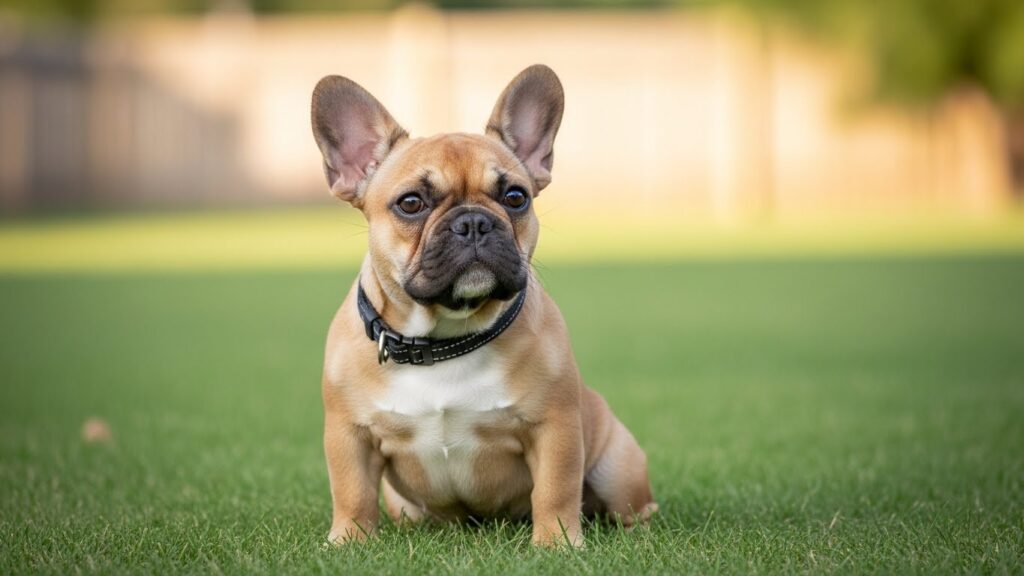
French Bulldogs are known for their adorable looks and playful personalities. However, training your French Bulldog puppy is essential to ensure they become well-behaved companions. Here are some effective tips to help you train your furry friend.
Start Early
Begin training your French Bulldog puppy as soon as you bring them home. Puppies are like sponges, soaking up information quickly. Early socialization helps them become comfortable with various environments, people, and other pets. This will prevent fear-based behaviors later in life. Arrange playdates with other vaccinated dogs to help your puppy learn how to interact appropriately.
Use Positive Reinforcement
French Bulldogs respond well to positive reinforcement. Always reward good behavior with treats, praise, or play. This can motivate your puppy to repeat desired actions. For example:
- When your puppy sits on command, give them a treat immediately.
- If they come when called, shower them with affection.
Avoid using harsh words or punishment, as this can create fear and anxiety in your pet, making training less effective.
Keep Training Sessions Short
Puppies have short attention spans, so keep training sessions brief but engaging. Aim for 5 to 10 minutes per session, a few times each day. You can gradually increase the duration as your puppy grows older and becomes more focused. Mixing up commands and activities will keep your puppy interested.
Be Consistent with Commands
Consistency is key when training your French Bulldog. Use the same words and gestures for commands each time. If you use “sit” one day and “sit down” another, your puppy may get confused. Here are some basic commands to teach:
- Sit
- Stay
- Come
- Leave it
Repeating these commands consistently will help your puppy understand what you expect from them.
Socialization is Crucial
Socialization is not just about getting your puppy to meet new friends; it also includes exposing them to new experiences, sounds, and environments. Take your puppy to parks, pet-friendly stores, and busy streets. This exposure will help them grow into a confident adult dog. Remember to monitor their interactions and provide plenty of positive experiences during these outings.
Teach Basic Obedience
Once your puppy masters basic commands, start introducing more advanced obedience training. This training can help contain their energy and teach them how to behave in various situations. Some advanced commands include:
- Lying down
- Rolling over
- Heel
Train these commands slowly and always reward your puppy for successful attempts.
Address Behavioral Issues Quickly
If your French Bulldog exhibits bad behavior, such as excessive barking or chewing, address it immediately. Ignoring these behaviors can lead to bigger problems later on. Redirect their attention with a toy or a command. Always reward their good behavior when they stop the unwanted action. This immediate feedback helps them understand the consequences of their actions.
Practice Patience
Every dog learns at their own pace, and setbacks are completely normal. French Bulldogs are known for being a bit stubborn, so patience is essential. If your puppy doesn’t understand a command right away, remain calm and keep practicing. Excessive frustration can hinder their learning process.
Enjoy the Process
Remember that training should be a fun bonding experience for both you and your puppy. Incorporate games, toys, and positive interactions into training activities. The more enjoyable the process is, the more likely your puppy will learn and want to participate in the future.
Ultimately, training a French Bulldog puppy takes dedication, consistency, and love. By focusing on positive reinforcement, socialization, and patience, you will raise a well-behaved and happy companion. Your efforts will reward you with a loyal friend who fits perfectly into your life.
Common Health Issues in French Bulldog Puppies and Prevention

French Bulldog puppies are adorable and full of personality, but they come with specific health concerns that owners should be aware of. Understanding these common health issues and how to prevent them is crucial for any responsible pet parent. Here are the key health problems you might encounter and some helpful prevention strategies.
Respiratory Issues
Because of their brachycephalic (short-nosed) structure, French Bulldogs are prone to various respiratory problems. These issues can lead to breathing difficulties, especially during hot weather or after intense play. To help your puppy breathe easier, consider the following:
- Keep play sessions short and avoid vigorous exercise on hot days.
- Ensure your dog has a cool, well-ventilated environment.
- Regularly check for signs of distress, such as excessive panting or coughing.
Skin Issues
French Bulldogs often develop skin problems, including allergies and infections. Their unique skin folds can trap moisture and debris, leading to rashes or infections. To care for your puppy’s skin, follow these tips:
- Clean their skin folds regularly with a damp cloth to remove dirt and moisture.
- Use hypoallergenic shampoos during baths to reduce irritation.
- Monitor for signs of redness, itching, or odor, which can indicate skin infection.
Hip Dysplasia
Another concern among French Bulldogs is hip dysplasia, a genetic condition that affects the hip joint’s formation. This issue can lead to arthritis or joint pain as your puppy grows. To minimize the risk of hip dysplasia:
- Choose a reputable breeder who tests for hip dysplasia in their breeding dogs.
- Maintain a healthy weight for your puppy to avoid excess strain on their joints.
- Engage in low-impact activities that help strengthen their muscles without overworking their joints.
Ear Infections
French Bulldogs have floppy ears that can trap moisture, making them prone to ear infections. Regular ear care is essential in preventing these infections. Here’s how to keep your puppy’s ears healthy:
- Inspect your puppy’s ears weekly for dirt and debris.
- Clean the ears gently with a vet-recommended ear cleaner.
- Avoid getting water in their ears during baths or swimming.
Digestive Problems
A common issue among French Bulldog puppies is digestive troubles, including diarrhea and bloating. These problems can arise from dietary indiscretions or rapid eating. To prevent digestive issues, consider these tips:
- Feed a high-quality, balanced diet that meets your puppy’s nutritional needs.
- Use slow-feeding bowls to help reduce the risk of bloating.
- Consult your veterinarian before introducing new foods or treats.
Eye Problems
French Bulldogs can suffer from a variety of eye issues, including cherry eye and cataracts. Maintaining eye health is vital for your puppy’s overall well-being. To prevent eye problems:
- Regularly check for any signs of redness, swelling, or discharge in the eyes.
- Provide a safe environment to avoid injuries that can affect their vision.
- Visit the vet if you notice any unusual behavior related to your puppy’s sight.
When caring for a French Bulldog puppy, being proactive about their health is vital. By staying vigilant and employing effective prevention strategies, you can help ensure that your beloved puppy leads a happy, healthy life. Regular veterinary check-ups and early detection are key steps in addressing any health concerns that may arise.
Socialization Strategies to Ensure Your French Bulldog Thrives

Socializing your French Bulldog puppy is crucial for their overall development and happiness. Proper socialization helps your pup become well-adjusted, reducing the likelihood of behavioral issues later in life. Here are some effective strategies to ensure your French Bulldog thrives socially.
Start Early
Beginning the socialization process early in your puppy’s life is essential. Ideally, you should start this when your French Bulldog is between 3 to 14 weeks old. During this time, their brains are spongy and more receptive to new experiences. This doesn’t mean you should wait until they are fully vaccinated, but rather find safe ways to introduce them to different environments.
Introduce Different Environments
Take your puppy out to various places such as parks, busy streets, and pet-friendly stores. Each new place exposes them to different sights, sounds, and smells. Keep the experiences positive by using treats and praise to reward good behavior. This helps your Frenchie build a positive association with new environments, making them more adaptable as they grow.
Meet Other Dogs
Socializing with other dogs is vital for your French Bulldog’s development. Enroll them in puppy training classes or arrange playdates with friendly, vaccinated dogs. When introducing your puppy to others, ensure these dogs have good temperaments and are non-aggressive. During these encounters:
- Monitor body language: Look for signs of stress or fear in both your puppy and other dogs. Intervene if necessary.
- Use positive reinforcement: Reward your puppy for calm behavior with treats and praise.
- Keep it short: Short play sessions can prevent overwhelming your pup.
Exposure to People
Your French Bulldog needs to be comfortable around various people. Invite friends and family over, or take your puppy out where they can meet new faces. Make sure to expose them to individuals of different ages, sizes, and appearances. This helps your pup become accustomed to various types of human interaction, ensuring they are not fearful of strangers later.
Sound Desensitization
French Bulldogs can be sensitive to loud sounds, so desensitizing them is essential. Play recordings of common household noises like the vacuum cleaner, doorbell, or thunder at a low volume. Gradually increase the volume over time, providing treats and positive reinforcement for calm behavior during each sound exposure. This helps your puppy associate noise with safety and comfort.
Encourage Curiosity
Encouraging your Frenchie to explore their surroundings can foster confidence. Allow your puppy to investigate new textures, toys, and even different surfaces. Be patient, and give them time to explore comfortably. Encourage them to sniff and engage with items, providing praise to build their confidence.
Utilize Toys and Games
Interactive toys and games are not just fun; they also serve as socialization tools. Puzzle toys or treat dispensers can keep your French Bulldog engaged and mentally stimulated. Additionally, consider playing games like fetch, which can build a bond between you and your puppy while encouraging social skills.
Seek Professional Help If Needed
If you’re unsure how to proceed or if your Frenchie shows signs of anxiety or fear, don’t hesitate to seek professional guidance. A dog trainer or behaviorist specializing in French Bulldogs can provide valuable insights and techniques tailored to your puppy’s needs.
Consistency is Key
Consistency in socialization efforts is vital. Ensure that every member of your household is on the same page when it comes to training and socialization. Regularly exposing your French Bulldog to new situations will help solidify their confidence and adaptability.
By implementing these socialization strategies, you can help your French Bulldog develop into a well-rounded and socially adept adult. Remember, patience, and positive reinforcement are your best allies in this journey. A well-socialized Frenchie not only enhances their quality of life but also strengthens the bond between you and your furry friend.

Conclusion
Caring for a French Bulldog puppy is a rewarding journey that requires understanding and commitment. By following essential steps for their care, you lay a strong foundation for a healthy and happy life. Proper nutrition is key; feeding your puppy high-quality food tailored to their specific needs will promote growth and vitality. Always consult your veterinarian about diet recommendations.
Training your French Bulldog from an early age is vital for shaping good behavior. Consistent, positive reinforcement methods work wonders. Short training sessions are often more effective since puppies have limited attention spans.
Awareness of common health issues, such as breathing problems and skin conditions, enables you to take preventive measures. Regular veterinary check-ups help catch any issues early on. Ensuring your puppy receives the right vaccinations and preventive care will safeguard their health long-term.
Socialization plays a crucial role in helping your French Bulldog develop confidence and adaptability. Introduce them to various environments, people, and other pets gradually. This will help them become well-rounded and less fearful in new situations.
When you invest time and effort into these areas—nutrition, training, health care, and socialization—you set your French Bulldog puppy up for a fulfilling and enriched life. Remember, the bond you create through proper care and attention will make every moment with your furry friend more joyful. Enjoy the adventure of watching your puppy grow and thrive!