
The Complete French Bulldog Puppy Growth Chart: Your Essential Guide to Healthy Development
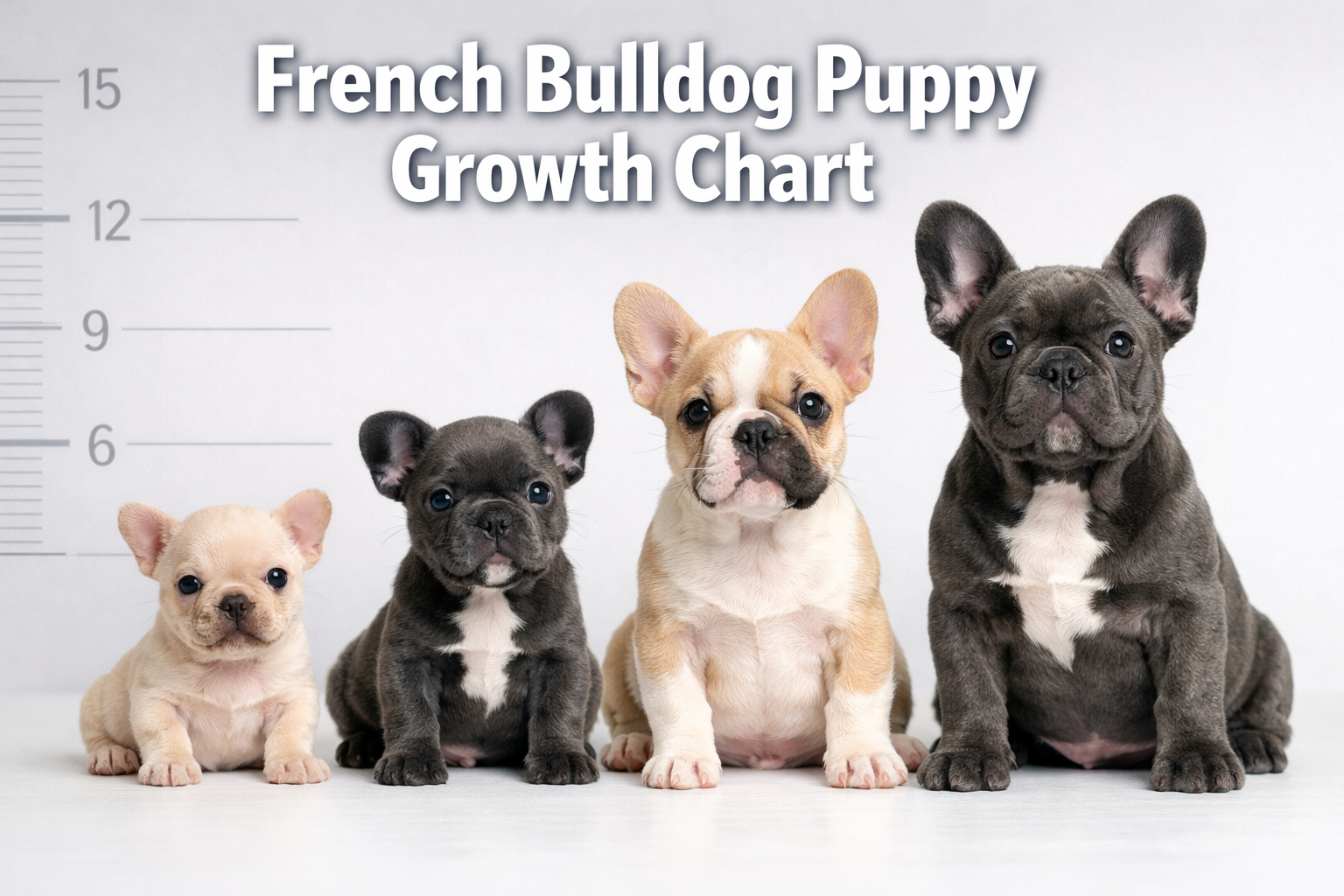
Picture this: you’ve just brought home your adorable French Bulldog puppy, and you’re wondering if those tiny paws will grow into the perfect companion you’ve dreamed of. Understanding your Frenchie’s growth journey isn’t just about curiosity—it’s about ensuring your furry friend develops into a healthy, happy adult. A French Bulldog Puppy Growth Chart serves as your roadmap through the exciting yet sometimes concerning months ahead, helping you track milestones, spot potential issues early, and provide the best care possible for your growing pup.
Key Takeaways
• French Bulldogs reach their adult height between 9-12 months but may continue filling out until 14-15 months of age
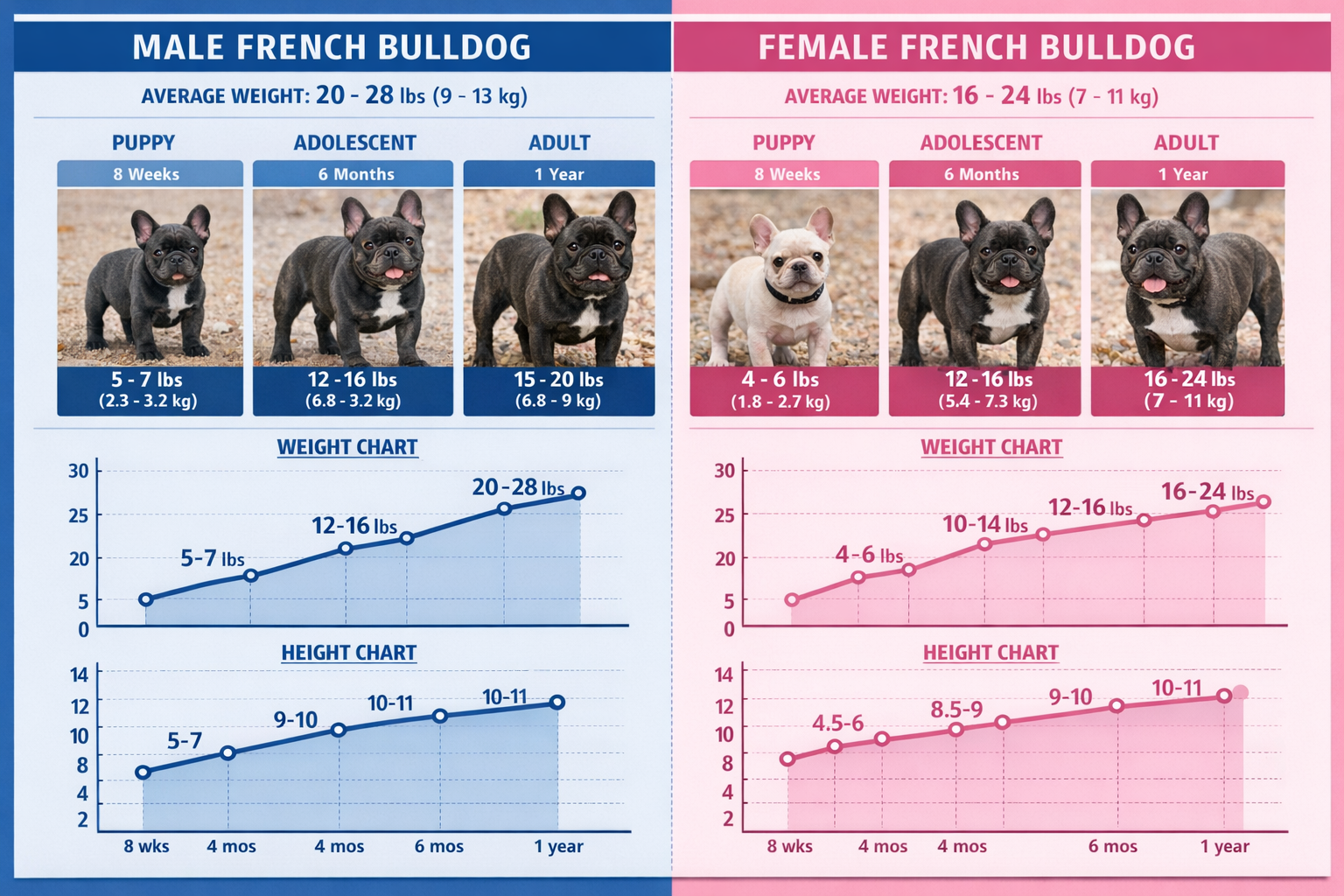
• Males typically weigh 20-29 pounds as adults, while females reach 17-24 pounds, with both sexes achieving similar heights of 11-13 inches
• The fastest growth occurs in the first 6 months, with significant slowdown afterward but continued development until 18 months
• Regular monitoring using a growth chart helps identify health concerns early and ensures proper nutrition adjustments
• Muscle development continues until approximately 2 years old, even after reaching full height and weight
Understanding French Bulldog Puppy Development Stages
The First Three Months: Rapid Early Growth
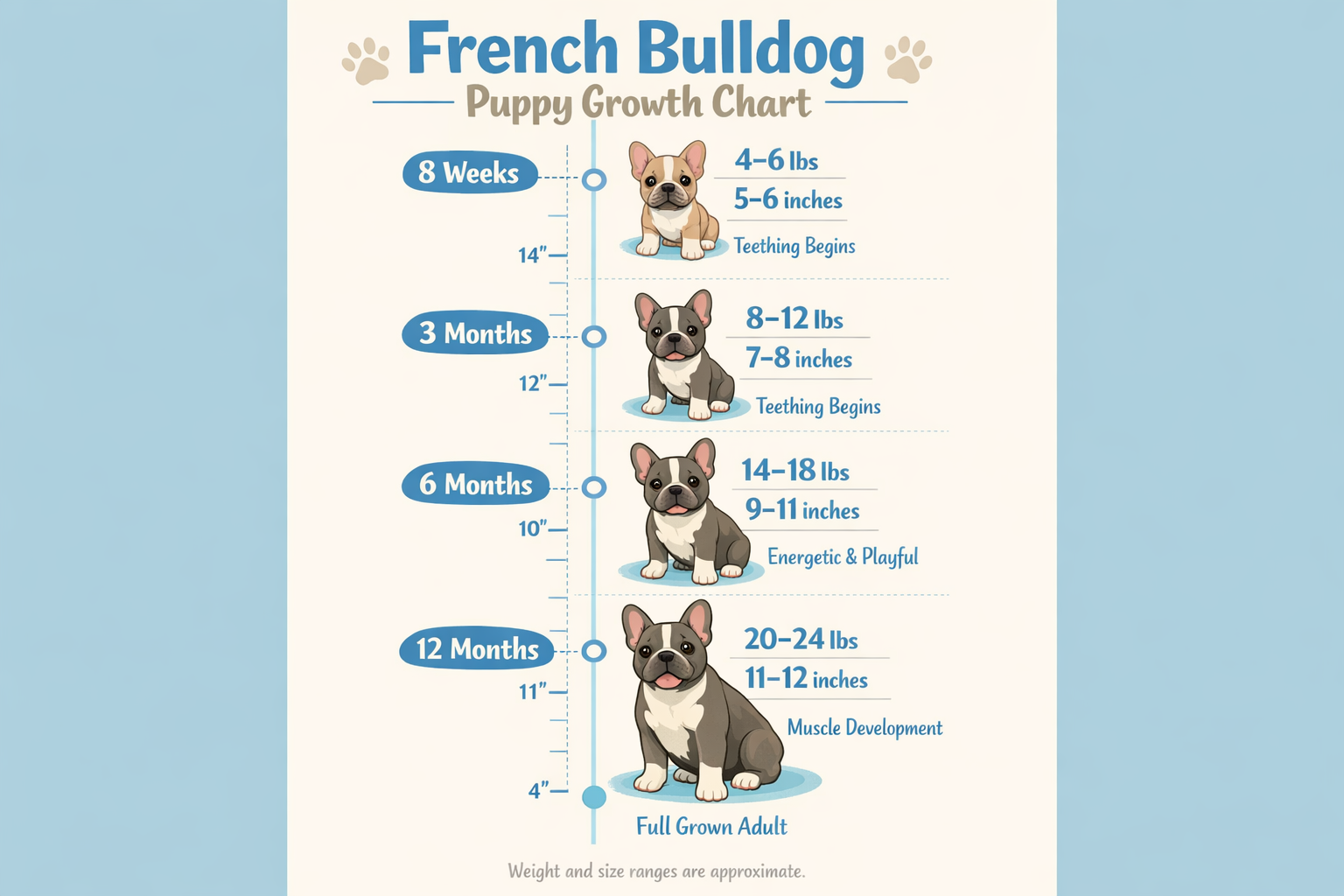
During the initial 12 weeks of life, your French Bulldog puppy experiences incredible transformation. At 3 months old, male Frenchies typically weigh between 10-14 pounds, while females range from 8-12 pounds . This period represents the most dramatic growth phase, with puppies doubling or even tripling their birth weight.
The height development during this stage is equally impressive. Your tiny Frenchie will reach approximately 4-6 inches in height by the 3-month mark. This rapid growth requires careful attention to nutrition and frequent veterinary check-ups to ensure healthy development.
Key milestones at 3 months include:
- Basic house training progress
- Initial socialization with humans and other pets
- First vaccination series completion
- Teething begins
Six Months: The Growth Plateau Begins
By the 6-month mark, your French Bulldog’s growth rate starts to slow significantly, though they’re still far from their adult size. Males typically weigh 17-22 pounds, while females range from 13-20 pounds at this stage. Height-wise, most Frenchies reach approximately 7-9 inches by six months.
This period marks a crucial transition where proper socialization becomes essential for your puppy’s behavioral development. The growth slowdown after 6 months doesn’t mean development stops—it simply becomes more gradual and focused on filling out rather than dramatic size increases.
The Path to Adulthood: 9-18 Months
Most French Bulldogs reach their maximum height between 9-12 months, with the majority achieving close to full height by 9 months. However, weight continues to increase as they develop muscle mass and fill out their frame.
Adult specifications typically include:
- Males: 20-29 pounds, 11-13 inches tall
- Females: 17-24 pounds, 11-13 inches tall
- Maximum weight: Should not exceed 28 pounds according to AKC standards
Detailed French Bulldog Puppy Growth Chart by Age
Monthly Weight Progression
Creating a comprehensive understanding of your Frenchie’s development requires examining specific growth patterns month by month. Here’s what you can expect:
8-12 Weeks:
- Males: 5-9 pounds
- Females: 4-7 pounds
- Height: 3-5 inches
3 Months:
- Males: 10-14 pounds
- Females: 8-12 pounds
- Height: 4-6 inches
4 Months:
- Males: 12-16 pounds
- Females: 10-14 pounds
- Height: 5-7 inches
5 Months:
- Males: 15-20 pounds
- Females: 12-17 pounds
- Height: 6-8 inches
6 Months:
- Males: 17-22 pounds
- Females: 13-20 pounds
- Height: 7-9 inches
9 Months:
- Males: 18-25 pounds
- Females: 16-22 pounds
- Height: 10-12 inches
12 Months (Adult):
- Males: 20-29 pounds
- Females: 17-24 pounds
- Height: 11-13 inches
Understanding Growth Rate Variations
It’s important to remember that individual puppies may vary significantly from these averages. Factors influencing growth include genetics, nutrition, health status, and overall care quality. Some Frenchies may reach their milestones earlier or later while still maintaining perfect health.
The continued muscle development phase extends until approximately 18 months, with some dogs continuing to fill out until 2 years old. This means your Frenchie might still gain weight and develop muscle tone even after reaching their full height.
FYI: Some links may be affiliate links, which means I may earn a small commission at no extra cost to you.
During this crucial development period, many Frenchie parents find that having structured guidance makes all the difference. If you want something comprehensive that addresses both growth monitoring and behavioral development, Kingdom of Pets offers specialized training and health guidance built specifically for flat-faced breeds like French Bulldogs. Their approach helps you understand your Frenchie’s unique development patterns while building a strong foundation for lifelong health and happiness.
Factors Affecting French Bulldog Growth Patterns
Genetic Influences
Genetics play the primary role in determining your French Bulldog’s ultimate size and growth pattern. The size of the parents often provides the best indication of what to expect, though variations can occur. Responsible breeders typically provide growth information about the puppy’s lineage, which can help set realistic expectations.
Some genetic factors that influence growth include:
- Bone structure inheritance from parents
- Metabolic rate variations affecting weight gain
- Muscle development potential determining final build
- Overall health predispositions that may impact growth
Nutritional Impact on Development
Proper nutrition during the puppy phase cannot be overstated in its importance. The best diet plans for French Bulldogs focus on high-quality protein sources and controlled caloric intake to support steady, healthy growth without promoting obesity.
Critical nutritional considerations include:
🍽️ High-quality puppy food with appropriate protein levels (22-25% minimum)
🍽️ Controlled portion sizes to prevent rapid weight gain that can stress developing joints
🍽️ Regular feeding schedule (3-4 meals daily for puppies under 6 months)
🍽️ Avoiding overfeeding which can lead to developmental orthopedic diseases
Health Factors and Growth Concerns
Several health conditions can significantly impact your French Bulldog’s growth trajectory. Brachycephalic Obstructive Airway Syndrome (BOAS) can affect eating and exercise capacity, potentially slowing healthy weight gain. Joint issues like hip dysplasia may also influence normal development patterns.
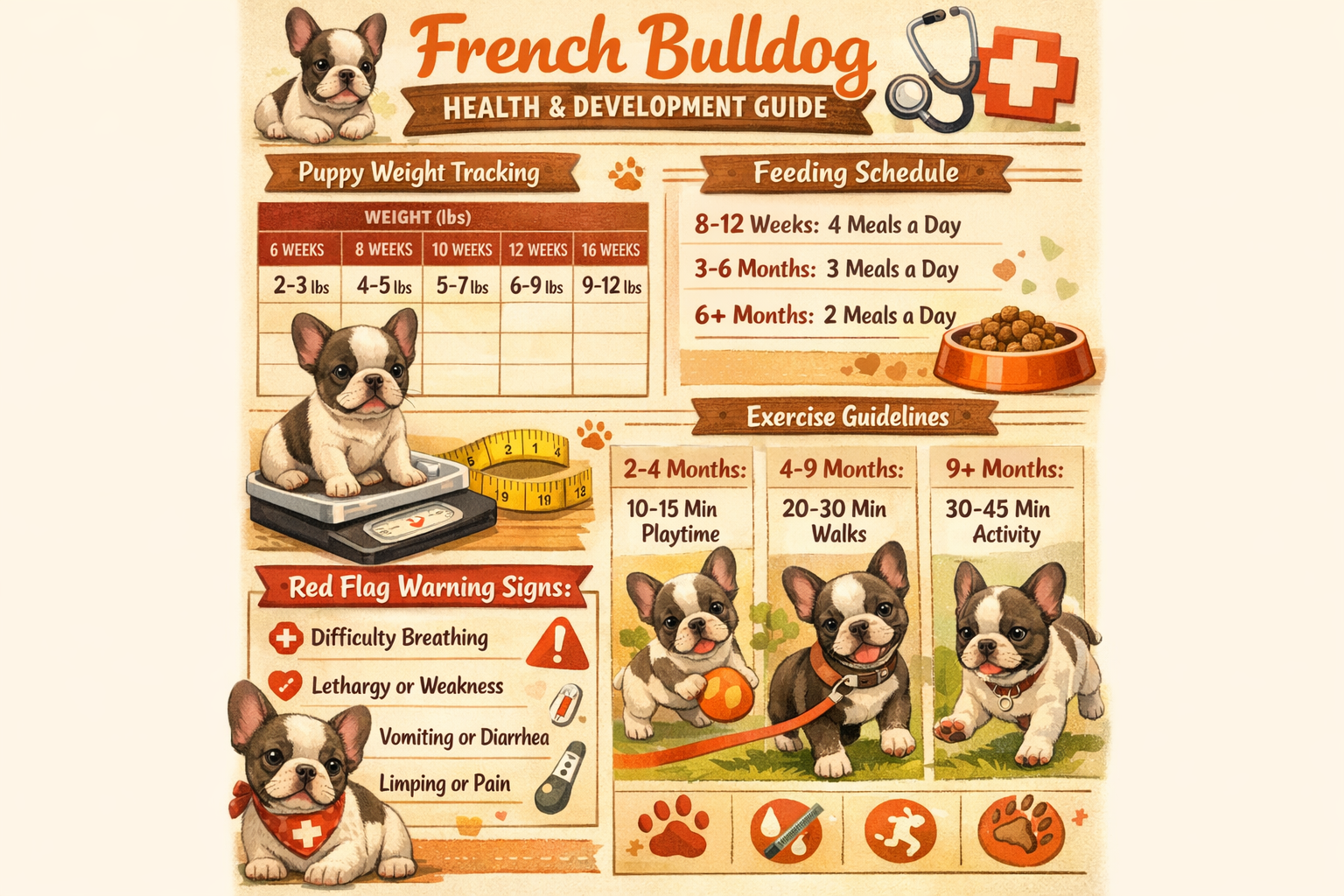
Warning signs that warrant veterinary attention:
- Sudden growth spurts or plateaus lasting more than 2-3 weeks
- Weight loss or failure to gain weight consistently
- Difficulty breathing during normal activity
- Limping or reluctance to move normally
- Digestive issues affecting nutrient absorption
Exercise and Activity Levels
Unlike high-energy breeds, French Bulldogs require moderate, controlled exercise during their growth period. Over-exercising young Frenchies can damage developing joints and growth plates, while insufficient activity can lead to obesity and poor muscle development.
Age-appropriate exercise guidelines:
- 8-16 weeks: Short indoor play sessions, minimal outdoor walking
- 4-6 months: Brief leash walks (5-10 minutes per month of age)
- 6-12 months: Gradual increase in activity, avoiding jumping or intense exercise
- 12+ months: Normal adult exercise routine once growth plates close
Monitoring Your French Bulldog’s Healthy Development
Creating a Growth Tracking System
Establishing a consistent monitoring routine helps ensure your French Bulldog develops optimally. Weekly weigh-ins during the first six months provide valuable data for identifying any concerning trends early.
Essential tracking elements:
📊 Weekly weight measurements using a reliable scale
📊 Monthly height measurements from floor to shoulder
📊 Body condition scoring to assess overall fitness
📊 Photographic documentation showing physical development
📊 Behavioral milestone tracking alongside physical growth
When to Consult Your Veterinarian
Regular veterinary check-ups become even more critical during the puppy growth phase. Most veterinarians recommend monthly visits during the first six months, then quarterly visits until 18 months of age.
Schedule immediate veterinary consultation if you notice:
- Weight loss or gain exceeding 10% of expected range
- Breathing difficulties during rest or mild activity
- Lameness or joint swelling
- Persistent digestive issues affecting growth
- Significant deviation from expected growth milestones
Many Frenchie owners find that having professional guidance throughout the growth period provides invaluable peace of mind. Pet insurance specifically designed for French Bulldogs can be particularly helpful during this time, as the breed faces costly breed-specific risks like breathing issues, IVDD, and skin fold infections. Comparing vet-trusted insurers offering guaranteed lowest rates and fastest claims ensures you’re never forced to choose between your wallet and your pup’s wellbeing during these crucial development months.
Body Condition Assessment
Learning to assess your French Bulldog’s body condition helps you determine whether their growth is progressing healthily. The ideal body condition shows a slight waist tuck when viewed from above and ribs that are easily felt but not visible.
Body condition indicators:
- Underweight: Ribs, spine, and hip bones easily visible; pronounced waist tuck
- Ideal weight: Ribs felt with light pressure; slight waist tuck visible
- Overweight: Ribs difficult to feel; little to no waist definition
- Obese: Ribs not palpable; rounded appearance with fat deposits
Adjusting Care Based on Growth Patterns
As your French Bulldog progresses through different growth phases, their care requirements evolve significantly. Nutritional needs change as growth rates slow, and exercise requirements increase gradually as their respiratory and cardiovascular systems mature.
Phase-specific care adjustments:
Rapid Growth Phase (8-16 weeks):
- High-calorie puppy food with frequent meals
- Minimal exercise beyond supervised play
- Focus on essential supplies every French Bulldog owner needs
Moderate Growth Phase (4-8 months):
- Gradual transition to larger meal portions, fewer times daily
- Introduction of short walks and basic training
- Emphasis on proper grooming habits
Maturation Phase (8-18 months):
- Adult food transition around 12 months
- Regular exercise routine establishment
- Advanced training and behavioral refinement
Understanding your French Bulldog’s growth patterns also helps you recognize and address their unique behavioral traits as they develop. Understanding your French Bulldog’s unique behaviors becomes easier when you can correlate behavioral changes with their physical development stages.
Common Growth-Related Health Concerns
Joint and Bone Development Issues
French Bulldogs are susceptible to several orthopedic conditions that can significantly impact their growth and long-term health. Intervertebral Disc Disease (IVDD) represents one of the most serious concerns, as the breed’s unique spine structure makes them particularly vulnerable to disc problems during rapid growth periods.
Key orthopedic concerns include:
- Hip dysplasia: Abnormal hip joint development affecting mobility
- Luxating patella: Kneecap dislocation causing lameness
- Spinal malformations: Vertebral abnormalities leading to neurological issues
- Growth plate injuries: Damage to developing bone structures from excessive exercise
Respiratory Development Challenges
The brachycephalic anatomy that gives French Bulldogs their distinctive appearance also creates unique respiratory challenges during growth. As puppies develop, their airways may not grow proportionally, potentially worsening breathing difficulties.
Respiratory monitoring during growth:
🫁 Exercise tolerance assessment during different growth phases
🫁 Sleep pattern observation for signs of breathing obstruction
🫁 Heat sensitivity evaluation as respiratory efficiency changes
🫁 Weight management to prevent additional respiratory stress
Nutritional Deficiencies and Excesses
Both undernutrition and overnutrition can severely impact healthy development in French Bulldogs. The breed’s tendency toward obesity makes careful nutritional management crucial throughout the growth period.
Common nutritional issues:
- Rapid weight gain leading to joint stress and breathing problems
- Calcium excess from over-supplementation causing developmental orthopedic disease
- Protein deficiency resulting in poor muscle development
- Vitamin imbalances affecting bone and immune system development
For Frenchie parents dealing with growth-related behavioral challenges, The Online Dog Trainer’s calm-energy method can be incredibly helpful. That “selectively deaf” Frenchie isn’t disobedient—he’s often responding to the stress of rapid physical changes. Doggy Dan’s approach gently addresses common puppy behaviors like leash pulling, jumping, and counter-surfing without treats, tricks, or shouting, making it perfect for growing Frenchies who need consistent, patient guidance.
Early Warning Signs and Prevention
Preventive care during the growth period significantly reduces the risk of serious health complications later in life. Regular monitoring and early intervention can address many issues before they become permanent problems.
Prevention strategies include:
- Controlled exercise programs appropriate for each growth stage
- Regular veterinary monitoring with growth-specific health screenings
- Proper nutrition management avoiding both deficiencies and excesses
- Environmental modifications reducing injury risks during active growth periods
Addressing common Frenchie health issues becomes much more manageable when you understand how these problems relate to growth and development patterns.
Helpful Resources for French Bulldog Growth Monitoring
Professional Support Systems
Successfully navigating your French Bulldog’s growth journey often requires a team of professionals who understand the breed’s unique needs. Building relationships with qualified veterinarians, nutritionists, and trainers familiar with brachycephalic breeds provides invaluable support during this critical period.
Essential professional team members:
👨⚕️ Veterinarian specializing in brachycephalic breeds for health monitoring
👨⚕️ Certified canine nutritionist for diet optimization
👨⚕️ Professional dog trainer experienced with French Bulldogs
👨⚕️ Emergency veterinary clinic familiar with breed-specific issues
Growth Tracking Tools and Resources
Modern technology offers numerous tools to help monitor your French Bulldog’s development accurately. Digital scales, growth tracking apps, and photographic documentation create comprehensive records that help identify trends and potential concerns.
Recommended tracking tools:
- Digital pet scale for accurate weight monitoring
- Growth tracking spreadsheet or mobile app
- Body condition scoring charts for visual assessment
- Measurement tape for height and girth tracking
- Regular photography from consistent angles and distances
Educational Resources and Support Networks
Connecting with other French Bulldog owners and breed experts provides practical insights that complement professional veterinary care. Online communities, breed-specific forums, and local French Bulldog clubs offer valuable peer support and experience sharing.
Valuable educational resources:
📚 Breed-specific health databases with growth information
📚 Veterinary nutrition guides for brachycephalic breeds
📚 Training resources adapted for French Bulldog temperament
📚 Emergency care guides for breed-specific health crises
Conclusion
Understanding your French Bulldog’s growth journey through a comprehensive French Bulldog Puppy Growth Chart empowers you to provide the best possible care during these crucial developmental months. From the rapid growth of the first three months to the gradual maturation extending to 18 months, each phase requires specific attention to nutrition, exercise, and health monitoring.
Remember that while growth charts provide valuable guidelines, every French Bulldog is unique. Regular veterinary check-ups, consistent monitoring, and attention to your individual puppy’s needs will ensure they develop into the healthy, happy companion you’ve dreamed of. The investment in proper growth monitoring during puppyhood pays dividends in your Frenchie’s long-term health and quality of life.
Your next steps should include:
✅ Establishing a weekly weighing routine and growth tracking system
✅ Scheduling regular veterinary check-ups focused on growth monitoring
✅ Implementing age-appropriate nutrition and exercise programs
✅ Building a support network of breed-knowledgeable professionals
✅ Learning to recognize early warning signs of growth-related health issues
By following these guidelines and utilizing the growth chart information provided, you’re well-equipped to guide your French Bulldog through their developmental journey successfully. Your attention to proper growth monitoring today ensures many years of joy with your perfectly developed Frenchie companion.
References
[1] French Bulldog Size Chart From Puppy To Adult Growth Guide – https://frenchieboxes.com/blogs/news/french-bulldog-size-chart-from-puppy-to-adult-growth-guide
[2] French Bulldog Growth And Weight – https://www.pawlicy.com/blog/french-bulldog-growth-and-weight/
[3] French Bulldog Progression – https://a-z-animals.com/animals/french-bulldog/french-bulldog-facts/french-bulldog-progression/
[4] Courbe De Poids Du Bouledogue Francais Guide Complet Pour Suivre La Croissance De Votre Chien – https://frenchie-bouledogue.com/en/blogs/articles/courbe-de-poids-du-bouledogue-francais-guide-complet-pour-suivre-la-croissance-de-votre-chien
[6] French Bulldog Weight Chart – https://www.raisedrightpets.com/blog/french-bulldog-weight-chart/