
French Bulldog Joint Pain Signs: A Complete Guide to Early Detection and Care
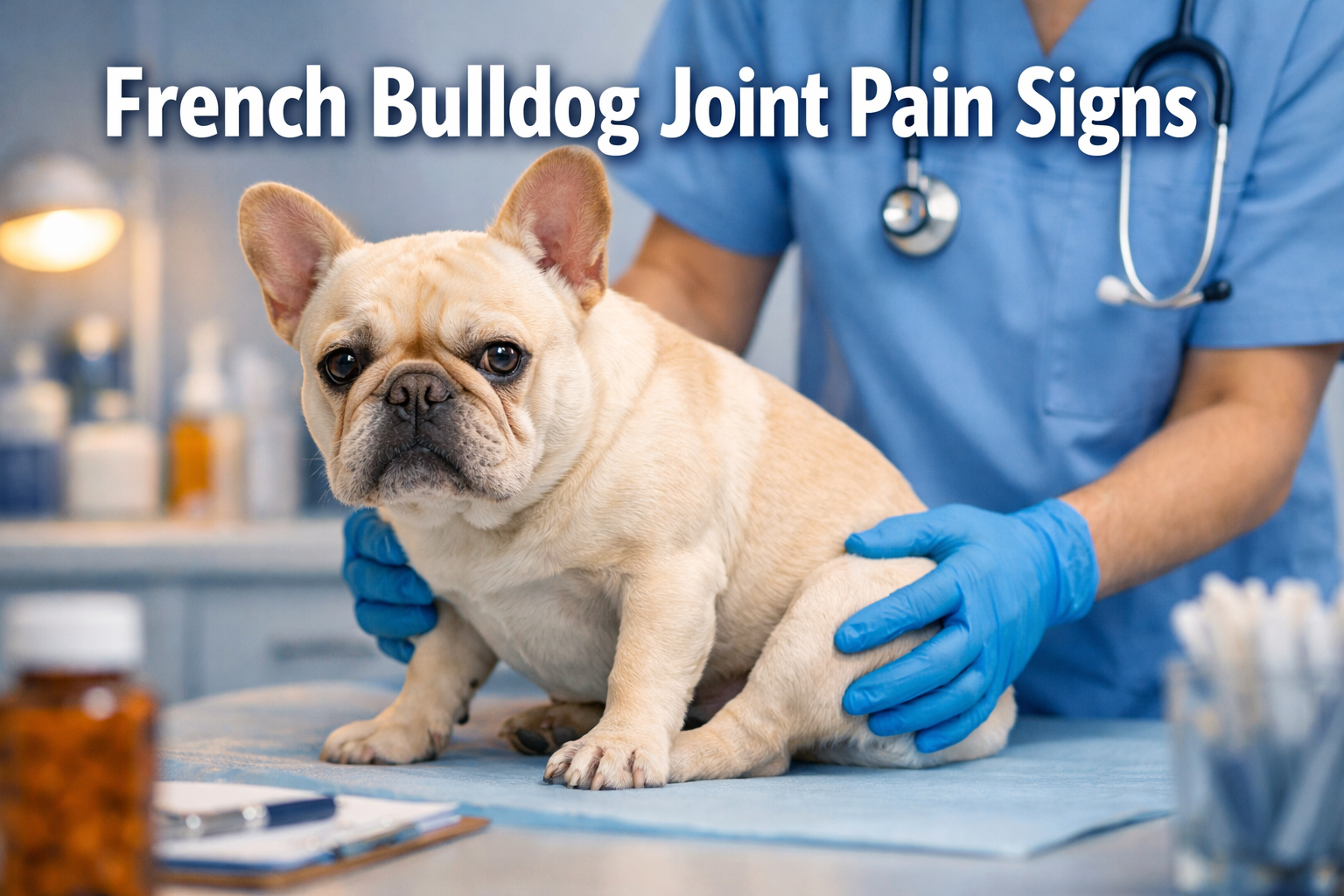
Watching your beloved French Bulldog suddenly hesitate before jumping onto their favorite couch or seeing them struggle to climb stairs can be heartbreaking. As a Frenchie owner myself, I’ve learned that recognizing French Bulldog Joint Pain Signs early can make the difference between years of comfortable living and unnecessary suffering for our flat-faced companions.
French Bulldogs, with their compact build and unique anatomy, face higher risks for joint problems than many other breeds. Understanding the subtle signs of joint discomfort isn’t just helpful—it’s essential for maintaining your Frenchie’s quality of life. In this comprehensive guide, I’ll walk you through everything you need to know about identifying, understanding, and managing joint pain in French Bulldogs.
Key Takeaways
• Early detection is crucial: French Bulldogs often hide pain, making subtle behavioral changes like reluctance to jump or play the first warning signs
• Multiple factors contribute: Genetics, weight, age, and activity levels all influence joint health in Frenchies
• Professional diagnosis matters: What looks like laziness or stubbornness might actually be joint pain requiring veterinary attention
• Management strategies work: Proper diet, gentle exercise, supplements, and environmental modifications can significantly improve comfort
• Prevention starts early: Maintaining healthy weight and choosing reputable breeders can reduce joint problems throughout your Frenchie’s life
Understanding French Bulldog Anatomy and Joint Vulnerabilities
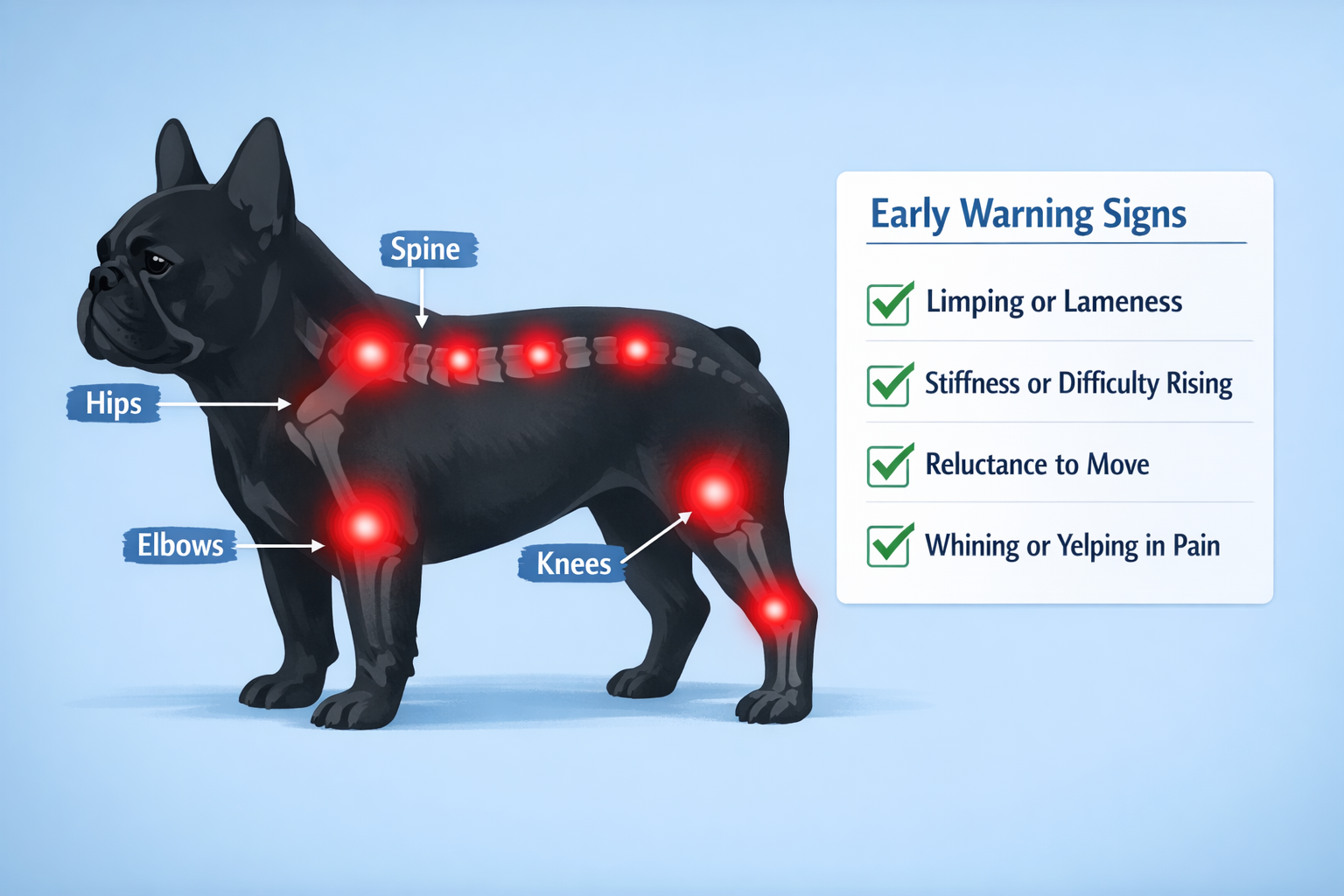
French Bulldogs weren’t always the compact, muscular companions we know today. Originally bred from English Bulldogs in the 1800s, these dogs were selectively bred for their distinctive flat faces and sturdy builds. However, this selective breeding has created some unique anatomical challenges that directly impact joint health.
Why French Bulldogs Are Prone to Joint Issues
The French Bulldog’s body structure creates several risk factors for joint problems:
- Compact spine: Their shortened spine puts extra pressure on vertebral joints
- Heavy front end: The broad chest and muscular shoulders create uneven weight distribution
- Short legs: Proportionally shorter limbs must support a relatively heavy body
- Genetic predisposition: Breeding for specific traits has concentrated certain joint problems in the gene pool
Research shows that back problems affect 19.0% of French Bulldog owners surveyed, making joint-related issues one of the most commonly reported health concerns in the breed[3]. This statistic becomes even more concerning when we consider that many joint problems go undiagnosed in their early stages.
Common Joint Problems in French Bulldogs
Hip Dysplasia remains one of the most serious joint conditions affecting Frenchies. This genetic condition occurs when the hip socket doesn’t form properly, causing the femur to fit loosely. Over time, this leads to painful arthritis and mobility issues[5].
Intervertebral Disc Disease (IVDD) is another significant concern. The compressed spine structure common in French Bulldogs makes them susceptible to disc problems, particularly in the lower back. When discs herniate or degenerate, they can cause severe pain and even paralysis.
Luxating Patella (kneecap dislocation) affects many small and medium-sized dogs, including French Bulldogs. The kneecap slips out of its normal position, causing pain and an abnormal gait.
Understanding these vulnerabilities helps explain why recognizing French Bulldog Joint Pain Signs early is so critical for long-term health and happiness.
Early Warning Signs: Recognizing French Bulldog Joint Pain Signs
French Bulldogs are masters at hiding discomfort. This trait, inherited from their working dog ancestors, means that obvious limping or crying often indicates advanced joint problems. The key to early intervention lies in recognizing subtle behavioral changes that might signal developing joint issues.
Behavioral Changes That Signal Joint Discomfort
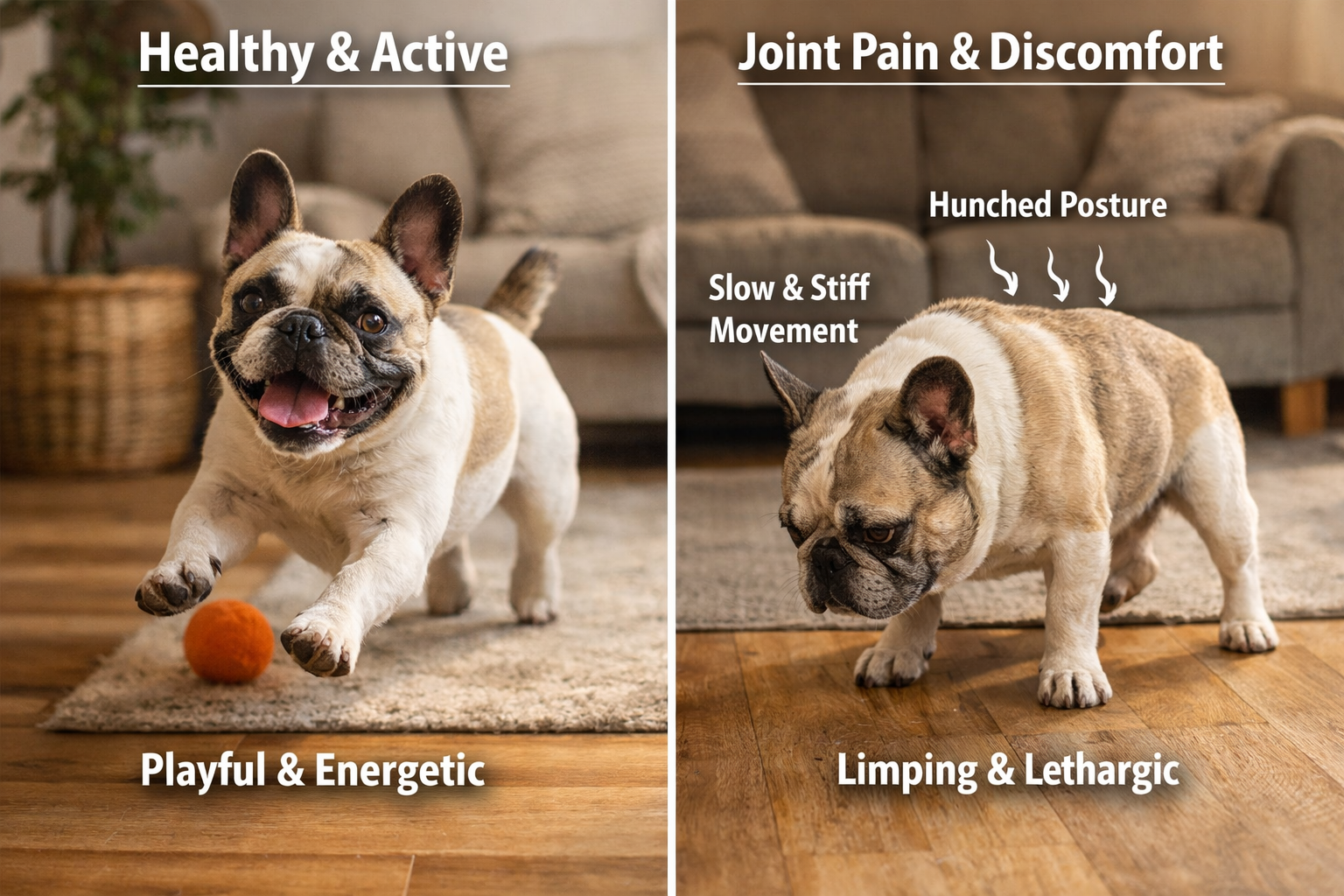
Reluctance to engage in favorite activities often serves as the first red flag. If your usually playful Frenchie suddenly shows less interest in games, walks, or interaction, joint pain might be the culprit. I’ve noticed that many owners initially attribute this to laziness or aging, but sudden behavioral changes deserve closer attention.
Changes in sleep patterns and positioning can also indicate joint discomfort. Dogs with joint pain often:
- Have difficulty finding comfortable sleeping positions
- Wake up more frequently during the night
- Show stiffness when getting up from rest
- Prefer softer surfaces over hard floors
Altered social behavior is another important indicator. Joint pain can make dogs irritable or withdrawn. A normally social Frenchie might avoid interaction with family members or other pets, particularly if they’re concerned about being touched in painful areas.
Physical Symptoms to Monitor
Gait abnormalities represent some of the most observable physical signs:
- Limping or favoring one leg: Even subtle weight shifting can indicate joint problems
- Bunny hopping: Using both back legs together instead of alternating steps
- Stiffness after rest: Difficulty moving normally after lying down or sleeping
- Shortened stride: Taking smaller steps than usual
Posture changes also provide important clues:
- Hunched back or altered spine curvature
- Reluctance to fully extend the neck
- Standing with weight shifted to front or back legs
- Difficulty maintaining normal sitting position
Activity Level Modifications
Many French Bulldogs with developing joint problems will naturally modify their activity levels. This might include:
- Hesitation before jumping onto furniture or into cars
- Preference for shorter walks or frequent stops during exercise
- Avoiding stairs or showing reluctance to navigate elevation changes
- Decreased enthusiasm for activities they previously enjoyed
When considering your Frenchie’s exercise needs, remember that sudden changes in activity tolerance often signal underlying health issues rather than simple laziness.
FYI: Some links may be affiliate links, which means I may earn a small commission at no extra cost to you.
Weight management plays a crucial role in joint health. Excess weight significantly increases the risk of joint problems in French Bulldogs, along with breathing difficulties and chronic pain[2]. If your Frenchie is showing signs of joint discomfort, addressing weight through proper nutrition becomes even more critical.
For Frenchies dealing with joint pain that affects their behavior, particularly if they become reactive or anxious during walks due to discomfort, a structured approach can help. If your French bulldog struggles with barking or lunging on walks, a structured training program can make a big difference. One popular option is a step-by-step reactivity training webinar that focuses on calm, force-free methods.
👉 Click here to discover how calmer, happier walks with your Frenchie can start today.
Advanced Symptoms and When to Seek Professional Help
While early signs of joint pain might be subtle, advanced symptoms require immediate veterinary attention. Recognizing when French Bulldog Joint Pain Signs have progressed beyond home management can prevent permanent damage and unnecessary suffering.
Severe Mobility Issues
Complete reluctance to move represents a veterinary emergency. If your French Bulldog refuses to walk, stand, or shows extreme distress when moving, immediate professional evaluation is essential. This level of immobility often indicates severe joint damage, disc herniation, or other serious conditions requiring urgent intervention.
Dragging limbs or inability to support weight on specific legs signals advanced joint problems or potential neurological involvement. These symptoms can develop rapidly, particularly with conditions like IVDD, where disc herniation can cause sudden paralysis.
Falls or collapse during normal activities indicate that joint problems have significantly impacted your dog’s stability and coordination. This is particularly concerning in French Bulldogs, where spinal issues can progress quickly.
Pain-Related Behaviors
Vocalization during movement is a clear indicator that joint pain has become severe. French Bulldogs typically don’t vocalize pain easily, so whimpering, crying, or yelping during movement suggests significant discomfort.
Aggressive behavior when touched in specific areas often indicates localized pain. A normally gentle Frenchie who suddenly snaps or growls when their back, hips, or legs are touched is likely experiencing considerable joint discomfort.
Excessive panting or restlessness can signal chronic pain. Dogs in constant discomfort often show signs of stress, including increased breathing rates and inability to settle comfortably.
Neurological Warning Signs
Loss of coordination or apparent confusion about body position can indicate that joint problems have progressed to affect neurological function. This is particularly concerning with spinal conditions where nerve compression can cause serious complications.
Changes in bowel or bladder control represent emergency situations requiring immediate veterinary care. These symptoms often accompany severe spinal problems and can indicate permanent nerve damage if not addressed quickly.
Creating a Symptom Timeline
When preparing for a veterinary visit, documenting your observations helps ensure accurate diagnosis and treatment planning:
Daily activity logs tracking mobility, appetite, sleep patterns, and behavioral changes provide valuable information for your veterinarian.
Video documentation of gait abnormalities, difficulty with specific movements, or unusual behaviors can help your vet assess problems they might not observe during a brief office visit.
Pain scoring using simple scales (0-10) for different activities helps track progression and treatment effectiveness over time.
Emergency Situations
Certain combinations of symptoms require immediate emergency veterinary care:
- Sudden inability to move back legs combined with normal front leg function
- Loss of deep pain sensation in limbs
- Rapid progression of symptoms over hours rather than days
- Signs of extreme distress or apparent severe pain
The concerning statistic that 56% of French Bulldog owners believe the breed is less healthy than other dog breeds highlights the importance of proactive health monitoring[3]. This perception often stems from experience with serious health issues that could have been managed more effectively with earlier intervention.
Diagnosis and Professional Assessment
Professional veterinary assessment remains essential for accurate diagnosis of joint problems in French Bulldogs. While recognizing French Bulldog Joint Pain Signs at home provides valuable early warning, determining the specific cause and severity requires specialized knowledge and diagnostic tools.
What to Expect During Veterinary Examination
Physical examination forms the foundation of joint problem diagnosis. Your veterinarian will systematically evaluate:
- Range of motion in all major joints
- Pain response to gentle manipulation
- Muscle mass and symmetry
- Gait analysis and weight distribution
- Neurological reflexes and sensation
Orthopedic testing includes specific maneuvers designed to identify particular conditions:
- Hip manipulation to assess for dysplasia
- Drawer tests for cruciate ligament problems
- Patellar manipulation to check for luxation
- Spinal palpation to identify areas of sensitivity
Diagnostic Imaging Options
X-rays (radiographs) provide the most common initial imaging for joint problems. They effectively show:
- Bone structure abnormalities
- Joint space narrowing indicating arthritis
- Signs of hip dysplasia or other developmental problems
- Spinal alignment and disc space changes
Advanced imaging may be recommended for complex cases:
- CT scans offer detailed bone structure visualization
- MRI imaging provides excellent soft tissue detail, particularly valuable for spinal disc problems
- Ultrasound can assess soft tissue structures around joints
Specialized Testing
Genetic testing for hip dysplasia and other hereditary conditions helps confirm diagnoses and inform breeding decisions. Many reputable French Bulldog breeders now provide health testing results for parent dogs.
Arthroscopy allows direct visualization inside joints for complex diagnostic cases or minimally invasive treatment options.
Laboratory Evaluations
Blood work helps rule out systemic conditions that might mimic or contribute to joint problems:
- Complete blood count to check for infection or inflammation
- Chemistry panels to assess organ function
- Specific inflammatory markers in some cases
Synovial fluid analysis involves collecting and analyzing fluid from affected joints to identify infection, immune-mediated conditions, or other specific causes of joint inflammation.
Treatment Planning and Prognosis
Staging joint disease helps determine appropriate treatment approaches:
- Mild cases might respond well to conservative management
- Moderate conditions often benefit from combination approaches
- Severe problems may require surgical intervention
Treatment options vary significantly based on specific diagnosis:
- Medical management including pain medications, anti-inflammatories, and joint supplements
- Physical therapy and rehabilitation programs
- Surgical interventions for severe or progressive conditions
- Alternative therapies such as acupuncture or laser therapy
New Treatment Developments
Recent advances in veterinary medicine offer hope for better joint pain management. Lenivia (izenivetmab), a new long-acting pain relief injection, received European Commission marketing authorization in November 2025. This innovative treatment provides three months of pain relief from a single injection by binding antibodies to nerve growth factor (NGF) to decrease pain and increase mobility.
Clinical trials demonstrated that Lenivia administration at 0.05-0.1 mg/kg increased owner-assessed treatment success and resulted in overall improvement for dogs with osteoarthritis for 90 days compared to placebo. Zoetis expects this treatment to become available in Europe during 2026, potentially offering new options for managing chronic joint pain in French Bulldogs.
The importance of professional diagnosis becomes clear when considering that proper treatment depends entirely on accurate identification of the specific problem. Home remedies and general joint supplements, while potentially helpful, cannot replace targeted treatment based on professional assessment.
Management Strategies and Treatment Options
Managing joint pain in French Bulldogs requires a comprehensive approach combining medical treatment, lifestyle modifications, and ongoing monitoring. The goal isn’t just pain relief—it’s maintaining quality of life and slowing disease progression.
Medical Management Approaches
Pain medication forms the cornerstone of joint pain treatment. Your veterinarian might prescribe:
- NSAIDs (Non-steroidal anti-inflammatory drugs) like carprofen or meloxicam for inflammation and pain relief
- Gabapentin for nerve-related pain, particularly with spinal conditions
- Tramadol for moderate to severe pain management
- Newer options like the recently approved Lenivia injection, which provides 90 days of pain relief from a single treatment
Joint supplements can provide additional support, though quality varies significantly among products. Look for supplements containing:
- Glucosamine and chondroitin for cartilage support
- Omega-3 fatty acids for anti-inflammatory effects
- MSM (methylsulfonylmethane) for additional anti-inflammatory benefits
- Hyaluronic acid for joint lubrication
When selecting supplements, consulting resources about the best joint supplements for dogs can help ensure you choose evidence-based products.
Surgical Interventions
Hip dysplasia surgery options include:
- Femoral head ostectomy (FHO) for severe cases
- Total hip replacement in appropriate candidates
- Juvenile pubic symphysiodesis for young dogs with mild dysplasia
Spinal surgery for IVDD might involve:
- Hemilaminectomy to relieve pressure on the spinal cord
- Fenestration to prevent future disc problems
- Stabilization procedures for unstable vertebrae
Arthroscopic procedures offer minimally invasive options for some joint problems, potentially reducing recovery time and complications.
Weight Management and Nutrition
Maintaining ideal body weight represents one of the most important aspects of joint health management. Excess weight increases stress on all joints and can accelerate arthritis progression[2].
Calculating ideal weight for your French Bulldog:
- Adult males typically weigh 20-28 pounds
- Adult females usually weigh 16-24 pounds
- Body condition scoring helps assess whether weight is appropriate
Nutritional strategies for joint health include:
- High-quality protein to maintain muscle mass
- Controlled calories to prevent weight gain
- Anti-inflammatory ingredients like fish oil
- Joint-supporting nutrients incorporated into daily diet
Proper nutrition planning becomes easier with guidance from resources about the best diet for French Bulldog health.
Exercise Modification and Physical Therapy
Low-impact exercise helps maintain joint mobility without excessive stress:
- Swimming provides excellent exercise with minimal joint impact
- Short, frequent walks rather than long, strenuous hikes
- Gentle play that doesn’t involve jumping or sudden direction changes
- Controlled leash walks using properly fitted harnesses to reduce neck strain
Physical therapy techniques can significantly improve outcomes:
- Range of motion exercises to maintain joint flexibility
- Massage therapy to improve circulation and reduce muscle tension
- Heat and cold therapy for pain and inflammation management
- Underwater treadmill therapy for controlled exercise
Environmental Modifications
Home modifications can dramatically improve comfort for French Bulldogs with joint problems:
Flooring considerations:
- Non-slip rugs on smooth surfaces
- Orthopedic bedding for joint support
- Ramps instead of stairs where possible
- Raised food and water bowls to reduce neck strain
Furniture adaptations:
- Pet steps or ramps for accessing favorite spots
- Multiple comfortable resting areas throughout the home
- Soft, supportive bedding in quiet areas
- Easy access to outdoor areas for bathroom needs
Helpful Resource for Behavioral Management
Joint pain can sometimes make French Bulldogs more reactive or anxious, particularly during walks when movement causes discomfort. If your French bulldog struggles with barking or lunging on walks, a structured training program can make a big difference. One popular option is a step-by-step reactivity training webinar that focuses on calm, force-free methods.
👉 Click here to discover how calmer, happier walks with your Frenchie can start today.
Alternative and Complementary Therapies
Acupuncture has shown promise for managing chronic pain in dogs, with many veterinary practices now offering this service.
Laser therapy can reduce inflammation and promote healing in affected joints.
Massage and chiropractic care from qualified veterinary professionals can provide additional comfort and mobility improvement.
Hydrotherapy offers controlled exercise opportunities that support joint health while minimizing impact stress.
Monitoring and Adjustment
Regular reassessment ensures treatment remains effective:
- Monthly weight checks
- Activity level monitoring
- Pain scoring using consistent methods
- Veterinary follow-ups as recommended
Treatment adjustments based on response and disease progression help maintain optimal comfort and function throughout your French Bulldog’s life.
Prevention and Long-term Care
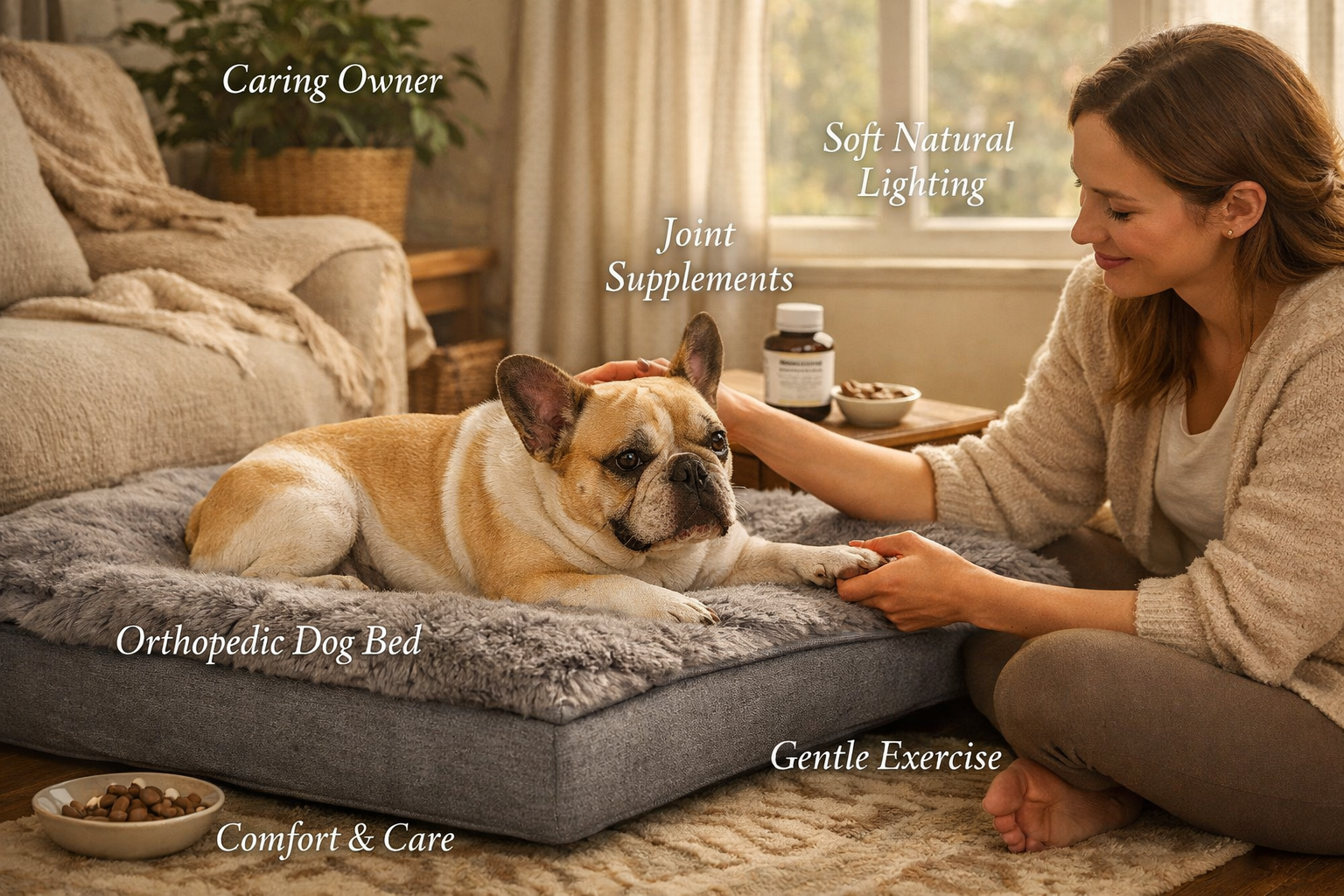
Preventing joint problems in French Bulldogs starts before you even bring your puppy home and continues throughout their entire life. While genetic predisposition plays a significant role, many factors influencing joint health remain within your control.
Choosing the Right Puppy
Breeder selection significantly impacts your French Bulldog’s likelihood of developing joint problems. Responsible breeders conduct health testing on parent dogs and can provide documentation of hip, elbow, and spine evaluations.
When evaluating potential breeders, ask specific questions about:
- Health testing results for both parents
- Family history of joint problems
- Breeding practices focused on health rather than just appearance
- Support provided for health issues that develop later
Health guarantees from reputable breeders often cover major genetic conditions like hip dysplasia. Understanding what’s covered and for how long helps protect your investment in your puppy’s health.
Early Life Management
Puppy exercise guidelines help protect developing joints:
- Avoid forced exercise until growth plates close (around 12-18 months)
- Allow natural play but prevent excessive jumping or rough play
- Use stairs sparingly during the first year
- Focus on mental stimulation rather than physical exhaustion
Nutrition during growth impacts adult joint health:
- Feed appropriate puppy food formulated for proper development
- Avoid overfeeding, which can lead to rapid growth and joint stress
- Monitor growth rate and adjust feeding as needed
- Consider supplements only under veterinary guidance
Understanding puppy care basics helps establish healthy habits from the beginning.
Adult Maintenance Strategies
Weight management remains the most important preventive measure throughout your French Bulldog’s life. Even a few extra pounds significantly increases joint stress in these compact dogs.
Regular exercise adapted to your dog’s capabilities:
- Daily walks appropriate for age and fitness level
- Swimming when available for low-impact conditioning
- Play sessions that encourage movement without overexertion
- Mental stimulation to prevent boredom-related overeating
Routine veterinary care enables early detection of developing problems:
- Annual examinations including joint palpation
- Weight monitoring and body condition scoring
- Discussion of any behavioral or mobility changes
- Preventive treatments as recommended
Environmental Factors
Home environment modifications can prevent joint injuries:
- Non-slip surfaces to prevent falls
- Appropriate bedding for joint support
- Controlled access to furniture to prevent jumping injuries
- Safe outdoor spaces for exercise
Climate considerations affect joint comfort:
- Warmth helps maintain joint flexibility
- Cold weather may increase stiffness
- Humidity can affect arthritis symptoms
- Indoor climate control benefits joint health
Insurance and Financial Planning
Pet insurance becomes particularly valuable for breeds prone to expensive joint problems. French Bulldogs face costly breed-specific risks like breathing issues, IVDD, and skin fold infections. Compare vet-trusted insurers offering guaranteed lowest rates + fastest claims—so you’re never forced to choose between your wallet and your pup’s wellbeing.
👉 Get a Free Frenchie Insurance Quote
Budgeting for health care helps ensure you can provide necessary treatments:
- Set aside funds for routine preventive care
- Consider the potential costs of joint surgery or long-term medication
- Research treatment options and associated expenses
- Plan for emergency situations requiring immediate intervention
Senior Care Considerations
Age-related changes require adjusted management approaches:
- More frequent veterinary monitoring
- Modified exercise routines
- Enhanced comfort measures
- Proactive pain management
Quality of life assessment helps guide decision-making as dogs age:
- Mobility and independence levels
- Pain management effectiveness
- Enjoyment of daily activities
- Overall comfort and contentment
Genetic Counseling and Breeding Decisions
If you’re considering breeding your French Bulldog, genetic counseling helps make informed decisions:
- Comprehensive health testing before breeding
- Understanding inheritance patterns for joint conditions
- Selecting appropriate breeding partners
- Considering the ethical implications of perpetuating genetic problems
Spaying and neutering timing can affect joint development:
- Early spaying/neutering may increase joint problem risks
- Discuss optimal timing with your veterinarian
- Consider individual factors including size and development rate
Long-term Monitoring
Establishing baselines early in your dog’s life helps detect changes:
- Document normal activity levels and behaviors
- Record typical gait and movement patterns
- Note preferred sleeping and resting positions
- Track weight and body condition over time
Regular reassessment ensures problems are caught early:
- Monthly home evaluations of mobility and comfort
- Prompt veterinary consultation for any changes
- Adjustment of management strategies as needed
- Proactive rather than reactive approaches to care
The goal of prevention and long-term care isn’t to eliminate all possibility of joint problems—genetic predisposition makes some issues likely in French Bulldogs. Instead, the focus should be on minimizing risk factors, detecting problems early, and managing them effectively to maintain the best possible quality of life throughout your dog’s years.
Understanding that back problems affect 19.0% of French Bulldogs[3] helps put the importance of prevention in perspective. While we cannot change genetics, we can significantly influence how those genetic tendencies affect our dogs’ daily lives through thoughtful, proactive care.
Conclusion
Recognizing French Bulldog Joint Pain Signs early can transform your dog’s quality of life and potentially add years of comfortable mobility to their golden years. From subtle behavioral changes like reluctance to jump on furniture to more obvious symptoms like limping or stiffness, understanding these warning signs empowers you to seek help before problems become severe.
The key takeaways for every French Bulldog owner include maintaining vigilant observation of your dog’s daily activities, understanding that this breed’s unique anatomy creates specific vulnerabilities, and knowing when professional veterinary assessment becomes necessary. Weight management, appropriate exercise, and environmental modifications can significantly impact joint health throughout your Frenchie’s life.
Remember that joint problems don’t have to mean the end of an active, happy life for your French Bulldog. With advances in veterinary medicine, including new long-acting pain relief options like Lenivia becoming available in 2026[1], and comprehensive management approaches combining medical treatment with lifestyle modifications, many dogs with joint issues continue to enjoy excellent quality of life.
Take action today by:
- Scheduling a baseline veterinary examination if your Frenchie hasn’t had recent joint evaluation
- Documenting your dog’s current activity levels and behaviors for future comparison
- Evaluating your home environment for potential modifications that could prevent joint injuries
- Researching pet insurance options to ensure you can afford necessary treatments if problems develop
- Connecting with other French Bulldog owners and veterinary professionals to build a support network for your dog’s health
Your French Bulldog depends on you to recognize when they need help, since they’re masters at hiding discomfort. By staying informed about French Bulldog Joint Pain Signs and maintaining proactive health management, you’re giving your beloved companion the best chance at a long, comfortable, and active life.
The investment in understanding and preventing joint problems pays dividends in reduced veterinary costs, improved quality of life, and more years of enjoying your Frenchie’s unique personality and companionship. Start implementing these strategies today—your French Bulldog’s joints will thank you for years to come.
References
[1] Long Acting Drug For Relieving Canine Oa Pain Receives European Marketing Authorization – https://www.dvm360.com/view/long-acting-drug-for-relieving-canine-oa-pain-receives-european-marketing-authorization
[2] French Bulldog Health Issues – https://funnyfuzzy.com/blogs/pet-encyclopedia/french-bulldog-health-issues
[3] Full – https://www.frontiersin.org/journals/veterinary-science/articles/10.3389/fvets.2025.1605505/full
[4] Best Joint Supplements For Dogs – https://www.petmd.com/vet-verified/best-joint-supplements-for-dogs
[5] Hip Dysplasia In French Bulldogs Understanding Prevention And – https://flashyfrenchies.com/resources/f/hip-dysplasia-in-french-bulldogs-understanding-prevention-and