
French Bulldog Eye Discharge Causes: Complete Guide to Understanding and Managing Your Frenchie’s Eye Health
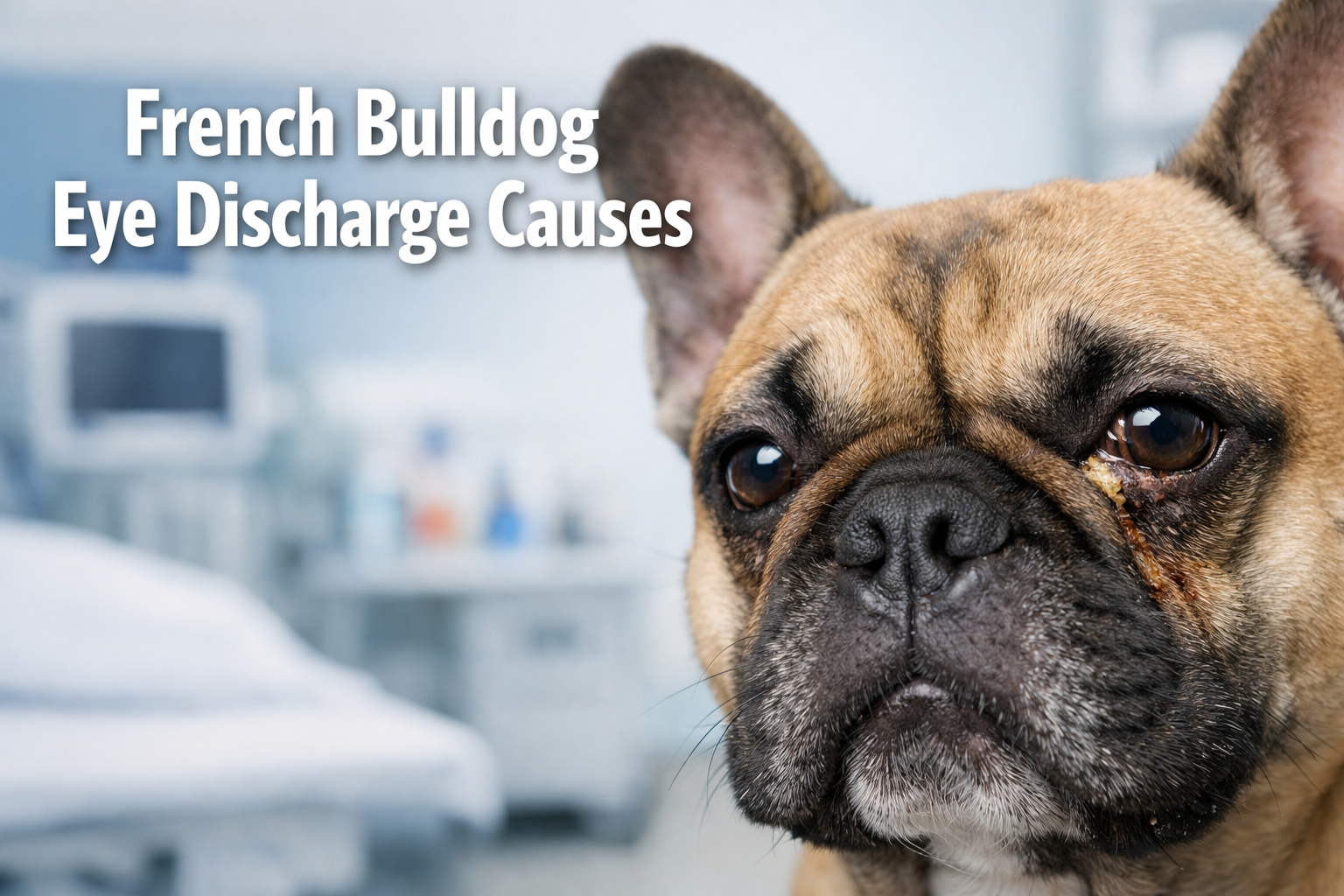
If you’ve noticed your beloved French Bulldog developing watery, sticky, or discolored discharge around their eyes, you’re not alone. As a French Bulldog owner myself, I’ve learned that French Bulldog eye discharge causes are more complex than many people realize, stemming from their unique facial structure and genetic predispositions that make these adorable companions particularly vulnerable to eye-related issues.
Understanding the root causes behind your Frenchie’s eye discharge isn’t just about cosmetic concerns—it’s about ensuring your furry friend’s comfort, health, and quality of life. From anatomical challenges inherent to their flat-faced design to specific conditions like dry eye and conjunctivitis, French Bulldogs face a unique set of eye health challenges that require informed, proactive care.
Key Takeaways
• Anatomical predisposition: French Bulldogs’ flat faces and shallow eye sockets prevent proper tear drainage, causing tears to overflow rather than drain naturally through tear ducts
• Breed-specific tear deficiency: Recent research shows healthy French Bulldogs demonstrate qualitative tear film deficiency compared to other dog breeds, making eye discharge more common
• Multiple underlying causes: Eye discharge can indicate allergies, infections, dry eye (KCS), structural abnormalities, or foreign body irritation—each requiring different treatment approaches
• Discharge color matters: Clear discharge often suggests allergies or anatomical issues, while thick/oily discharge indicates dry eye, and yellow/green discharge typically means bacterial infection
• Early intervention is crucial: Many French Bulldog eye conditions, including cherry eye and corneal ulcers, require prompt veterinary attention to prevent complications and ensure optimal outcomes
Understanding the Anatomy: Why French Bulldogs Are Prone to Eye Discharge
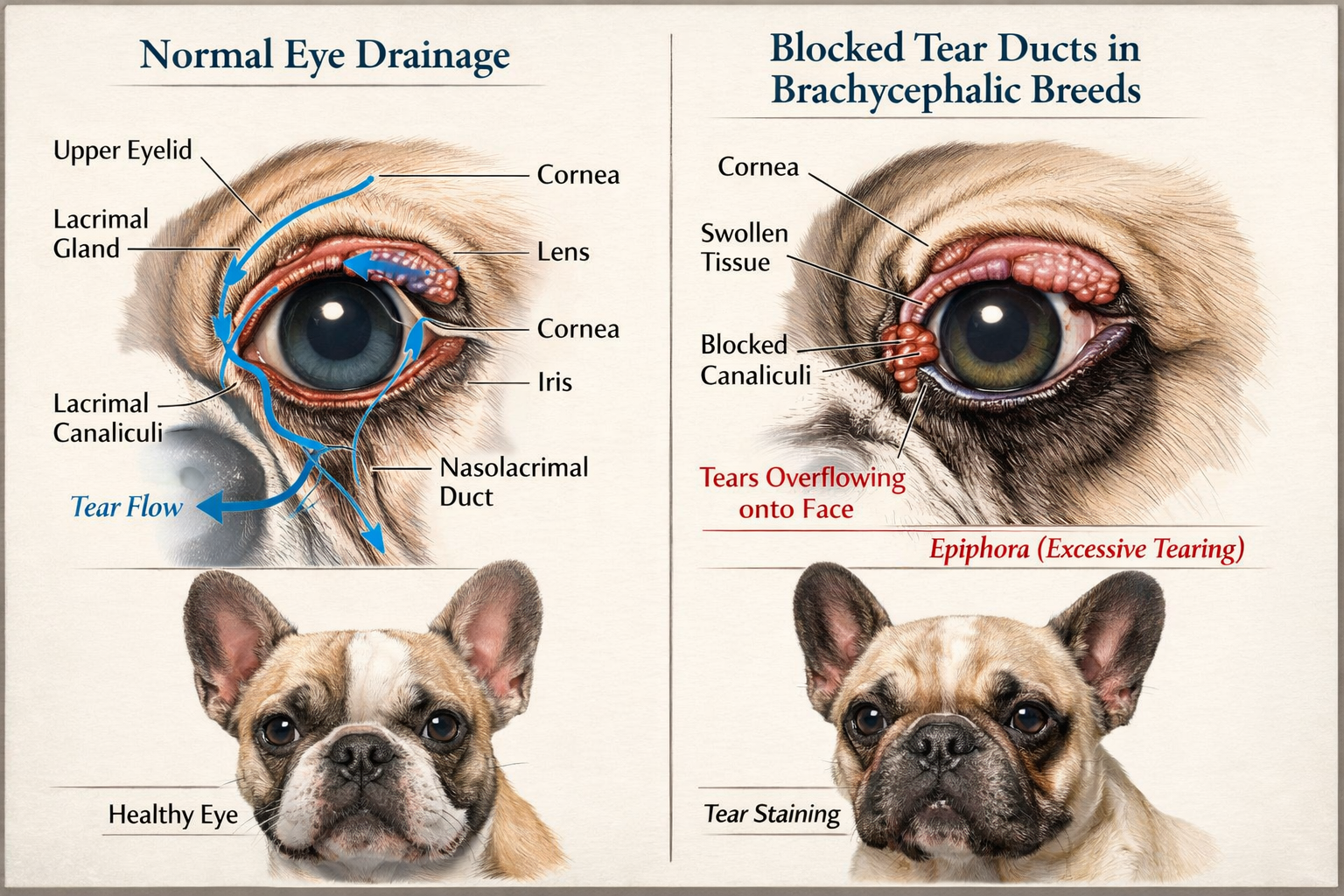
The foundation of French Bulldog eye discharge causes lies in their distinctive brachycephalic (flat-faced) anatomy. Unlike dogs with longer snouts, French Bulldogs have compressed facial structures that significantly impact how their eyes function and drain.
The Tear Drainage Challenge
In healthy dogs with normal facial structure, tears are produced by lacrimal glands and flow across the eye surface before draining through small openings called puncta into the nasolacrimal ducts. These ducts channel tears into the nasal cavity, keeping the eye moist without visible overflow.
However, French Bulldogs face a fundamental anatomical challenge. Their shallow eye sockets and compressed nasal passages prevent proper tear film drainage, causing tears to roll off the face rather than entering the nasolacrimal ducts [2][4]. This creates the characteristic “tear staining” and discharge that many Frenchie owners notice.
Breed-Specific Tear Film Deficiency
Recent scientific research has revealed something remarkable about French Bulldog eye health. A 2025 peer-reviewed study published in Frontiers in Veterinary Science found that healthy French Bulldogs show signs of qualitative tear film deficiency compared to non-brachycephalic dogs, with statistically significant differences [1].
This means that even perfectly healthy French Bulldogs naturally produce tears that differ in composition from other breeds. While the volume might be adequate, the quality of the tear film may not provide optimal eye surface protection, contributing to discharge and potential discomfort.
Inherited Structural Abnormalities
Beyond the general brachycephalic features, some French Bulldogs inherit specific eyelid abnormalities that worsen discharge:
Entropion occurs when eyelids roll inward, causing eyelashes and hair to rub against the cornea. This constant irritation leads to:
- Excessive tearing
- Thick, mucoid discharge
- Corneal damage over time
- Visible discomfort and squinting
Ectropion involves eyelids rolling outward, exposing the inner conjunctival surface. This creates:
- Conjunctival drying and irritation
- Increased susceptibility to debris and infection
- Chronic discharge production [2]
Understanding these anatomical factors helps explain why maintaining your French Bulldog’s eye health requires more attention than other breeds. It’s not a flaw—it’s simply part of their unique physiology that requires informed care.
For comprehensive care of your French Bulldog, including eye health maintenance, check out our detailed French Bulldog grooming routine guide.
Common French Bulldog Eye Discharge Causes and Symptoms
Understanding the specific conditions that lead to eye discharge in French Bulldogs empowers you to recognize symptoms early and seek appropriate treatment. Let me walk you through the most common French Bulldog eye discharge causes and what to watch for.
Keratoconjunctivitis Sicca (Dry Eye)
Keratoconjunctivitis Sicca (KCS), commonly called dry eye, affects between 0.3% and 1.52% of dogs annually, with French Bulldogs being particularly susceptible [3]. This condition typically develops in middle-aged to older Frenchies when tear production becomes inadequate.
KCS Symptoms Include:
- Thick, sticky, yellowish-green discharge
- Dull, lackluster eye surface
- Frequent blinking or squinting
- Red, irritated conjunctiva
- Corneal pigmentation (dark spots on the eye surface)
The discharge in KCS is characteristically thick and oily because without sufficient tears to flush the eye, mucus and debris accumulate [8]. Left untreated, KCS can lead to painful corneal ulcers and vision impairment.
Conjunctivitis (Pink Eye)
Conjunctivitis occurs in over 3% of French Bulldogs and can stem from multiple causes including bacterial infections, viral infections, allergies, or foreign body irritation [5]. The inflammation affects the conjunctiva—the thin membrane lining the eyelids and covering the white part of the eye.
Conjunctivitis Symptoms:
- Red, swollen conjunctiva
- Clear to yellow-green discharge (depending on cause)
- Excessive tearing
- Pawing at the eyes
- Sensitivity to light
Bacterial conjunctivitis typically produces thick, yellow or green discharge, while allergic conjunctivitis usually causes clear, watery discharge accompanied by itching.
Cherry Eye (Prolapsed Nictitans Gland)
Cherry eye appears as a red, fleshy mass in the inner corner of your Frenchie’s eye. This occurs when the third eyelid gland prolapses, becoming visible and inflamed. While not always causing significant discharge initially, cherry eye can lead to secondary complications if untreated.
Cherry Eye Characteristics:
- Visible red mass in eye corner
- Mild to moderate clear discharge
- Potential for secondary bacterial infection
- Discomfort and pawing behavior
- May affect one or both eyes
Cherry eye requires prompt veterinary attention. While some cases can be managed with special gels if caught early, most require surgical correction [5].
Allergic Reactions
French Bulldogs are prone to environmental and food allergies that frequently manifest as eye symptoms. Allergic eye discharge is typically clear and watery, often accompanied by other allergy signs.
Common Allergen Sources:
- Pollen and seasonal environmental triggers
- Dust mites and household allergens
- Food ingredients
- Chemical irritants (cleaning products, perfumes)
- Cigarette smoke
Allergic Eye Symptoms:
- Clear, watery discharge
- Red, itchy eyes
- Frequent pawing or rubbing
- Sneezing and respiratory symptoms
- Seasonal pattern of symptoms
Foreign Body Irritation
Due to their prominent eyes and active indoor lifestyle, French Bulldogs can easily get foreign objects in their eyes. Common irritants include:
- Dust and debris
- Plant material during outdoor activities
- Hair or eyelashes
- Soap or shampoo residue during bathing
Foreign Body Symptoms:
- Sudden onset of excessive tearing
- Clear to slightly cloudy discharge
- Pawing at the affected eye
- Squinting or keeping the eye closed
- Visible discomfort
Corneal Ulcers
French Bulldogs face elevated risk for corneal ulcers due to their prominent eyes and potential for trauma [8]. These painful wounds on the eye surface often produce significant discharge and require immediate veterinary care.
Corneal Ulcer Warning Signs:
- Thick, mucoid discharge
- Severe squinting or eye closure
- Cloudiness on the eye surface
- Visible pain and reluctance to open the eye
- Potential blue-green tinge to the cornea
FYI: Some links may be affiliate links, which means I may earn a small commission at no extra cost to you.
Given the complexity of eye conditions in French Bulldogs, having comprehensive health coverage becomes especially important. Frenchies face costly breed-specific risks like breathing issues, IVDD, and eye problems that can require expensive treatments. Compare vet-trusted insurers offering guaranteed lowest rates + fastest claims, so you’re never forced to choose between your wallet and your pup’s wellbeing.
Understanding these common causes helps you monitor your French Bulldog’s eye health effectively. In the next section, we’ll explore how to identify when discharge requires immediate veterinary attention versus home management.
Diagnosis and Treatment Options for French Bulldog Eye Discharge
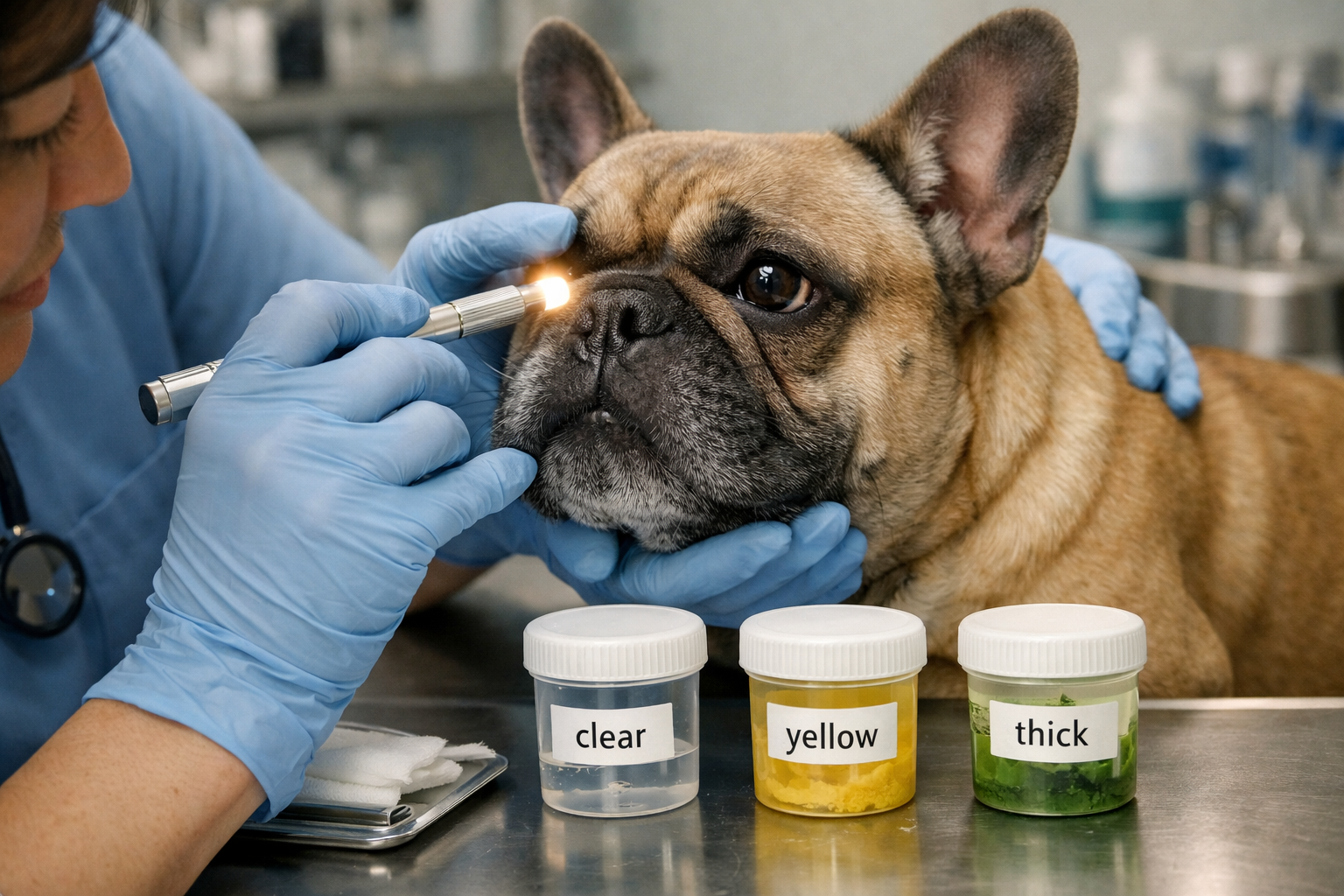
When dealing with French Bulldog eye discharge causes, accurate diagnosis is crucial for effective treatment. As someone who has navigated various eye issues with French Bulldogs, I’ve learned that what appears to be a simple discharge problem often requires professional veterinary assessment to identify the underlying cause and appropriate treatment approach.
When to Seek Veterinary Care
Immediate veterinary attention is required if you notice:
- Thick, yellow, or green discharge suggesting bacterial infection
- Sudden onset of severe discharge with pain symptoms
- Cloudiness or changes in eye color
- Visible foreign objects in the eye
- Signs of corneal damage (scratches, ulcers)
- Cherry eye or other structural abnormalities
- Discharge accompanied by lethargy or appetite changes
Routine veterinary consultation is recommended for:
- Persistent clear discharge lasting more than 2-3 days
- Recurring discharge patterns
- Discharge accompanied by excessive tearing
- Any discharge in puppies under 6 months
- Changes in discharge color, consistency, or amount
Diagnostic Procedures
Veterinarians use several diagnostic tools to identify French Bulldog eye discharge causes:
Schirmer Tear Test: Measures tear production to diagnose dry eye (KCS). Small paper strips are placed in the lower eyelid for one minute to measure tear volume. Normal values for dogs range from 15-25mm of wetting per minute.
Fluorescein Staining: A special dye applied to the eye surface reveals corneal scratches, ulcers, or abrasions that may not be visible otherwise. Damaged areas retain the green dye, showing the extent and location of injuries.
Ophthalmoscopic Examination: Detailed examination of eye structures using specialized lighting and magnification to assess:
- Corneal clarity and integrity
- Conjunctival health and color
- Eyelid position and function
- Tear film quality and distribution
Bacterial Culture: When infection is suspected, discharge samples may be cultured to identify specific bacteria and determine the most effective antibiotic treatment.
Treatment Approaches by Condition
Dry Eye (KCS) Treatment:
Treatment for KCS typically involves tear-stimulating medications and supportive care:
- Cyclosporine drops (Optimmune): Stimulates natural tear production
- Tacrolimus ointment: Alternative immunosuppressive therapy
- Artificial tears: Provides immediate moisture relief
- Antibiotic drops: Treats secondary bacterial infections
Most dogs with KCS require lifelong treatment, but with proper management, they can maintain comfortable vision and quality of life [3].
Bacterial Conjunctivitis Treatment:
- Topical antibiotic drops or ointments: Prescribed based on culture results when available
- Warm compresses: Help remove discharge and provide comfort
- Anti-inflammatory medications: Reduce swelling and discomfort
- Elizabethan collar: Prevents self-trauma during healing
Allergic Discharge Management:
- Antihistamine eye drops: Reduce allergic inflammation
- Cool compresses: Provide immediate symptom relief
- Environmental control: Minimize exposure to identified allergens
- Systemic allergy medications: For severe or widespread allergic reactions
Cherry Eye Treatment:
Cherry eye typically requires surgical correction for permanent resolution:
- Gland repositioning surgery: Preserves tear production while correcting the prolapse
- Temporary management: Special lubricating gels may help in very early cases
- Post-surgical care: Includes antibiotic drops and activity restriction [5]
Home Care and Maintenance
While professional treatment addresses underlying causes, proper home care supports healing and prevents complications:
Daily Eye Cleaning Routine:
- Use sterile saline solution or veterinarian-recommended eye wash
- Gently wipe from inner corner outward with clean, soft cloth
- Use separate cloths for each eye to prevent cross-contamination
- Clean discharge buildup 2-3 times daily during treatment periods
Environmental Modifications:
- Use air purifiers to reduce airborne allergens
- Maintain consistent humidity levels (40-50%)
- Avoid strong fragrances and chemical irritants
- Keep your Frenchie’s face wrinkles clean and dry
Monitoring and Documentation:
Keep a simple log noting:
- Discharge color, consistency, and amount
- Associated symptoms (squinting, pawing, appetite changes)
- Response to treatments
- Environmental factors or potential triggers
This information helps your veterinarian track progress and adjust treatment plans as needed.
For comprehensive French Bulldog health management, including eye care, explore our guide to essential supplies every French Bulldog owner needs.
Long-term Management Strategies
Preventive Care Schedule:
- Regular veterinary eye examinations every 6-12 months
- Prompt attention to any changes in discharge patterns
- Maintaining optimal nutrition to support eye health
- Consistent grooming routines that include eye care
Breed-Specific Considerations:
French Bulldogs with chronic eye conditions often benefit from:
- Specialized diets that support overall health and reduce inflammation
- Weight management to reduce breathing difficulties that can worsen eye problems
- Activity modifications during treatment periods
- Environmental humidity control to support tear film stability
Understanding that eye discharge in French Bulldogs often requires ongoing management rather than one-time treatment helps set realistic expectations for both immediate relief and long-term eye health maintenance.
Prevention and Long-Term Eye Health Management
Preventing French Bulldog eye discharge causes requires a proactive approach that addresses both the breed’s inherent anatomical challenges and environmental factors. Through years of working with French Bulldogs, I’ve discovered that consistent preventive care significantly reduces the frequency and severity of eye discharge episodes.
Daily Prevention Strategies
Establishing a Consistent Eye Care Routine
The foundation of French Bulldog eye health lies in daily maintenance. Unlike breeds with less prominent eyes, Frenchies benefit from twice-daily eye checks that take just a few minutes but can prevent serious complications.
Morning Eye Assessment (2-3 minutes):
- Gently examine each eye for overnight discharge accumulation
- Note any changes in color, amount, or consistency of discharge
- Check for signs of irritation, redness, or swelling
- Clean away any dried discharge with a damp, clean cloth
Evening Eye Care (3-5 minutes):
- Remove daily accumulation of dust, debris, and discharge
- Apply veterinarian-recommended lubricating drops if needed
- Inspect for any foreign objects or irritants
- Document any concerning changes for veterinary discussion
Environmental Optimization
Indoor Air Quality Management
French Bulldogs spend most of their time indoors, making air quality a crucial factor in preventing eye irritation:
Humidity Control: Maintain household humidity between 40-50%. Dry air exacerbates tear film deficiency, while excessive humidity can promote bacterial growth.
Air Filtration: Use HEPA air purifiers to reduce:
- Pollen and seasonal allergens
- Dust mites and pet dander
- Chemical irritants from cleaning products
- Smoke and other airborne pollutants
Chemical Minimization: Choose fragrance-free, hypoallergenic household products. Strong scents and chemical vapors can trigger allergic reactions and eye irritation in sensitive French Bulldogs.
Nutritional Support for Eye Health
Anti-Inflammatory Diet Components
Proper nutrition plays a significant role in maintaining healthy tear production and reducing inflammatory responses that contribute to eye discharge:
Omega-3 Fatty Acids: EPA and DHA support tear film quality and reduce inflammatory responses. Look for fish-based omega-3 supplements specifically formulated for dogs.
Antioxidant-Rich Foods: Vitamins A, C, and E protect eye tissues from oxidative damage. Many high-quality commercial diets include these nutrients, but supplementation may benefit dogs with chronic eye issues.
Adequate Hydration: Ensure constant access to fresh water. Dehydration directly impacts tear production and quality.
For detailed nutritional guidance, review our comprehensive best diet for French Bulldog health recommendations.
Grooming and Hygiene Practices
Facial Fold Management
The skin folds around French Bulldog eyes create warm, moist environments that can harbor bacteria and contribute to eye infections:
Daily Fold Cleaning:
- Use veterinarian-approved wipes or damp cloth
- Gently clean each fold, removing accumulated moisture and debris
- Thoroughly dry all cleaned areas
- Apply thin layer of protective balm if recommended by your veterinarian
Professional Grooming Considerations:
- Schedule regular professional grooming every 6-8 weeks
- Ensure groomers understand French Bulldog eye sensitivity
- Request careful attention to facial area cleaning
- Avoid harsh shampoos or chemicals near the eye area
Seasonal and Environmental Adaptations
Spring and Summer Precautions
Higher pollen counts and increased outdoor activity during warmer months require additional preventive measures:
Pollen Management:
- Wipe your Frenchie’s face and eyes after outdoor activities
- Consider shorter walks during peak pollen times (early morning/late evening)
- Use air conditioning rather than open windows on high-pollen days
- Rinse eyes with sterile saline after extended outdoor exposure
Heat and UV Protection:
French Bulldogs’ prominent eyes are vulnerable to UV damage and heat-related dryness:
- Provide shaded areas during outdoor activities
- Limit sun exposure during peak UV hours (10 AM – 4 PM)
- Consider protective eyewear for extended outdoor activities
Fall and Winter Considerations
Colder months bring different challenges for French Bulldog eye health:
Dry Air Management:
- Increase humidity levels using humidifiers
- Apply veterinarian-recommended lubricating drops more frequently
- Monitor for increased tear staining due to heating system dryness
Indoor Allergen Control:
- Increase frequency of air filter changes
- Regular washing of bedding and toys in hot water
- Vacuum frequently with HEPA-filtered vacuum cleaner
Early Detection and Monitoring
Recognizing Subtle Changes
French Bulldog owners develop an eye for detecting early signs of problems before they become serious discharge issues:
Weekly Photo Documentation: Take clear photos of your Frenchie’s eyes weekly. This creates a visual record that helps identify gradual changes that might otherwise go unnoticed.
Discharge Tracking: Maintain a simple log noting:
- Daily discharge amount and color
- Environmental factors (weather, activities, diet changes)
- Behavioral changes (increased pawing, squinting)
- Response to routine cleaning and care
Behavioral Monitoring: Watch for subtle changes in behavior that may indicate eye discomfort:
- Reluctance to go outside in bright light
- Increased sleeping or hiding in dark areas
- Changes in appetite or activity level
- Unusual head tilting or positioning
Building a Support Network
Veterinary Relationships
Establish relationships with eye care specialists before problems arise:
Regular Ophthalmologic Exams: Schedule annual eye examinations with a veterinary ophthalmologist, especially for French Bulldogs with previous eye issues or strong family histories of eye problems.
Emergency Protocols: Know which emergency veterinary clinics in your area have ophthalmologic capabilities for after-hours eye emergencies.
Specialist Referrals: Ask your regular veterinarian for ophthalmologist referrals before you need them, ensuring quick access to specialized care when necessary.
Understanding that prevention requires ongoing commitment rather than occasional attention helps French Bulldog owners develop sustainable routines that significantly improve their pets’ eye health and overall quality of life. The investment in daily preventive care typically prevents more serious, expensive, and uncomfortable conditions from developing.
Helpful Resources for French Bulldog Eye Care
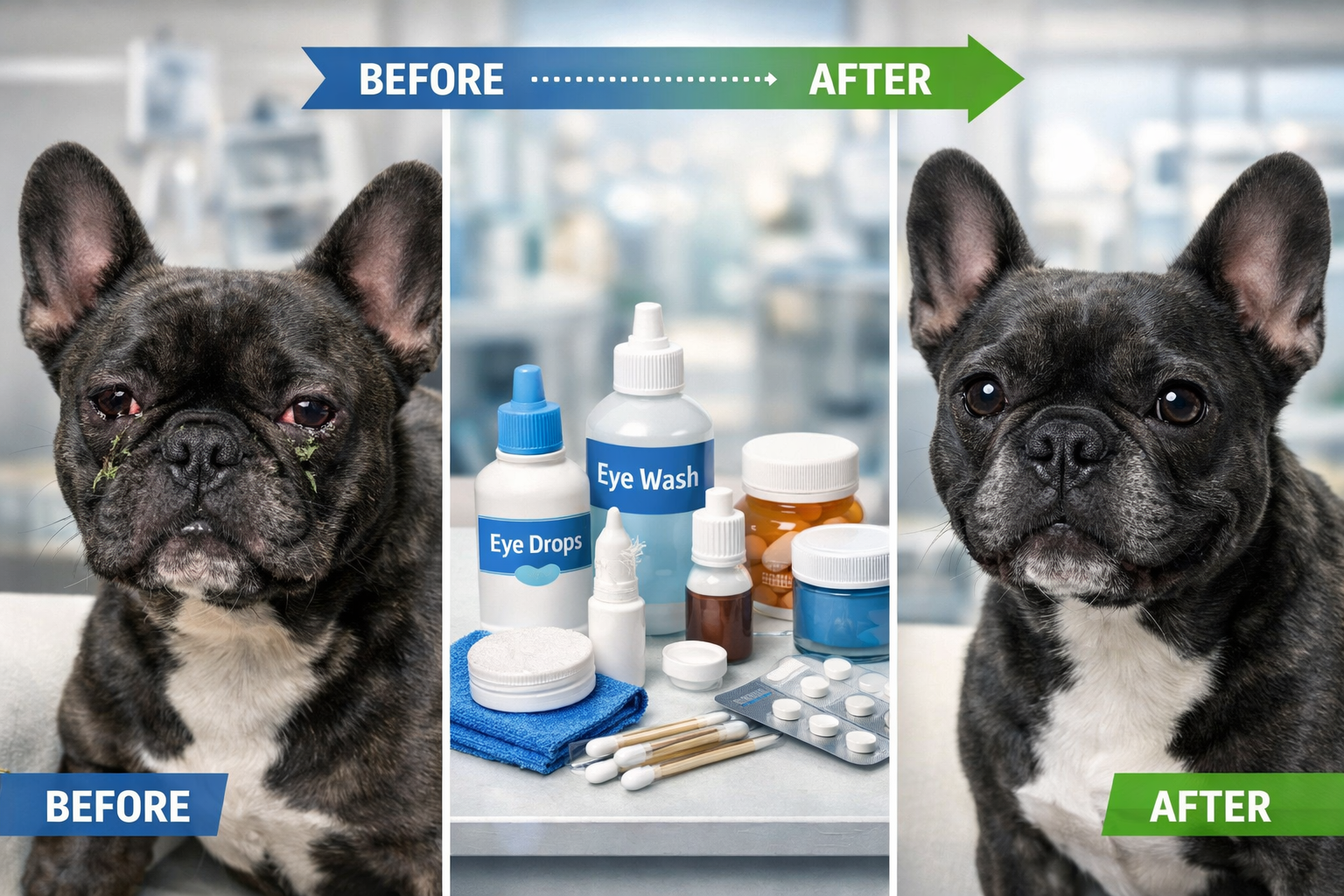
Managing your French Bulldog’s eye health doesn’t have to feel overwhelming. Having the right tools, knowledge, and support systems makes a significant difference in maintaining your Frenchie’s comfort and preventing serious complications.
If your French Bulldog struggles with stress-related behaviors that might worsen eye problems (like excessive pawing or rubbing), a structured training approach can help. One popular option is a step-by-step reactivity training webinar that focuses on calm, force-free methods to reduce anxiety and stress responses.
👉 Click here to discover how calmer, happier walks with your Frenchie can start today.
Essential Supplies for Eye Care
Basic Eye Care Kit:
- Sterile saline solution (preservative-free)
- Soft, lint-free cloths or cotton pads
- Veterinarian-recommended eye wash
- Lubricating eye drops (as prescribed)
- Digital camera for documentation
- Clean storage container for supplies
Advanced Monitoring Tools:
- Magnifying glass for detailed examination
- Flashlight or penlight for pupil response checking
- Elizabethan collar for preventing self-trauma
- Humidifier for environmental control
For a comprehensive list of quality products specifically chosen for French Bulldogs, explore our top products for French Bulldogs essential guide.
Professional Care Network
Building Your Veterinary Team:
- Primary care veterinarian familiar with brachycephalic breeds
- Veterinary ophthalmologist for specialized care
- Emergency clinic with 24/7 eye care capabilities
- Certified groomer experienced with French Bulldog facial care
Questions to Ask Potential Veterinarians:
- Experience treating French Bulldog eye conditions
- Availability for urgent eye care appointments
- Referral relationships with ophthalmology specialists
- After-hours emergency protocols for eye injuries
Educational Resources
Reputable Information Sources:
- American College of Veterinary Ophthalmologists (ACVO)
- French Bulldog rescue organizations with health resources
- Peer-reviewed veterinary journals and studies
- Breed-specific health databases and registries
Warning Signs Reference Guide:
Keep a quick-reference card with emergency symptoms that require immediate veterinary attention:
- Sudden vision changes or blindness
- Severe pain or continuous squinting
- Trauma to the eye area
- Rapid onset of thick, colored discharge
- Corneal cloudiness or blue-green coloration
Conclusion
Understanding French Bulldog eye discharge causes empowers you to provide the best possible care for your beloved companion. From the anatomical challenges inherent to their brachycephalic structure to the specific conditions like dry eye, conjunctivitis, and cherry eye, French Bulldogs require informed, proactive eye care that goes beyond basic pet ownership.
The key insights we’ve explored—from recognizing that healthy French Bulldogs naturally experience tear film deficiency to understanding how discharge color indicates different underlying conditions—provide the foundation for effective eye health management. Remember that early intervention consistently produces better outcomes than waiting for problems to worsen.
Your Next Steps:
- Establish a daily eye care routine starting today, even if your Frenchie currently shows no signs of discharge
- Schedule a baseline eye examination with your veterinarian to document your dog’s normal eye health
- Create an eye care supply kit with the essential items discussed in this guide
- Begin photo documentation to track any subtle changes over time
- Research veterinary ophthalmologists in your area before you need specialized care
The investment you make in understanding and preventing eye discharge will pay dividends in your French Bulldog’s comfort, health, and quality of life. While their unique anatomy presents challenges, informed owners who commit to consistent preventive care can successfully manage these issues and help their Frenchies enjoy clear, comfortable vision throughout their lives.
Remember, you’re not alone in this journey. The French Bulldog community is filled with experienced owners and dedicated veterinary professionals ready to support you in providing excellent eye care for your furry family member.
References
[1] Full – https://www.frontiersin.org/journals/veterinary-science/articles/10.3389/fvets.2025.1732237/full
[2] Eye Discharge Dogs – https://www.allaboutvision.com/eye-care/pets-animals/eye-discharge-dogs/
[3] French Bulldog Health Issues – https://www.insuranceopedia.com/pet-insurance/french-bulldog-health-issues
[4] Eye Discharge Or Epiphora In Dogs – https://vcahospitals.com/know-your-pet/eye-discharge-or-epiphora-in-dogs
[5] French Bulldogs Health Issues – https://www.prudentpet.com/french-bulldogs-health-issues/
[6] Why Does My Dog Have Eye Boogers – https://www.kinship.com/dog-health/why-does-my-dog-have-eye-boogers
[7] Weepy Eyes In Dogs – https://www.purina.com.sg/care-and-advice/dog/health/weepy-eyes-in-dogs
[8] A Guide To Common Health Problems Of French Bulldogs – https://www.joiipetcare.com/blogs/advice/a-guide-to-common-health-problems-of-french-bulldogs
[9] Eye Health – http://frenchbulldogrescue.us/adoption-info/health-safety-your-frenchie/eye-health/