
French Bulldog Breathing Problems: Complete 2026 Owner’s Guide
Picture this: you’re enjoying a quiet evening at home when you notice your beloved French Bulldog making unusual snorting sounds, struggling to catch their breath after a short walk, or seeming distressed during sleep. If you’re a Frenchie owner, this scenario might sound all too familiar. French Bulldog breathing problems affect the majority of this beloved breed, making it one of the most critical health concerns every owner must understand and address.
French Bulldogs have captured hearts worldwide with their charming personalities and adorable flat faces, but these same features that make them so endearing also create serious respiratory challenges. As a breed specifically designed for companionship and indoor living, Frenchies are perfect for apartment dwellers and busy professionals—yet their unique anatomy requires special attention and care to ensure they live comfortable, healthy lives.
Key Takeaways
• French Bulldogs are over 42 times more likely to have narrowed nostrils compared to other dog breeds, making breathing problems the most significant health risk they face.
• Brachycephalic Obstructive Airway Syndrome (BOAS) affects multiple respiratory structures simultaneously, including nostrils, soft palate, trachea, and nasal passages.
• Early recognition of symptoms like snoring, mouth breathing, exercise intolerance, and heat sensitivity can prevent life-threatening respiratory crises.
• Professional veterinary assessment using grading systems (0-3 scale) helps determine severity and appropriate treatment options.
• While surgical interventions can improve quality of life, they cannot cure the underlying anatomical issues, making prevention and management crucial.
Understanding French Bulldog Respiratory Anatomy
The Brachycephalic Challenge
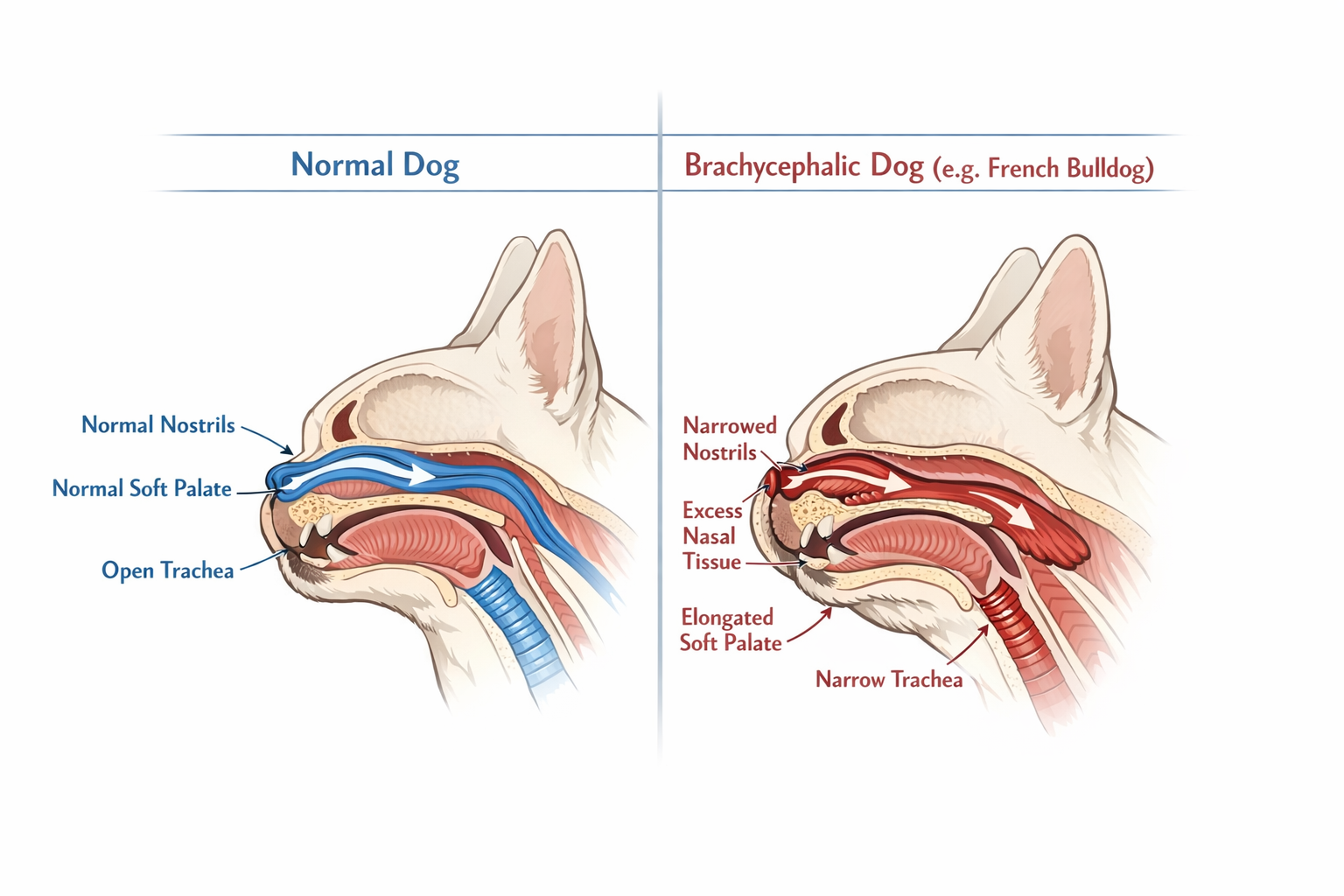
French Bulldogs belong to a group called brachycephalic breeds, characterized by their shortened skull structure and flat faces. While these features give Frenchies their distinctive, adorable appearance, they create significant anatomical challenges that directly impact breathing.
Normal vs. Brachycephalic Airways:
- Normal dogs have elongated muzzles that allow air to flow freely through spacious nasal passages
- French Bulldogs have compressed facial structures that create multiple breathing obstructions
Primary Anatomical Abnormalities
Research shows that French Bulldogs experience multiple breathing obstructions that work together to create serious respiratory challenges:
🔹 Stenotic Nares (Narrowed Nostrils)
- French Bulldogs are more than 42 times more likely to have this condition compared to other breeds
- Severely pinched nostrils restrict airflow during inhalation
- Often the most visible sign of respiratory problems
🔹 Elongated Soft Palate
- The soft tissue at the back of the throat extends too far into the airway
- Creates a “flapping” effect that obstructs breathing
- Causes characteristic snoring and breathing sounds
🔹 Narrow Trachea (Windpipe)
- The main breathing tube is often undersized relative to body weight
- Limits the amount of air that can pass to the lungs
- Cannot be corrected surgically
🔹 Excess Nasal Tissue
- Overgrown tissue inside nasal passages further restricts airflow
- Combined with already narrow passages, creates significant obstruction
🔹 Large Tongue with Excessive Fat
- Oversized tongues can block airways, especially during sleep
- Excess fat deposits around the throat area add to breathing difficulties
The Cascade Effect
These anatomical problems don’t exist in isolation. In one comprehensive study of 200 French Bulldogs, researchers found that 20% had at least one upper respiratory tract disorder, while 10.5% had disorders at multiple sites [2]. This means many Frenchies face a perfect storm of breathing challenges that compound each other’s effects.
When choosing a French Bulldog, it’s crucial to work with reputable breeders who prioritize health testing and can provide information about the respiratory health of both parents.
Common French Bulldog Breathing Problems and Symptoms
Brachycephalic Obstructive Airway Syndrome (BOAS)
BOAS represents the umbrella condition encompassing all breathing difficulties in flat-faced breeds. This syndrome affects French Bulldogs more severely than almost any other breed due to their extreme brachycephalic features.
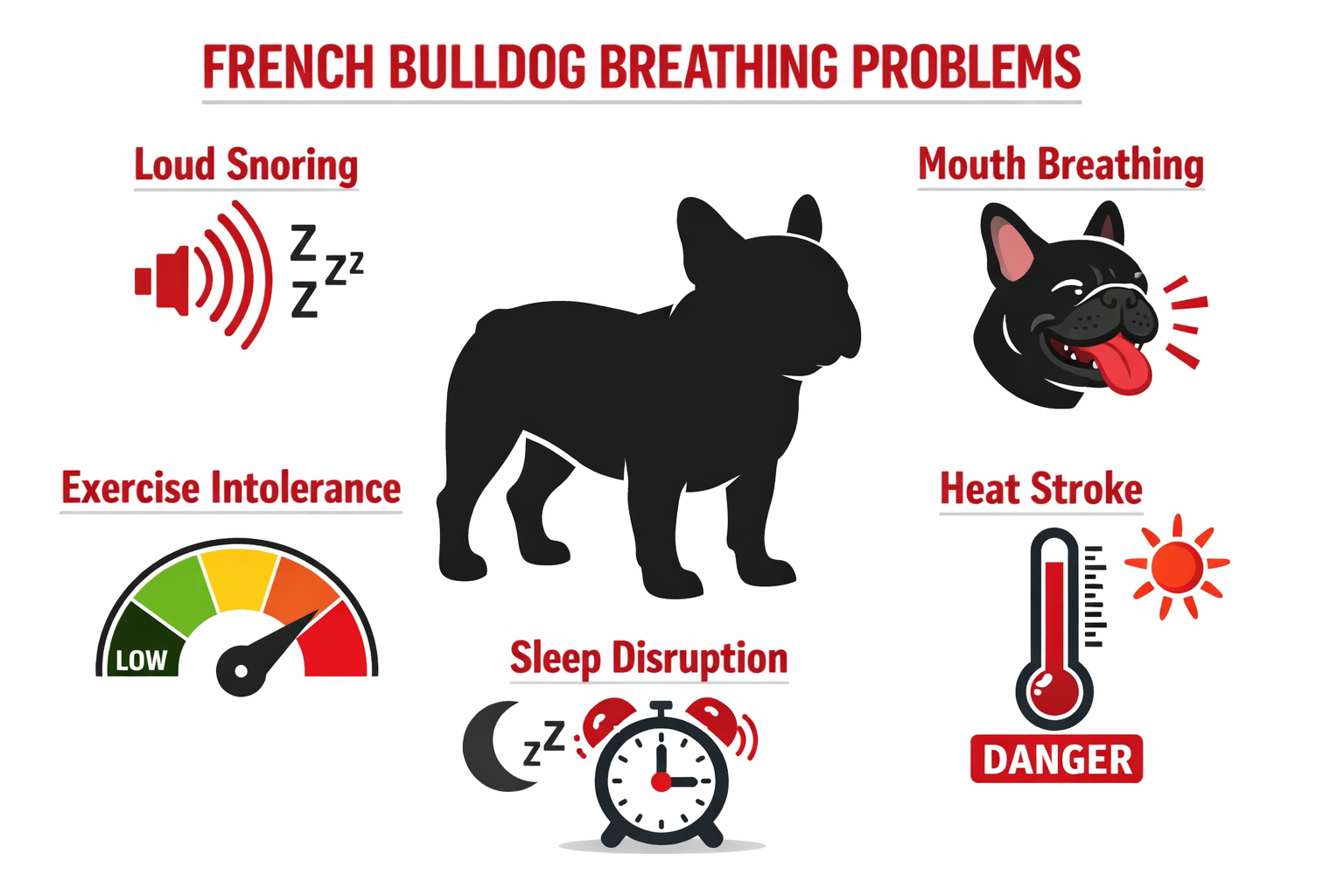
Primary Symptoms to Watch For:
🚨 Respiratory Distress Indicators:
- Loud snoring during sleep and rest
- Noisy breathing even when calm
- Mouth breathing instead of normal nasal breathing
- Rapid breathing (tachypnea) with minimal exertion
- Blue-tinged gums or tongue (cyanosis) – EMERGENCY SIGN
🚨 Exercise and Heat Intolerance:
- Inability to tolerate moderate exercise that other dogs handle easily
- Severe susceptibility to heat stroke even in mild temperatures
- Collapse or fainting during or after physical activity
- Excessive panting that doesn’t resolve with rest
🚨 Sleep and Behavioral Changes:
- Disrupted sleep patterns due to breathing difficulties
- Sleeping in unusual positions (sitting up, extended neck)
- Restlessness during sleep
- Daytime fatigue from poor sleep quality
Secondary Complications
BOAS doesn’t just affect breathing—it creates a cascade of secondary health problems that can significantly impact your Frenchie’s quality of life:
Gastrointestinal Issues:
- Dysphagia (difficulty swallowing)
- Regurgitation of food and water
- Chronic vomiting
- Acid reflux from increased abdominal pressure during breathing efforts
Cardiovascular Complications:
- Heart failure due to inadequate blood oxygenation
- Increased heart rate as the body compensates for oxygen deficiency
- Pulmonic stenosis – a congenital heart defect common in French Bulldogs with severe breathing problems
Neurological Interactions:
French Bulldogs with existing spinal issues (IVDD) face additional risks. Those with respiratory distress secondary to spinal problems can develop life-threatening acute respiratory distress syndrome, with 50% experiencing recurrent episodes.
Emergency Warning Signs
Some breathing problems in French Bulldogs can escalate quickly into life-threatening emergencies. Seek immediate veterinary care if you notice:
- Severe difficulty breathing or gasping for air
- Blue or purple gums/tongue
- Collapse or loss of consciousness
- Inability to calm down after breathing distress begins
- Excessive drooling combined with breathing difficulties
- Rigid, extended neck posture while trying to breathe
FYI: Some links may be affiliate links, which means I may earn a small commission at no extra cost to you.
🐶 Here are my go-to tools for raising a happy, healthy Frenchie—from managing breed-specific health risks to unlocking that famously “stubborn” personality with patience and understanding. These vetted partners have helped me (and thousands of Frenchie parents) save money, reduce stress, and build a joyful bond with our wrinkly companions!
If your French bulldog struggles with barking or lunging on walks, a structured training program can make a big difference. One popular option is a step-by-step reactivity training webinar that focuses on calm, force-free methods.
👉 Click here to discover how calmer, happier walks with your Frenchie can start today.
Best Pet Insurance
Frenchies face costly breed-specific risks like breathing issues, IVDD, and skin fold infections. Compare vet-trusted insurers offering guaranteed lowest rates + fastest claims—so you’re never forced to choose between your wallet and your pup’s wellbeing.
👉 Get a Free Frenchie Insurance Quote
Here is a natural probiotic formula designed to support your dog’s gut health, digestion, and immune system—from balancing beneficial bacteria to improving nutrient absorption and overall vitality. This easy-to-use blend is trusted by many dog owners looking for a simple, daily solution to help their pets feel healthier and more energetic.
👉 See How Pawbiotix Can Help Your Dog Thrive
Understanding these symptoms is crucial for any French Bulldog owner. Since Frenchies are particularly vulnerable to heat-related breathing crises, having proper products designed for French Bulldog safety can help prevent emergency situations.
The Respiratory Function Grading System
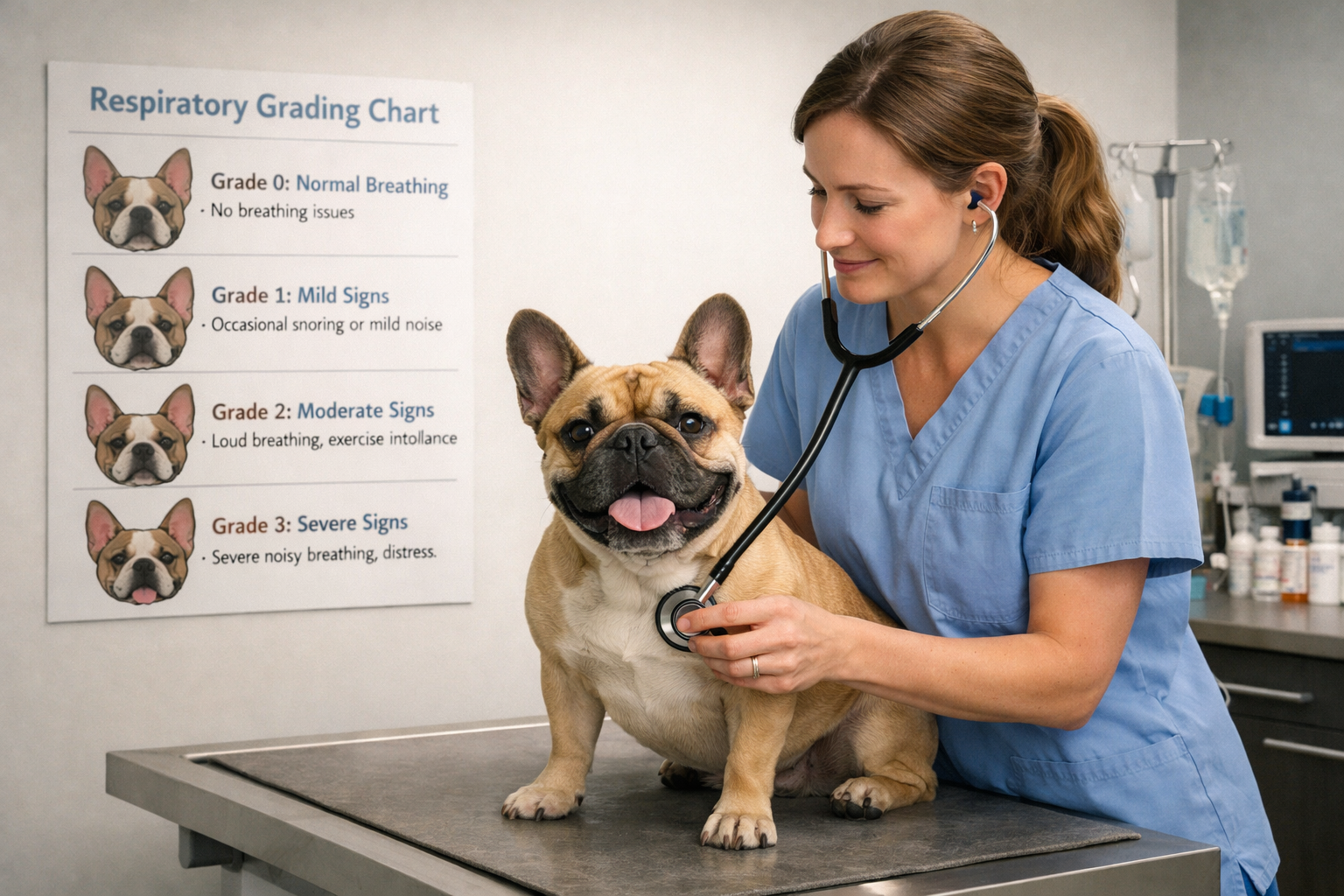
Veterinarians now use a standardized grading system developed by the University of Cambridge and Kennel Club Charitable Trust to assess BOAS severity:
Grade 0: No respiratory signs
Grade 1: Mild respiratory signs
Grade 2: Moderate respiratory signs
Grade 3: Severe respiratory signs (breeding not recommended)
This grading system helps veterinarians and owners understand the severity of breathing problems and make informed decisions about treatment and breeding.
Diagnosis and Professional Assessment
When to Seek Veterinary Care
If you suspect your French Bulldog has breathing problems, professional veterinary assessment is essential. Don’t wait for symptoms to worsen—early intervention can prevent serious complications and improve your dog’s quality of life significantly.
Schedule a veterinary consultation if you notice:
- Any of the symptoms mentioned in the previous section
- Changes in your dog’s breathing patterns
- Reduced exercise tolerance
- Sleep disturbances related to breathing
- Difficulty eating or drinking due to breathing issues
Diagnostic Process
Initial Examination:
Your veterinarian will begin with a comprehensive physical examination, paying special attention to:
- Nostril examination to assess the degree of stenosis
- Oral cavity inspection to evaluate soft palate length and tongue size
- Respiratory rate and effort assessment
- Heart and lung auscultation to detect secondary complications
- Overall body condition evaluation
Advanced Diagnostic Tools:
🔬 Respiratory Function Testing:
Many veterinary practices now use the Respiratory Function Grading Scheme to provide objective measurements of breathing difficulties. This standardized approach helps:
- Quantify the severity of BOAS
- Track progression over time
- Guide treatment decisions
- Provide breeding recommendations
🔬 Imaging Studies:
- X-rays to evaluate tracheal diameter and detect secondary changes
- CT scans for detailed airway assessment (in severe cases)
- Endoscopy to visualize internal airway structures
🔬 Specialized Testing:
- Blood gas analysis to measure oxygen and carbon dioxide levels
- Cardiac evaluation to assess heart function
- Sleep studies in specialized centers for severe cases
Risk Assessment Factors
Research has identified several factors that increase the likelihood and severity of breathing problems in French Bulldogs:
High-Risk Characteristics:
- Extremely short muzzles (less than half the cranial length)
- Severe nostril stenosis visible even to untrained eyes
- Obesity which compounds breathing difficulties
- Age-related changes that can worsen existing problems
Protective Factors:
- Maintaining ideal body weight reduces respiratory stress
- Regular veterinary monitoring allows early intervention
- Avoiding extreme temperatures prevents respiratory crises
Understanding Your Veterinarian’s Assessment
When your veterinarian evaluates your French Bulldog’s breathing problems, they’ll consider multiple factors to develop a comprehensive treatment plan. Understanding this process helps you make informed decisions about your dog’s care.
The veterinarian will assess:
- Severity of anatomical abnormalities
- Impact on daily life and exercise tolerance
- Presence of secondary complications
- Overall health status and age
- Owner’s lifestyle and care capabilities
This thorough evaluation ensures that treatment recommendations are tailored specifically to your dog’s needs and your family’s situation. Since French Bulldogs require specialized care throughout their lives, establishing a relationship with a veterinarian experienced in brachycephalic breeds is invaluable.
For new French Bulldog owners, understanding proper puppy care from the beginning can help identify breathing problems early and establish good management practices.
🐾 Top French Bulldog Resources I Trust
🐶 Here are my go-to tools for raising a happy, healthy Frenchie—from managing breed-specific health risks to unlocking that famously “stubborn” personality with patience and understanding. These vetted partners have helped me (and thousands of Frenchie parents) save money, reduce stress, and build a joyful bond with our wrinkly companions!
If your French bulldog struggles with barking or lunging on walks, a structured training program can make a big difference. One popular option is a step-by-step reactivity training webinar that focuses on calm, force-free methods.
👉 Click here to discover how calmer, happier walks with your Frenchie can start today.
Best Pet Insurance
Frenchies face costly breed-specific risks like breathing issues, IVDD, and skin fold infections. Compare vet-trusted insurers offering guaranteed lowest rates + fastest claims—so you’re never forced to choose between your wallet and your pup’s wellbeing.
👉 Get a Free Frenchie Insurance Quote
Treatment Options and Management Strategies
Non-Surgical Management
For many French Bulldogs with mild to moderate breathing problems, non-surgical management can significantly improve quality of life and prevent emergency situations.
🌟 Weight Management:
Maintaining an ideal body weight is perhaps the most important factor in managing French Bulldog breathing problems. Even a few extra pounds can dramatically worsen respiratory symptoms.
- Optimal body condition reduces stress on the respiratory system
- Regular weight monitoring helps catch problems early
- Specialized diet plans designed for brachycephalic breeds
- Controlled exercise that doesn’t overexert the respiratory system
🌟 Environmental Modifications:
- Climate control to maintain comfortable temperatures (68-72°F ideal)
- Humidity management to prevent airway irritation
- Air purification to reduce allergens and irritants
- Elevated feeding stations to reduce eating-related breathing stress
🌟 Activity Management:
Understanding your French Bulldog’s exercise needs is crucial for managing breathing problems effectively.
- Short, frequent walks instead of long exercise sessions
- Early morning or evening exercise when temperatures are cooler
- Indoor activities during hot weather
- Swimming (with supervision) as low-impact exercise
🌟 Stress Reduction:
Stress and anxiety can exacerbate breathing problems in French Bulldogs. Creating a calm environment helps reduce respiratory distress.
Surgical Treatment Options
When non-surgical management isn’t sufficient, surgical intervention can provide significant relief. However, it’s important to understand that surgery can improve symptoms but cannot cure the underlying anatomical issues.
Primary Surgical Procedures:
✂️ Stenotic Nares Correction:
- Procedure: Surgical widening of narrowed nostrils
- Success rate: High for improving airflow
- Recovery: 2-3 weeks with careful monitoring
- Best performed: In young dogs before secondary changes develop
✂️ Soft Palate Resection:
- Procedure: Shortening of the elongated soft palate
- Technique: Laser or traditional surgical methods
- Benefits: Reduces airway obstruction and snoring
- Considerations: Requires experienced surgeon familiar with brachycephalic anatomy
✂️ Laryngeal Surgery:
- Indicated for: Dogs with laryngeal collapse (advanced cases)
- Complexity: More invasive procedure with longer recovery
- Outcomes: Can be life-saving in severe cases
Post-Surgical Care and Expectations
Immediate Recovery (First 2 weeks):
- Strict rest to allow healing
- Soft food diet to prevent throat irritation
- Cool, humid environment to support breathing
- Close monitoring for complications
Long-term Management:
- Continued weight management remains crucial
- Regular follow-up appointments to assess improvement
- Lifestyle modifications still necessary
- Realistic expectations about improvement levels
Insurance and Cost Considerations
French Bulldogs face costly breed-specific risks including breathing issues, IVDD, and skin fold infections. These conditions can result in expensive emergency treatments and ongoing management costs.
💰 Typical Treatment Costs:
- Initial diagnostic workup: $500-$1,500
- Non-surgical management: $100-$300 monthly
- Surgical correction: $2,000-$6,000 depending on procedures needed
- Emergency treatment: $1,000-$5,000 for respiratory crises
Insurance Considerations:
Frenchies face costly breed-specific risks like breathing issues, IVDD, and skin fold infections. Compare vet-trusted insurers offering guaranteed lowest rates + fastest claims—so you’re never forced to choose between your wallet and your pup’s wellbeing.
👉 Get a Free Frenchie Insurance Quote
Having proper insurance coverage can provide peace of mind and ensure your French Bulldog receives necessary care without financial stress affecting treatment decisions.
Innovative Treatment Approaches
Emerging Therapies:
- Laser therapy for inflammation reduction
- Respiratory physiotherapy techniques
- Specialized breathing exercises for dogs
- Alternative cooling methods for heat management
The field of brachycephalic respiratory care continues to evolve, with new techniques and approaches being developed to improve outcomes for French Bulldogs with breathing problems.
Prevention and Long-term Care
Choosing a Healthy French Bulldog
Prevention of severe breathing problems begins before you even bring your French Bulldog home. Working with responsible breeders who prioritize respiratory health can significantly reduce the likelihood of severe breathing issues.
🔍 Breeder Selection Criteria:
When looking for French Bulldog breeders with health guarantees, prioritize those who:
- Conduct respiratory function testing on breeding dogs
- Provide health clearances for both parents
- Use the BOAS grading system to assess breeding stock
- Avoid breeding dogs with Grade 3 respiratory problems [3]
- Offer transparency about breathing issues in their lines
🔍 Puppy Evaluation:
Even young puppies can show early signs of breathing problems:
- Observe nostril size and shape during visits
- Listen for excessive breathing sounds during play
- Watch exercise tolerance compared to littermates
- Note any mouth breathing in calm situations
Daily Management Strategies
🏠 Creating an Optimal Environment:
Temperature Control:
- Maintain indoor temperatures between 68-72°F
- Use fans or air conditioning during warm weather
- Provide multiple cool, shaded rest areas
- Never leave in cars or hot environments, even briefly
Air Quality Management:
- Use air purifiers to reduce allergens and irritants
- Avoid strong perfumes, cleaners, or smoke around your dog
- Maintain appropriate humidity levels (40-50%)
- Ensure good ventilation in sleeping areas
🏠 Exercise and Activity Planning:
Safe Exercise Guidelines:
- Schedule activities during cooler parts of the day
- Start with short sessions and gradually increase duration
- Watch for early signs of distress and stop immediately
- Provide frequent water breaks and rest periods
- Choose low-impact activities like gentle walks or supervised swimming
🏠 Nutrition and Weight Management:
Proper nutrition plays a crucial role in managing French Bulldog breathing problems. Maintaining an ideal weight reduces stress on the respiratory system significantly.
Feeding Strategies:
- Use elevated food bowls to reduce strain while eating
- Feed smaller, frequent meals instead of large portions
- Choose high-quality, easily digestible foods
- Monitor caloric intake carefully to prevent weight gain
For specific nutritional guidance, consider reviewing the best diet for French Bulldog health to ensure your dog receives optimal nutrition while maintaining ideal body weight.
Seasonal Care Considerations
🌞 Summer Management:
- Limit outdoor activities during peak heat hours (10 AM – 4 PM)
- Provide cooling mats or vests for additional comfort
- Ensure constant access to fresh, cool water
- Watch for heat stroke signs and act immediately if symptoms appear
❄️ Winter Considerations:
- Protect from extreme cold which can also stress the respiratory system
- Use appropriate clothing for outdoor activities
- Maintain indoor humidity as dry air can irritate airways
- Continue regular exercise with appropriate weather precautions
Long-term Health Monitoring
📋 Regular Veterinary Care:
- Annual respiratory assessments even if no symptoms are present
- Weight checks every 6 months or more frequently if needed
- Dental care to prevent oral health issues that can affect breathing
- Cardiac monitoring as breathing problems can impact heart health
📋 Home Monitoring:
- Track breathing patterns during rest and activity
- Document any changes in exercise tolerance
- Monitor sleep quality and positions
- Keep a symptom diary to share with your veterinarian
Emergency Preparedness
Every French Bulldog owner should be prepared for potential respiratory emergencies:
🚨 Emergency Kit Essentials:
- Veterinary contact information including after-hours emergency clinics
- Cooling supplies like ice packs and towels
- Portable fan for immediate cooling
- Transportation plan for quick veterinary access
🚨 Emergency Action Plan:
- Recognize early warning signs of respiratory distress
- Move to cool environment immediately
- Apply cooling measures (wet towels, fan, ice packs to paw pads)
- Contact veterinarian or emergency clinic
- Transport safely with continued cooling measures
Quality of Life Assessment
Regular assessment of your French Bulldog’s quality of life helps ensure that management strategies are effective and that your dog is comfortable and happy.
Quality of Life Indicators:
- Appetite and eating enjoyment
- Sleep quality and duration
- Interest in activities and play
- Social interaction with family
- Mobility and exercise tolerance
- Overall comfort level
If quality of life indicators decline despite management efforts, it may be time to reassess treatment options with your veterinarian.
Conclusion
French Bulldog breathing problems represent one of the most significant health challenges facing this beloved breed, but with proper understanding, management, and care, affected dogs can live comfortable, happy lives. The key lies in early recognition, appropriate veterinary care, and consistent daily management strategies tailored to each dog’s specific needs.
As we’ve explored throughout this guide, breathing difficulties in French Bulldogs stem from their brachycephalic anatomy, which creates multiple airway obstructions that can range from mild to life-threatening. With French Bulldogs being over 42 times more likely to have narrowed nostrils compared to other breeds, and breathing problems ranking among the most prevalent diseases in the breed, every owner must be prepared to address these challenges proactively.
Your Action Plan Moving Forward:
- Assess Your Current Situation: If you already own a French Bulldog, schedule a respiratory evaluation with your veterinarian to establish a baseline and identify any existing problems.
- Implement Daily Management: Start incorporating the environmental modifications, exercise guidelines, and weight management strategies outlined in this guide.
- Prepare for Emergencies: Create an emergency action plan and assemble necessary supplies for potential respiratory crises.
- Build Your Support Network: Establish relationships with veterinary professionals experienced in brachycephalic breeds and connect with other French Bulldog owners for support and advice.
- Stay Informed: Continue learning about advances in brachycephalic respiratory care and new management strategies as they become available.
Remember that while surgical interventions can improve breathing and quality of life, they cannot cure the underlying anatomical issues. This makes prevention, early intervention, and consistent management absolutely crucial for your French Bulldog’s long-term health and happiness.
The investment in proper care, from choosing the right products designed for French Bulldogs to maintaining appropriate insurance coverage, pays dividends in your dog’s comfort and your peace of mind. French Bulldogs may require more specialized care than other breeds, but their loving, loyal nature and perfect suitability for indoor, companion-focused lifestyles make them wonderful family members when their unique needs are properly met.
By staying vigilant, working closely with qualified veterinary professionals, and implementing the strategies outlined in this guide, you can help ensure your French Bulldog enjoys the best possible quality of life despite the respiratory challenges inherent to their breed. Your Frenchie’s health and happiness depend on your commitment to understanding and managing these breathing problems effectively—and with the right approach, both you and your beloved companion can look forward to many comfortable, joyful years together.
References
[1] Frenchies No Longer A Typical Dog Rvc – https://www.vettimes.com/news/vets/small-animal-vets/frenchies-no-longer-a-typical-dog-rvc
[2] French Bulldog Brachycephalic Airway Obstruction Syndrome Baos – https://www.ufaw.org.uk/dogs/french-bulldog-brachycephalic-airway-obstruction-syndrome-baos-
[3] Scheme Launched To Improve Health Of French Bulldogs Pugs And Bulldogs – https://www.cam.ac.uk/research/news/scheme-launched-to-improve-health-of-french-bulldogs-pugs-and-bulldogs
[4] Brachycephalic Flat Faced Pets Health Problems – https://vetmed.illinois.edu/2024/03/29/brachycephalic-flat-faced-pets-health-problems/
[5] The French Bulldog Neurological Diseases And Ethical Concerns – https://hallmarq.net/us/2025/04/25/the-french-bulldog-neurological-diseases-and-ethical-concerns/
[6] Frenchies Are 1 And Veterinarians Are Concerned – https://vet.tufts.edu/news-events/news/frenchies-are-1-and-veterinarians-are-concerned
[7] Full – https://www.frontiersin.org/journals/veterinary-science/articles/10.3389/fvets.2025.1605505/full