
Common Health Issues in French Bulldog Puppies: Complete Guide
Last updated: February 20, 2026
Key Takeaways
• French Bulldog puppies face a 479% higher risk of respiratory problems compared to other breeds, with 50% developing clinically significant breathing issues
• Allergies affect 36.7% of French Bulldogs, making them the most commonly reported health problem in the breed
• These puppies are 467% more likely to develop eye problems due to their flat facial structure
• Early detection and proper veterinary care can prevent many health issues from becoming serious
• Pet insurance is especially important for French Bulldog owners due to breed-specific health risks
Quick Answer
French Bulldog puppies are prone to several serious health conditions including breathing problems (BOAS), skin allergies, eye issues, and spinal disorders. The breed faces significantly higher health risks than most dogs, with respiratory issues affecting 50% of French Bulldogs and allergies impacting over one-third of owners. Early veterinary care, proper preventive measures, and understanding warning signs can help manage these conditions effectively.
What Are the Most Common Breathing Problems in French Bulldog Puppies?
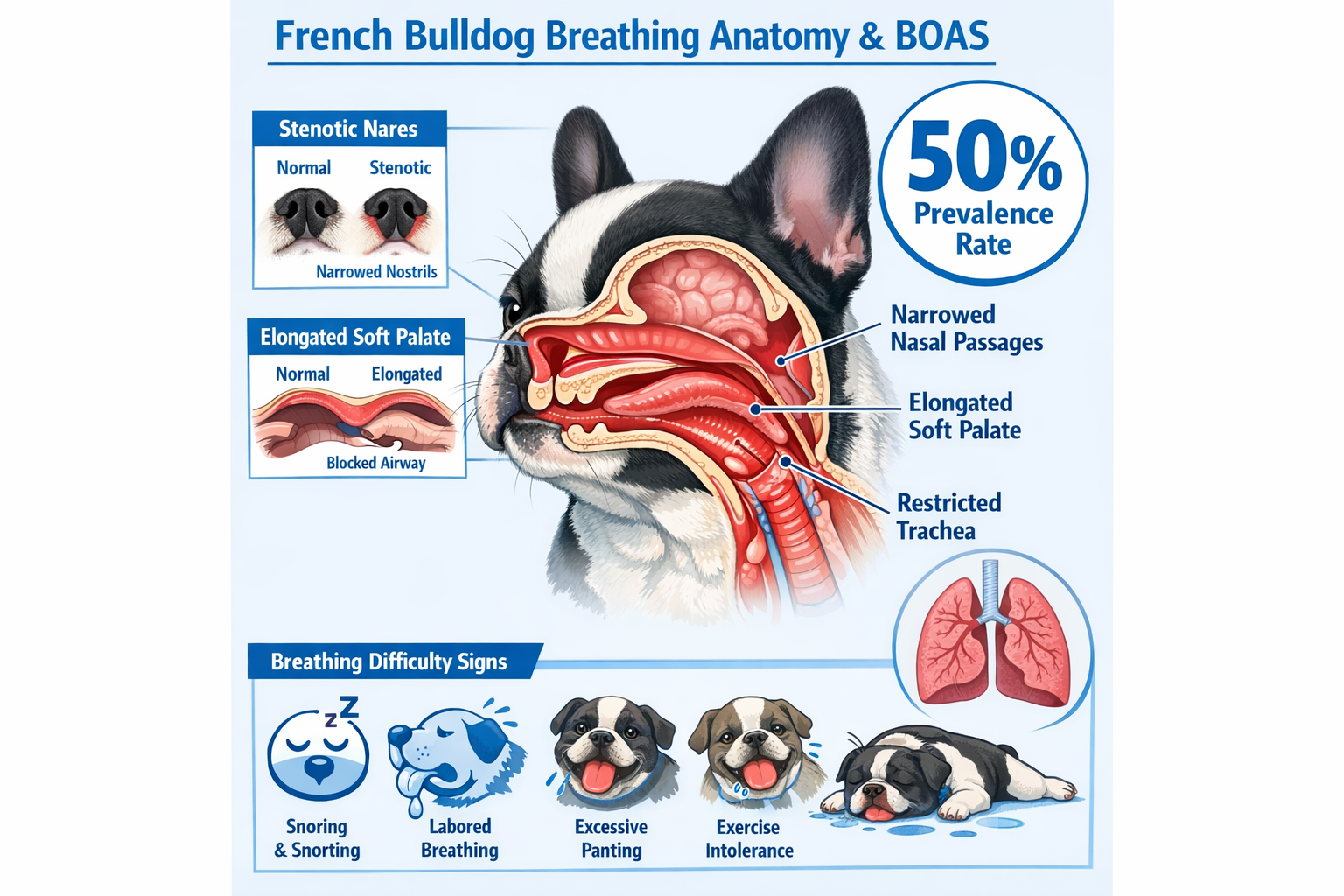
Breathing difficulties are the most serious concern for French Bulldog puppies. These dogs have a 479% higher risk of respiratory disease compared to non-brachycephalic breeds, with 50% developing clinically significant signs of Brachycephalic Obstructive Airway Syndrome (BOAS).
Primary respiratory conditions include:
• Stenotic nares – Narrowed nostrils that restrict airflow
• Elongated soft palate – Excess tissue blocking the airway
• Collapsed trachea – Weakened windpipe that flattens during breathing
• Laryngeal saccule eversion – Tissue protrusion further blocking airways
Warning signs to watch for:
• Loud snoring or wheezing, even when awake
• Difficulty breathing during mild exercise
• Blue-tinged gums or tongue
• Excessive panting or drooling
• Fainting or collapse after activity
Choose immediate veterinary care if your puppy shows blue gums, fainting, or severe breathing distress. French Bulldogs are more than 17 times more likely to have insurance claims for BOAS compared to mixed-breed dogs. Upper respiratory disorders cause death in 17% of dogs with extreme brachycephalic features.
Common mistake: Assuming loud breathing is “normal” for the breed. While some noise is expected, severe symptoms require medical attention.
How Do Skin Allergies and Conditions Affect French Bulldog Puppies?
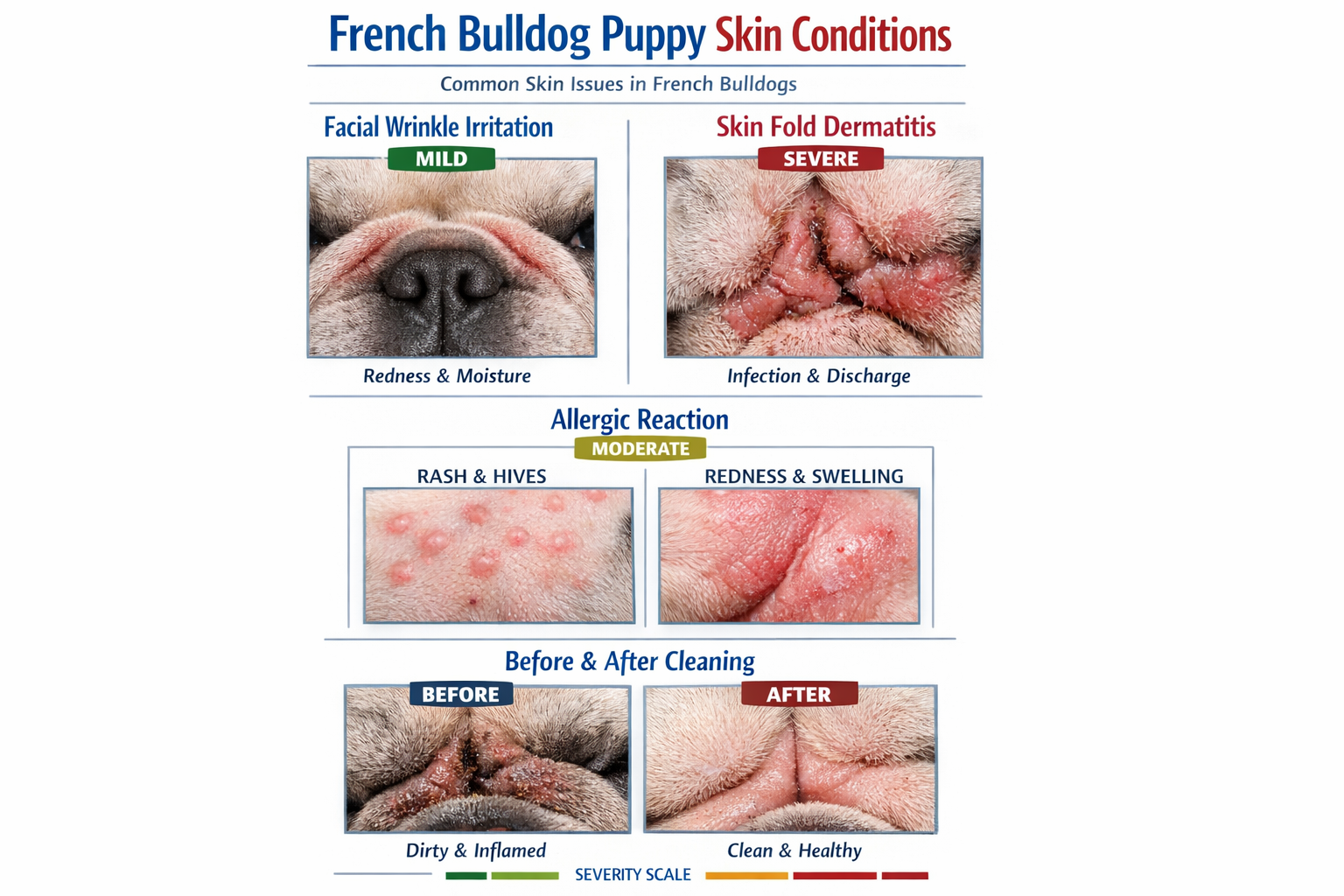
Allergies are the most commonly reported health problem, affecting 36.7% of French Bulldog owners. These puppies have a 276% higher risk of allergic reactions compared to other breeds.
Most frequent skin issues:
• Food allergies – Reactions to proteins like chicken, beef, or grains
• Environmental allergies – Pollen, dust mites, or cleaning products
• Skin fold dermatitis – Bacterial infections in facial wrinkles
• Atopic dermatitis – Chronic inflammatory skin condition
Symptoms to monitor:
• Excessive scratching or licking
• Red, inflamed skin patches
• Hair loss or hot spots
• Foul odor from skin folds
• Recurring ear infections
Prevention strategies:
• Clean facial wrinkles daily with pet-safe wipes
• Use hypoallergenic shampoos and detergents
• Maintain proper diet with limited ingredients
• Keep living areas clean and dust-free
Choose an elimination diet if you suspect food allergies – work with your vet to identify trigger ingredients. Skin fold dermatitis can become serious if left untreated, leading to painful bacterial infections.
For comprehensive guidance on maintaining your French Bulldog’s overall health, check out our complete guide to common health problems in French Bulldogs.
What Eye Problems Should French Bulldog Puppy Owners Watch For?
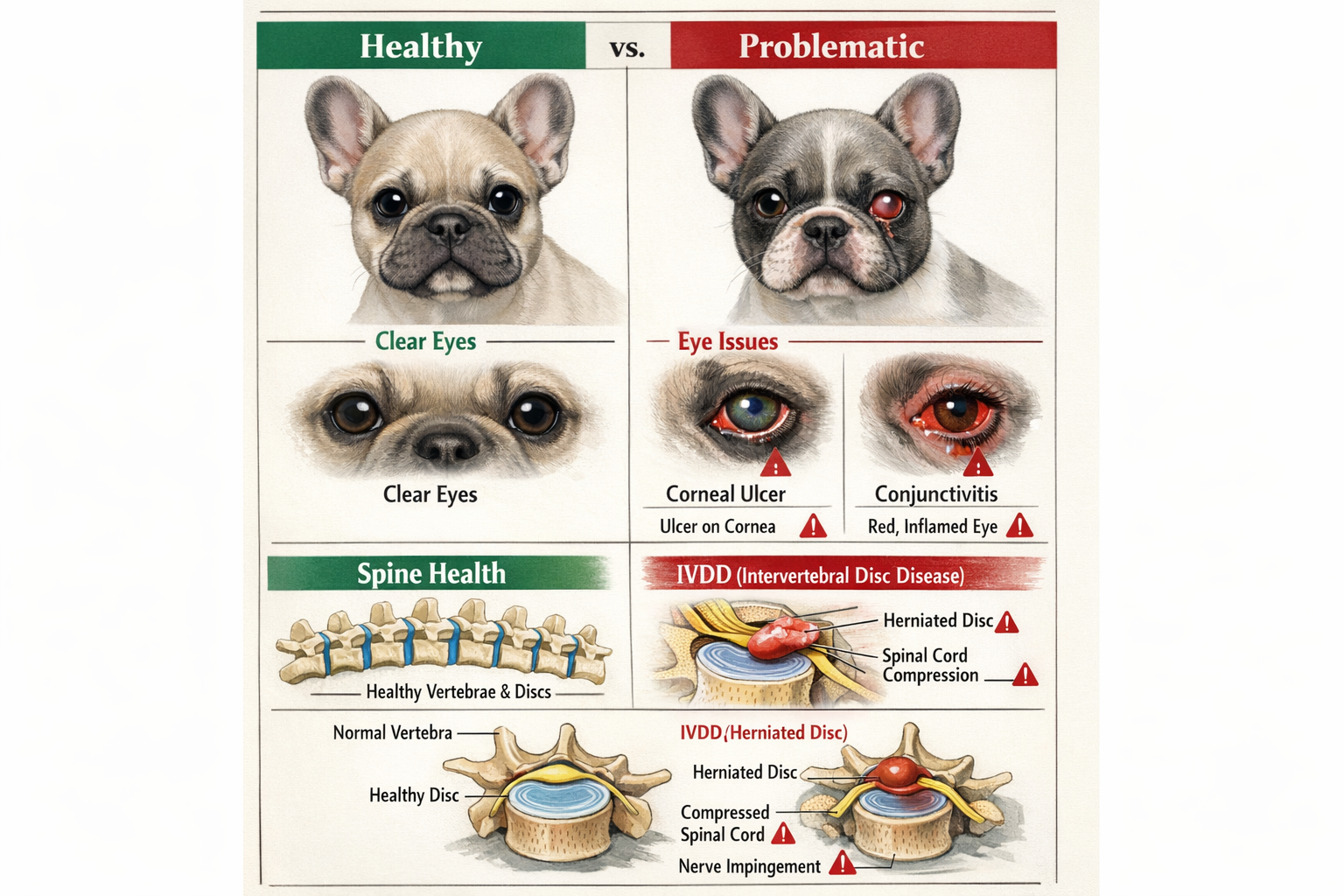
French Bulldog puppies face a 467% higher risk of eye diseases due to their flat facial structure and prominent eyes. Their shallow eye sockets provide less protection from injuries and irritants.
Common eye conditions:
• Corneal ulcers – Scratches or wounds on the eye surface
• Conjunctivitis – Inflammation of the eye lining
• Cherry eye – Prolapsed third eyelid gland
• Dry eye – Insufficient tear production
• Entropion – Eyelids rolling inward
Warning signs include:
• Excessive tearing or discharge
• Squinting or pawing at eyes
• Red, swollen eyelids
• Cloudy or blue-tinged cornea
• Visible third eyelid or red mass
Daily eye care tips:
• Gently wipe around eyes with damp cloth
• Trim hair around eyes to prevent irritation
• Avoid dusty or windy environments
• Use protective eyewear during car rides
Choose immediate veterinary attention for any eye injuries or sudden changes in appearance. Corneal ulcers can progress rapidly and cause permanent damage if untreated.
Edge case: Some French Bulldogs develop juvenile cataracts, which can appear as early as 6 months old and may require surgical intervention.
How Common Are Spinal and Joint Issues in Young French Bulldogs?
Back problems affect 19.0% of French Bulldog owners, with the breed being over 10 times more likely to develop Intervertebral Disc Disease (IVDD). This condition can cause paralysis and requires immediate medical attention.
Primary spinal concerns:
• IVDD – Herniated discs pressing on spinal cord
• Hemivertebrae – Malformed vertebrae causing spinal curvature
• Hip dysplasia – Abnormal hip joint development
• Patellar luxation – Kneecap dislocation
Early warning signs:
• Reluctance to jump or climb stairs
• Hunched back or altered gait
• Crying when picked up or touched
• Weakness in hind legs
• Loss of bladder or bowel control
Prevention measures:
• Avoid high-impact activities and jumping
• Maintain healthy weight to reduce joint stress
• Use ramps instead of stairs when possible
• Provide supportive bedding for sleep
Choose emergency veterinary care if your puppy shows sudden paralysis, loss of bladder control, or severe pain. IVDD can progress rapidly and may require surgical intervention within hours.
Common mistake: Allowing French Bulldog puppies to jump from furniture or participate in high-impact activities, which can accelerate spinal problems.
What Temperature-Related Health Risks Do French Bulldog Puppies Face?
French Bulldogs have a 533% higher risk of hyperthermia (overheating) due to their compromised breathing ability. Their shortened airways make it difficult to cool themselves effectively through panting.
Heat-related dangers:
• Heat stroke – Life-threatening overheating
• Exercise intolerance – Inability to regulate temperature during activity
• Breathing emergencies – Worsened respiratory symptoms in heat
• Dehydration – Rapid fluid loss during hot weather
Temperature management strategies:
• Exercise only during cool morning or evening hours
• Provide constant access to fresh water
• Use cooling mats or vests during warm weather
• Never leave in cars, even with windows cracked
• Monitor for excessive panting or distress
Heat stroke warning signs:
• Heavy panting with difficulty breathing
• Drooling or thick saliva
• Vomiting or diarrhea
• Weakness or collapse
• Bright red gums and tongue
Choose immediate emergency care for suspected heat stroke – cool your puppy gradually with lukewarm water while heading to the vet. Avoid ice-cold water, which can cause shock.
Decision rule: If outdoor temperature exceeds 75°F (24°C), limit exercise to 10-15 minutes and watch closely for overheating signs.
When Should You Seek Emergency Veterinary Care?
Recognizing emergency situations can save your French Bulldog puppy’s life. Due to their breed-specific health risks, certain symptoms require immediate attention.
Immediate emergency signs:
• Blue or purple gums and tongue
• Collapse or fainting
• Severe breathing distress
• Sudden paralysis or inability to walk
• Prolonged vomiting or diarrhea
• Eye injuries or sudden vision loss
Urgent care situations (within 24 hours):
• Persistent coughing or wheezing
• Loss of appetite for more than 24 hours
• Lethargy or unusual behavior changes
• Difficulty urinating or defecating
• Swollen or painful joints
Preventive care schedule:
• 8-12 weeks: First vaccinations and health screening
• 12-16 weeks: Second vaccination series
• 4-6 months: Spay/neuter consultation and eye exam
• 6-12 months: Adult health assessment and allergy testing
For guidance on identifying healthy puppies before purchase, review our 7 signs of healthy French Bulldog puppies.
FYI: Some links may be affiliate links, which means I may earn a small commission at no extra cost to you.
🐶 Here are my go-to tools for raising a happy, healthy Frenchie—from managing breed-specific health risks to unlocking that famously “stubborn” personality with patience and understanding. These vetted partners have helped me (and thousands of Frenchie parents) save money, reduce stress, and build a joyful bond with our wrinkly companions!
If your French bulldog struggles with barking or lunging on walks, a structured training program can make a big difference. One popular option is a step-by-step reactivity training webinar that focuses on calm, force-free methods.
👉 Click here to discover how calmer, happier walks with your Frenchie can start today.
Best Pet Insurance
Frenchies face costly breed-specific risks like breathing issues, IVDD, and skin fold infections. Compare vet-trusted insurers offering guaranteed lowest rates + fastest claims—so you’re never forced to choose between your wallet and your pup’s wellbeing.
👉 Get a Free Frenchie Insurance Quote
Here is a natural probiotic formula designed to support your dog’s gut health, digestion, and immune system—from balancing beneficial bacteria to improving nutrient absorption and overall vitality. This easy-to-use blend is trusted by many dog owners looking for a simple, daily solution to help their pets feel healthier and more energetic.
👉 See How Pawbiotix Can Help Your Dog Thrive
How Can Pet Insurance Help With French Bulldog Health Costs?
Given the high health risks in French Bulldogs, pet insurance becomes especially valuable for puppy owners. With breed-specific conditions often requiring expensive treatments, insurance can prevent financial stress during medical emergencies.
Insurance considerations for French Bulldogs:
• Look for coverage that includes hereditary and congenital conditions
• Ensure respiratory conditions like BOAS are covered
• Check for exclusions on pre-existing conditions
• Consider wellness plans for routine preventive care
Typical treatment costs without insurance:
• BOAS surgery: $3,000-$7,000
• IVDD treatment: $2,000-$8,000
• Allergy management: $500-$2,000 annually
• Emergency heat stroke treatment: $1,000-$3,000
Choose insurance early, ideally before any symptoms appear, as pre-existing conditions are typically excluded. Many French Bulldog owners find comprehensive coverage essential for managing breed-specific health challenges.
For detailed insurance options, explore our best pet insurance guide for French Bulldog puppies.
Helpful Training Resource for French Bulldog Puppies
If you want something structured to help your French Bulldog puppy develop better behavior and reduce stress-related health issues, this gentle training approach can be helpful. Reactive behaviors and excessive stress can worsen breathing problems and other health conditions in French Bulldogs.
👉 Discover the Calm, Reactivity-Free Training Method for Happier Walks With Your French Bulldog
This step-by-step method focuses on force-free techniques that work well with the French Bulldog’s sensitive temperament, helping create more peaceful daily routines while supporting their overall health and well-being.
Comparison: Health Screening Priorities by Age
| Age Range | Primary Health Screens | Warning Signs to Monitor | Preventive Actions |
|---|---|---|---|
| 8-12 weeks | Breathing assessment, eye exam, basic health check | Loud breathing, discharge from eyes/nose | Establish vet relationship, start vaccinations |
| 3-6 months | Spinal evaluation, allergy assessment | Scratching, mobility issues, exercise intolerance | Begin proper nutrition, limit jumping |
| 6-12 months | Adult health screening, genetic testing | Persistent symptoms, behavioral changes | Consider insurance, establish care routine |
Frequently Asked Questions
Are French Bulldog puppies born with breathing problems?
Many French Bulldogs are born with anatomical features that predispose them to breathing difficulties, but symptoms may not become apparent until they’re older or more active.
What’s the most important health test for French Bulldog puppies?
A comprehensive breathing assessment by a veterinarian familiar with brachycephalic breeds is crucial, as respiratory issues are the most serious health concern.
Can French Bulldog puppies outgrow their health problems?
Most breed-specific health issues are genetic and lifelong, but early intervention and proper management can significantly improve quality of life.
How much should I budget for French Bulldog puppy health care?
Plan for $2,000-$5,000 in the first year for routine care, with additional funds for potential breed-specific treatments.
When do French Bulldog allergies typically appear?
Allergies can develop at any age but often become noticeable between 6 months and 3 years old.
Is it safe to exercise French Bulldog puppies?
Yes, but limit exercise to short sessions during cool weather and watch closely for signs of overheating or breathing distress.
What should I feed a French Bulldog puppy with allergies?
Work with your veterinarian to identify trigger ingredients and choose a limited-ingredient diet appropriate for your puppy’s specific needs.
How often should French Bulldog puppies see a vet?
Monthly visits during the first few months for vaccinations and health monitoring, then every 6 months for ongoing breed-specific health assessments.
Can French Bulldog health problems be prevented?
While genetic conditions can’t be prevented, proper care, early intervention, and lifestyle management can minimize their impact.
What’s the life expectancy of French Bulldogs with health issues?
With proper veterinary care and management, French Bulldogs typically live 10-12 years, though severe health problems can impact longevity.
Should I avoid certain activities with my French Bulldog puppy?
Avoid high-impact activities, prolonged exercise in heat, swimming without supervision, and situations that could cause breathing distress.
How do I find a vet experienced with French Bulldog health issues?
Look for veterinarians with experience treating brachycephalic breeds or those who specialize in respiratory conditions.
Key Takeaways
• French Bulldog puppies face significantly higher health risks than most breeds, particularly for breathing problems affecting 50% of the population
• Early recognition of symptoms like breathing difficulties, skin irritation, and mobility issues can prevent serious complications
• Regular veterinary care with breed-experienced professionals is essential for managing genetic health predispositions
• Pet insurance should be considered early, before symptoms develop, due to high treatment costs for breed-specific conditions
• Temperature management and activity restrictions are crucial for preventing heat-related emergencies
• Daily preventive care including wrinkle cleaning and eye monitoring can prevent many secondary health problems
• Emergency veterinary care is needed for blue gums, collapse, severe breathing distress, or sudden paralysis
• Proper nutrition and weight management help reduce stress on joints and respiratory systems
• Understanding breed-specific risks helps owners make informed decisions about activities and lifestyle choices
• Working with experienced breeders who health test their dogs can reduce the likelihood of inherited conditions
Conclusion
Understanding the common health issues in French Bulldog puppies empowers you to provide the best possible care for your new companion. While this breed faces higher health risks than many others, early intervention, proper preventive care, and working with experienced veterinarians can help your puppy live a happy, healthy life.
The key is staying vigilant for early warning signs, especially breathing difficulties, skin problems, and mobility issues. Don’t assume that loud breathing or skin irritation is “normal” for the breed – these symptoms often indicate treatable conditions that benefit from early intervention.
Your next steps:
- Establish care with a veterinarian experienced in brachycephalic breeds
- Consider pet insurance before any symptoms develop
- Learn to recognize emergency warning signs requiring immediate care
- Implement daily preventive care routines for skin and eye health
- Create a safe environment that minimizes temperature and activity risks
For ongoing support with your French Bulldog’s health journey, bookmark our comprehensive health resources and consider connecting with other French Bulldog owners who understand the unique challenges and joys of this special breed.
Remember, while French Bulldogs require more health management than some breeds, their loving, loyal nature and adaptability to apartment living make them wonderful companions for the right owners who are prepared for their specific needs.
References
[1] French Bulldogs 1 Dog Breed In America At Higher Risk Of Health Concerns – https://www.gradyvet.com/blog/french-bulldogs-1-dog-breed-in-america-at-higher-risk-of-health-concerns/
[2] Pug And French Bulldog Health – https://www.humaneworld.org/en/resources/pug-and-french-bulldog-health
[4] Full – https://www.frontiersin.org/journals/veterinary-science/articles/10.3389/fvets.2025.1605505/full
[7] French Bulldogs Short Nosed Breed Families Need To Know – https://news.nationwide.com/french-bulldogs-short-nosed-breed-families-need-to-know/
[9] French Bulldog Health Problems 2026 – https://www.pawvortex.com/blogs/dog-care/french-bulldog-health-problems-2026