
Best Treats for Training French Bulldogs: Your Complete Guide
Picture this: You’re trying to teach your adorable French Bulldog to sit, but instead of focusing on your commands, they’re more interested in that fascinating dust bunny under the couch. Sound familiar? The secret to capturing your Frenchie’s attention and achieving training success lies in one simple tool that every dog owner should master—the right training treats. Finding the best treats for training French Bulldogs can transform your training sessions from frustrating battles of will into enjoyable bonding experiences that both you and your four-legged companion will actually look forward to.
Key Takeaways
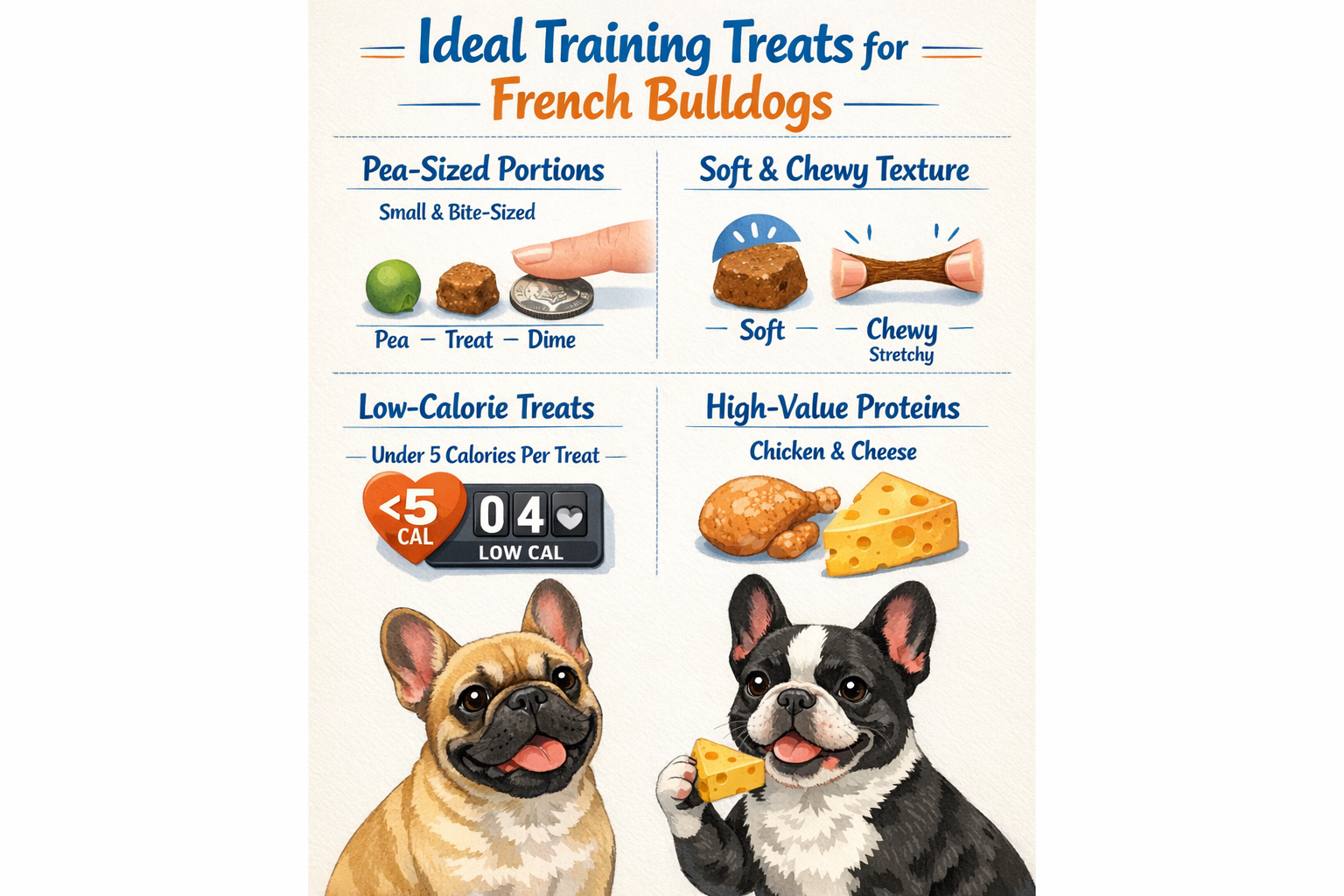
• Size matters: Training treats should be pea-sized regardless of your Frenchie’s size to maintain focus and prevent overfeeding during frequent reward sessions
• Keep calories in check: Training treats should represent no more than 10% of your dog’s daily caloric intake, with ideal treats containing 4-5 calories or less per piece
• Soft and chewy wins: Choose treats with a soft texture that can be consumed quickly without disrupting training flow or causing choking hazards
• High-value proteins work best: Chicken, liver, cheese, and other premium proteins create the motivation needed for effective French Bulldog training
• Variety prevents boredom: Rotating between different treat types and flavors keeps your Frenchie engaged and excited about learning new commands
Understanding French Bulldog Training Needs
French Bulldogs bring a unique set of characteristics to the training table that make treat selection particularly important. These compact, people-focused companions are known for their food motivation, which makes them excellent candidates for positive reinforcement training methods.
Why Frenchies Respond Well to Treat-Based Training
Unlike some breeds that are primarily driven by play or praise, French Bulldogs typically show strong food motivation. This trait, combined with their desire to please their humans, makes treat-based training highly effective. However, their brachycephalic (flat-faced) structure means they need treats that are easy to chew and swallow quickly.
The key to successful French Bulldog training lies in understanding their attention span and energy levels. These dogs prefer shorter, more frequent training sessions rather than lengthy marathon sessions. This training style requires treats that can be dispensed quickly and consumed without lengthy chewing breaks.
Special Considerations for French Bulldogs
French Bulldogs face several breed-specific considerations that impact treat selection:
Breathing concerns: Their shortened airways mean treats must be appropriately sized to prevent choking or breathing difficulties during training sessions.
Weight management: Frenchies are prone to weight gain, making low-calorie options essential for maintaining healthy body weight during frequent training sessions.
Food sensitivities: Many French Bulldogs develop food allergies or sensitivities, requiring careful ingredient selection and sometimes limited ingredient treats.
For comprehensive guidance on training fundamentals, check out our detailed French Bulldog training tips for beginners guide.
Essential Characteristics of the Best Treats for Training French Bulldogs
Size and Texture Requirements
The golden rule for training treats is simple: pea-sized portions work for all dogs, regardless of their actual size. This principle becomes even more critical with French Bulldogs due to their compact size and potential breathing concerns.
Soft, chewy textures prove optimal for training sessions because they can be consumed quickly without disrupting the training flow. Hard treats that require extensive chewing break the momentum of training sessions and can frustrate both dog and owner.
Here’s what to look for in treat texture:
• Easily breakable: You should be able to break treats into smaller pieces if needed
• Quick to chew: No more than 2-3 seconds of chewing time
• Moist consistency: Prevents choking and aids in quick consumption
• Non-crumbly: Reduces mess during indoor training sessions
Calorie Consciousness for Frequent Rewards
Training treats should comprise no more than 10% of your dog’s daily caloric intake. This guideline becomes challenging during intensive training sessions where you might reward your Frenchie dozens of times per session.
Bocce’s Bakery treats offer just 4 calories per treat, making them an excellent example of appropriately portioned training rewards[1]. When selecting treats, look for options that provide:
| Treat Size | Ideal Calorie Count | Daily Training Limit* |
|---|---|---|
| Pea-sized | 2-4 calories | 15-20 treats |
| Small cube | 4-6 calories | 10-15 treats |
| Soft chew | 6-8 calories | 8-12 treats |
*Based on average 25-pound French Bulldog with 600-calorie daily intake
High-Value Protein Sources
Human-grade proteins consistently rank as the most effective training motivators for French Bulldogs. These high-value options include:
Chicken liver: Often considered the “gold standard” of training treats due to its strong aroma and irresistible taste
Cooked chicken breast: Lean, easily digestible, and can be prepared fresh at home
Cheese cubes: High in protein and fat, making them extremely motivating (use sparingly)
Hot dogs: Cut into small pieces, these provide intense flavor that captures attention
The key is finding proteins that your specific Frenchie finds irresistible while maintaining nutritional balance.
Commercial vs. Homemade Training Treats
Top Commercial Options for French Bulldogs
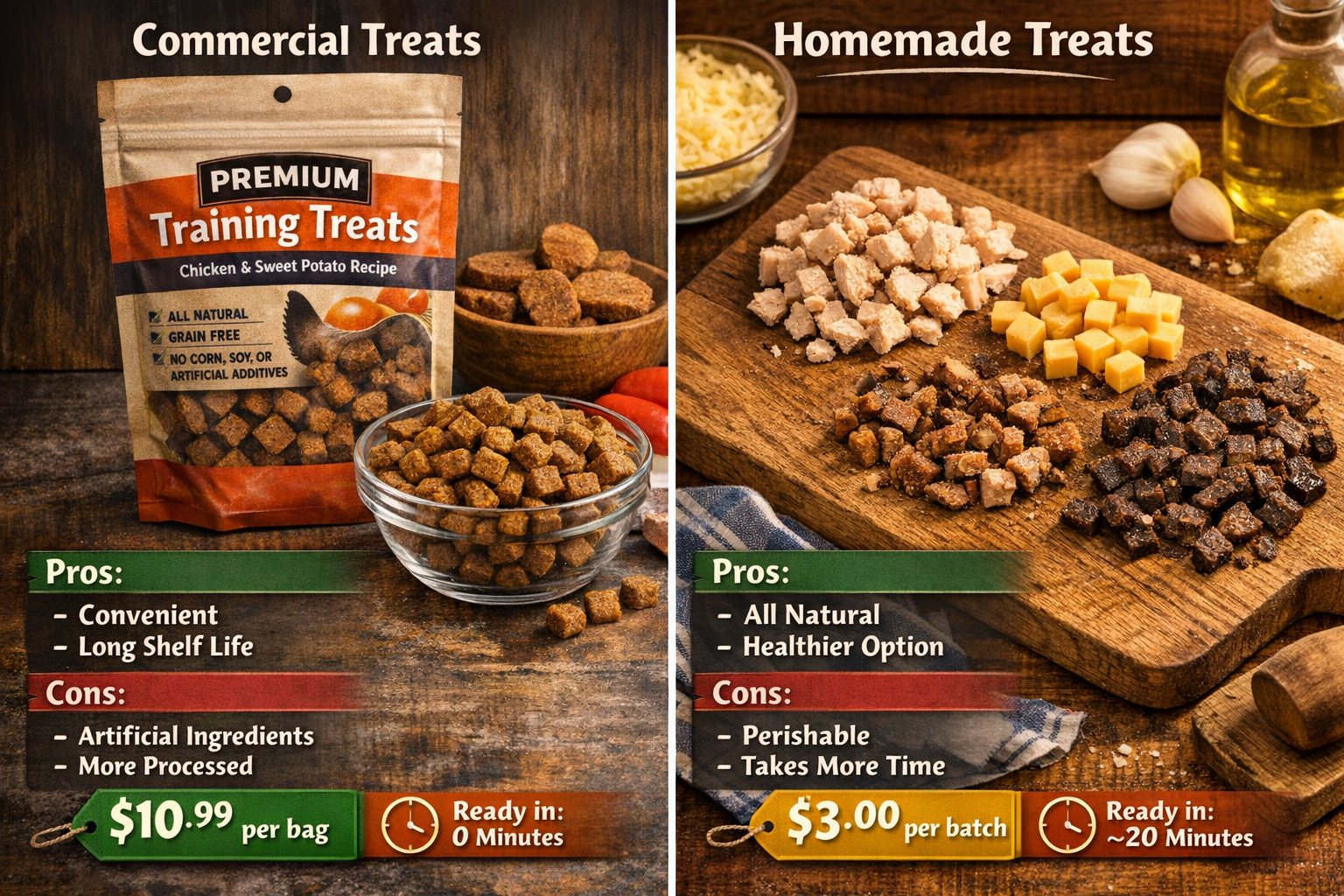
When shopping for commercial training treats, prioritize brands that avoid artificial additives and preservatives such as BHA, BHT, and Ethoxyquin. These chemicals can cause digestive upset and long-term health concerns.
Recommended commercial treat characteristics:
✅ 100% natural ingredients
✅ Single protein source (for dogs with sensitivities)
✅ Grain-free options (if your Frenchie has grain allergies)
✅ Made in USA (for quality control standards)
✅ Soft, chewy texture
Organic training treats eliminate GMOs and artificial sugars, making them particularly beneficial for French Bulldogs with food sensitivities[4]. Look for certifications from reputable organizations when selecting organic options.
For a comprehensive breakdown of treat options, visit our complete guide to the best dog treats for French Bulldogs.
DIY Training Treat Recipes
Creating homemade training treats allows complete control over ingredients and portion sizes. Here are three Frenchie-approved recipes that are simple to make and store:
Simple Chicken Training Bites
- 1 pound boneless, skinless chicken breast
- Boil for 15-20 minutes until fully cooked
- Cool and dice into pea-sized pieces
- Store in refrigerator for up to 5 days
Liver Training Treats
- 1/2 pound chicken or beef liver
- Bake at 350°F for 15 minutes
- Cool and cut into small cubes
- Freeze portions for longer storage
Cheese and Sweet Potato Bites
- 1 cup cooked, mashed sweet potato
- 1/4 cup shredded cheese
- Mix and form small balls
- Dehydrate or bake until firm
Storage and Safety Tips
Proper storage ensures treat freshness and prevents spoilage:
🔸 Refrigerate homemade treats within 2 hours of preparation
🔸 Use airtight containers to maintain freshness
🔸 Label with preparation dates and use within recommended timeframes
🔸 Freeze portions for longer storage (up to 3 months)
🔸 Check for spoilage before each training session
Training Implementation Strategies
Treat Timing and Frequency
Immediate reward timing proves crucial for effective French Bulldog training. The treat should reach your dog within 1-2 seconds of the desired behavior to create clear associations between action and reward.
FYI: Some links may be affiliate links, which means I may earn a small commission at no extra cost to you.
During training sessions, many owners struggle with timing and consistency. If you want something structured to help improve your training approach, this gentle training solution focuses on building better focus and reducing reactivity during training sessions, which can be particularly helpful for Frenchies who get easily distracted.
Session Structure and Treat Distribution
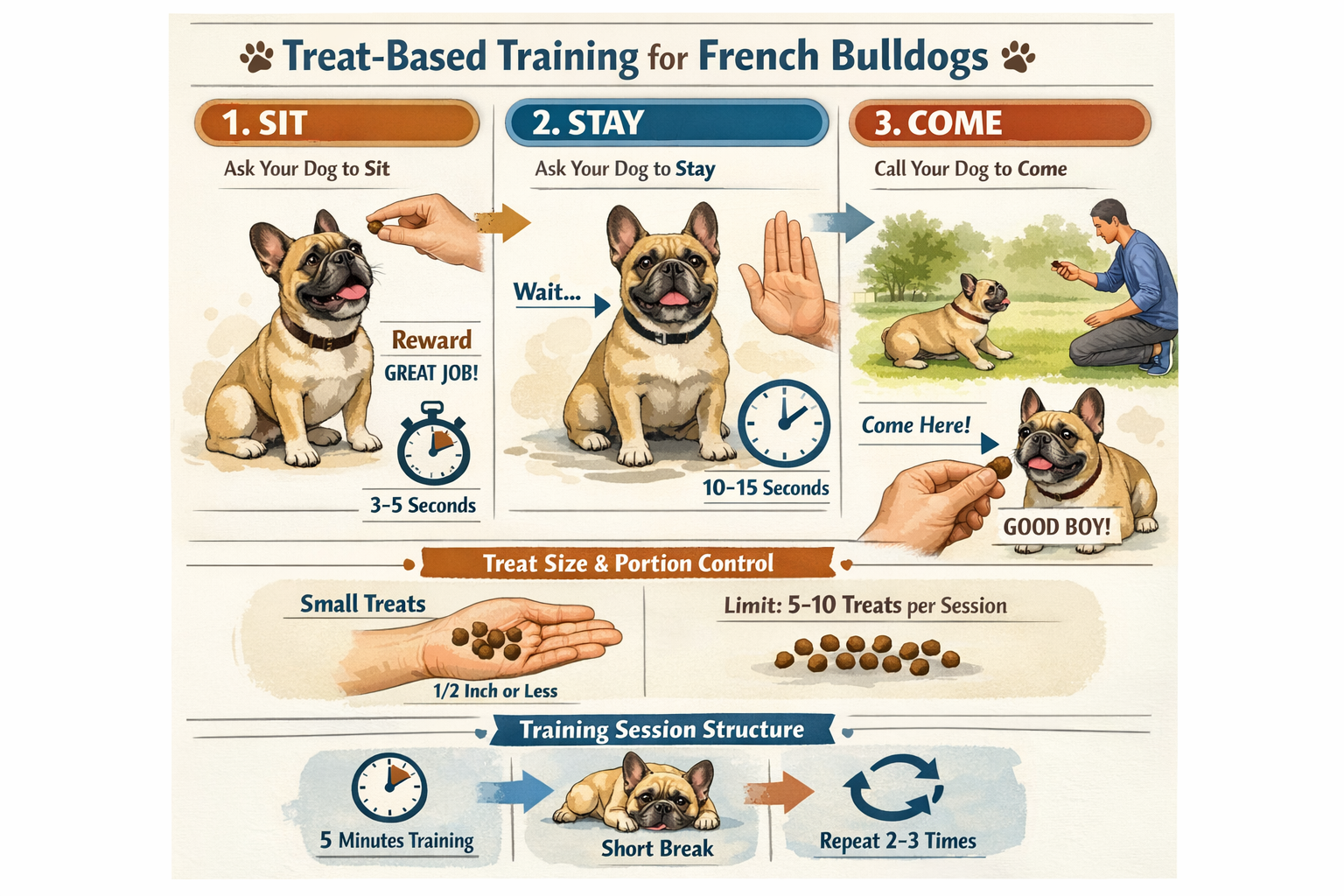
Effective training sessions for French Bulldogs should follow this structure:
5-minute warm-up: Use high-value treats to capture attention and review known commands
10-15 minutes active training: Introduce new concepts with frequent small rewards
5-minute cool-down: Practice easy commands with praise and final treat rewards
Treat distribution guidelines:
- Reward every successful attempt during initial learning phases
- Gradually reduce treat frequency as commands become reliable
- Always end sessions on a positive note with a jackpot reward (3-5 treats)
Preventing Treat Dependency
While treats are excellent training tools, avoiding treat dependency ensures your Frenchie responds to commands even without food rewards:
Gradual fading process:
- Week 1-2: Treat every correct response
- Week 3-4: Treat every other correct response
- Week 5-6: Treat randomly (intermittent reinforcement)
- Ongoing: Occasional treats mixed with praise and affection
Variety prevents treat fatigue and maintains engagement throughout the training process. Rotate between different proteins, textures, and even non-food rewards like brief play sessions.
For specific training challenges, explore our guides on potty training and leash training for French Bulldogs.
Health and Safety Considerations
Ingredient Awareness for Sensitive Stomachs
French Bulldogs frequently develop food sensitivities that require careful treat selection. Common problematic ingredients include:
❌ Artificial colors and dyes
❌ Corn, wheat, and soy fillers
❌ Chemical preservatives (BHA, BHT, Ethoxyquin)
❌ Excessive salt or sugar
❌ Garlic and onion powders
Signs of food sensitivity during training:
- Excessive drooling or panting
- Digestive upset within 2-4 hours
- Skin irritation or scratching
- Changes in energy levels
If your Frenchie shows sensitivity signs, switch to limited ingredient treats with single protein sources and minimal additives.
Weight Management During Training
Calorie tracking becomes essential during intensive training periods. A typical 25-pound French Bulldog requires approximately 600-700 calories daily, meaning training treats should not exceed 60-70 calories per day.
Weight management strategies:
🔹 Reduce meal portions on heavy training days
🔹 Use tiny treat pieces (smaller than recommended if necessary)
🔹 Substitute regular kibble as low-value training rewards
🔹 Monitor body condition weekly during training programs
For comprehensive nutrition guidance, review our best diet recommendations for French Bulldog health.
Choking Prevention
French Bulldogs’ brachycephalic anatomy increases choking risks, making treat size and texture critical safety factors:
Safe treat characteristics:
✅ Soft enough to break apart easily
✅ No small, hard pieces that could lodge in airways
✅ Appropriate moisture content to aid swallowing
✅ Quick dissolution if accidentally inhaled
Emergency preparedness: Learn the Heimlich maneuver for dogs and keep your veterinarian’s emergency contact readily available during training sessions.
Troubleshooting Common Training Treat Challenges
When Your Frenchie Becomes Picky
French Bulldogs can develop treat preferences that make training challenging. If your dog suddenly loses interest in previously loved treats:
Rotation strategy: Keep 3-4 different treat types available and rotate daily to maintain novelty
Temperature variation: Warm treats slightly to enhance aroma and appeal
Texture mixing: Combine soft and slightly crunchy textures for sensory variety
Fresh preparation: Make small batches of homemade treats more frequently
Managing Multiple Dog Households
Training in multi-dog environments requires special treat considerations:
- Use individual training sessions to prevent competition and resource guarding
- Ensure equal treat distribution to avoid jealousy and behavioral issues
- Select quiet treats that don’t create excessive noise or excitement
- Implement separate training spaces when working on complex commands
Addressing Treat Refusal
Sometimes French Bulldogs refuse treats due to:
Stress or anxiety: Create calmer training environments with fewer distractions
Overfeeding: Ensure your dog is appropriately hungry before training sessions
Health issues: Consult your veterinarian if treat refusal persists
Environmental factors: Check room temperature, noise levels, and other pets’ presence
Advanced Training Applications
Specialized Training Scenarios
Different training goals require customized treat approaches:
Puppy socialization: Use extremely high-value treats (cheese, liver) to create positive associations with new experiences. Learn more in our complete puppy training guide.
Behavior modification: For addressing issues like excessive barking or jumping, use jackpot rewards (multiple treats) for significant improvements.
Advanced commands: Complex tricks require premium treats that maintain motivation through longer training sessions.
Seasonal Treat Adjustments
Summer considerations: Choose treats that won’t spoil quickly in heat and provide hydration benefits
Winter training: Slightly increase treat calories to support energy needs during colder months
Holiday periods: Account for increased human food exposure and adjust treat calories accordingly
Helpful Training Resource
If you’re looking for a comprehensive approach to creating calmer, more focused training sessions with your French Bulldog, this structured training method offers practical techniques for reducing distractions and building better focus during training. Many Frenchie owners find it particularly helpful for dogs who struggle with attention or reactivity during training sessions.
Additionally, protecting your Frenchie’s health during their training journey is important. These trusted pet insurance options can help cover unexpected veterinary costs related to training injuries or breed-specific health concerns, giving you peace of mind as you work on building a well-trained, happy companion.
Conclusion
Selecting the best treats for training French Bulldogs requires balancing motivation, health, and practicality. Remember that pea-sized, soft, low-calorie treats with high-value proteins form the foundation of successful training programs. Whether you choose commercial options or create homemade alternatives, prioritize your Frenchie’s individual needs, preferences, and any food sensitivities.
Your next steps:
- Assess your current treats against the criteria outlined in this guide
- Experiment with 2-3 different options to find your Frenchie’s favorites
- Implement proper portion control and calorie tracking
- Start with short, positive training sessions using your selected treats
- Monitor your dog’s response and adjust accordingly
Remember that consistency and patience matter more than perfect treat selection. The best training treat is one that motivates your specific French Bulldog while supporting their overall health and well-being. Start implementing these strategies today, and you’ll soon discover how the right treats can transform your training sessions into enjoyable bonding experiences that strengthen your relationship with your beloved Frenchie.
For ongoing support and additional resources, explore our comprehensive collection of French Bulldog care guides to ensure your training success continues long-term.
References
[1] Dog Training Treats – https://www.kinship.com/dog-nutrition/dog-training-treats
[2] French Bulldog Frenchie – https://rubyloo.co/blogs/news/french-bulldog-frenchie
[3] Best Dog Treats – https://www.petmd.com/dog/vet-verified/best-dog-treats
[4] Best Organic Dog Treats – https://petjope.com/blogs/dog-weight/best-organic-dog-treats
[5] The Best Dog Training Treats – https://fourleafrover.com/blogs/natural-health/the-best-dog-training-treats
[6] Good Training Treats For Dogs – https://www.darwinspet.com/blogs/resources/good-training-treats-for-dogs