
Best Dog Food for French Bulldogs: Complete 2026 Nutrition Guide

Picture this: your adorable French Bulldog stares up at you with those signature bat ears and soulful eyes, but something’s not quite right. Maybe they’re dealing with digestive issues, skin problems, or breathing difficulties that seem to worsen after meals. The truth is, finding the best dog food for French Bulldogs isn’t just about picking any premium brand off the shelf—it’s about understanding the unique nutritional needs of this beloved breed that has captured the hearts of city dwellers and busy professionals worldwide.
French Bulldogs aren’t just another small breed; they’re a special companion with specific dietary requirements that directly impact their health, happiness, and quality of life. From their notorious breathing challenges to their sensitive stomachs, every meal matters when it comes to supporting their well-being.
Key Takeaways
• French Bulldogs require specialized nutrition due to their flat faces, sensitive digestion, and tendency toward weight gain
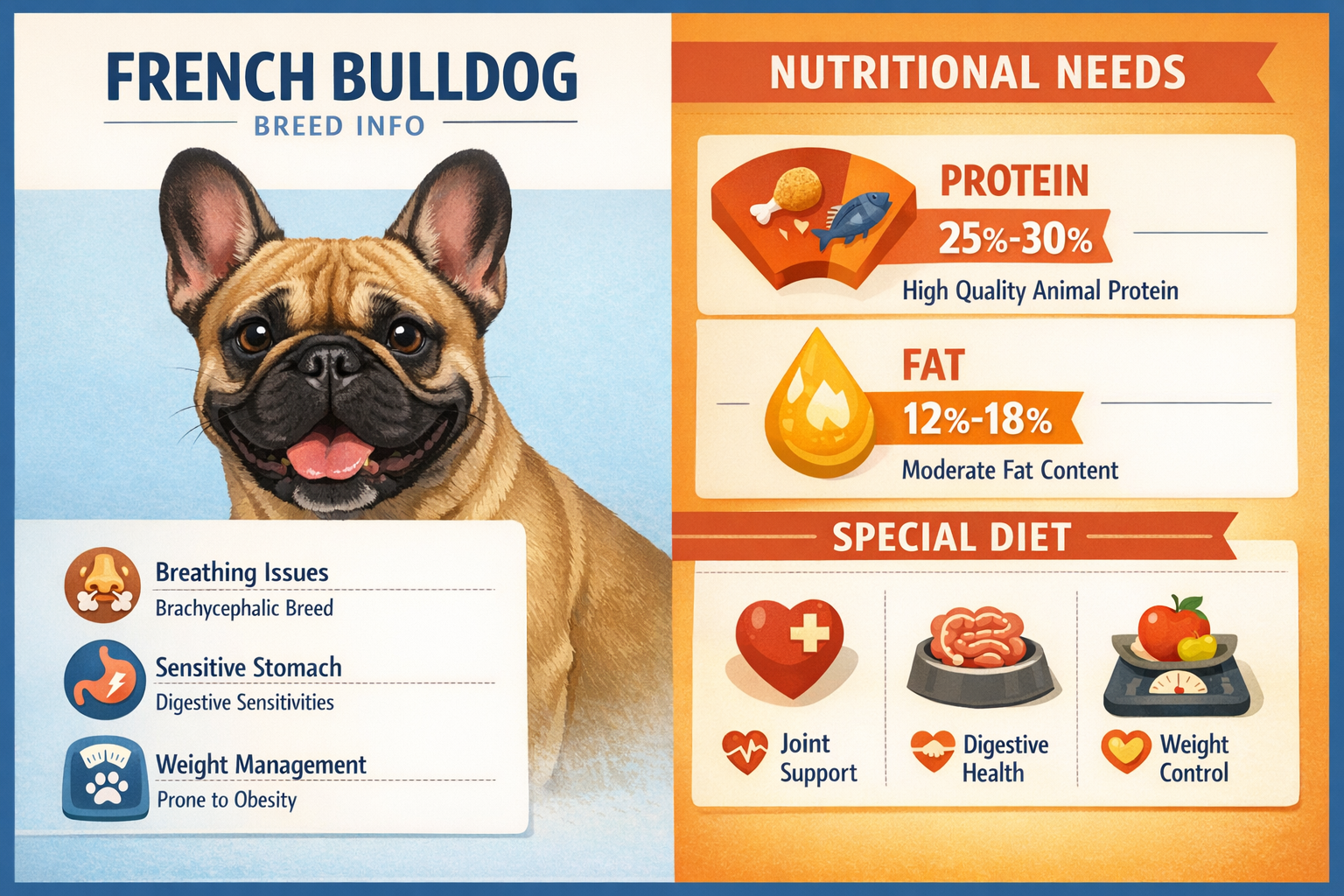
• High-quality protein (22-25%) and moderate fat content (12-16%) form the foundation of optimal Frenchie nutrition
• Small kibble size and easily digestible ingredients are essential for preventing choking and digestive upset
• Grain-free or limited ingredient formulas often work best for French Bulldogs with food sensitivities
• Proper portion control and feeding schedule are crucial for maintaining healthy weight and preventing bloat
Understanding French Bulldog Nutritional Needs
The Unique Physiology of French Bulldogs
French Bulldogs possess distinctive physical characteristics that directly influence their dietary requirements. Their brachycephalic (flat-faced) structure affects not only their breathing but also how they eat and digest food. Unlike longer-snouted breeds, Frenchies often gulp their food quickly, leading to increased risk of choking, bloating, and digestive discomfort.
These compact companions typically weigh between 20-28 pounds, making them prone to rapid weight gain if their caloric intake isn’t carefully monitored. Their relatively sedentary lifestyle—perfect for apartment living—means they require fewer calories per pound than more active breeds.
Essential Nutritional Components
Protein Requirements 🥩
French Bulldogs thrive on high-quality protein sources that support their muscle maintenance and overall health. Look for foods containing:
- 22-25% protein content for adult dogs
- 28-30% protein for puppies
- Named meat sources (chicken, lamb, salmon, beef) as the first ingredient
- Avoid generic “meat meals” or by-products
Fat Content Balance 🥑
Moderate fat levels help maintain energy without promoting excessive weight gain:
- 12-16% fat content for most adult French Bulldogs
- Higher fat content (16-20%) may be appropriate for very active dogs
- Omega-3 and Omega-6 fatty acids for skin and coat health
Carbohydrate Considerations 🌾
French Bulldogs often benefit from:
- Limited, easily digestible carbohydrates
- Sweet potatoes, brown rice, or peas instead of corn or wheat
- Grain-free options for dogs with sensitivities
Top Ingredients to Look for in the Best Dog Food for French Bulldogs
Premium Protein Sources
The foundation of any excellent French Bulldog diet starts with high-quality, named protein sources. These provide the amino acids necessary for muscle development, immune function, and overall vitality.
Ideal Protein Options:
- Deboned chicken or turkey – Lean, easily digestible, and widely available
- Salmon or fish meal – Rich in Omega-3 fatty acids for skin and coat health
- Lamb – Excellent for dogs with chicken sensitivities
- Duck – Novel protein source for dogs with multiple food allergies
Digestive Support Ingredients
French Bulldogs’ sensitive stomachs benefit tremendously from foods containing digestive aids:
Probiotics and Prebiotics 🦠
- Lactobacillus acidophilus
- Bifidobacterium animalis
- Chicory root extract
- Dried fermentation products
Fiber Sources for Digestive Health
- Pumpkin (natural source of fiber and beta-carotene)
- Sweet potatoes (gentle, nutritious carbohydrate)
- Beet pulp (moderate amounts for digestive regularity)
Joint and Mobility Support
Despite their small size, French Bulldogs can develop joint issues, especially as they age. Look for foods enriched with:
- Glucosamine and Chondroitin – Support cartilage health
- MSM (Methylsulfonylmethane) – Natural anti-inflammatory properties
- Fish oil – Reduces inflammation and supports joint mobility
Ingredients to Avoid in French Bulldog Food
Common Allergens and Irritants
Grain-Related Issues ⚠️
Many French Bulldogs develop sensitivities to common grains:
- Wheat and wheat gluten
- Corn and corn syrup
- Soy and soy derivatives
- Generic “grain” listings without specification
Artificial Additives
- BHA, BHT, and ethoxyquin (chemical preservatives)
- Artificial colors (Red 40, Blue 2, Yellow 5)
- Artificial flavors and sweeteners
- Propylene glycol
Low-Quality Protein Sources
Avoid foods containing:
- Generic “meat meal” or “poultry meal” without species identification
- By-products (feet, beaks, organs of unknown quality)
- Meat and bone meal (often from rendering plants)
- Excessive plant proteins (corn gluten meal, soy protein concentrate)
Best Dog Food for French Bulldogs: Top Brand Recommendations
Premium Dry Food Options
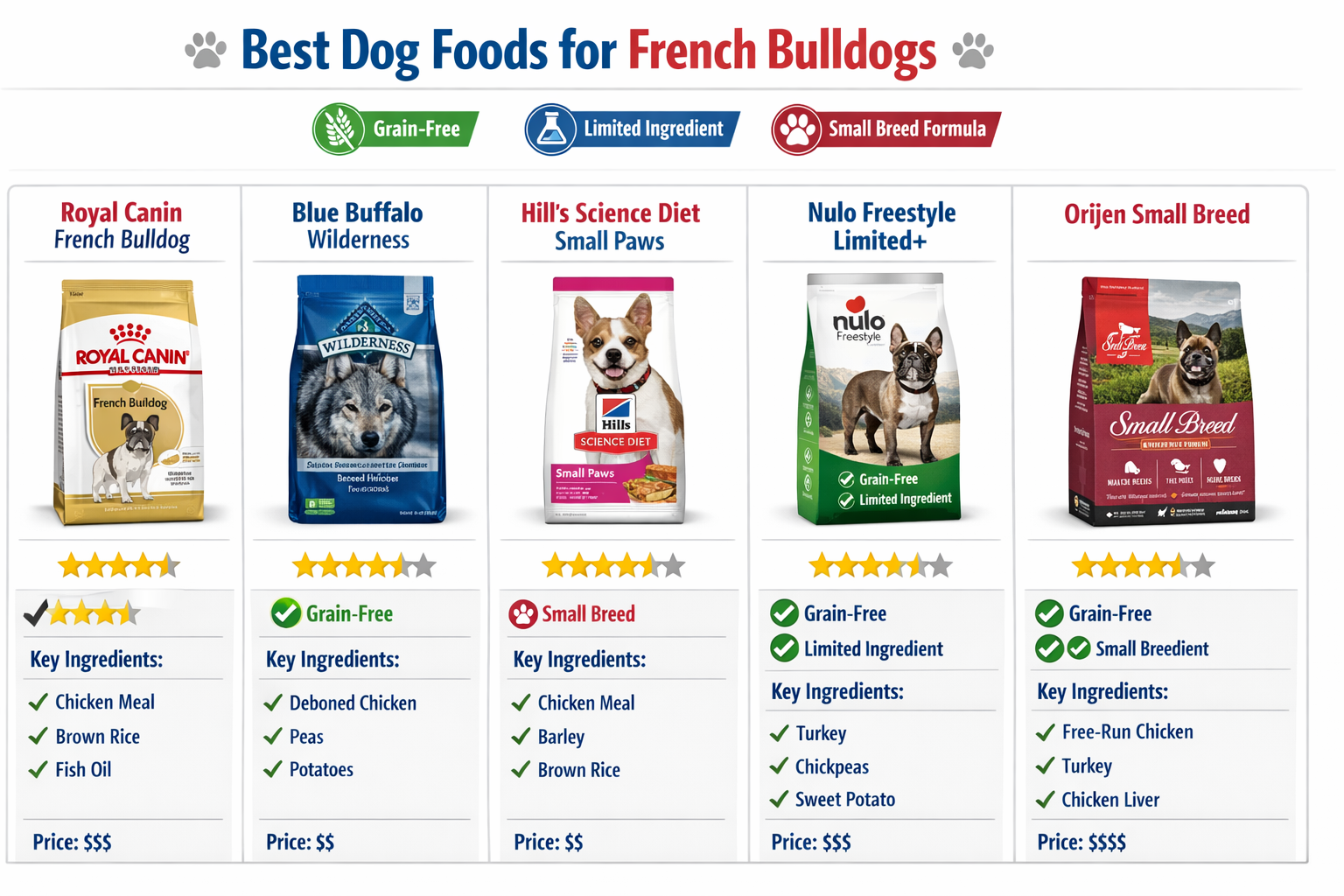
1. Royal Canin French Bulldog Adult
- Specifically formulated for French Bulldogs
- Exclusive kibble shape designed for brachycephalic breeds
- Digestive health support with prebiotics
- Skin and coat support with EPA and DHA
- Price range: $65-85 for 17 lb bag
2. Hill’s Science Diet Small & Toy Breed
- High-quality chicken as the first ingredient
- Small kibble size perfect for French Bulldog mouths
- Balanced nutrition with vitamins and minerals
- Digestible ingredients for sensitive stomachs
- Price range: $45-60 for 15.5 lb bag
3. Blue Buffalo Life Protection Small Breed
- Real chicken and whole grains
- LifeSource Bits with antioxidants
- No chicken by-products or artificial preservatives
- Smaller kibble size for easy chewing
- Price range: $50-70 for 15 lb bag
Grain-Free Options
- Grain-free formula with turkey and chicken
- High protein content (36% minimum)
- Probiotics for digestive health
- Antioxidants for immune support
- Price range: $55-75 for 12 lb bag
2. Merrick Lil’ Plates Small Breed
- Deboned chicken as the first ingredient
- Grain-free with sweet potatoes
- Glucosamine and chondroitin for joint health
- Small kibble size for tiny mouths
- Price range: $60-80 for 12 lb bag
Limited Ingredient Diets
For French Bulldogs with food sensitivities:
1. Hill’s Prescription Diet i/d
- Veterinarian-recommended for digestive issues
- Highly digestible ingredients
- Prebiotic fiber for gut health
- Clinically proven nutrition
- Price range: $70-90 for 17.6 lb bag
2. Blue Buffalo Basics Limited Ingredient
- Single animal protein source
- Limited carbohydrate sources
- No chicken, beef, corn, wheat, soy, or dairy
- Omega fatty acids for skin health
- Price range: $55-75 for 11 lb bag
Feeding Guidelines and Best Practices
Age-Specific Feeding Recommendations
Puppy Feeding (8 weeks – 12 months) 🐕
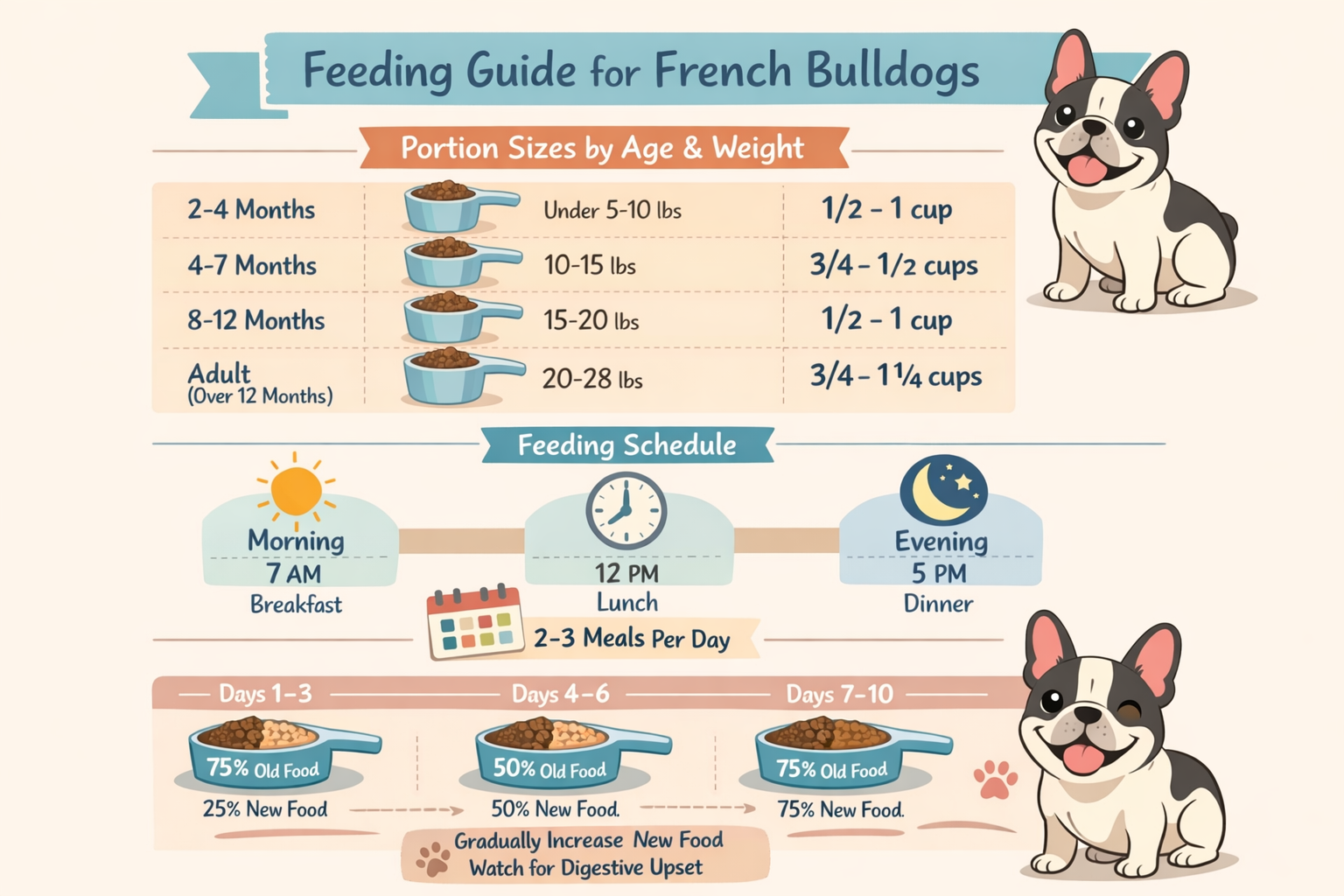
- 3-4 meals per day to prevent hypoglycemia
- Puppy-specific formula with higher protein and fat
- Free feeding discouraged to prevent overeating
- Gradual transition from breeder’s food over 7-10 days
Adult Feeding (1-7 years)
- 2 meals per day spaced 8-12 hours apart
- Measured portions based on weight and activity level
- Consistent feeding times to establish routine
- Monitor body condition and adjust portions accordingly
Senior Feeding (7+ years) 👴
- Senior formula with joint support ingredients
- Easily digestible proteins and carbohydrates
- Smaller, more frequent meals if needed
- Regular weight monitoring as metabolism slows
Portion Control Guidelines
| Weight Range | Daily Food Amount | Calories per Day |
|---|---|---|
| 16-20 lbs | 1 – 1.25 cups | 400-500 calories |
| 21-25 lbs | 1.25 – 1.5 cups | 500-600 calories |
| 26-28 lbs | 1.5 – 1.75 cups | 600-700 calories |
Important Notes:
- Adjust portions based on activity level and body condition
- Treats should not exceed 10% of daily caloric intake
- Fresh water should always be available
Feeding Schedule Best Practices
Morning Feeding (7:00-8:00 AM)
- Serve after morning walk or light activity
- Allow 30 minutes for eating before removing bowl
- Monitor eating pace to prevent gulping
Evening Feeding (5:00-6:00 PM)
- Feed at least 2-3 hours before bedtime
- Avoid feeding immediately after exercise
- Consider puzzle feeders to slow eating
Special Dietary Considerations for French Bulldogs
Managing Food Allergies and Sensitivities
French Bulldogs are particularly prone to food allergies and intolerances. Common allergens include:
- Chicken (most common protein allergy)
- Beef and lamb
- Dairy products
- Wheat and corn
- Eggs
Signs of Food Allergies: 🚨
- Chronic ear infections
- Skin itching and hot spots
- Digestive upset (diarrhea, vomiting)
- Excessive licking of paws
- Red, inflamed skin
Elimination Diet Protocol:
- Choose a novel protein (duck, venison, fish) your dog hasn’t eaten
- Feed only the elimination diet for 8-12 weeks
- No treats, table scraps, or flavored medications
- Gradually reintroduce suspected allergens one at a time
- Work with your veterinarian throughout the process
Weight Management Strategies
French Bulldogs’ love of food combined with their lower exercise needs makes weight management crucial. Obesity can exacerbate breathing problems and joint issues.
Signs of Overweight French Bulldogs:
- Difficulty feeling ribs under a thin layer of fat
- No visible waist when viewed from above
- Increased breathing difficulty
- Reduced activity and playfulness
- Difficulty with stairs or jumping
Weight Management Tips: ⚖️
- Measure food precisely using a kitchen scale
- Use low-calorie treats like carrots or green beans
- Increase exercise gradually with short, frequent walks
- Consider weight management formulas with higher fiber
- Regular weigh-ins at home or veterinary clinic
Addressing Digestive Sensitivities
Many French Bulldogs suffer from sensitive stomachs, requiring special dietary considerations:
Digestive-Friendly Feeding Strategies:
- Smaller, more frequent meals (3-4 times daily)
- Elevated feeding bowls to reduce air intake
- Slow-feeder bowls to prevent gulping
- Consistent meal times to regulate digestion
- Probiotics supplements as recommended by veterinarian
Foods That Support Digestive Health:
- Pumpkin (plain, not pie filling) – Natural source of fiber
- Bone broth (low sodium) – Soothing and nutritious
- Cooked white rice – Bland, easily digestible carbohydrate
- Boiled chicken (no skin or bones) – Gentle protein source
Transitioning to New Food Safely
The 7-Day Transition Method
Never switch your French Bulldog’s food abruptly. Their sensitive digestive systems require gradual transitions to prevent upset stomach, diarrhea, and food aversion.
Day 1-2: 75% old food + 25% new food
Day 3-4: 50% old food + 50% new food
Day 5-6: 25% old food + 75% new food
Day 7: 100% new food
Monitoring During Transition
Watch for these positive signs during food transition:
- ✅ Normal, formed stools
- ✅ Maintained appetite and enthusiasm for meals
- ✅ No vomiting or excessive gas
- ✅ Normal energy levels
- ✅ No skin irritation or itching
Red flags that may indicate the new food isn’t suitable:
- 🚩 Loose stools or diarrhea lasting more than 2 days
- 🚩 Vomiting or loss of appetite
- 🚩 Excessive gas or bloating
- 🚩 New skin irritations or increased scratching
- 🚩 Lethargy or behavioral changes
Homemade vs. Commercial Food Options
Benefits of Commercial Dog Food
Convenience and Consistency 🏪
- Nutritionally balanced formulations by pet nutrition experts
- Quality control and safety testing
- Consistent nutrient levels batch to batch
- Longer shelf life and easy storage
- Veterinary oversight in premium brands
Cost-Effectiveness
- Bulk purchasing options reduce per-meal costs
- No ingredient sourcing or preparation time required
- Standardized portions help control feeding costs
Homemade Diet Considerations
While some French Bulldog owners prefer homemade diets, they require careful planning and veterinary guidance.
Potential Benefits:
- Complete ingredient control for dogs with multiple allergies
- Fresh, whole food ingredients
- Customization for specific health needs
- No preservatives or artificial additives
Significant Challenges: ⚠️
- Nutritional balancing requires expertise
- Time-intensive preparation and planning
- Higher costs for quality ingredients
- Risk of nutritional deficiencies without proper formulation
- Food safety concerns with raw ingredients
Expert Tip: If considering a homemade diet, consult with a veterinary nutritionist to ensure your French Bulldog receives complete and balanced nutrition. Many well-intentioned homemade diets lack essential nutrients or contain inappropriate ratios.
Treats and Supplements for French Bulldogs
Healthy Treat Options
Training Treats (Low-Calorie Options):
- Freeze-dried liver – High value, small pieces
- Dehydrated sweet potato – Natural and nutritious
- Small pieces of cooked chicken – Protein-rich reward
- Blueberries – Antioxidant-rich, low-calorie option
Dental Health Treats:
- Dental chews specifically sized for small breeds
- Raw carrots – Natural teeth cleaning action
- Frozen Kong toys stuffed with appropriate foods
- Bully sticks (supervised use only)
Beneficial Supplements
Digestive Support 💊
- Probiotics – Support gut health and immune function
- Digestive enzymes – Aid in nutrient absorption
- Pumpkin powder – Natural fiber source
- Bone broth powder – Gentle nutrition boost
Joint and Mobility
- Fish oil – Omega-3 fatty acids for inflammation reduction
- Glucosamine/Chondroitin – Cartilage support
- Turmeric – Natural anti-inflammatory (with veterinary approval)
Skin and Coat Health
- Coconut oil – Medium-chain fatty acids (small amounts)
- Vitamin E – Antioxidant support
- Biotin – Supports healthy coat growth
Common Feeding Mistakes to Avoid
Overfeeding and Free-Feeding
The Problem: French Bulldogs have excellent appetites but lower exercise requirements, making them prone to rapid weight gain.
Solutions:
- Measure food precisely using measuring cups or kitchen scales
- Establish set meal times rather than leaving food out all day
- Account for treats in daily caloric intake
- Regular body condition assessments to adjust portions
Feeding Human Food
Dangerous Foods for French Bulldogs: 🚫
- Chocolate – Toxic to dogs, can cause seizures
- Grapes and raisins – Can cause kidney failure
- Onions and garlic – Damage red blood cells
- Xylitol (artificial sweetener) – Causes dangerous blood sugar drops
- Avocado – Contains persin, toxic to dogs
- Cooked bones – Can splinter and cause internal damage
Ignoring Individual Needs
Every French Bulldog is unique, and their nutritional needs may vary based on:
- Age and life stage
- Activity level and metabolism
- Health conditions (allergies, sensitivities, medical issues)
- Body condition and weight management needs
- Environmental factors (climate, stress levels)
When to Consult Your Veterinarian
Regular Nutritional Check-ups
Annual wellness exams should include nutritional assessments:
- Body condition scoring and weight evaluation
- Dietary history review and feeding recommendations
- Blood work to assess nutritional status
- Discussion of any digestive issues or food sensitivities
Signs That Warrant Immediate Veterinary Attention
Digestive Emergencies: 🚨
- Persistent vomiting (more than 24 hours)
- Bloody diarrhea or black, tarry stools
- Signs of bloat (distended abdomen, unsuccessful attempts to vomit)
- Complete loss of appetite for more than 24 hours
- Extreme lethargy or weakness
Chronic Issues Requiring Professional Guidance:
- Recurring digestive upset despite dietary changes
- Chronic skin problems or excessive itching
- Unexplained weight loss or gain
- Changes in eating behavior or food preferences
- Suspected food allergies requiring elimination diets
Conclusion
Choosing the best dog food for French Bulldogs requires understanding their unique nutritional needs, from their sensitive digestive systems to their tendency toward weight gain. The ideal diet features high-quality proteins, moderate fat content, easily digestible ingredients, and appropriate kibble size for their distinctive facial structure.
Remember that the best dog food for French Bulldogs isn’t necessarily the most expensive option—it’s the one that keeps your individual dog healthy, happy, and thriving. Whether you choose a breed-specific formula, grain-free option, or limited ingredient diet, the key is consistent monitoring and adjustment based on your dog’s response.
Your next steps:
- Evaluate your current feeding routine and identify areas for improvement
- Consult with your veterinarian about your French Bulldog’s specific nutritional needs
- Research and compare the recommended food options that fit your budget and your dog’s requirements
- Plan a gradual transition if switching foods, monitoring your dog’s response carefully
- Establish a consistent feeding schedule with proper portion control
By investing in quality nutrition tailored to your French Bulldog’s needs, you’re setting the foundation for a long, healthy, and happy life together. Your furry companion’s improved digestion, maintained weight, and vibrant energy will be the best reward for your thoughtful food choices.
Affiliate Disclosure
At Frenchie Insight, we believe in honesty, transparency, and recommending only products we truly love and use. Some of the links on this site may be affiliate links, which means that if you click through and make a purchase, we may earn a small commission — at no additional cost to you.