

Last updated: February 23, 2026
French Bulldogs are beloved companions, but their unique physiology and temperament require special care considerations. Avoiding these eight critical mistakes can prevent serious health issues, behavioral problems, and emergency vet visits that could cost thousands of dollars.
Key Takeaways
• Never expose French Bulldogs to excessive heat – their flat faces make temperature regulation extremely difficult
• Avoid intense exercise or prolonged activity – brachycephalic breathing issues limit their physical capacity
• Don’t neglect facial wrinkle cleaning – bacteria buildup leads to painful infections
• Never skip regular dental care – Frenchies are prone to severe dental problems without proper maintenance
• Avoid overfeeding and weight gain – obesity worsens breathing difficulties and joint stress
• Don’t use harsh bathing products – their sensitive skin requires gentle, hypoallergenic care
• Never ignore ear cleaning routines – weekly maintenance prevents costly ear infections
• Avoid leaving them alone for extended periods – separation anxiety can trigger destructive behaviors
Quick Answer
The 8 things you should never do to a French Bulldog include exposing them to heat, intense exercise, neglecting wrinkle care, skipping dental hygiene, overfeeding, using harsh grooming products, ignoring ear maintenance, and leaving them alone too long. These mistakes can lead to serious health complications, behavioral issues, and expensive veterinary bills that proper care easily prevents.
What Makes French Bulldogs Different from Other Breeds?
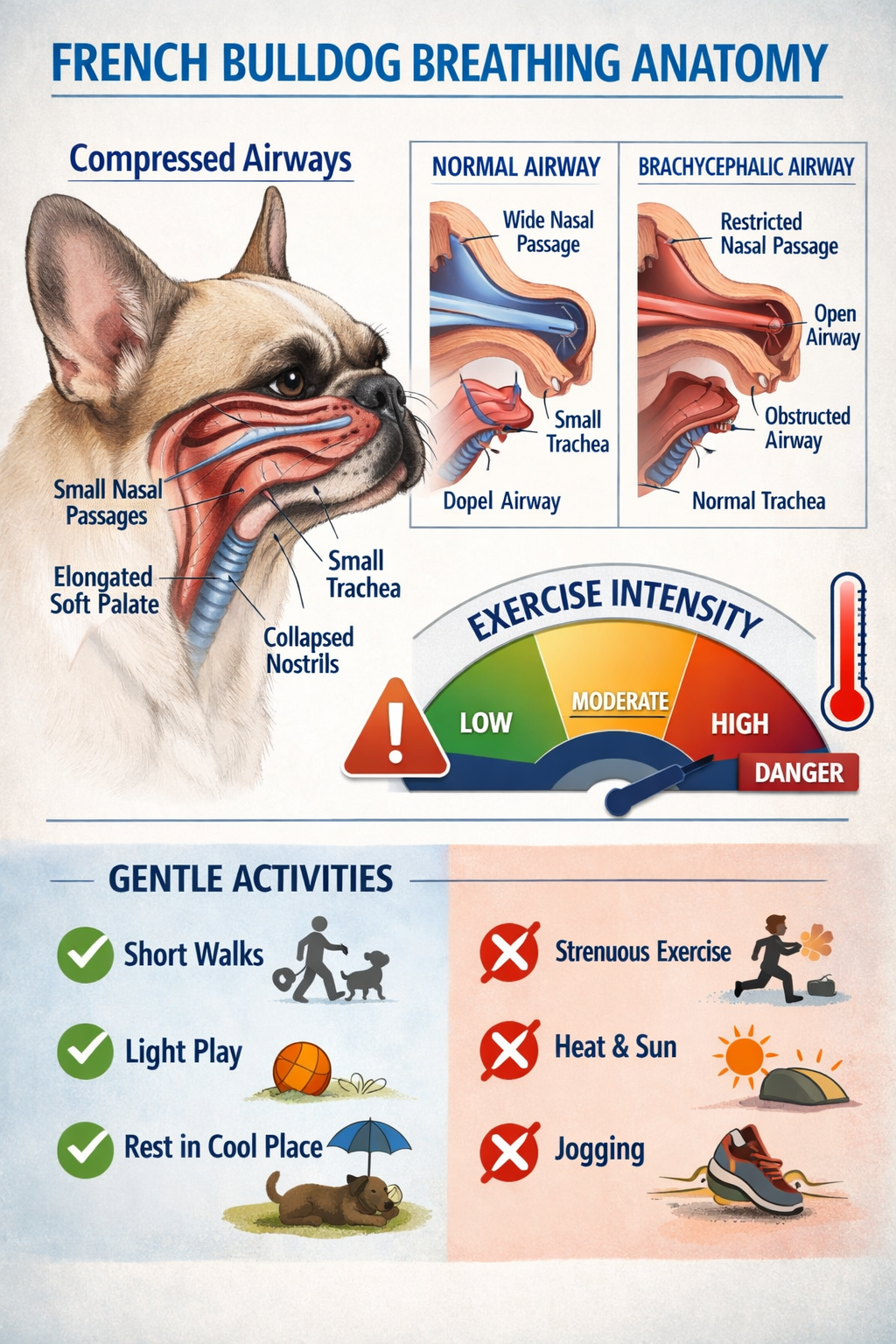
French Bulldogs have unique anatomical features that create specific vulnerabilities other dog breeds don’t face. Their brachycephalic (flat-faced) structure compresses their airways, making breathing more difficult than normal dogs. This affects everything from exercise tolerance to temperature regulation.
Their compact facial structure also creates deep skin folds that trap moisture and bacteria. Unlike breeds with longer snouts, Frenchies can’t effectively cool themselves through panting, making them extremely heat-sensitive.
Key physical differences include:
• Compressed nasal passages and shortened airways
• Deep facial wrinkles requiring special maintenance
• Compact body structure prone to spinal issues
• Large, prominent eyes vulnerable to injury
• Sensitive skin that reacts to harsh products
Choose gentle care methods if you want to avoid the health complications that affect up to 60% of French Bulldogs due to improper care practices.
For new owners, understanding these breed-specific needs is crucial. Check out our complete guide for first-time French Bulldog owners to learn more about what makes these dogs special.
Never Expose Your French Bulldog to Excessive Heat
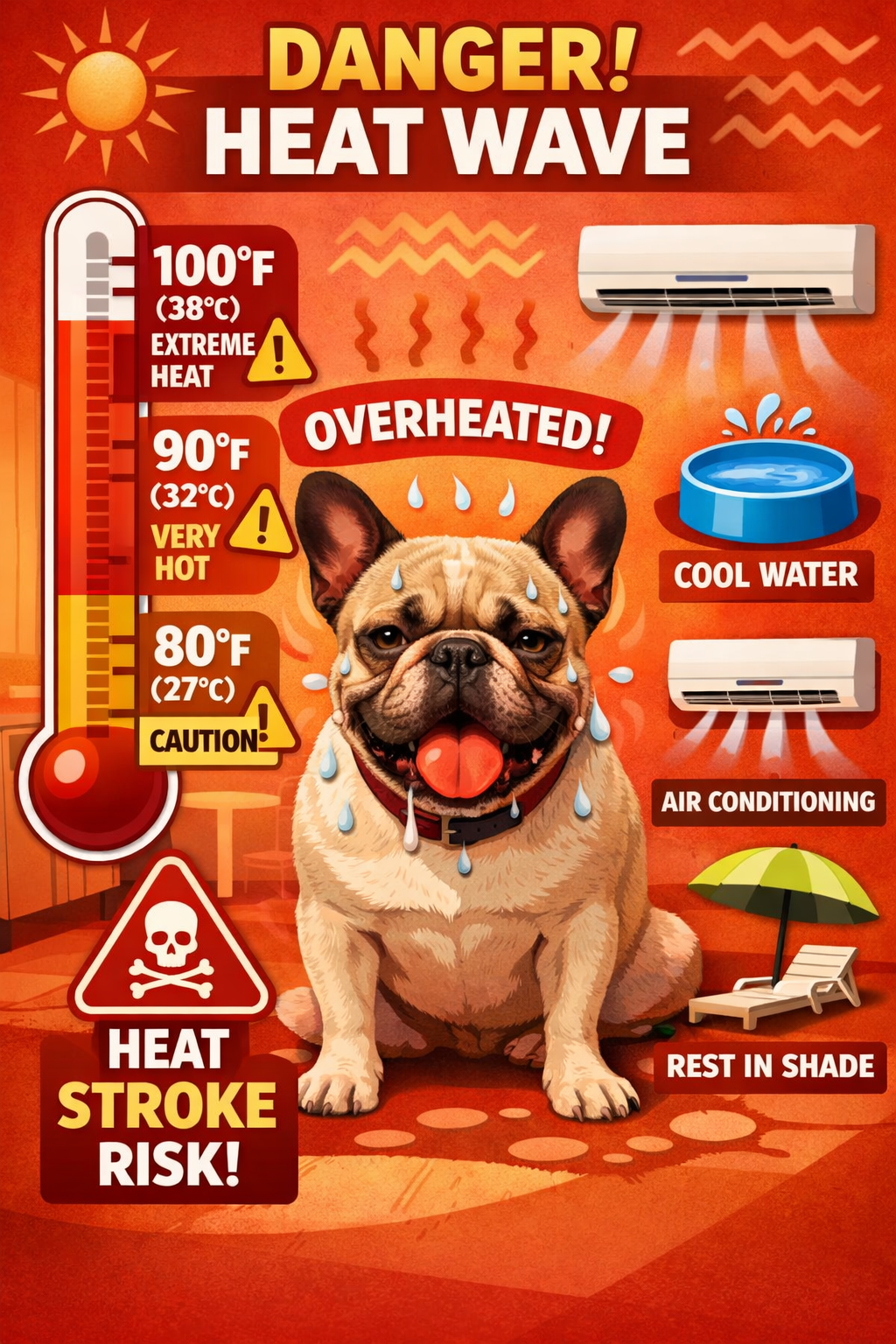
French Bulldogs cannot regulate their body temperature effectively due to their compressed airways and flat faces. Unlike other breeds that cool themselves efficiently through panting, Frenchies struggle to expel heat and can develop life-threatening heatstroke within minutes.
Critical temperature guidelines:
• Avoid outdoor activity when temperatures exceed 75°F (24°C)
• Never leave them in cars, even with windows cracked
• Limit sun exposure during peak hours (10 AM – 4 PM)
• Provide constant access to cool, fresh water
• Use cooling mats or vests during warm weather
Warning signs of overheating include:
- Excessive panting or drooling
- Bright red or purple tongue and gums
- Lethargy or collapse
- Vomiting or diarrhea
- Loss of coordination
If your Frenchie shows these symptoms, immediately move them to a cool area, offer small amounts of water, and contact your veterinarian. Heat stroke can cause permanent organ damage or death within 30 minutes.
FYI: Some links may be affiliate links, which means I may earn a small commission at no extra cost to you.
Frenchies face costly breed-specific risks like breathing issues and heat-related emergencies. Compare vet-trusted insurers offering guaranteed lowest rates so you’re never forced to choose between your wallet and your pup’s wellbeing during a heat emergency.
Common mistake: Many owners think short walks on warm days are safe, but even 10 minutes in 80°F weather can trigger breathing distress in sensitive Frenchies.
Don’t Force Intense Exercise or Prolonged Physical Activity
French Bulldogs have significantly limited exercise capacity compared to other breeds due to their brachycephalic anatomy. Their compressed airways make it difficult to take in adequate oxygen during physical exertion, leading to dangerous breathing distress.
Safe exercise guidelines:
• Limit walks to 15-20 minutes maximum
• Choose early morning or evening exercise times
• Allow frequent rest breaks every 5-10 minutes
• Watch for excessive panting or breathing difficulty
• Avoid stairs, jumping, or running activities
Appropriate activities include:
- Gentle indoor play sessions
- Short, leisurely neighborhood walks
- Mental stimulation games and puzzle toys
- Basic obedience training sessions
- Swimming (with proper supervision and life vest)
Signs your Frenchie needs immediate rest:
- Loud, labored breathing or wheezing
- Blue or purple gums and tongue
- Stumbling or loss of coordination
- Excessive drooling
- Refusal to continue moving
Choose low-impact activities if you want to keep your Frenchie healthy and avoid emergency vet visits. Mental stimulation through training exercises often provides better enrichment than physical exercise for this breed.
Edge case: Some Frenchies with severe breathing issues may need even shorter exercise periods. Consult your vet to establish safe activity levels for your individual dog.
Never Neglect Facial Wrinkle and Skin Fold Care
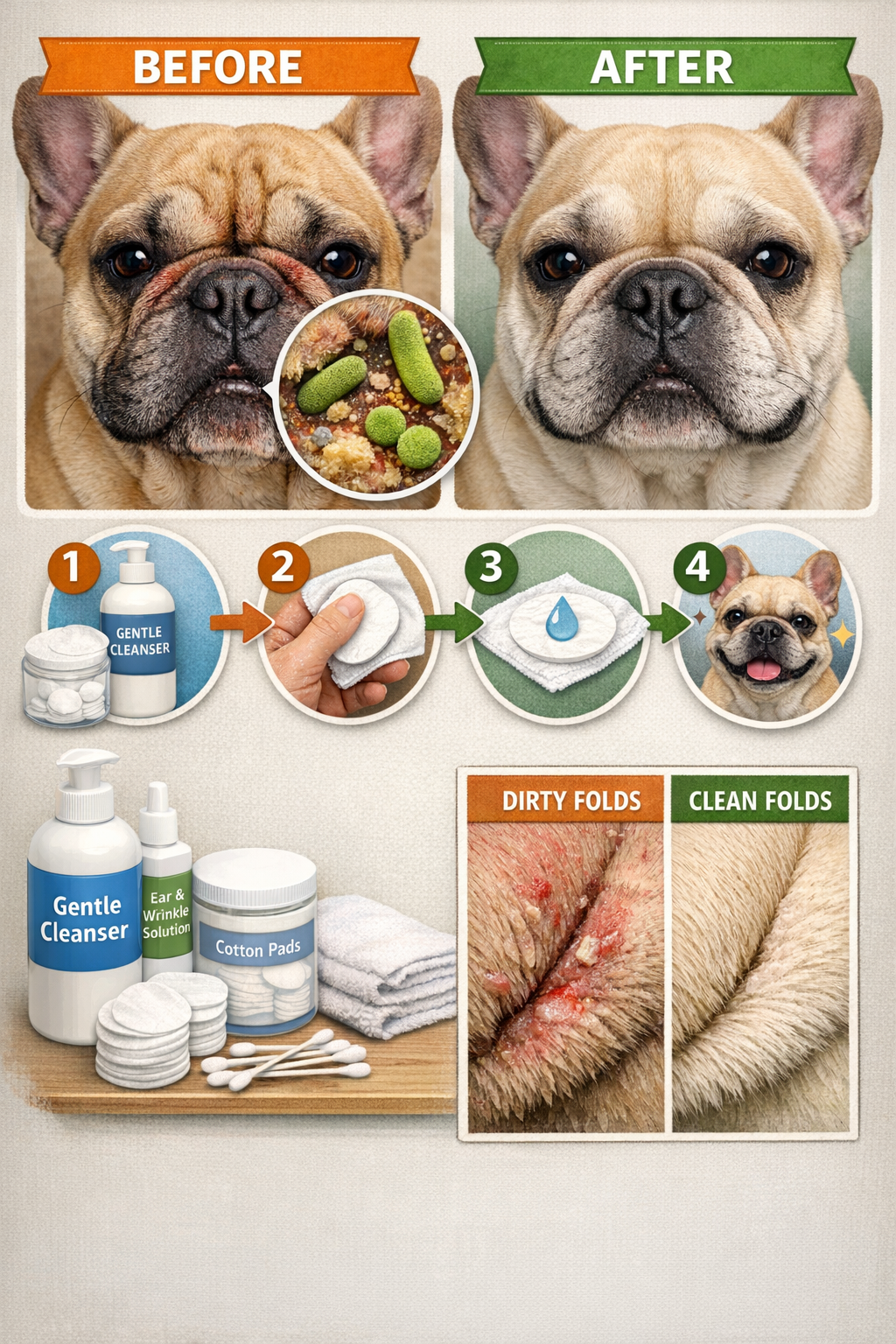
French Bulldogs’ deep facial wrinkles create the perfect environment for bacteria, yeast, and moisture buildup that can cause painful infections. Without regular cleaning, these folds become breeding grounds for harmful microorganisms that lead to dermatitis, foul odors, and expensive veterinary treatments.
Daily wrinkle care routine:
• Clean wrinkles every day with a damp, soft cloth
• Dry thoroughly after cleaning to prevent moisture retention
• Use hypoallergenic, fragrance-free cleaning wipes designed for dogs
• Apply a thin layer of protective balm if recommended by your vet
• Check for signs of irritation, redness, or unusual odor
Proper cleaning technique:
- Gently lift each skin fold
- Wipe from the inner corner outward using a clean section of cloth for each fold
- Remove all debris, food particles, and moisture
- Pat dry completely with a soft towel
- Allow air drying for 2-3 minutes before applying any products
Warning signs of infection:
- Red, inflamed skin within the folds
- Strong, unpleasant odor
- Brown or yellow discharge
- Excessive scratching at the face
- Swelling or hot spots
If you notice these symptoms, contact your veterinarian immediately. Untreated skin fold infections can spread to deeper tissue layers and require antibiotic treatment.
Learn more about proper French Bulldog grooming techniques to maintain your dog’s skin health and prevent costly infections.
Don’t Skip Regular Dental Care and Oral Hygiene
French Bulldogs are prone to severe dental problems due to their compressed jaw structure, which causes teeth crowding and increases plaque buildup. Without proper dental care, Frenchies develop periodontal disease, tooth loss, and painful infections that can spread to vital organs.
Essential dental care routine:
• Brush teeth at least 3 times per week (daily is ideal)
• Use dog-specific toothpaste (never human toothpaste)
• Provide dental chews designed for small breeds
• Schedule professional cleanings every 6-12 months
• Monitor for signs of dental disease
Step-by-step brushing technique:
- Start with finger brushing using a small amount of dog toothpaste
- Gradually introduce a soft-bristled dog toothbrush
- Focus on the outer surfaces where plaque accumulates most
- Use gentle, circular motions for 30-60 seconds per session
- Reward with praise and treats to create positive associations
Signs of dental problems:
- Bad breath that worsens over time
- Yellow or brown tartar buildup on teeth
- Red, swollen, or bleeding gums
- Difficulty eating or chewing
- Pawing at the mouth or face
- Loose or missing teeth
Safe dental products for Frenchies:
- Enzymatic toothpaste specifically formulated for dogs
- Soft-bristled toothbrushes sized for small breeds
- Dental chews approved by the Veterinary Oral Health Council
- Water additives that reduce bacteria (vet-approved only)
Choose gentle dental care products if you want to avoid the periodontal disease that affects over 80% of dogs by age 3. Establishing a routine early prevents expensive dental procedures later.
Common mistake: Using human toothpaste, which contains xylitol and fluoride that are toxic to dogs and can cause serious poisoning.
Never Overfeed or Allow Weight Gain
Obesity severely worsens breathing difficulties in French Bulldogs and puts dangerous stress on their joints and spine. Even 2-3 pounds of excess weight can significantly impact a Frenchie’s quality of life and lead to serious health complications including diabetes, heart disease, and spinal problems.
Proper feeding guidelines:
• Measure food portions precisely using a kitchen scale
• Follow feeding charts based on ideal weight, not current weight
• Limit treats to less than 10% of daily caloric intake
• Feed 2-3 smaller meals instead of one large meal
• Monitor body condition score monthly
Daily calorie requirements by weight:
- 15-20 lbs: 400-500 calories per day
- 20-25 lbs: 500-600 calories per day
- 25-30 lbs: 600-700 calories per day
How to assess your Frenchie’s weight:
- Rib check: You should easily feel ribs with light pressure
- Waist tuck: Visible waist when viewed from above
- Profile view: Abdomen should tuck up behind the rib cage
- Weight monitoring: Weekly weigh-ins to track trends
Foods to never give French Bulldogs:
- Table scraps and human food
- High-fat treats or foods
- Chocolate, grapes, onions, garlic
- Bones that can splinter
- Excessive training treats
Signs your Frenchie is overweight:
- Difficulty breathing during normal activities
- Reluctance to exercise or play
- Inability to feel ribs easily
- No visible waist definition
- Labored breathing while resting
For guidance on choosing the right nutrition, check our complete guide to the best foods for French Bulldog health.
Choose portion control if you want to prevent the joint problems and breathing complications that affect overweight Frenchies. Weight management is one of the most important factors in your dog’s long-term health.
Don’t Use Harsh Grooming Products or Over-Bathe
French Bulldogs have sensitive skin that reacts poorly to harsh chemicals, frequent bathing, and abrasive grooming products. Over-bathing strips their natural skin oils and can trigger allergic reactions, dry skin, and dermatitis that requires expensive veterinary treatment.
Safe bathing guidelines:
• Bathe only when visibly dirty or every 6-8 weeks
• Use hypoallergenic, fragrance-free dog shampoo
• Keep water temperature lukewarm (not hot)
• Rinse thoroughly to remove all product residue
• Dry completely, especially in skin folds
Recommended grooming products:
- Oatmeal-based or sensitive skin shampoos
- Tearless formulas for face washing
- Natural bristle brushes for gentle coat care
- Microfiber towels for gentle drying
- Unscented, alcohol-free grooming wipes
Grooming frequency schedule:
- Daily: Wrinkle cleaning and basic brushing
- Weekly: Ear cleaning and nail inspection
- Monthly: Full grooming session with nail trimming
- As needed: Baths only when dirty or smelly
Products to avoid:
- Human shampoos and soaps
- Products with artificial fragrances or dyes
- Harsh detergents or sulfates
- Tea tree oil or essential oil products
- Alcohol-based wipes or sprays
Signs of skin irritation:
- Excessive scratching or licking
- Red, inflamed patches
- Dry, flaky skin
- Hot spots or open sores
- Changes in skin color or texture
If your Frenchie shows skin sensitivity, switch to gentler products and reduce bathing frequency. Consult your veterinarian if irritation persists.
Common mistake: Bathing weekly because the dog “smells,” which often worsens skin problems and creates a cycle of irritation and odor.
Never Ignore Ear Cleaning and Maintenance
French Bulldogs’ large, upright ears trap dirt, moisture, and debris that can lead to painful ear infections if not cleaned regularly. Their ear structure makes them particularly susceptible to bacterial and yeast overgrowth, especially in humid conditions.
Weekly ear cleaning routine:
• Inspect ears for redness, odor, or discharge
• Use veterinarian-approved ear cleaning solution
• Clean only the visible outer ear canal
• Never insert cotton swabs deep into the ear
• Dry ears thoroughly after cleaning
Proper ear cleaning technique:
- Fill the ear canal with cleaning solution
- Gently massage the base of the ear for 30 seconds
- Allow your dog to shake their head
- Wipe away loosened debris with cotton balls
- Repeat if necessary until cotton comes out clean
Signs of ear problems:
- Strong, unpleasant odor from the ears
- Brown, yellow, or bloody discharge
- Excessive head shaking or ear scratching
- Red, swollen ear canals
- Loss of balance or head tilting
- Pain when ears are touched
When to clean ears:
- Weekly for healthy ears
- After swimming or baths
- When ears appear dirty or waxy
- As directed by your veterinarian for ongoing issues
Ear cleaning products to use:
- Veterinary-approved ear cleaners
- Solutions containing gentle drying agents
- pH-balanced formulas for dogs
- Products recommended by your vet for your specific dog
Never use:
- Hydrogen peroxide or alcohol
- Human ear cleaning products
- Cotton swabs inserted into the ear canal
- Home remedies without veterinary approval
Choose regular ear maintenance if you want to avoid the painful infections that can cause hearing damage and require expensive antibiotic treatments.
Edge case: Some Frenchies with chronic ear issues may need cleaning every 2-3 days as prescribed by their veterinarian.
Don’t Leave Your French Bulldog Alone for Extended Periods
French Bulldogs are companion dogs bred specifically for human interaction and suffer severe separation anxiety when left alone for long periods. Extended isolation can trigger destructive behaviors, excessive barking, and stress-related health problems that affect both your dog’s wellbeing and your living situation.
Maximum alone time guidelines:
• Puppies (under 6 months): 2-3 hours maximum**
• Adult Frenchies: 4-6 hours maximum**
• Senior dogs: 3-4 hours maximum**
• Dogs with separation anxiety: 1-2 hours maximum**
Signs of separation anxiety:
- Destructive chewing or scratching at doors/windows
- Excessive barking or howling when alone
- Accidents in the house despite being house-trained
- Pacing or restlessness before you leave
- Extreme excitement when you return
- Loss of appetite when left alone
Strategies to reduce separation anxiety:
- Gradual conditioning: Start with very short departures (5-10 minutes)
- Create positive associations: Give special toys or treats only when leaving
- Establish routines: Consistent departure and return rituals
- Provide mental stimulation: Puzzle toys and interactive feeders
- Consider doggy daycare: For dogs requiring constant companionship
If your French bulldog struggles with separation anxiety or reactive behaviors, a structured training program can make a big difference. One popular option is a step-by-step reactivity training webinar that focuses on calm, force-free methods.
Environmental enrichment for alone time:
- Interactive puzzle feeders to extend meal times
- Rotating toy selection to maintain interest
- Calming music or white noise machines
- Comfortable resting areas near windows
- Temperature control for comfort
When to seek professional help:
- Destructive behavior that causes injury
- Excessive vocalization disturbing neighbors
- Self-harm behaviors like excessive licking
- Complete refusal to eat when alone
- Regression in house training
For dogs with severe separation issues, consult a certified dog behaviorist or your veterinarian about anti-anxiety medications or intensive behavior modification programs.
Learn more about common mistakes new French Bulldog owners make to avoid separation anxiety and other behavioral problems.
Helpful Resources for French Bulldog Care
If you want something structured to help with training challenges like separation anxiety or leash reactivity, this step-by-step reactivity training webinar focuses on calm, force-free methods specifically designed for sensitive breeds like French Bulldogs.
For comprehensive health protection, consider comparing French Bulldog insurance plans that cover breed-specific conditions. Frenchies face higher veterinary costs than most breeds, making insurance particularly valuable for managing expenses related to breathing issues, skin problems, and emergency care.
Additional helpful resources include:
- Essential puppy care guide for new owners
- Training commands every Frenchie should know
- Signs of common health problems to watch for
FAQ
How often should I clean my French Bulldog’s wrinkles?
Clean facial wrinkles daily with a damp cloth and dry thoroughly. This prevents bacterial buildup and infections that can develop quickly in the warm, moist environment of skin folds.
Can French Bulldogs go on long walks?
No, limit walks to 15-20 minutes maximum due to their breathing limitations. Choose early morning or evening times when temperatures are cooler, and watch for signs of breathing distress.
What temperature is too hot for a French Bulldog?
Avoid outdoor activity when temperatures exceed 75°F (24°C). French Bulldogs cannot cool themselves effectively and can develop dangerous heatstroke within minutes in warm weather.
How much should I feed my French Bulldog daily?
Feed 400-700 calories per day depending on your dog’s ideal weight, divided into 2-3 meals. Measure portions precisely and limit treats to less than 10% of daily calories to prevent obesity.
How long can I leave my French Bulldog alone?
Adult Frenchies should not be left alone for more than 4-6 hours. Puppies and dogs with separation anxiety need even shorter periods. This breed requires significant human companionship.
What are signs my French Bulldog is overheating?
Watch for excessive panting, bright red or purple gums, lethargy, vomiting, or loss of coordination. Move to a cool area immediately and contact your veterinarian if these symptoms occur.
Should I use human shampoo on my French Bulldog?
Never use human shampoo, which can irritate their sensitive skin. Choose hypoallergenic, fragrance-free dog shampoos and bathe only when visibly dirty or every 6-8 weeks.
How often do French Bulldogs need dental care?
Brush teeth at least 3 times per week using dog-specific toothpaste. Professional cleanings should occur every 6-12 months due to their increased risk of dental problems.
What exercise is safe for French Bulldogs?
Gentle indoor play, short leisurely walks, mental stimulation games, and supervised swimming are appropriate. Avoid intense exercise, jumping, or prolonged physical activity.
When should I be concerned about my French Bulldog’s breathing?
Contact your vet immediately if you notice loud wheezing, blue or purple gums, excessive drooling, or breathing difficulty during rest. These can indicate serious respiratory distress.
Can French Bulldogs swim?
Yes, but only with proper supervision and a well-fitted life vest. Their body structure makes swimming more challenging, but it can be excellent low-impact exercise when done safely.
How do I know if my French Bulldog has an ear infection?
Signs include strong odor, colored discharge, excessive head shaking, scratching at ears, or pain when ears are touched. Clean ears weekly to prevent infections.
Conclusion
Understanding what you should never do to a French Bulldog is essential for keeping your companion healthy and happy. These eight critical mistakes – exposing them to heat, forcing intense exercise, neglecting wrinkle care, skipping dental hygiene, overfeeding, using harsh products, ignoring ear maintenance, and leaving them alone too long – can lead to serious health complications and expensive veterinary bills.
French Bulldogs require specialized care due to their unique anatomy and temperament. Their brachycephalic structure makes them heat-sensitive and limits their exercise capacity, while their facial wrinkles and sensitive skin need gentle, regular maintenance. As companion dogs, they also need significant human interaction to prevent separation anxiety and behavioral problems.
Take action today by:
• Establishing daily wrinkle cleaning routines
• Scheduling regular dental care and vet checkups
• Monitoring your dog’s weight and adjusting portions as needed
• Creating a temperature-controlled environment for hot weather
• Planning for appropriate supervision during your work schedule
By avoiding these common mistakes and following proper care guidelines, you can help your French Bulldog live a healthier, more comfortable life while preventing costly emergency vet visits. Remember that prevention is always easier and less expensive than treating problems after they develop.
For ongoing support, consider connecting with other French Bulldog owners, working with a veterinarian experienced with the breed, and continuing to educate yourself about their specific needs. Your Frenchie’s health and happiness depend on understanding and respecting their unique requirements.
References
[1] Caring For A French Bulldog Health Tips And Breed Specific Needs – https://skywayah.com/caring-for-a-french-bulldog-health-tips-and-breed-specific-needs/
[2] How To Take Excellent Care Of Your French Bulldog – https://pinedaleanimalhospital.com/how-to-take-excellent-care-of-your-french-bulldog/
[3] An In Depth Guide To Caring For Your French Bulldog – https://staroftexasvet.com/an-in-depth-guide-to-caring-for-your-french-bulldog/
[4] French Bulldog – https://vidavetcentennial.com/dog-breed/french-bulldog/
[5] Your New French Bulldog Puppy The Essentials – https://www.joiipetcare.com/blogs/advice/your-new-french-bulldog-puppy-the-essentials
[6] French Bulldog Frenchie – https://rubyloo.co/blogs/news/french-bulldog-frenchie
[7] Actionable French Bulldog Care Guide – https://everdenpet.com/actionable-french-bulldog-care-guide/