
French Bulldog Puppy Temperament: Complete Guide for New Owners
Last updated: February 20, 2026
Key Takeaways
• French Bulldog puppies are naturally calm, affectionate, and people-focused companions
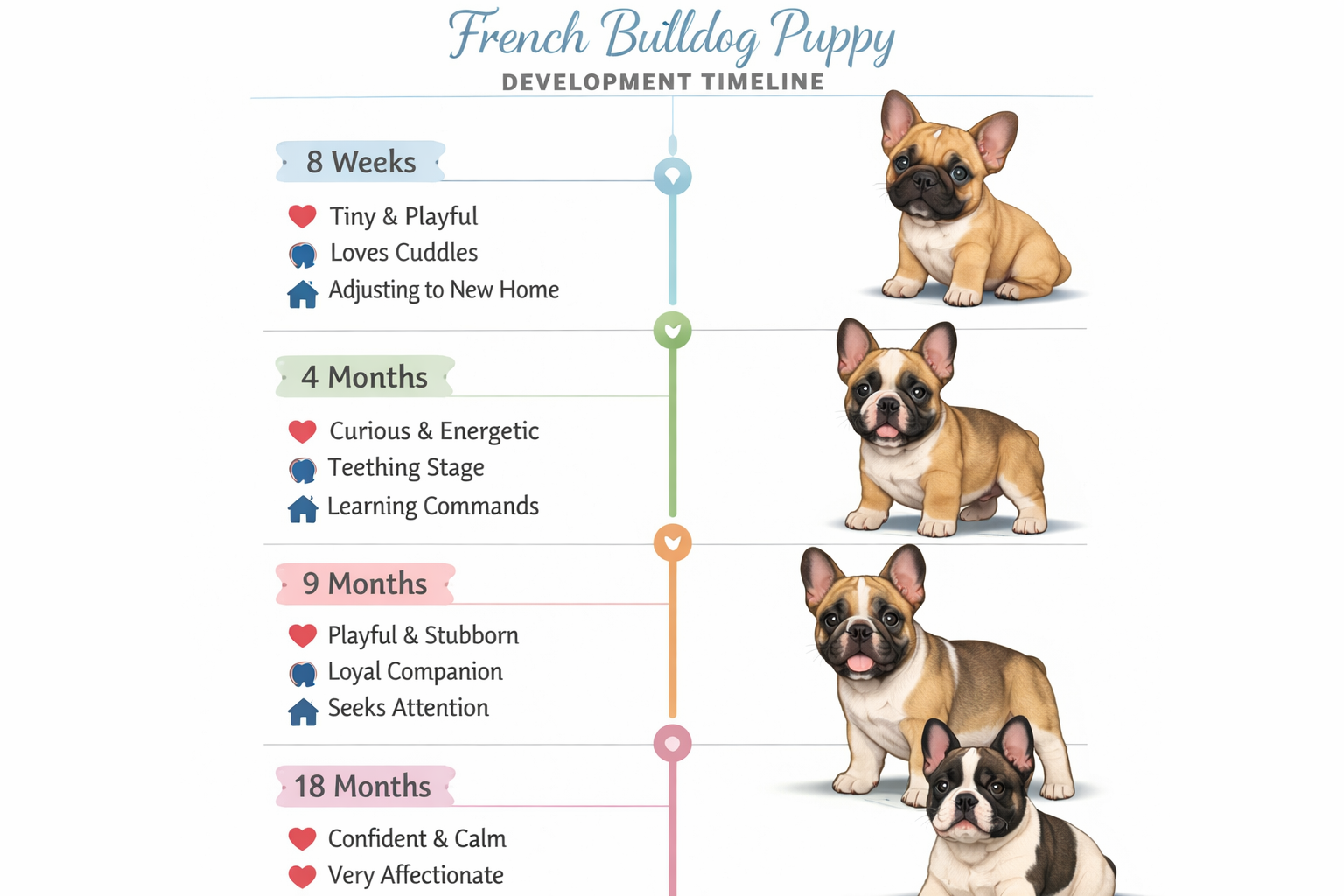
• They display their most puppy-like behavior until around 18 months of age
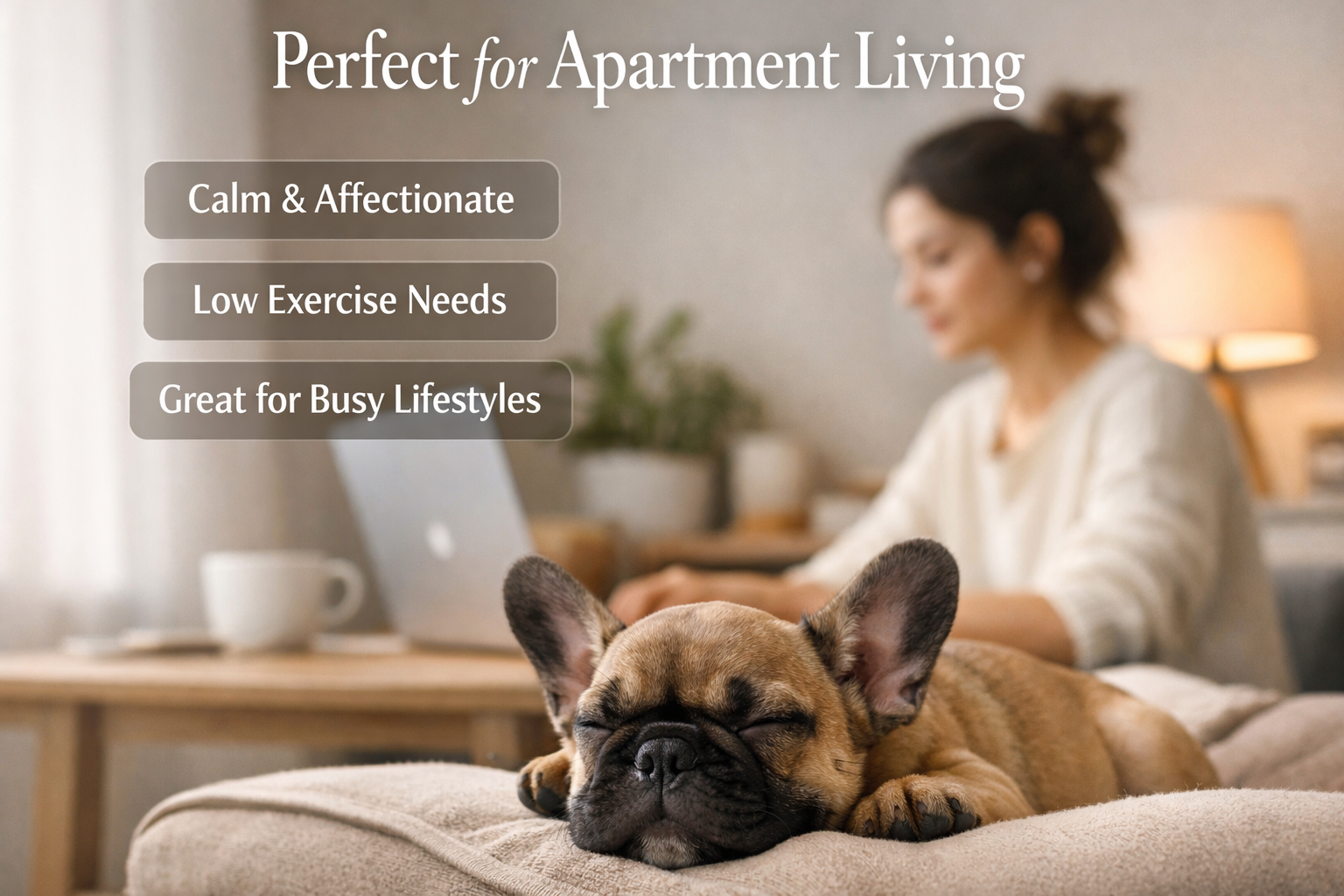
• These puppies are ideal for apartment living due to low exercise needs and gentle nature
• Early socialization is crucial to prevent separation anxiety and ensure well-rounded development
• Their stubborn streak requires patient, consistent training with positive reinforcement
Quick Answer
French Bulldog puppy temperament is characterized by exceptional calmness, deep affection for their owners, and a strong preference for indoor companionship. These puppies are naturally gentle and loving but can develop separation anxiety due to their clingy nature. They’re perfect for apartment dwellers and first-time owners who want a low-energy, people-oriented companion that thrives on human interaction rather than high-activity lifestyles.
What Makes French Bulldog Puppy Temperament Special?
French Bulldog puppies possess a uniquely calm and affectionate temperament that sets them apart from other breeds. Research from Eötvös Loránd University comparing over 5,000 purebred dogs found that short-nosed breeds like French Bulldogs are genetically calmer and bolder than long-nosed dogs.
Core temperament traits include:
• Natural calmness – Even as puppies, Frenchies display remarkable composure
• People-focused bonding – They form intense attachments to their human families
• Gentle disposition – Naturally non-aggressive and patient with proper socialization
• Indoor preference – Content spending most time inside with their owners
• Moderate playfulness – Enjoy play but don’t require constant stimulation
The most significant period for French Bulldog puppy temperament development occurs up to 18 months of age, when they display their most puppy-like behaviors including high energy levels and rapid learning. During this window, their natural traits become more pronounced with proper guidance.
Choose a French Bulldog puppy if you want a companion that prioritizes human connection over independence, prefers indoor activities, and adapts well to apartment living. Avoid this breed if you need a high-energy outdoor companion or prefer dogs that can handle long periods alone.
How Affectionate Are French Bulldog Puppies?
French Bulldog puppies are exceptionally affectionate and form deep emotional bonds with their owners. They’re naturally gentle, loving, and eager to please, though these positive traits develop best with proper socialization and upbringing.
Affection characteristics:
• Velcro dog behavior – Follow owners from room to room
• Physical closeness – Prefer sitting on laps or sleeping near their humans
• Emotional sensitivity – Respond strongly to their owner’s moods and energy
• Attention-seeking – Use “puppy dog eyes” and gentle nudging for interaction
However, this intense bonding can lead to separation anxiety when puppies become overly dependent on constant human presence. Signs include destructive behavior when left alone, excessive barking, and attempts to prevent owners from leaving.
Common mistake: Allowing puppies to follow you everywhere without teaching independence. Start with short separations early to build confidence.
Training tip: Reward calm, independent behavior and create positive associations with alone time through special toys or treats.
If you’re dealing with anxiety-related behaviors during training, this gentle, structured training solution can help create calmer, more focused responses in distracting situations.
What Energy Level Should You Expect from French Bulldog Puppies?
French Bulldog puppies have moderate to low energy levels compared to other breeds, making them ideal for apartment living and busy lifestyles. While they enjoy playtime, their exercise needs are significantly lower than most puppies their age.
Energy characteristics:
• Short bursts of activity – Play intensely for 15-20 minutes, then rest
• Heat sensitivity – Energy drops quickly in warm weather
• Indoor contentment – Satisfied with indoor games and short walks
• Nap frequency – Sleep 14-16 hours per day as puppies
Daily exercise requirements:
- 20-30 minutes of gentle activity
- Two short walks (10-15 minutes each)
- Indoor play sessions
- Mental stimulation through puzzle toys
Warning signs of overexertion:
- Heavy panting or breathing difficulty
- Blue-tinged gums or tongue
- Excessive drooling
- Reluctance to continue activity
Edge case: Some French Bulldog puppies may show hyperactive episodes when bored or understimulated. Provide appropriate toys and mental challenges to prevent destructive behaviors like chewing furniture.
For comprehensive care guidance during your puppy’s development, check out our complete French Bulldog puppy care guide.
How Trainable Are French Bulldog Puppies?
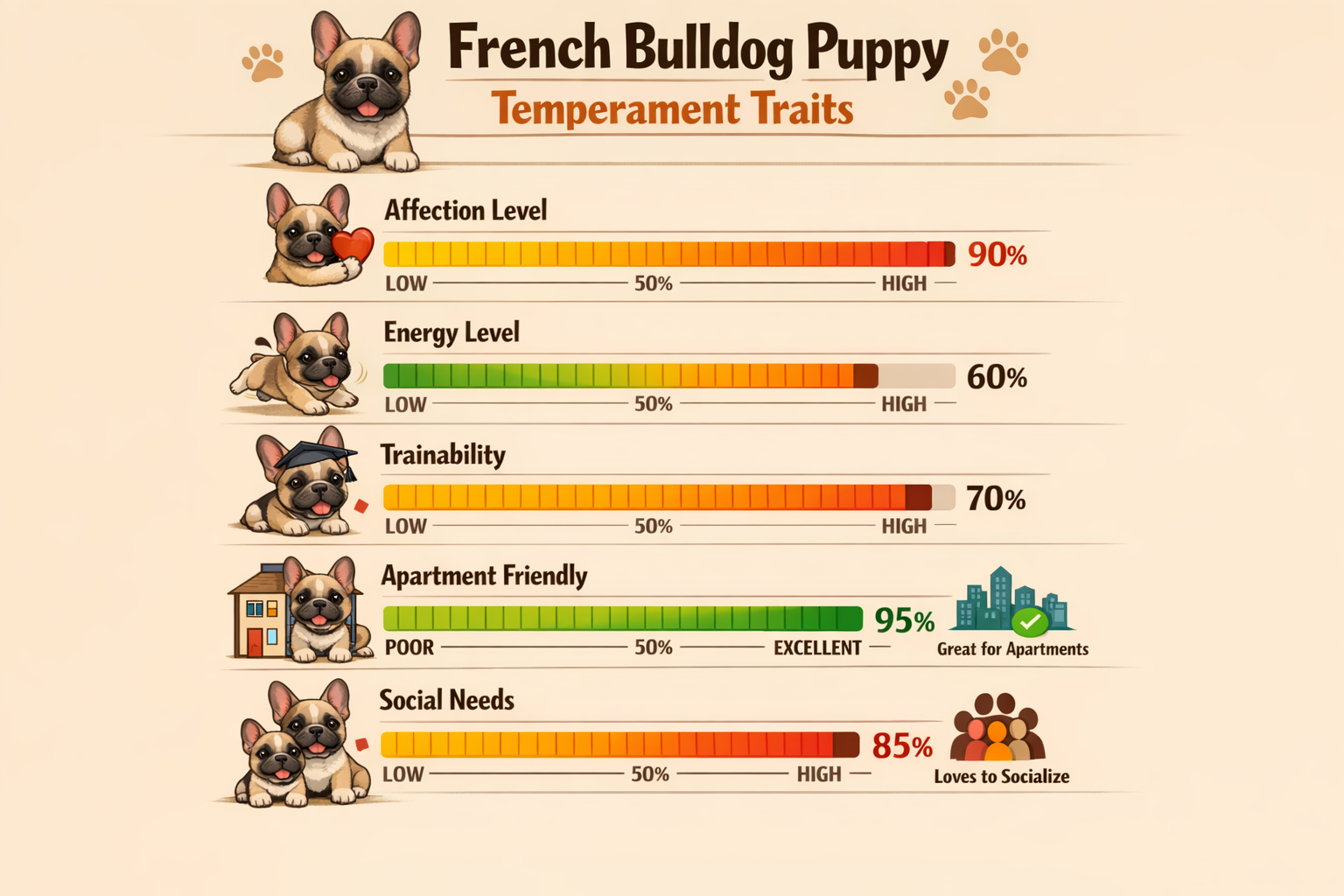
French Bulldog puppies are moderately trainable but require patience due to their stubborn tendencies. Despite being eager to please, they can be slightly stubborn during training and may attempt to use charm to avoid compliance.
Training characteristics:
• Short attention spans – Keep sessions to 5-10 minutes
• Positive reinforcement responsive – Reward-based methods work best
• Tone sensitive – Harsh reprimands may cause sulking or attention-seeking
• Food motivated – High-value treats improve focus and cooperation
Effective training approach:
- Start early – Begin basic commands at 8-10 weeks
- Keep sessions brief – Multiple short sessions throughout the day
- Use high-value rewards – Small, soft treats they can eat quickly
- Stay consistent – Same commands and expectations from all family members
- End on positive notes – Always finish with a successful command
Common training challenges:
- Recall difficulties – Puppies show reluctance to return when called
- Selective hearing – May ignore commands when distracted
- Bathroom training – Can take 4-6 months due to small bladders
Success tip: French Bulldog puppies respond better to gentle persistence than force. If they seem overwhelmed, take a break and try again later.
For detailed training strategies, our beginner’s training guide provides step-by-step methods specifically designed for French Bulldog temperaments.
Are French Bulldog Puppies Good with Children and Other Pets?
French Bulldog puppies are naturally gentle and typically good with children, though their flat-faced breed structure makes them somewhat fragile and better suited for families with children over five years old.
Child compatibility:
• Patient nature – Rarely show aggression even when handled roughly
• Playful but calm – Match children’s energy without being overwhelming
• Size appropriate – Small enough not to accidentally knock over toddlers
• Protective instinct – Alert families to strangers without excessive barking
Safety considerations with young children:
- Supervise interactions to prevent accidental injury to the puppy
- Teach children gentle handling techniques
- Provide safe spaces where puppies can retreat
- Monitor for signs of stress or fatigue
Other pet relationships:
Research indicates that short-nosed puppies like French Bulldogs are genetically less likely to be friendly with other dogs, though this varies with age and socialization. Early, positive exposure to other pets improves compatibility.
Socialization timeline:
- 8-12 weeks: Introduce to household pets under supervision
- 12-16 weeks: Controlled meetings with friendly, vaccinated dogs
- 16-20 weeks: Puppy socialization classes
- Ongoing: Regular positive interactions with various animals
Red flag: If your puppy shows fear or aggression toward other pets, consult a professional trainer immediately rather than hoping they’ll “grow out of it.”
What Behavioral Challenges Should You Expect?
French Bulldog puppies face specific behavioral challenges related to their temperament and physical characteristics. Understanding these helps you prepare and address issues before they become habits.
Common behavioral challenges:
Separation Anxiety
- Symptoms: Destructive behavior, excessive barking, attempts to prevent leaving
- Prevention: Gradual alone-time training starting at 8-10 weeks
- Management: Create positive associations with departure cues
Stubbornness During Training
- Symptoms: Ignoring commands, selective hearing, charm attempts
- Solution: Consistent positive reinforcement and patience
- Avoid: Harsh corrections that may cause sulking
Attention-Seeking Behaviors
- Symptoms: Excessive barking, jumping, demanding behavior
- Management: Ignore attention-seeking and reward calm behavior
- Prevention: Establish clear boundaries early
Destructive Chewing
- Triggers: Boredom, teething, anxiety
- Prevention: Provide appropriate chew toys and mental stimulation
- Redirect: Immediately offer acceptable alternatives
Behavioral management checklist:
✓ Establish consistent daily routines
✓ Provide mental stimulation through puzzle toys
✓ Practice short separations daily
✓ Reward calm, independent behavior
✓ Address problems immediately rather than waiting
When to seek help: If behavioral issues persist beyond 16 weeks or worsen despite consistent training, consult a professional dog trainer familiar with French Bulldog temperaments.
How to Support Healthy French Bulldog Puppy Temperament Development
Supporting your French Bulldog puppy’s temperament development requires understanding their unique needs and providing appropriate guidance during critical growth periods.
Essential development strategies:
Early Socialization (8-16 weeks)
- Positive exposures: Different people, sounds, surfaces, and environments
- Controlled interactions: Well-behaved dogs and calm children
- Confidence building: New experiences paired with treats and praise
- Avoid: Overwhelming situations or forced interactions
Routine Establishment
- Feeding schedule: Same times daily to reduce anxiety
- Sleep routine: Consistent bedtime and wake times
- Exercise patterns: Regular but gentle activity periods
- Training sessions: Short, frequent practice throughout the day
Environmental Setup
- Safe spaces: Comfortable areas for retreat and rest
- Temperature control: Cool environments due to breathing limitations
- Appropriate toys: Size-appropriate, safe chewing options
- Comfort items: Blankets or toys that smell like home
Development milestones to track:
| Age | Temperament Expectations |
|---|---|
| 8-12 weeks | Bonding with family, basic house rules |
| 12-16 weeks | Increased confidence, socialization peak |
| 16-24 weeks | Adolescent testing, consistency crucial |
| 6-12 months | Personality solidifying, continued training |
| 12-18 months | Adult temperament emerging, refinement |
Common mistake: Assuming problems will resolve without intervention. French Bulldog puppies benefit from proactive guidance rather than reactive correction.
For comprehensive development support, explore our essential puppy needs guide which covers everything from supplies to developmental milestones.
Recommended Resources for French Bulldog Puppy Success
FYI: Some links may be affiliate links, which means I may earn a small commission at no extra cost to you.
Managing French Bulldog puppy temperament becomes much easier with the right support and guidance. If you want something structured to help with training challenges like attention-seeking behaviors or separation anxiety, this gentle, reactivity-free training method uses force-free techniques specifically designed for sensitive breeds like French Bulldogs.
Additional helpful resources:
• Health protection: Consider reliable pet insurance options that cover breed-specific concerns like breathing disorders and skin allergies
• Feeding guidance: Our complete feeding schedule guide helps establish healthy eating patterns
• Growth tracking: Monitor development with our puppy growth chart
These resources can help you navigate the unique aspects of French Bulldog puppy ownership while building a strong foundation for lifelong companionship.
Frequently Asked Questions
Q: At what age do French Bulldog puppies calm down?
A: French Bulldog puppies typically display their most energetic behavior until around 18 months of age, then gradually settle into their naturally calm adult temperament.
Q: Are French Bulldog puppies naturally aggressive?
A: No, French Bulldog puppies are typically not aggressive, even during their younger years, though they may experience brief hyperactive episodes that require management.
Q: How long can French Bulldog puppies be left alone?
A: Puppies under 4 months shouldn’t be alone for more than 2-3 hours due to bathroom needs and potential separation anxiety development.
Q: Do French Bulldog puppies bark a lot?
A: French Bulldog puppies are not excessive barkers but may bark when seeking attention, alerting to visitors, or experiencing separation anxiety.
Q: Are French Bulldog puppies good for first-time owners?
A: Yes, their calm temperament, moderate exercise needs, and eagerness to please make them suitable for first-time dog owners willing to be patient with training.
Q: How much socialization do French Bulldog puppies need?
A: Extensive socialization between 8-16 weeks is crucial, including exposure to different people, sounds, and controlled interactions with other animals.
Q: Do French Bulldog puppies get along with cats?
A: With proper introduction and socialization, French Bulldog puppies can coexist peacefully with cats, though individual personalities vary.
Q: Are French Bulldog puppies easy to potty train?
A: Potty training can take 4-6 months due to small bladders and occasional stubbornness, but consistency and patience lead to success.
Q: Do French Bulldog puppies need special handling?
A: Yes, their flat-faced structure makes them more fragile and sensitive to temperature extremes, requiring gentle handling and climate awareness.
Q: How do I prevent separation anxiety in French Bulldog puppies?
A: Start with very short departures, create positive alone-time associations, and gradually increase duration while maintaining consistent routines.
Q: Are French Bulldog puppies protective?
A: They’re naturally alert and will notify owners of visitors, but they’re more likely to greet strangers with curiosity than aggression.
Q: What’s the biggest temperament challenge with French Bulldog puppies?
A: Managing their tendency toward separation anxiety while maintaining their naturally affectionate, people-focused personality through balanced independence training.
Key Takeaways
• French Bulldog puppies are naturally calm, affectionate companions ideal for apartment living and first-time owners
• Their intense bonding with humans requires early independence training to prevent separation anxiety
• Moderate energy levels mean 20-30 minutes of daily exercise satisfies their physical needs
• Training requires patience due to stubborn tendencies, but positive reinforcement yields excellent results
• Early socialization between 8-16 weeks is crucial for well-rounded temperament development
• They’re generally good with children over 5 and other pets when properly introduced
• Common challenges include separation anxiety, attention-seeking behaviors, and selective hearing during training
• Their gentle, non-aggressive nature makes them excellent family companions
• Temperature sensitivity and breathing limitations require environmental awareness
• Professional guidance helps address behavioral challenges before they become ingrained habits
Conclusion
French Bulldog puppy temperament offers the perfect blend of calm companionship and affectionate loyalty for the right owner. These remarkable puppies bring gentle, people-focused personalities that thrive in indoor environments and adapt beautifully to apartment living. While they require patience during training and careful management of their tendency toward separation anxiety, their naturally loving disposition and moderate exercise needs make them ideal companions for busy professionals, small families, and first-time dog owners.
Success with French Bulldog puppies comes from understanding their unique characteristics and providing consistent, gentle guidance during their critical development period up to 18 months. Start with our complete puppy care guide to ensure you’re prepared for every aspect of raising a happy, well-adjusted French Bulldog companion.
References
[1] The French Bulldogs Temperament – https://www.petscreening.com/blog/the-french-bulldogs-temperament
[2] French Bulldog – https://www.poochandmutt.co.uk/blogs/by-breed/french-bulldog
[3] A Guide To French Bulldogs – https://www.bellaandduke.com/dogs/expert-advice/dog-breeds/a-guide-to-french-bulldogs/
[4] French Bulldog Face Personality – https://www.popsci.com/environment/french-bulldog-face-personality/