
10 Things to Know Before Buying French Bulldog Puppies: Your Complete Guide

Picture this: you’re scrolling through adorable French Bulldog puppy photos online, and your heart melts at those bat ears and squishy faces. But before you fall head-over-heels for the first Frenchie you see, there are crucial 10 things to know before buying French Bulldog puppies that could save you thousands of dollars and years of heartache. As someone who’s helped countless families navigate this journey, I’ve seen too many well-intentioned buyers make costly mistakes that could have been easily avoided with the right knowledge.
French Bulldogs aren’t just another cute puppy purchase—they’re a significant financial and emotional commitment that requires careful planning. From understanding the true cost of ownership to recognizing red flags in breeders, these essential insights will help you make an informed decision that leads to years of joy with your new companion.
Key Takeaways
• Budget realistically: Quality French Bulldog puppies cost $2,000-$6,500, with rare colors reaching $20,000+, plus $2,000-$4,000 annually for care
• Prioritize health over appearance: Reputable breeders focus on health testing and breathing assessments rather than trendy colors
• Research breeders thoroughly: Look for health guarantees, transparent practices, and proper socialization environments
• Prepare for breed-specific needs: French Bulldogs require special care for breathing issues, temperature sensitivity, and exercise limitations
• Consider long-term commitment: These dogs live 10-12 years and need consistent veterinary care throughout their lives
1. Understanding the True Cost of French Bulldog Puppies
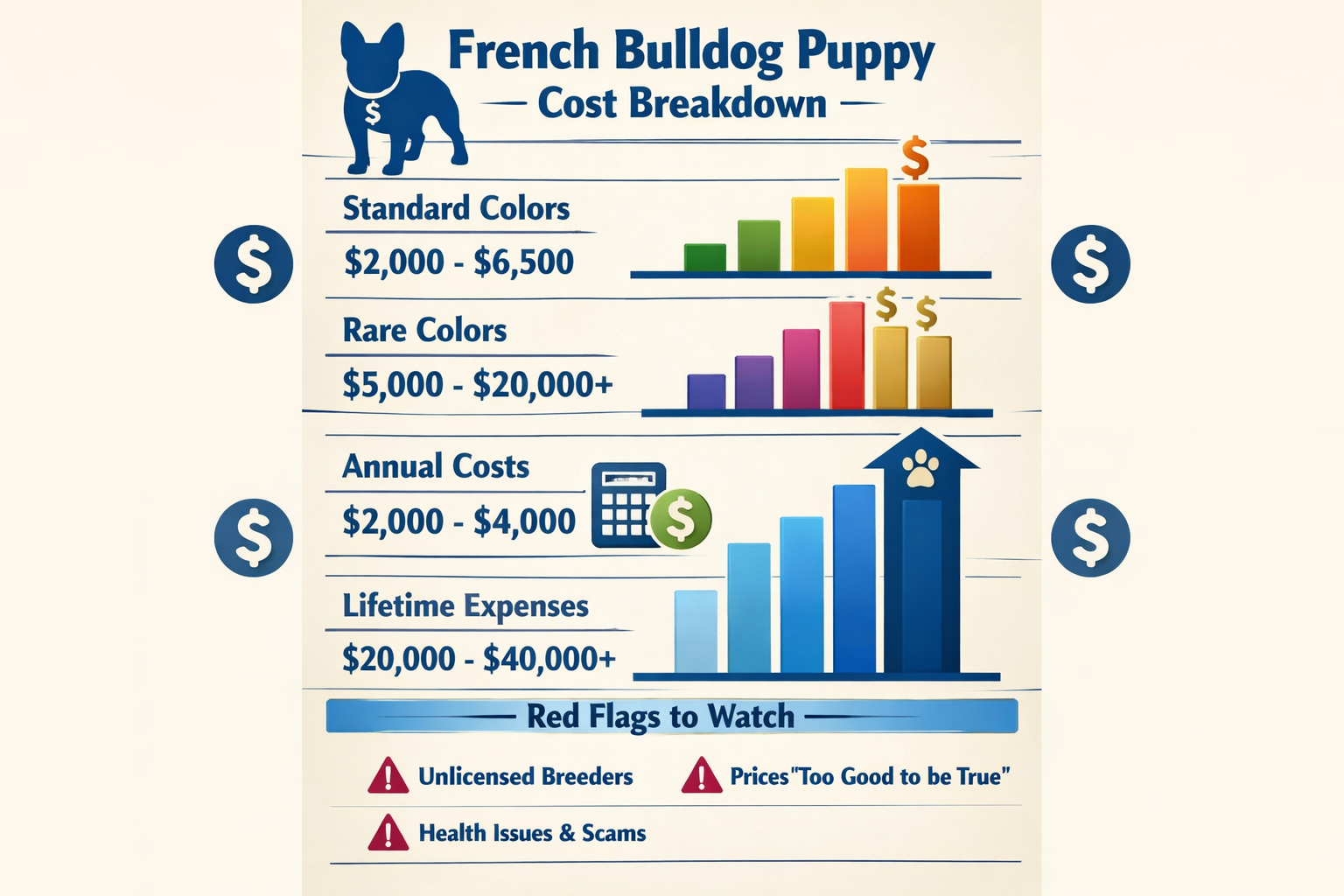
When considering French Bulldog puppies for purchase, the sticker price is just the beginning of your financial journey. Pet-quality French Bulldog puppies from reputable breeders in the US cost $2,000–$6,500 as of 2026. However, this range varies dramatically based on several factors that every potential owner should understand.
Standard colors like fawn, cream, and brindle represent the most affordable options at $2,000–$4,000. These classic colors are not only budget-friendly but also align with breed standards, making them excellent choices for first-time Frenchie owners.
Rare color variants tell a different story entirely. Blue, Lilac, Merle, Isabella, and Fluffy varieties range from $5,000–$20,000+, with some Isabella and Fluffy varieties reaching the higher end. While these colors are undeniably striking, it’s crucial to understand that higher prices don’t always guarantee better health or temperament.
The Hidden Costs You Must Consider
Beyond the initial purchase price, annual ongoing costs are $2,000–$4,000 per year for food, vet care, insurance, and essentials. Over a typical 10–12-year lifespan, you’re looking at $20,000–$40,000+ in total ownership costs.
Here’s what your annual budget should include:
- Veterinary care: $800-$1,500 (including routine checkups and breed-specific health monitoring)
- Premium dog food: $400-$800 (French Bulldogs often require specialized diets)
- Pet insurance: $600-$1,200 (highly recommended for this breed)
- Grooming and supplies: $300-$600
- Emergency fund: $1,000+ (breathing issues and other health emergencies)
Red Flags in Pricing
Prices below $1,500 are typically red flags for poor breeding practices or scams. If a deal seems too good to be true, it probably is. Extremely low prices often indicate:
- Puppy mill operations
- Lack of health testing
- Poor breeding conditions
- Potential health problems
- Missing vaccinations or veterinary care
For budget-conscious buyers, I recommend checking out our guide on French Bulldog puppies for sale cheap to learn how to find quality puppies at reasonable prices without compromising on health or ethics.
2. Choosing Reputable Breeders: What to Look For
Finding the right breeder is arguably the most critical step in your French Bulldog journey. Reputable breeders typically have waiting lists and do not advertise heavily—they prioritize health, temperament, and conformation over quick sales. This approach might require patience, but it’s worth the wait for a healthy, well-socialized puppy.
Essential Breeder Qualifications
When evaluating potential breeders, look for these non-negotiable qualities:
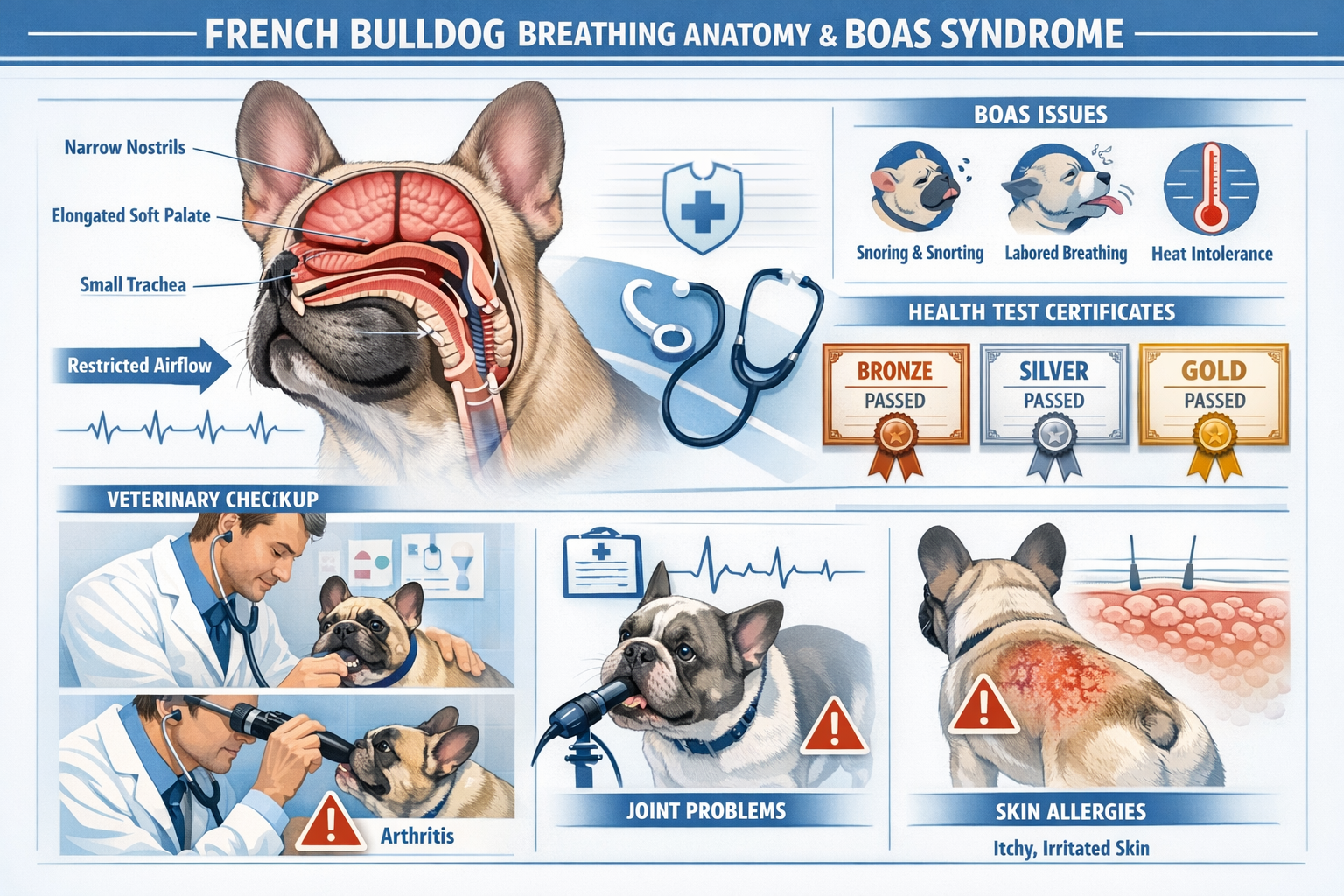
Health Testing Documentation: Verify that parents hold French Bulldog Health Scheme ‘Bronze,’ ‘Silver,’ or ‘Gold’ Certificates. These certifications indicate comprehensive health screening for common breed issues including:
- Respiratory function assessments
- Eye clearances
- Heart evaluations
- Genetic testing for hereditary conditions
Transparency and Openness: Quality breeders will:
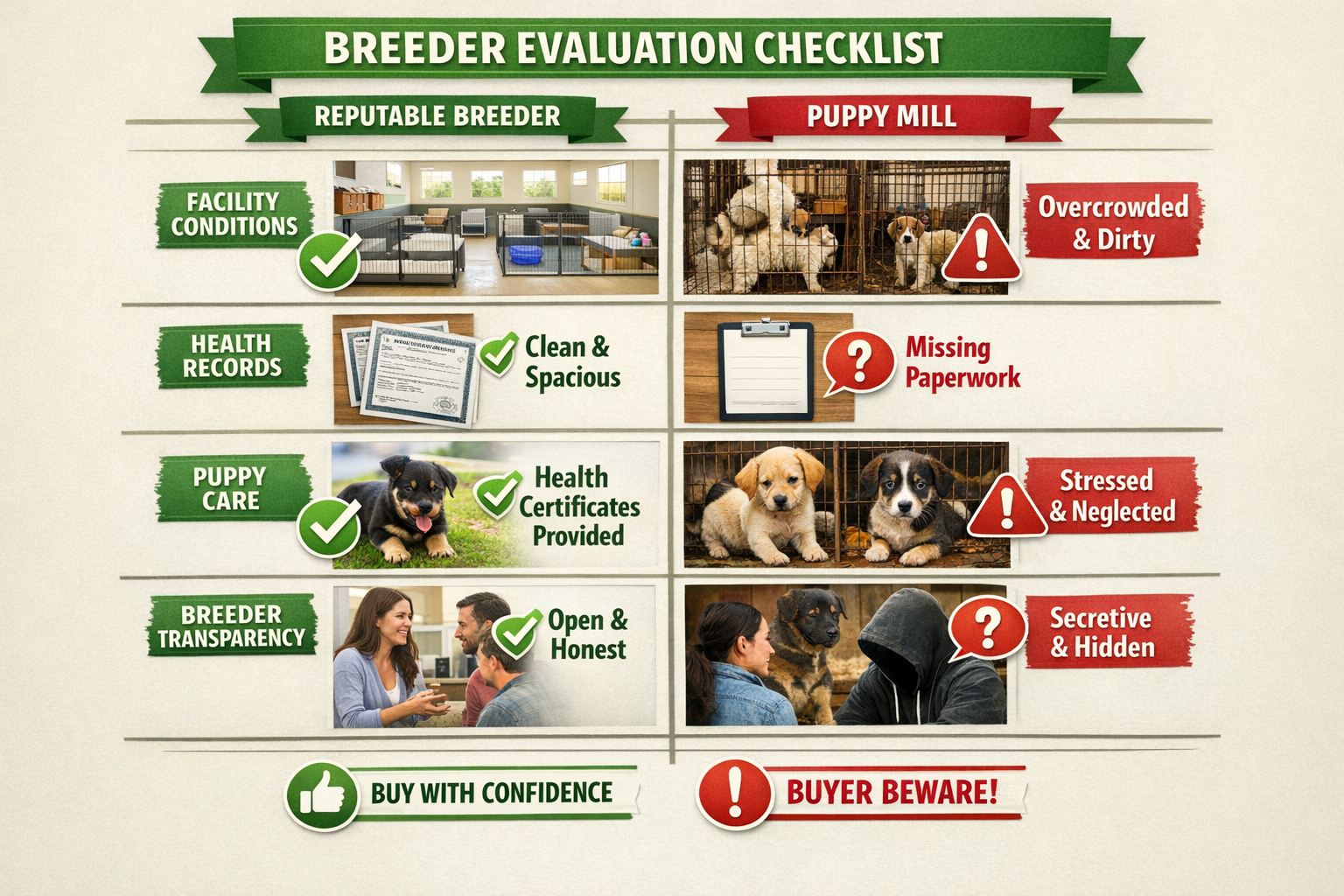
- Invite you to visit their facility
- Show you where puppies are raised
- Allow you to meet at least one parent (usually the mother)
- Provide detailed health records
- Offer written contracts with health guarantees
Proper Puppy Care: Puppies should be vet-checked and have had first vaccinations before purchase[2]. Additionally, responsible breeders ensure puppies are:
- Properly socialized with humans and other dogs
- Kept in clean, spacious environments
- Fed high-quality nutrition appropriate for their age
- Given adequate exercise and mental stimulation
Questions Every Buyer Should Ask
Don’t be shy about asking detailed questions. Reputable breeders welcome inquiries and view them as signs of responsible ownership. For a comprehensive list of essential questions, check our complete guide to questions you should ask French Bulldog breeders.
Key questions include:
- Can I see health testing results for both parents?
- What health guarantee do you provide?
- How do you socialize your puppies?
- What support do you offer new owners?
- Can you provide references from previous buyers?
Warning Signs to Avoid
Be cautious of breeders who:
- Refuse facility visits or only meet in parking lots
- Cannot provide health testing documentation
- Have multiple litters available at once
- Pressure you to buy immediately
- Advertise heavily on classified sites
- Cannot answer basic questions about the breed
FYI: Some links may be affiliate links, which means I may earn a small commission at no extra cost to you.
For your new puppy’s health and digestion, consider a natural approach to supporting their gut health. A quality probiotic formula can help balance beneficial bacteria, improve nutrient absorption, and support overall vitality—especially important during the transition to their new home. This gentle, daily solution is trusted by many French Bulldog owners for maintaining their puppy’s digestive health and immune system.
3. Health Considerations: Breed-Specific Issues to Understand
French Bulldogs are prone to several health conditions that every potential owner must understand before making a commitment. While these dogs make wonderful companions, their unique physical characteristics come with specific health challenges that require ongoing attention and potentially significant veterinary expenses.
Breathing Problems: The Primary Concern
The most significant health issue in French Bulldogs is Brachycephalic Obstructive Airway Syndrome (BOAS). This condition affects dogs with shortened facial features and can cause:
- Difficulty breathing, especially during exercise or heat
- Loud snoring and sleep disruption
- Exercise intolerance
- Increased risk during anesthesia
- Potential need for surgical correction
Health and structure must always come before color considerations; avoid breeders who prioritize looks over genetic testing and breathing assessments. A responsible breeder will have conducted breathing assessments on their breeding dogs and can provide documentation of respiratory health.
Common Health Issues to Monitor
Beyond breathing problems, French Bulldogs are susceptible to:
Spinal Issues:
- Intervertebral disc disease (IVDD)
- Hemivertebrae (malformed vertebrae)
- Hip dysplasia
Skin Conditions:
- Allergies and dermatitis
- Fold dermatitis (skin infections in facial wrinkles)
- Food sensitivities
Eye Problems:
- Cherry eye
- Corneal ulcers
- Dry eye syndrome
Other Concerns:
- Heat stroke susceptibility
- Digestive issues
- Heart conditions
The Importance of Pet Insurance
Given the breed’s health predispositions, pet insurance isn’t just recommended—it’s essential. Quality coverage can save thousands in veterinary bills over your dog’s lifetime. Our comprehensive guide to the best pet insurance for French Bulldogs can help you choose the right plan for your budget and needs.
Look for insurance plans that cover:
- Hereditary and congenital conditions
- Respiratory treatments and surgeries
- Emergency care
- Specialist consultations
- Prescription medications
Preparing for Ongoing Health Management
Successful French Bulldog ownership requires proactive health management:
- Regular veterinary checkups (every 6 months minimum)
- Weight management to reduce breathing strain
- Temperature control to prevent overheating
- Gentle exercise routines appropriate for the breed
- Proper nutrition to support overall health
Understanding these health considerations upfront allows you to budget appropriately and provide the best possible care for your future companion.
4. Color Genetics and Breeding Ethics
The world of French Bulldog colors can be both fascinating and confusing for new buyers. Understanding color genetics and their implications is crucial for making an informed decision that prioritizes your puppy’s health and well-being.
Standard vs. Non-Standard Colors
Only three colors are recognized by the Kennel Club Breed Standard: Pied, Brindle, and Fawn—all others are considered undesirable and non-typical. This distinction isn’t just about show ring preferences; it reflects generations of careful breeding for health and temperament.
Standard Colors Include:
- Fawn: Light tan to deep red-fawn
- Brindle: Dark stripes over a fawn base
- Pied: White with patches of fawn or brindle
- Cream: Light, almost white coloring
The Truth About “Rare” Colors
While rare colors like blue, lilac, merle, and chocolate create stunning dogs, there are important considerations:
Potential Health Risks: Some rare colors are associated with:
- Increased skin sensitivity and allergies
- Eye problems and vision issues
- Hearing defects (particularly in merle patterns)
- Coat quality problems
Breeding Concerns: Rare colors like Blue, Lilac, Merle, and Chocolate may involve other dog breeds mixed into the lineage, potentially affecting temperament. This crossbreeding can introduce:
- Unpredictable temperament traits
- Health issues from other breeds
- Deviation from the classic French Bulldog personality
Making Color Decisions Wisely
When choosing your puppy’s color:
- Prioritize health over aesthetics: A healthy fawn puppy is always better than a sick rare-colored one
- Research the breeder’s practices: Ensure they’re not sacrificing health for color
- Consider long-term costs: Rare colors often come with higher veterinary expenses
- Think about your goals: If you want to show or breed, stick to standard colors
Understanding Premium Pricing
The significant price difference between standard and rare colors reflects:
- Market demand rather than superior quality
- Breeding difficulty and smaller gene pools
- Marketing appeal of “exclusive” colors
- Limited availability from ethical breeders
Remember, a higher price tag doesn’t guarantee better health, temperament, or quality. Focus on finding a breeder who prioritizes health testing and proper breeding practices regardless of color.
5. Preparing Your Home and Lifestyle
Bringing home a French Bulldog puppy requires more than just excitement—it demands careful preparation of your living space and lifestyle adjustments. These dogs have specific needs that differ significantly from other breeds, and understanding these requirements upfront will ensure a smooth transition for both you and your new companion.
Essential Supplies and Setup
Before your puppy arrives, you’ll need specific items tailored to French Bulldog needs. Our guide on 7 things every French Bulldog puppy needs provides a comprehensive checklist, but here are the absolute essentials:
Climate Control Equipment:
- Air conditioning or fans for hot weather
- Cooling mats for temperature regulation
- Heated beds for cold weather
- Thermometer to monitor room temperature
Specialized Feeding Supplies:
- Elevated food bowls to aid digestion
- Slow-feeder bowls to prevent gulping
- Fresh water available at all times
- High-quality puppy food appropriate for the breed
Safety and Comfort Items:
- Baby gates to restrict access to stairs
- Non-slip rugs for better traction
- Comfortable bedding in quiet areas
- Appropriate-sized crate for training
Lifestyle Adjustments to Consider
Exercise Expectations: French Bulldogs require low to moderate exercise. Plan for:
- Short walks (15-20 minutes maximum)
- Indoor play sessions
- Mental stimulation activities
- Avoiding exercise during hot weather
Work Schedule Compatibility: These dogs thrive on companionship and don’t do well alone for extended periods. Consider:
- Your daily work schedule
- Puppy daycare options
- Dog walker services
- Remote work flexibility during the adjustment period
Social Commitments: French Bulldogs are people-oriented and need:
- Daily interaction and attention
- Consistent routines
- Gradual introduction to new experiences
- Ongoing socialization throughout their lives
Home Environment Considerations
Temperature Management: This is crucial for French Bulldogs:
- Maintain indoor temperatures between 68-72°F
- Provide shade and cooling options outdoors
- Limit outdoor time during hot weather
- Watch for signs of overheating (excessive panting, drooling)
Space Requirements: While French Bulldogs adapt well to apartments:
- Ensure adequate indoor space for play
- Provide quiet retreat areas
- Consider noise levels (they can be vocal)
- Plan for potential breathing-related sounds
Financial Preparation Beyond Purchase Price
Set up your financial foundation:
- Emergency veterinary fund ($2,000-$5,000 minimum)
- Monthly budget for food, supplies, and routine care
- Insurance premiums if you choose coverage
- Training and socialization costs
For comprehensive product recommendations, check our complete guide to the best French Bulldog products for puppies.
6. Training and Socialization Requirements
French Bulldogs may be small, but they have big personalities that require consistent training and proper socialization from day one. Understanding their unique learning style and social needs is essential for developing a well-behaved, confident companion.
Understanding French Bulldog Temperament
French Bulldogs are known for being:
- Intelligent but stubborn: They understand commands but may choose when to follow them
- People-pleasing: They respond well to positive reinforcement
- Sensitive: Harsh training methods can damage their trust
- Social: They need exposure to various people, animals, and situations
Early Training Priorities
House Training: This is often the biggest challenge for new owners. French Bulldogs can be slower to house train due to:
- Small bladder capacity
- Stubbornness
- Difficulty communicating urgency
For detailed guidance, see our comprehensive potty training guide which provides proven methods that actually work.
Basic Commands: Start with essential commands:
- Sit and stay
- Come when called
- Leave it/drop it
- Gentle leash walking
Our complete beginner’s guide to training French Bulldog puppies offers step-by-step instructions for each command.
Socialization Windows
Critical Period (8-16 weeks): This is your most important window for:
- Meeting new people of all ages
- Exposure to different environments
- Positive experiences with other dogs
- Introduction to various sounds and textures
- Car rides and handling exercises
Ongoing Socialization: Continue throughout their first year:
- Regular puppy classes
- Controlled playdates
- Public outings (after full vaccination)
- New experiences in controlled settings
Common Training Challenges
Stubbornness: French Bulldogs can be selective listeners. Combat this with:
- High-value treats and rewards
- Consistent routines
- Short, engaging training sessions
- Patience and persistence
Attention-Seeking Behaviors: These dogs love being the center of attention and may develop:
- Excessive barking
- Jumping on people
- Demanding behavior
Address these early with consistent boundaries and positive reinforcement training.
Professional Training Considerations
Consider professional help for:
- Puppy kindergarten classes: Essential for socialization
- Basic obedience training: Builds foundation skills
- Behavioral issues: Address problems before they become habits
- Specialized training: For specific needs or goals
If you’re dealing with reactive behavior or need structured guidance, a comprehensive training approach can help create calmer, more focused walks and better overall behavior. Look for force-free, practical techniques that build confidence and reduce stress for both you and your Frenchie.
Setting Realistic Expectations
Remember that French Bulldogs:
- Learn at their own pace
- Respond best to positive methods
- Need consistent, patient guidance
- May take longer to master some skills
- Thrive with routine and structure
The investment in proper training and socialization pays dividends throughout your dog’s life, creating a well-adjusted companion who’s welcome everywhere you go.
7. Optimal Age and Timing for Adoption
Timing is everything when it comes to bringing home your French Bulldog puppy. Understanding the optimal age for adoption and planning your timing carefully can significantly impact your puppy’s development and your success as a new owner.
The Ideal Age Range
8-12 weeks is generally considered the optimal age range for French Bulldog puppy adoption. Here’s why this window matters:
8 Weeks Minimum: Puppies need this time with their mother and littermates to:
- Complete initial weaning
- Learn basic social skills from siblings
- Develop bite inhibition
- Receive maternal antibodies for immune system development
- Begin early house training concepts
10-12 Weeks Sweet Spot: Many experts recommend waiting until 10-12 weeks because:
- Puppies are more emotionally mature
- Initial vaccinations are complete
- Stress tolerance is higher
- Learning capacity is optimal
- Health issues are more apparent
For detailed information about timing, check our complete guide to the best age to adopt a French Bulldog puppy.
Seasonal Considerations
Spring Adoption Benefits:
- Moderate temperatures for adjustment
- More time outdoors for training
- Easier house training with mild weather
- Better socialization opportunities
Summer Cautions:
- Heat stress risks for French Bulldogs
- Limited outdoor training time
- Higher veterinary emergency rates
- Vacation schedule conflicts
Fall Advantages:
- Comfortable temperatures
- Stable routine establishment
- Holiday preparation time
- Indoor bonding opportunities
Winter Challenges:
- Cold sensitivity issues
- Limited outdoor socialization
- Holiday disruptions
- Potential isolation concerns
Personal Timing Factors
Work Schedule Alignment:
- Plan for 2-3 weeks of intensive supervision
- Consider vacation time for bonding
- Arrange for midday breaks or puppy care
- Prepare for sleep disruption initially
Family Schedule:
- Avoid major life changes (moves, new babies, job changes)
- Consider school schedules if you have children
- Plan around travel commitments
- Ensure all family members are prepared
Financial Readiness:
- Complete initial supply purchases
- Establish veterinary relationship
- Set up emergency fund
- Budget for first-year expenses
Preparation Timeline
2-3 Months Before:
- Research and contact breeders
- Complete application processes
- Prepare home environment
- Research veterinarians and training classes
1 Month Before:
- Purchase essential supplies
- Puppy-proof your home
- Schedule initial veterinary appointment
- Arrange time off work
1 Week Before:
- Final supply check
- Confirm pickup arrangements
- Prepare family members
- Set up puppy’s space
Red Flags in Timing
Be cautious if breeders:
- Want to send puppies home before 8 weeks
- Pressure you to take a puppy immediately
- Cannot provide specific pickup dates
- Rush the adoption process
- Don’t allow time for preparation
Making the Transition Smooth
First 48 Hours:
- Keep environment calm and quiet
- Maintain breeder’s feeding schedule
- Provide comfort items from breeder
- Begin gentle introduction to house rules
First Week:
- Establish routine gradually
- Monitor eating, drinking, and elimination
- Begin basic training concepts
- Schedule veterinary checkup
First Month:
- Expand socialization carefully
- Continue training consistency
- Monitor health and development
- Build strong bonding foundation
Remember, the right timing sets the foundation for a lifetime of happiness with your French Bulldog. Patience in waiting for the optimal moment often results in a smoother transition and better outcomes for everyone involved.
8. Ongoing Care and Maintenance Costs
Understanding the long-term financial commitment of French Bulldog ownership extends far beyond the initial purchase price. These dogs require specialized care throughout their lives, and being prepared for ongoing expenses will help you provide the best possible care for your companion.
Annual Healthcare Expenses
Routine Veterinary Care ($800-$1,500 annually):
- Biannual wellness exams
- Annual vaccinations and boosters
- Parasite prevention (heartworm, flea, tick)
- Dental cleanings and oral care
- Blood work and health monitoring
Breed-Specific Health Monitoring:
- Respiratory function assessments
- Eye examinations
- Cardiac evaluations
- Joint and spine X-rays
- Allergy testing and management
Nutrition and Feeding Costs
Premium Food Requirements ($400-$800 annually):
French Bulldogs often need specialized diets due to:
- Food allergies and sensitivities
- Digestive issues
- Weight management needs
- Life stage requirements
Special Dietary Considerations:
- Limited ingredient diets for allergies
- Prescription foods for health conditions
- Supplements for joint and skin health
- Treats for training and enrichment
For guidance on proper nutrition, see our complete guide to feeding French Bulldog puppies and best food options.
Grooming and Maintenance
Professional Grooming ($300-$600 annually):
- Nail trimming every 4-6 weeks
- Ear cleaning and maintenance
- Facial fold cleaning
- Occasional baths and brushing
- Anal gland expression if needed
At-Home Care Supplies:
- Specialized shampoos for sensitive skin
- Ear cleaning solutions
- Nail clippers and files
- Brushes and grooming tools
- Dental care products
Insurance and Emergency Preparedness
Pet Insurance Premiums ($600-$1,200 annually):
Given French Bulldogs’ health predispositions, insurance is highly recommended. Coverage should include:
- Hereditary and congenital conditions
- Emergency treatments
- Specialist consultations
- Prescription medications
- Surgical procedures
For detailed insurance guidance, check our comprehensive comparison of French Bulldog insurance plans.
Emergency Fund ($2,000-$5,000):
Set aside funds for unexpected expenses like:
- Breathing emergency treatments
- Foreign body removal surgeries
- Allergy flare-ups requiring immediate care
- Injury treatments
- Diagnostic procedures
Environmental and Lifestyle Costs
Climate Control ($200-$500 annually):
- Increased air conditioning costs
- Cooling mats and fans
- Heating for cold weather
- Humidifiers for respiratory health
Exercise and Enrichment:
- Indoor toys and puzzle games
- Training classes and socialization
- Dog walker services if needed
- Daycare for socialization
Age-Related Cost Increases
Senior Care Considerations (8+ years):
- More frequent veterinary visits
- Increased medication needs
- Specialized senior diets
- Mobility aids and comfort items
- Potential chronic condition management
Cost-Saving Strategies
Preventive Care:
- Maintain regular veterinary schedules
- Keep up with dental care
- Monitor weight and exercise
- Address issues early before they become expensive
Smart Shopping:
- Buy supplies in bulk when possible
- Compare veterinary prices for non-emergency services
- Consider pet insurance early when premiums are lower
- Learn basic grooming skills for at-home maintenance
Budgeting for Success
Create a monthly budget that includes:
- Fixed costs: Food, insurance, routine care
- Variable costs: Grooming, supplies, training
- Emergency fund contributions: $50-$100 monthly
- Unexpected expenses: Buffer for surprises
Helpful Resources for Health Management
Maintaining your French Bulldog’s digestive health can help prevent costly veterinary visits. A quality probiotic supplement can support gut health, improve nutrient absorption, and boost immune function—potentially reducing the frequency of digestive issues that commonly affect this breed. Many French Bulldog owners find that consistent digestive support helps their dogs maintain better overall health and vitality.
Remember, the goal isn’t to scare you away from French Bulldog ownership, but to ensure you’re financially prepared for the responsibility. These dogs bring immense joy and companionship, and proper budgeting ensures you can provide them with the care they deserve throughout their lives.
9. Legal and Documentation Requirements
Proper documentation and legal considerations are essential aspects of French Bulldog puppy purchase that many first-time buyers overlook. Understanding these requirements protects both you and your new companion while ensuring a legitimate, ethical transaction.
Essential Purchase Documentation
Health Certificates and Records:
- Current vaccination records with dates and vaccine types
- Deworming history and schedule
- Veterinary health certificate signed by a licensed vet
- Microchip information and registration details
- Any genetic health testing results
Registration Papers:
- AKC (American Kennel Club) registration or application
- Pedigree documentation showing lineage
- Breeding rights information (limited vs. full registration)
- Transfer of ownership forms
Breeder Contract and Guarantees:
- Written purchase agreement outlining terms
- Health guarantee with specific coverage details
- Return policy and conditions
- Spay/neuter requirements if applicable
- Breeding restrictions and agreements
Understanding Health Guarantees
Typical Guarantee Periods:
- 48-72 hours: Initial health guarantee for immediate issues
- 1-2 years: Coverage for genetic and hereditary conditions
- Lifetime: Some breeders offer limited lifetime guarantees
What Should Be Covered:
- Genetic disorders specific to French Bulldogs
- Congenital defects present at birth
- Serious health conditions that affect quality of life
- Clear procedures for veterinary evaluation
Your Responsibilities:
- Veterinary examination within specified timeframe
- Proper care and nutrition requirements
- Notification procedures for health issues
- Documentation requirements for claims
Legal Considerations by State
Puppy Lemon Laws:
Many states have specific laws protecting puppy buyers:
- Right to return sick puppies
- Reimbursement for veterinary expenses
- Replacement puppy options
- Disclosure requirements for known health issues
Interstate Transport Requirements:
If purchasing from out-of-state:
- Health certificates for transport
- Age requirements for shipping
- Carrier regulations and restrictions
- Quarantine considerations
Red Flags in Documentation
Missing or Incomplete Papers:
- No health records or vaccinations
- Promised registration “to follow”
- Verbal-only guarantees
- Refusal to provide written contracts
Suspicious Documentation:
- Photocopied or altered certificates
- Inconsistent information across documents
- Missing veterinary signatures or dates
- Generic or template contracts without specifics
Financial Protection Strategies
Payment Methods:
- Use traceable payment methods (check, credit card)
- Avoid cash-only transactions
- Document all payments and deposits
- Understand refund and cancellation policies
Insurance Considerations:
- Purchase pet insurance before pickup
- Understand waiting periods and exclusions
- Document pre-existing conditions
- Keep all health records for claims
Microchip and Identification
Registration Requirements:
- Transfer microchip registration to your name
- Update contact information immediately
- Understand recovery service options
- Keep registration current throughout dog’s life
Additional Identification:
- Collar tags with current contact information
- Consider GPS tracking devices
- Take current photos for identification
- Maintain updated description records
Preparing for Pickup Day
Documentation Checklist:
- ✅ Review all paperwork before signing
- ✅ Verify puppy’s microchip matches documentation
- ✅ Confirm vaccination dates and next due dates
- ✅ Get breeder’s contact information for questions
- ✅ Understand guarantee claim procedures
Questions to Ask Before Finalizing:
- What support do you provide new owners?
- How do I contact you with questions or concerns?
- What are the next steps for registration?
- When are the next vaccinations due?
- Do you have preferred veterinarians in my area?
Ongoing Legal Responsibilities
Local Requirements:
- Dog licensing in your municipality
- Vaccination requirements and renewals
- Leash laws and containment regulations
- Noise ordinances and neighbor considerations
Insurance and Liability:
- Homeowner’s/renter’s insurance coverage
- Dog bite liability considerations
- Property damage responsibilities
- Travel and boarding requirements
Building Breeder Relationships
Maintaining Contact:
- Send updates and photos periodically
- Ask questions about care and development
- Seek advice for breed-specific challenges
- Consider the breeder a lifelong resource
Future Considerations:
- Breeding rights and responsibilities
- Show potential and training
- Health issue reporting for breed improvement
- Referrals for other services
Remember, legitimate breeders welcome questions about documentation and legal requirements. They want to ensure proper placement of their puppies and will provide comprehensive paperwork to protect both parties. If a breeder seems evasive about documentation or pressures you to skip legal protections, consider it a major red flag and look elsewhere.
10. Long-Term Commitment and Lifestyle Impact
Bringing home a French Bulldog puppy isn’t just about the adorable first few months—it’s a 10-12 year commitment that will significantly impact your lifestyle, finances, and daily routine. Understanding this long-term reality is crucial for making an informed decision that benefits both you and your future companion.
Lifespan and Life Stages
Puppy Stage (8 weeks – 1 year):
- Intensive training and socialization needs
- Frequent veterinary visits and vaccinations
- High energy and curiosity requiring constant supervision
- House training and basic obedience establishment
- Significant time investment for bonding and development
Adult Stage (1-7 years):
- Established routine and personality
- Moderate exercise and maintenance needs
- Potential breeding considerations if desired
- Career and lifestyle stability requirements
- Ongoing health monitoring and preventive care
Senior Stage (8+ years):
- Increased veterinary care and potential health issues
- Modified exercise and activity requirements
- Possible medication and special diet needs
- Enhanced comfort and accessibility considerations
- End-of-life planning and decisions
Daily Lifestyle Impact
Time Commitments:
- 2-3 hours daily for feeding, exercise, training, and companionship
- Morning routine: Feeding, potty breaks, brief exercise
- Midday needs: Potty breaks (especially important for puppies)
- Evening routine: Exercise, training, grooming, bonding time
- Weekend activities: Longer socialization and enrichment
Travel and Vacation Considerations:
French Bulldogs’ breathing issues make travel challenging:
- Flying restrictions: Many airlines ban brachycephalic breeds
- Road trip limitations: Frequent stops and climate control needs
- Boarding requirements: Specialized care for breathing issues
- Pet-sitting needs: Knowledgeable caregivers familiar with the breed
Financial Long-Term Planning
Lifetime Cost Breakdown:
- Initial costs: $3,000-$8,000 (puppy + supplies + initial vet care)
- Annual costs: $2,000-$4,000 for 10-12 years
- Total lifetime investment: $25,000-$50,000+
- Emergency fund: $5,000+ for unexpected health issues
Cost Escalation Factors:
- Inflation affecting veterinary and supply costs
- Age-related health condition management
- Potential need for specialized treatments
- Quality of life enhancement expenses
Family and Relationship Considerations
Growing Families:
- French Bulldogs generally adapt well to children
- Supervision needed due to breathing sensitivities
- Training requirements for child-dog interactions
- Space and attention allocation adjustments
Relationship Changes:
- Marriage, divorce, or partnership changes
- Custody and care responsibility decisions
- Living situation modifications
- Financial responsibility allocation
Career Impact:
- Job change considerations affecting schedule
- Relocation challenges with breed-specific restrictions
- Travel requirements conflicting with pet care
- Remote work benefits for companionship needs
Housing and Living Situation Changes
Rental Restrictions:
- Many landlords have breed restrictions
- Pet deposits and monthly fees
- Damage liability considerations
- Limited housing options in some areas
Home Ownership Benefits:
- Greater control over environment and modifications
- Yard access for exercise and potty needs
- Climate control customization
- Long-term stability for the dog
Health Management Over Time
Preventive Care Investment:
- Regular veterinary relationships and continuity
- Dental care throughout life
- Weight management and exercise adaptation
- Environmental allergy management
Chronic Condition Management:
Many French Bulldogs develop ongoing health issues requiring:
- Daily medications
- Specialized diets
- Modified exercise routines
- Regular monitoring and adjustments
Quality of Life Considerations
Aging Gracefully:
- Home modifications for mobility issues
- Comfort enhancements for joint problems
- Mental stimulation adaptation for cognitive health
- Pain management and quality of life assessments
End-of-Life Planning:
- Difficult decisions about treatment vs. comfort
- Financial considerations for extensive care
- Emotional preparation for loss
- Memorial and remembrance planning
Support Systems and Resources
Building Your Network:
- Veterinary relationships and specialists
- French Bulldog community connections
- Professional services (grooming, training, pet-sitting)
- Emergency care options and after-hours clinics
Continuing Education:
- Staying informed about breed health research
- Training and behavior modification techniques
- Nutrition and care advancement
- Technology aids for health monitoring
Making the Commitment Decision
Honest Self-Assessment:
- Financial stability: Can you afford 10+ years of expenses?
- Time availability: Do you have daily time for care and companionship?
- Lifestyle compatibility: Does your life accommodate a dependent companion?
- Emotional readiness: Are you prepared for the joys and challenges?
Family Agreement:
- All household members committed to care
- Clear responsibility assignments
- Backup plans for care during emergencies
- Long-term housing and lifestyle planning
Helpful Resources for Ongoing Support
For comprehensive guidance on long-term care, our complete guide to caring for French Bulldog puppies provides detailed information about every aspect of ownership.
Additionally, maintaining your dog’s health throughout their life is crucial. Quality insurance coverage can provide peace of mind and financial protection against the breed’s common health issues. Look for comprehensive plans that cover hereditary conditions, emergency treatments, and ongoing care to help manage costs over your dog’s lifetime.
Remember, the decision to bring home a French Bulldog puppy should be made with full understanding of the long-term commitment involved. These dogs form incredibly strong bonds with their families and depend on consistent, loving care throughout their lives. When you’re prepared for the reality of ownership, the rewards of French Bulldog companionship are immeasurable.
Conclusion
Purchasing a French Bulldog puppy is one of the most rewarding decisions you can make, but it requires careful planning, realistic expectations, and a significant commitment. By understanding these 10 things to know before buying French Bulldog puppies, you’re already ahead of many first-time buyers who make costly mistakes due to lack of preparation.
The key takeaways from our comprehensive guide include budgeting realistically for both initial and ongoing costs, prioritizing health over appearance when selecting breeders, and preparing for the unique care requirements that make French Bulldogs special. Remember that quality puppies from reputable breeders cost $2,000-$6,500, with annual care expenses of $2,000-$4,000 throughout their 10-12 year lifespan.
Your next steps should include:
- Research reputable breeders in your area using our guide to finding ethical French Bulldog breeders
- Prepare your budget for both initial and ongoing expenses
- Set up your home environment with appropriate supplies and climate control
- Establish veterinary relationships and research pet insurance options
- Plan your timeline for optimal adoption timing and preparation
The journey to French Bulldog ownership should be exciting, not overwhelming. Take time to thoroughly research, prepare, and make informed decisions. Your future Frenchie deserves an owner who understands their unique needs and is committed to providing excellent care throughout their lifetime.
If you’re ready to move forward, start by connecting with reputable breeders who prioritize health testing and ethical practices. Remember, the best breeders often have waiting lists, so patience in finding the right match will pay dividends in years of joy with your new companion.
References
[1] French Bulldog Price 2026 Guide – https://global.bulldogbazar.com/french-bulldog-price-2026-guide/
[2] Buying A Puppy – https://www.thefrenchbulldogclubofengland.com/buying-a-puppy.html
[3] Top 10 Tips For Choosing The Perfect French Bulldog Puppy – https://www.ispyfrenchies.com/top-10-tips-for-choosing-the-perfect-french-bulldog-puppy/
[4] What To Look For In A Puppy – https://www.frenchbulldognews.com/threads/what-to-look-for-in-a-puppy.5587/