
10 Mistakes New Owners Make with French Bulldog Puppies: A Complete Guide to Avoiding Common Pitfalls

Picture this: You’ve just brought home your adorable French Bulldog puppy, and you’re absolutely smitten with those bat ears and wrinkled face. But within weeks, you’re dealing with behavioral issues, health problems, or training setbacks that could have been easily prevented. The truth is, many well-intentioned new owners unknowingly make critical errors that can impact their Frenchie’s health, happiness, and development for years to come.
Understanding the 10 mistakes new owners make with French Bulldog puppies isn’t just about avoiding problems—it’s about setting your furry companion up for a lifetime of success. French Bulldogs are unique dogs with specific needs, and what works for other breeds might not be suitable for your Frenchie. From socialization missteps to feeding errors, these common mistakes can lead to expensive vet bills, behavioral challenges, and unnecessary stress for both you and your puppy.
Key Takeaways
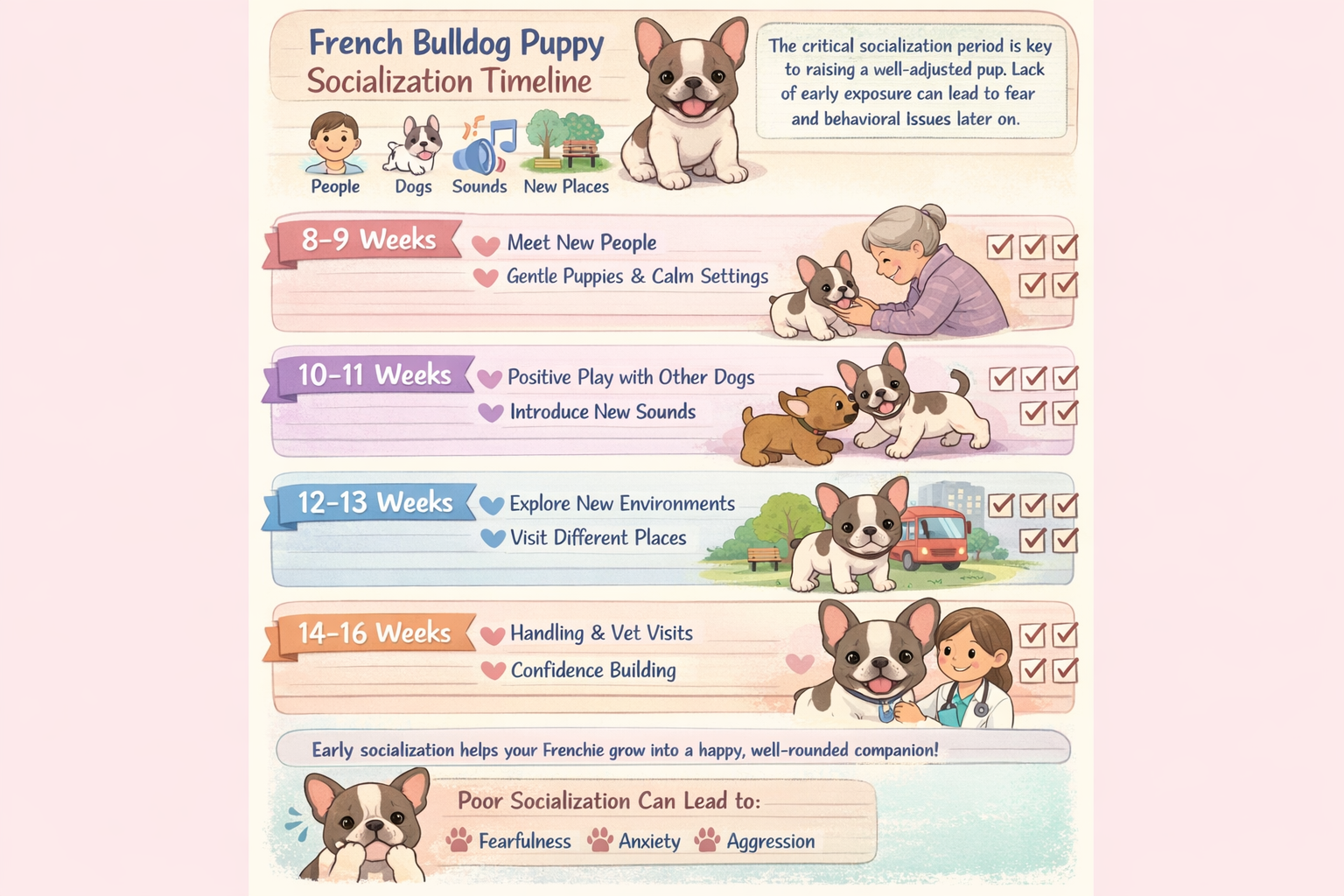
• Early socialization is critical: French Bulldog puppies need exposure to various people, animals, and environments between 8-16 weeks to prevent anxiety and behavioral issues later in life
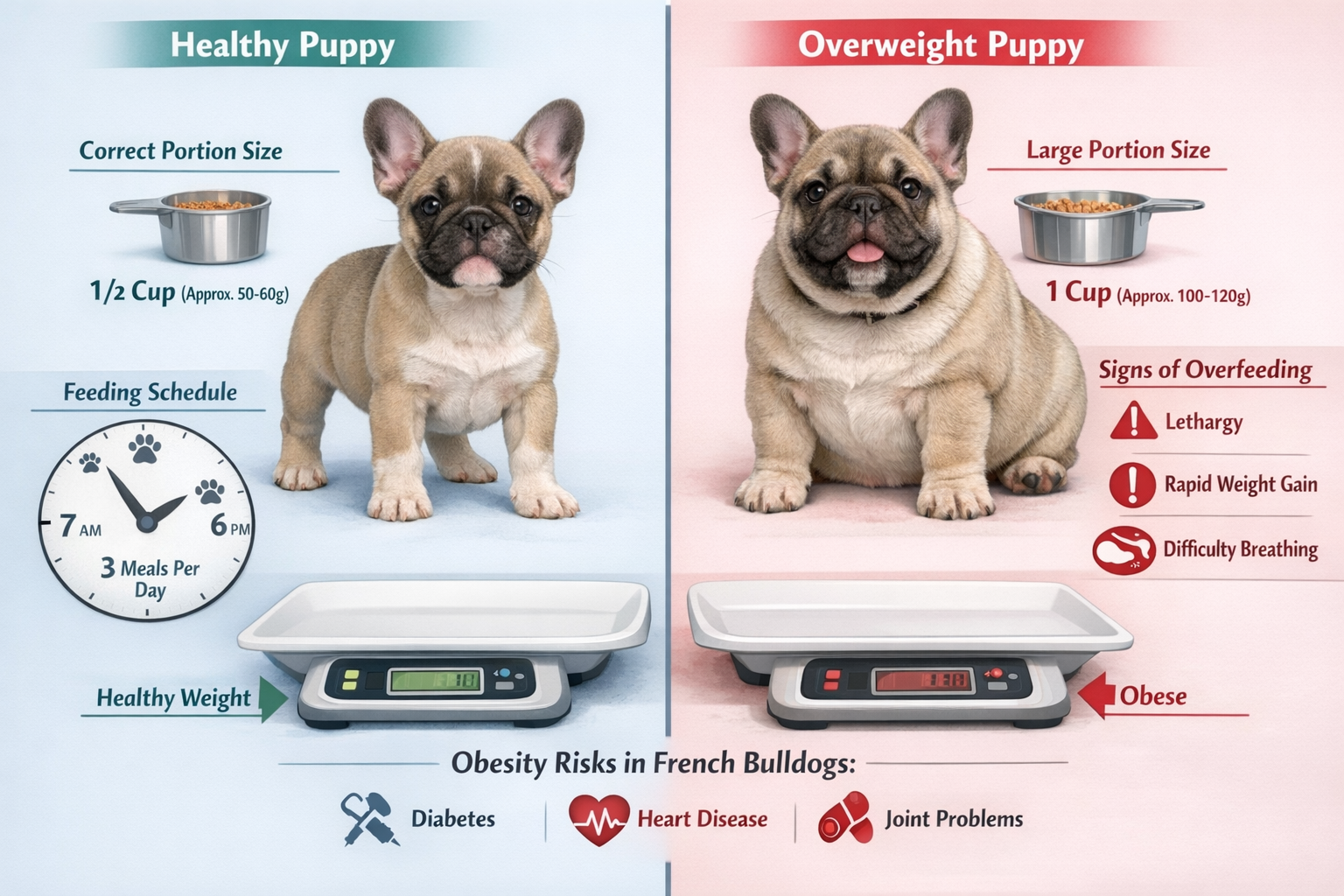
• Overfeeding is dangerous: Frenchies are prone to obesity, which can worsen breathing problems and lead to serious health conditions like diabetes and heart disease
• Routine veterinary care is essential: Regular check-ups help catch breed-specific health issues early, potentially saving thousands in emergency treatments
• Proper training requires patience: French Bulldogs respond best to positive reinforcement and consistent routines, not harsh correction methods
• Grooming and hygiene prevent infections: Regular wrinkle cleaning and proper grooming habits established early prevent painful skin infections and other health problems
The Critical First Months: Understanding French Bulldog Puppy Development
Before diving into the specific mistakes, it’s important to understand that French Bulldog puppies have unique developmental needs. Unlike some breeds that are naturally robust and adaptable, Frenchies require careful attention to their physical limitations and social development from day one.
The first 16 weeks of your puppy’s life are absolutely crucial for their long-term well-being. During this period, their immune system is developing, their personality is forming, and they’re learning how to navigate the world around them. The decisions you make during these early months will significantly impact your dog’s behavior, health, and quality of life for years to come.
Many new owners assume that caring for a French Bulldog puppy is similar to caring for any other breed, but this couldn’t be further from the truth. Frenchies have specific vulnerabilities related to their brachycephalic (flat-faced) structure, their social nature, and their unique temperament that require specialized knowledge and care approaches.
Mistake #1: Inadequate Socialization During the Critical Period
One of the most devastating mistakes new owners make is failing to properly socialize their French Bulldog puppy during the critical socialization window. This period, which occurs between 8 and 16 weeks of age, is when puppies are most receptive to new experiences and form lasting impressions about the world around them.
Why This Mistake Happens:
Many new owners worry about exposing their unvaccinated puppy to potential diseases, so they keep them isolated at home. Others simply don’t realize how important early socialization is for preventing future behavioral problems.
The Consequences:
Inadequately socialized French Bulldogs often develop anxiety, fearfulness, and reactivity issues that can persist throughout their lives. They may become overly protective, struggle with separation anxiety, or show aggression toward strangers or other dogs.
How to Do It Right:
- Start socialization immediately, even before full vaccination
- Invite vaccinated, friendly dogs to your home
- Carry your puppy to different environments to observe sights and sounds
- Introduce them to people of all ages, sizes, and appearances
- Use positive reinforcement to create good associations with new experiences
- Enroll in a puppy socialization class with a reputable trainer
For comprehensive guidance on this crucial topic, check out our French Bulldog training tips for beginners to ensure you’re building a solid foundation for your puppy’s social development.
Mistake #2: Overfeeding and Poor Nutrition Management
French Bulldogs are notorious for their food motivation, and their adorable begging faces make it incredibly difficult to resist giving them extra treats and meals. However, overfeeding is one of the most dangerous mistakes you can make with a Frenchie puppy.
Why This Mistake Happens:
New owners often equate food with love and want to make their puppy happy. Additionally, French Bulldogs are excellent at convincing their humans that they’re always hungry, even when they’ve just eaten.
The Serious Health Consequences:
Overfeeding can lead to obesity, which exacerbates breathing problems inherent to the breed. Overweight French Bulldogs are at higher risk for:
- Diabetes
- Pancreatitis
- Heart disease
- Joint problems
- Worsened brachycephalic obstructive airway syndrome (BOAS)
- Behavioral problems like food guarding and excessive begging
The Right Approach:
- Follow feeding guidelines based on your puppy’s age and weight
- Measure portions precisely using a kitchen scale
- Establish set meal times (typically 3-4 times daily for puppies)
- Limit treats to no more than 10% of daily calories
- Choose high-quality puppy food appropriate for small breeds
- Monitor your puppy’s body condition score regularly
For detailed guidance on proper nutrition, our best dog food for French Bulldogs guide provides expert recommendations for feeding your Frenchie at every life stage.
FYI: Some links may be affiliate links, which means I may earn a small commission at no extra cost to you.
If you’re dealing with digestive issues related to feeding mistakes, a natural probiotic formula designed to support your dog’s gut health can be helpful. These supplements work by balancing beneficial bacteria to improve nutrient absorption and overall vitality, which is especially important for French Bulldogs with sensitive stomachs.
Mistake #3: Insufficient Exercise and Mental Stimulation
While French Bulldogs aren’t high-energy dogs like Border Collies or Jack Russell Terriers, they still need regular exercise and mental stimulation. Many new owners make the mistake of thinking their Frenchie will be content lounging around all day without any structured activity.
Why This Mistake Happens:
French Bulldogs have a reputation for being “couch potatoes,” and their breathing limitations make some owners hesitant to exercise them. Additionally, their calm demeanor can mask their need for mental engagement.
The Problems This Creates:
Without adequate exercise and mental stimulation, French Bulldog puppies can develop:
- Destructive behaviors like chewing and digging
- Excessive barking
- Weight gain
- Anxiety and restlessness
- Difficulty settling down
- Attention-seeking behaviors
The Balanced Approach:
- Provide 20-30 minutes of gentle exercise daily, split into short sessions
- Focus on mental stimulation through puzzle toys and training
- Avoid exercise during hot weather or immediately after meals
- Take short walks in the early morning or evening
- Engage in indoor play during extreme temperatures
- Use sniff games and food puzzles to tire their minds
Remember that mental exercise is often more tiring for French Bulldogs than physical exercise, so incorporating training sessions and puzzle-solving into their daily routine is crucial for their well-being.
Mistake #4: Skipping Regular Veterinary Care and Health Monitoring
French Bulldogs are prone to several breed-specific health issues, making regular veterinary care absolutely essential. Unfortunately, many new owners either skip routine appointments due to cost concerns or assume their healthy-looking puppy doesn’t need frequent check-ups.
Why This Mistake Happens:
Veterinary care can be expensive, and young puppies often appear healthy and energetic. Some owners also underestimate the importance of preventive care versus emergency treatment.
The Long-Term Consequences:
Skipping regular veterinary care means missing opportunities for:
- Early detection of breathing problems
- Proper vaccination schedules
- Parasite prevention and treatment
- Nutritional guidance
- Behavioral counseling
- Spay/neuter timing recommendations
- Identification of genetic health issues before they become serious
The Smart Prevention Strategy:
- Schedule regular puppy check-ups as recommended by your veterinarian
- Keep detailed health records
- Monitor for breed-specific warning signs
- Establish a relationship with a veterinarian experienced with French Bulldogs
- Consider pet insurance to help manage costs
- Don’t delay seeking care when you notice concerning symptoms
For peace of mind and financial protection, explore our comprehensive guide to pet insurance for French Bulldogs to find coverage that fits your budget and your Frenchie’s specific health needs.
Mistake #5: Improper House Training Techniques
House training a French Bulldog puppy requires patience, consistency, and an understanding of their unique characteristics. Many new owners make critical errors that actually slow down the house training process and create confusion for their puppy.
Common House Training Mistakes:
- Inconsistent schedule and routine
- Punishment for accidents
- Inadequate supervision
- Wrong crate size or setup
- Cleaning accidents with ammonia-based cleaners
- Expecting too much too soon
Why French Bulldogs Need Special Consideration:
French Bulldogs have small bladders and may need more frequent potty breaks than larger breeds. They’re also sensitive dogs who don’t respond well to harsh corrections or punishment-based training methods.
The Effective Approach:
- Establish a consistent routine for meals, potty breaks, and sleep
- Take your puppy outside every 1-2 hours initially
- Reward successful outdoor elimination immediately
- Supervise constantly when not crated
- Clean accidents thoroughly with enzymatic cleaners
- Never punish accidents—simply redirect to the appropriate location
For step-by-step guidance, our potty training guide for French Bulldogs provides proven methods that work specifically for this breed’s learning style and physical needs.
Mistake #6: Neglecting Proper Grooming and Hygiene Habits
French Bulldogs have specific grooming needs that many new owners overlook or underestimate. Their facial wrinkles, sensitive skin, and unique coat require regular attention to prevent health problems and maintain comfort.
Critical Grooming Areas Often Neglected:
- Facial wrinkles: Need daily cleaning to prevent bacterial infections
- Tail pocket: Requires regular cleaning if present
- Ears: Need weekly cleaning to prevent infections
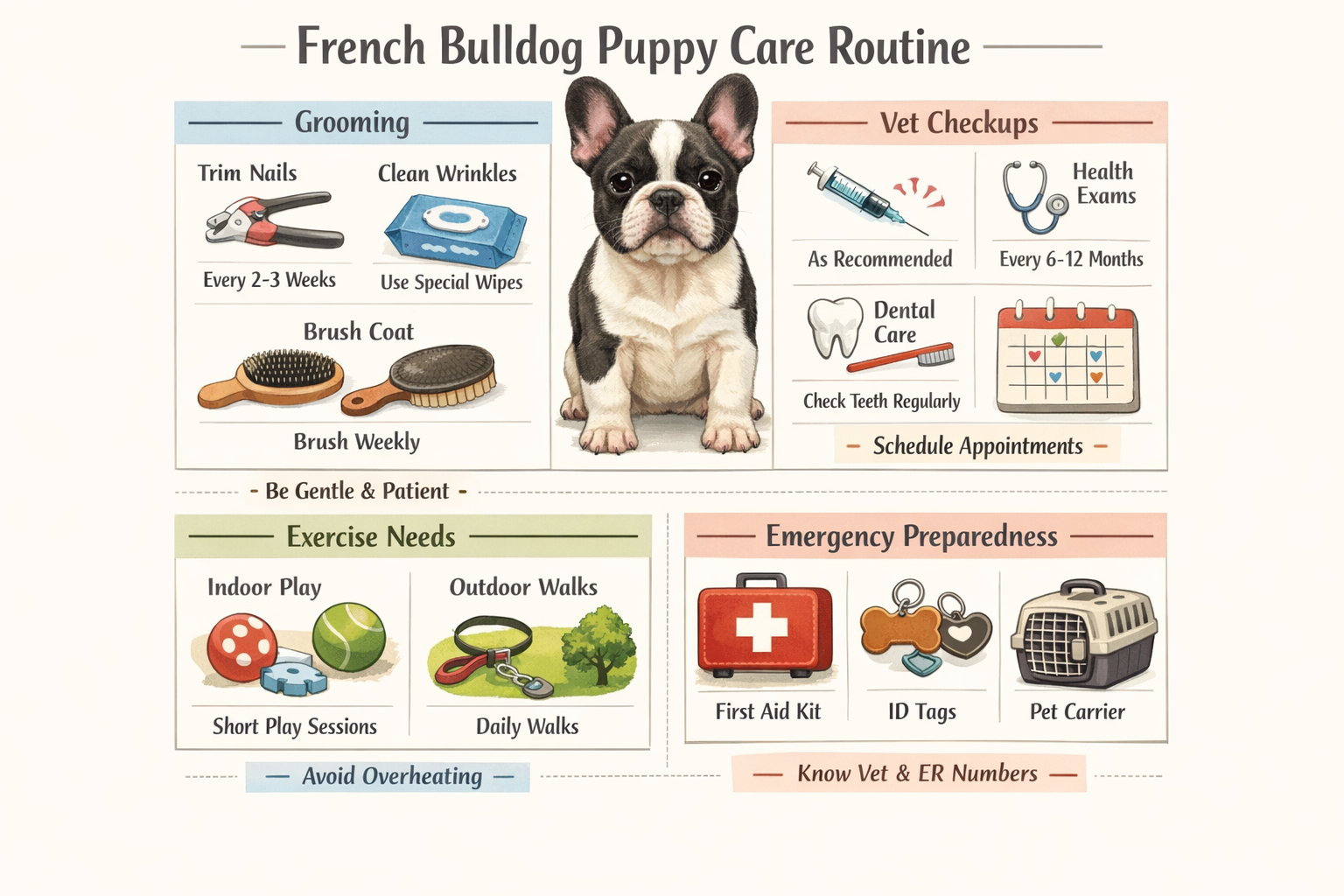
- Nails: Require regular trimming every 2-3 weeks
- Teeth: Need daily brushing to prevent dental disease
Why This Mistake Happens:
Many new owners don’t realize how quickly bacteria can build up in facial folds, or they’re intimidated by grooming tasks like nail trimming. Some also underestimate how early grooming habits need to be established.
The Health Risks:
Poor grooming hygiene can lead to:
- Painful skin fold dermatitis
- Ear infections
- Overgrown nails causing discomfort
- Dental disease and tooth loss
- Skin allergies and irritation[2]
The Prevention Protocol:
- Clean facial wrinkles daily with unscented baby wipes
- Establish grooming routines early while your puppy is young
- Use positive reinforcement to make grooming enjoyable
- Invest in quality grooming tools designed for sensitive skin
- Learn proper techniques for nail trimming and ear cleaning
- Schedule professional grooming as needed
Our French Bulldog grooming guide provides detailed instructions for maintaining your Frenchie’s hygiene and health at home.
Mistake #7: Inconsistent Training and Lack of Structure
French Bulldogs are intelligent dogs who thrive on routine and consistency, but they can also be stubborn when training methods aren’t appropriate for their personality. Many new owners struggle with inconsistent training approaches that confuse their puppy and slow progress.
Common Training Mistakes:
- Using harsh correction methods
- Inconsistent commands and expectations
- Training sessions that are too long
- Lack of positive reinforcement
- Multiple family members using different techniques
- Giving up too quickly when progress seems slow
Why Consistency Matters for French Bulldogs:
French Bulldogs are people-pleasers who want to understand what you expect from them, but they shut down when faced with confusing or harsh training methods. They respond best to short, positive training sessions that make learning fun and rewarding.
The Effective Training Framework:
- Use positive reinforcement exclusively
- Keep training sessions short (5-10 minutes)
- Ensure all family members use the same commands
- Practice basic commands daily
- Start with simple behaviors and gradually increase difficulty
- Be patient—French Bulldogs learn at their own pace
For comprehensive training guidance, explore our French Bulldog commands guide to teach essential behaviors that every Frenchie should know.
Mistake #8: Ignoring Environmental Hazards and Safety Concerns
French Bulldog puppies are curious and fearless, often getting themselves into dangerous situations before their owners realize the risks. Their brachycephalic anatomy also makes them more vulnerable to certain environmental hazards than other breeds.
Critical Safety Oversights:
- Temperature extremes: Frenchies overheat quickly and can’t regulate temperature effectively
- Water safety: Many French Bulldogs can’t swim due to their body structure
- Toxic substances: Household items, plants, and foods that are dangerous to dogs
- Small objects: Choking hazards that puppies might swallow
- Heights: Stairs and furniture that could cause injuries from falls
Heat-Related Dangers:
French Bulldogs are extremely susceptible to heat stroke due to their compromised breathing. Signs of overheating include:
- Excessive panting
- Drooling
- Weakness or collapse
- Bright red gums
- Vomiting
Creating a Safe Environment:
- Maintain comfortable indoor temperatures (68-72°F)
- Provide constant access to fresh water
- Puppy-proof your home by removing hazards
- Supervise water activities closely
- Avoid exercise during hot weather
- Learn to recognize signs of distress
Understanding your Frenchie’s unique vulnerabilities helps you create an environment where they can thrive safely. For more information about breathing-related concerns, read our guide on French Bulldog breathing problems.
Mistake #9: Poor Breeder Selection and Lack of Health Documentation
Many new owners focus solely on finding an affordable puppy without thoroughly researching the breeder’s reputation and health testing practices. This mistake can lead to a lifetime of expensive health problems and heartbreak.
Red Flags in Breeder Selection:
- No health testing documentation for parent dogs
- Puppies always available or multiple litters at once
- Won’t allow you to meet the mother dog
- No health guarantee or contract
- Selling puppies younger than 8 weeks
- Unusually low prices compared to reputable breeders
- Meeting in parking lots or public places instead of their facility
Essential Health Tests for French Bulldog Parents:
- Hip dysplasia evaluation
- Eye examination by a veterinary ophthalmologist
- Cardiac evaluation
- Degenerative myelopathy testing
- Hereditary cataracts testing
Questions to Ask Potential Breeders:
- Can I see health testing results for both parents?
- What health guarantee do you provide?
- Can I visit your facility and meet the puppy’s parents?
- What support do you offer after I take the puppy home?
- Are you involved in breed clubs or dog shows?
For a comprehensive list of important questions, check our breeder selection guide to help you find a responsible breeder who prioritizes health and temperament.
Mistake #10: Inadequate Emergency Preparedness
French Bulldogs can experience sudden health emergencies, particularly breathing crises, and many new owners aren’t prepared to respond appropriately. Having an emergency plan can literally save your dog’s life.
Common Emergency Situations:
- Heat stroke
- Breathing difficulties
- Allergic reactions
- Choking
- Injuries from falls
- Poisoning
Essential Emergency Preparations:
- Know the location and contact information for the nearest emergency veterinary clinic
- Keep a first aid kit specifically for your dog
- Learn to recognize signs of distress in French Bulldogs
- Have your veterinarian’s after-hours contact information readily available
- Keep important documents (vaccination records, medical history) easily accessible
- Maintain a list of toxic substances and emergency poison control numbers
Emergency Kit Essentials:
- Digital thermometer
- Gauze and medical tape
- Antiseptic wipes
- Emergency contact numbers
- Current photos of your dog
- Leash and collar with ID tags
- Carrier or crate for transport
- Any medications your dog takes regularly
Being prepared for emergencies isn’t about expecting the worst—it’s about being a responsible owner who can respond quickly and effectively if something goes wrong.
Helpful Resources for New French Bulldog Owners
If you’re looking for structured guidance to help your French Bulldog puppy develop into a well-behaved, confident adult, consider exploring proven training methods that use positive reinforcement techniques. A gentle, structured training solution can help address common behavioral challenges like reactivity, excessive barking, or difficulty with leash manners. These step-by-step programs use force-free, practical techniques trusted by many dog owners to create more peaceful, enjoyable daily experiences with their Frenchie.
Additionally, protecting your investment in your puppy’s health with reliable pet insurance can provide peace of mind and financial support for unexpected veterinary costs. Many French Bulldog owners find that having coverage for common breed-specific concerns like breathing disorders, skin allergies, and joint conditions helps them provide consistent, high-quality care without the stress of overwhelming expenses.
Building a Foundation for Lifelong Success
Avoiding these 10 mistakes new owners make with French Bulldog puppies isn’t just about preventing problems—it’s about creating the best possible life for your furry companion. Each mistake we’ve discussed can have long-lasting consequences, but with the right knowledge and approach, you can set your Frenchie up for a lifetime of health, happiness, and strong bonding with your family.
Remember that French Bulldogs are unique dogs with specific needs that differ significantly from other breeds. Their brachycephalic anatomy, social nature, and sensitive temperament require specialized care approaches that prioritize their physical and emotional well-being.
The investment you make in proper care, training, and health management during your puppy’s first year will pay dividends throughout their entire life. From establishing good grooming habits to ensuring proper socialization, every decision you make now shapes your dog’s future quality of life.
Conclusion
Bringing home a French Bulldog puppy is an exciting journey, but it comes with significant responsibilities that many new owners underestimate. By understanding and avoiding these 10 mistakes new owners make with French Bulldog puppies, you’re already ahead of the curve in providing excellent care for your new companion.
The key to success lies in education, preparation, and consistency. Take the time to learn about your Frenchie’s unique needs, establish routines that support their health and development, and don’t hesitate to seek professional help when needed. Whether it’s finding the right veterinarian, working with a qualified trainer, or connecting with experienced French Bulldog owners, building a support network will make your journey much smoother.
Your next steps should include:
- Assess your current practices against the mistakes outlined in this guide
- Create a comprehensive care plan that addresses socialization, training, health care, and emergency preparedness
- Establish relationships with qualified professionals including a veterinarian experienced with French Bulldogs
- Invest in proper supplies including quality food, grooming tools, and safety equipment
- Continue your education by staying informed about French Bulldog care and health advances
Remember, every French Bulldog is an individual with their own personality and needs. While this guide provides essential foundation knowledge, always pay attention to your specific puppy’s signals and adjust your approach accordingly. With patience, consistency, and the right information, you and your French Bulldog puppy can build a wonderful life together filled with joy, companionship, and mutual respect.
The mistakes outlined in this guide are completely preventable with proper knowledge and preparation. By taking a proactive approach to your puppy’s care, you’re not just avoiding problems—you’re actively creating the conditions for your Frenchie to thrive as a healthy, well-adjusted, and beloved family member for years to come.
References
[1] 8 First Time Dog Owner Mistakes That You Should Avoid – https://www.frenchie.shop/blogs/frenchie-shop-blog/8-first-time-dog-owner-mistakes-that-you-should-avoid
[2] Watch – https://www.youtube.com/watch?v=NCyQer_hYxE