
French Bulldog Commands Every Owner Should Teach: Essential Training for Your Apartment-Friendly Companion
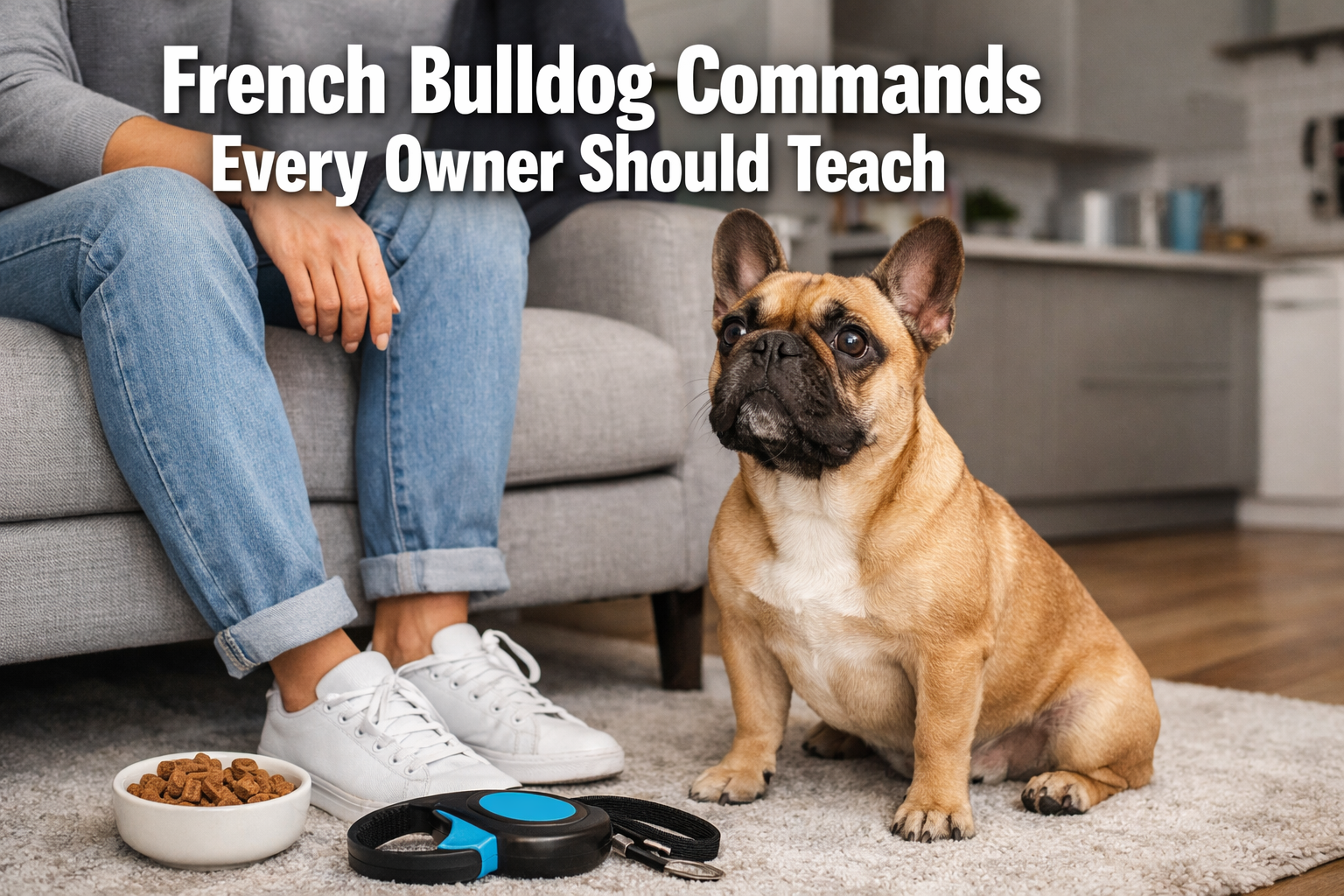
Picture this: You’re walking through your apartment hallway when your neighbor’s door suddenly opens. Instead of your French Bulldog lunging forward or jumping excitedly, they calmly sit by your side, waiting for your next cue. This isn’t a fantasy—it’s the result of mastering the French Bulldog commands every owner should teach for a well-behaved, confident companion.
French Bulldogs are naturally intelligent and eager to please, but their stubborn streak and apartment-dwelling lifestyle require a specific approach to training. Unlike high-energy breeds that need extensive outdoor commands, Frenchies thrive with focused, indoor-friendly training that emphasizes impulse control and polite behavior in close quarters.
Key Takeaways
• Start with foundational commands like “sit,” “stay,” and “come” to build impulse control and safety
• Keep training sessions short (5-10 minutes) multiple times per day for optimal attention and retention
• Use positive reinforcement exclusively—French Bulldogs shut down with harsh corrections and respond best to treats and praise
• Focus on apartment-appropriate behaviors like calm greetings, controlled walking, and quiet commands
• Be more persistent than your Frenchie—consistency and patience are essential for overcoming their natural stubbornness
Essential Foundation Commands for French Bulldogs

The “Sit” Command: Your Training Foundation
The “sit” command serves as the cornerstone for all other training with French Bulldogs. This simple yet powerful command teaches impulse control and gives you an immediate way to redirect unwanted behaviors like jumping or rushing toward doors.
Step-by-step training process:
- Hold a treat close to your Frenchie’s nose and slowly lift it over their head
- Say “sit” clearly as their bottom naturally touches the ground
- Immediately reward with the treat and enthusiastic praise
- Practice 3-5 repetitions during each short training session
- Gradually phase out treats while maintaining verbal praise
French Bulldogs typically master this command within a few days of consistent practice. The key is timing—reward the exact moment their bottom hits the floor to create a clear connection between the action and reward.
Real-world applications:
- Before meals to prevent food guarding
- At doorways before going outside
- When guests arrive to prevent jumping
- During grooming or vet examinations
Teaching “Stay”: Building Impulse Control
The “stay” command transforms your French Bulldog from an impulsive companion into a thoughtful one. This command is particularly crucial for apartment living, where your Frenchie needs to remain calm in small spaces and around frequent distractions.
Progressive training method:
Week 1: Foundation
- Start with your dog in the “sit” position
- Hold your palm up in a “stop” gesture and say “stay”
- Take one small step backward
- Wait 2-3 seconds, then return and reward
- Gradually increase to 5-10 seconds
Week 2: Distance
- Increase distance to 3-4 feet
- Maintain 10-15 second duration
- Practice in different rooms of your apartment
Week 3: Distractions
- Add mild distractions like dropping a toy
- Practice during doorbell sounds or hallway noises
- Maintain the stay for 30+ seconds
“French Bulldogs are highly attuned to owners’ tone of voice and facial expressions, making training success depend partly on the owner’s emotional communication style”
Common mistakes to avoid:
- Returning to your dog if they break the stay (this rewards the wrong behavior)
- Using an excited tone that encourages movement
- Practicing for too long initially, causing frustration
Mastering “Come”: The Ultimate Safety Command
The “come” command can literally save your French Bulldog’s life. Whether they’ve slipped out of their collar or are heading toward something dangerous, a reliable recall is non-negotiable for responsible ownership.
Building a bulletproof recall:
Phase 1: Indoor Foundation (Week 1-2)
- Practice in a hallway or single room
- Use an excited, happy voice when saying “come”
- Reward generously with high-value treats
- Never call your dog to come for something unpleasant
Phase 2: Controlled Outdoor Practice (Week 3-4)
- Use a long training leash in a fenced area
- Practice during low-distraction times
- Gradually increase distance and distractions
- Always reward, even if they take their time responding
Phase 3: Real-World Application (Week 5+)
- Practice during regular walks
- Use the command before crossing streets
- Test in dog-friendly stores or cafes
- Maintain consistent rewards for quick responses
For those seeking a more structured approach to building reliable recall and reducing reactive behaviors during walks, this gentle training method offers force-free techniques specifically designed to help dogs become calmer and more focused in distracting environments.
FYI: Some links may be affiliate links, which means I may earn a small commission at no extra cost to you.
Practical Commands for Daily French Bulldog Management
“Heel”: Creating Enjoyable Walks
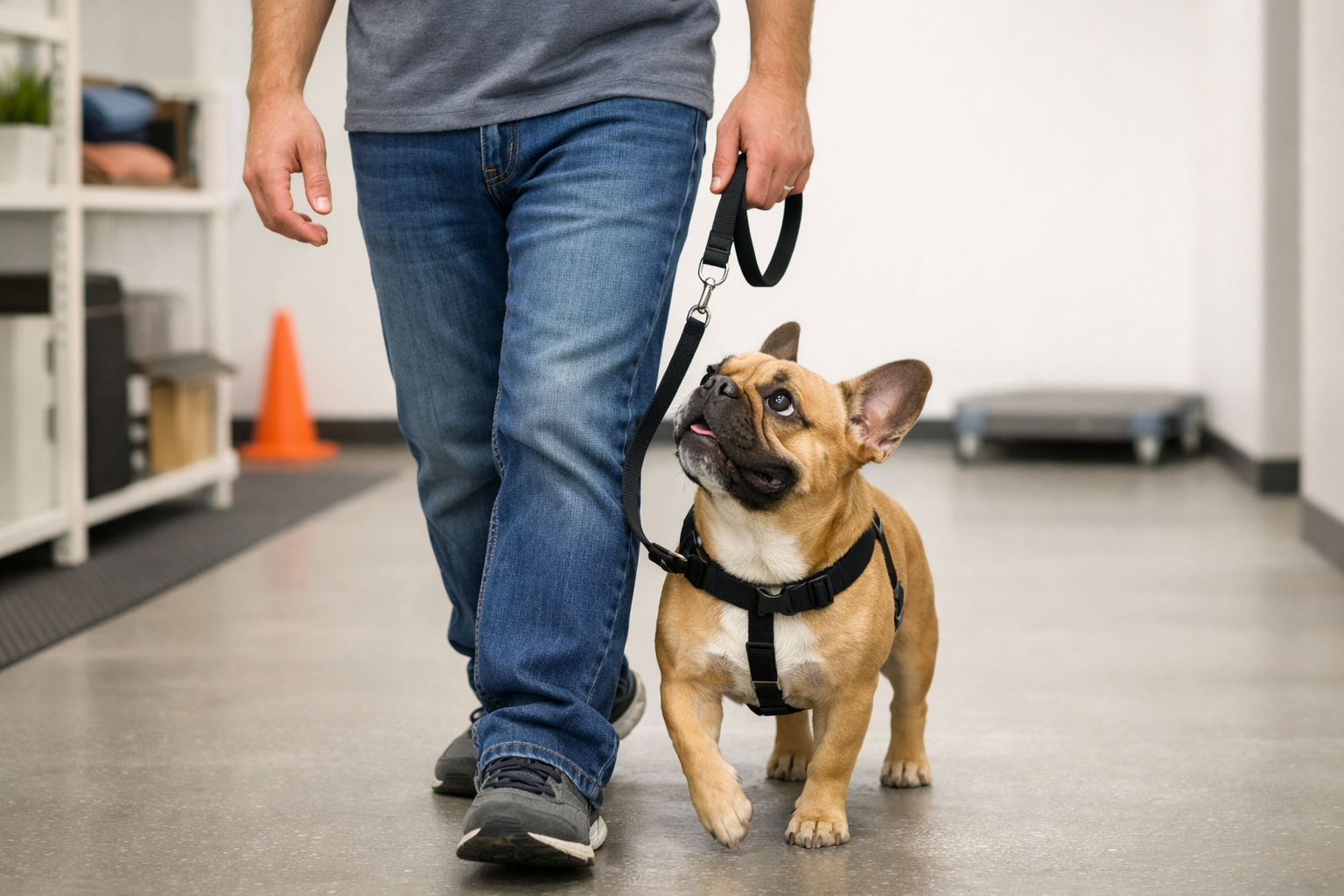
French Bulldogs often resist leash walking initially, with many owners describing their Frenchies as “planting their feet” and refusing to move. The “heel” command transforms these frustrating walks into pleasant bonding experiences while protecting your dog’s sensitive airway.
Proper equipment setup:
- Use a well-fitted harness rather than a collar
- Ensure two fingers of space between the harness and your dog’s body
- Choose a 4-6 foot leash for optimal control
- Consider our guide to the best harness options for French Bulldogs
Training the heel command:
Step 1: Indoor Practice
- Start in your apartment hallway
- Hold treats at your left side
- Say “heel” and begin walking slowly
- Reward when your Frenchie walks beside you
- Practice 5-minute sessions twice daily
Step 2: Outdoor Transition
- Begin with short 10-15 minute walks
- Choose quiet times with fewer distractions
- Consistently reward position beside your leg
- Stop moving if your dog pulls ahead
Step 3: Advanced Heel Work
- Practice direction changes and speed variations
- Add the “heel” command during regular walks
- Gradually reduce treat frequency while maintaining praise
- Use the command when approaching other dogs or people
“Wait” and “Okay”: Doorway Safety
Apartment living means frequent encounters with doors, elevators, and hallways. The “wait” and “okay” commands create a safety system that prevents your French Bulldog from rushing into potentially dangerous situations[8].
Teaching the wait command:
- At doorways: Have your Frenchie sit before opening any door
- Say “wait” with a firm but calm voice
- Open the door slowly while blocking their path with your body
- Wait 3-5 seconds before giving the “okay” release command
- Practice at interior doors first before moving to exterior doors
Advanced applications:
- Before getting out of cars
- At elevator doors
- When approaching dog parks or busy areas
- Before meal times to prevent food rushing
This command pair is particularly valuable for first-time French Bulldog owners who need to establish clear boundaries and safety protocols.
“Quiet”: Managing Apartment Barking
French Bulldogs can be vocal, which doesn’t always mesh well with apartment living and close neighbors. The “quiet” command helps manage barking without suppressing your dog’s natural communication entirely.
Positive approach to bark control:
Identify triggers first:
- Doorbell or knock sounds
- Hallway footsteps
- Other dogs barking
- Delivery trucks or sirens
Training process:
- Allow 1-2 barks (they’re alerting you, which is natural)
- Say “quiet” in a calm voice while holding a treat near their nose
- The moment they stop barking, reward immediately
- Gradually increase the quiet duration before rewarding
- Practice during calm moments to reinforce the command
Management strategies:
- Use white noise or calming music to mask trigger sounds
- Reward calm behavior when potential triggers occur
- Avoid shouting, which often increases barking intensity
- Consider whether your Frenchie needs more mental stimulation
Advanced Commands for Well-Behaved French Bulldogs
“Drop It” and “Leave It”: Impulse Control Mastery
French Bulldogs are notorious for picking up inappropriate items during walks or around the apartment. These two commands work together to keep your dog safe and your belongings intact.
Teaching “drop it”:
Method 1: Trade System
- When your Frenchie has something inappropriate, offer a high-value treat
- Say “drop it” as they release the item to take the treat
- Immediately praise and give the treat
- Never chase or wrestle items away, as this becomes a game
Method 2: Planned Practice
- Give your dog a toy or appropriate chew item
- After a few minutes, say “drop it” and offer a treat
- When they drop the item, reward and give the item back
- This teaches that “drop it” doesn’t mean permanent loss
Teaching “leave it”:
Phase 1: Closed Fist Method
- Hold a treat in your closed fist
- Let your Frenchie sniff and paw at your hand
- Say “leave it” and wait for them to stop trying
- The moment they back away or look at you, reward with a different treat
- Practice until they immediately stop trying when you say “leave it”
Phase 2: Floor Practice
- Place a treat on the floor and cover it with your foot
- Say “leave it” when your dog approaches
- Reward when they look away or back up
- Gradually remove your foot while maintaining the command
Phase 3: Walking Applications
- Practice during walks with dropped food or interesting smells
- Use “leave it” before approaching other dogs (with permission)
- Apply to inappropriate chewing around the apartment
“Touch”: Building Focus and Connection
The “touch” command creates a reliable way to redirect your French Bulldog’s attention and strengthen your bond. This command is particularly useful for dogs who get distracted during training or become anxious in new situations.
Step-by-step training:
- Hold your palm flat, about 6 inches from your dog’s nose
- Say “touch” and wait for them to sniff or nudge your hand
- Mark the moment their nose touches your palm with “yes!” or a clicker
- Immediately reward with a treat and praise
- Gradually increase distance and practice in different locations
Practical applications:
- Redirecting attention from distractions during walks
- Encouraging shy or anxious dogs to engage
- Creating a positive association with new people (they can ask for a “touch”)
- Interrupting fixation behaviors like staring at other dogs
“Place” or “Go to Bed”: Calm Settling
Teaching your French Bulldog to go to a specific spot and settle helps manage excitement during daily routines and provides a calm space for relaxation.
Creating the perfect “place”:
- Choose a comfortable dog bed or mat
- Position it away from high-traffic areas but still visible to family
- Make it exclusively for this command (not for general lounging)
- Ensure it’s large enough for your Frenchie to stretch out comfortably
Training progression:
Week 1: Basic Association
- Lead your dog to the bed and say “place”
- Reward when all four paws are on the bed
- Release with “okay” after 5-10 seconds
- Practice 5-10 times per day
Week 2: Distance and Duration
- Send your dog to the bed from across the room
- Gradually increase settling time to 5-10 minutes
- Reward calm lying down, not just standing on the bed
Week 3: Real-World Use
- Use “place” when guests arrive
- Send your dog to their spot during meal preparation
- Practice during doorbell or delivery situations
For more comprehensive guidance on establishing routines and avoiding common pitfalls, check out our article on common mistakes French Bulldog owners make.
Training Tips Specific to French Bulldogs
Understanding the Frenchie Mindset
French Bulldogs have a unique personality that requires specific training adaptations. They’re intelligent but selective about when they choose to listen, making consistency and motivation crucial for success.
Key characteristics affecting training:
Stubbornness Factor
- French Bulldogs test boundaries consistently
- They need owners who are “more stubborn” than they are
- Inconsistency in rules leads to persistent testing behaviors
- Clear, non-negotiable boundaries work best
Motivation-Driven Learning
- Frenchies excel when they see personal benefit in behaviors
- Food motivation typically works better than toy motivation
- Social praise and attention serve as powerful secondary rewards
- They learn faster when training feels like a game rather than work
Sensitivity to Correction
- Harsh methods or loud voices cause French Bulldogs to “shut down”
- They may become resistant or refuse to participate if training feels negative
- Positive reinforcement builds confidence and eagerness to learn
- Relationship-based training creates stronger, more reliable behaviors
Optimal Training Schedule and Environment
Session Structure for Maximum Success:
| Time of Day | Session Type | Duration | Focus |
|---|---|---|---|
| Morning | Basic Commands | 5-10 minutes | Sit, Stay, Come |
| Afternoon | Practical Skills | 10-15 minutes | Heel, Wait, Quiet |
| Evening | Fun/Advanced | 5-10 minutes | Touch, Drop It, Place |
Environmental Considerations:
- Start training in quiet, familiar spaces with minimal distractions
- Gradually increase environmental challenges as commands become reliable
- Practice in different rooms to ensure commands generalize
- Use high-value treats during challenging or new training scenarios
Physical Limitations to Remember:
- Avoid strenuous exercise until 8-12 months of age due to joint development
- Keep training sessions short due to breathing considerations
- Provide water breaks during longer training sessions
- Watch for signs of overheating, especially during summer months
Troubleshooting Common Training Challenges
Challenge 1: Selective Hearing
When your Frenchie “knows” a command but chooses to ignore it:
- Return to basics in a controlled environment
- Increase the value of rewards temporarily
- Ensure you’re not repeating commands multiple times
- Practice the command when your dog is more likely to succeed
Challenge 2: Excitement Overload
French Bulldogs can become too excited to focus during training:
- Start training sessions when your dog is calm, not after play
- Use lower-value treats to maintain focus without over-excitement
- Practice calming exercises like “settle” before command training
- Keep sessions shorter when dealing with high excitement
Challenge 3: Apartment Distractions
Urban living presents unique training challenges:
- Use hallway noises as training opportunities rather than avoiding them
- Practice commands during different times of day when distraction levels vary
- Reward calm behavior during unexpected sounds or activities
- Gradually expose your Frenchie to apartment-specific situations
For additional support with specific behavioral challenges, particularly if your French Bulldog shows reactive behaviors during walks or becomes overstimulated in busy environments, this structured training approach offers practical, force-free techniques that many owners find helpful for creating calmer, more focused daily routines.
Building Long-Term Training Success
Consistency Across All Family Members
One of the biggest obstacles to successful French Bulldog training is inconsistency between family members. When different people use different commands or rules, your Frenchie will quickly learn to take advantage of the confusion.
Creating Family Training Unity:
Command Standardization
- Write down exact words for each command (e.g., “down” vs. “lie down”)
- Post the list where all family members can reference it
- Practice commands together so everyone uses the same tone and body language
- Assign primary training responsibility to one person initially
Rule Enforcement
- Decide on household rules before training begins (furniture access, begging policies, etc.)
- Ensure all family members understand and enforce the same boundaries
- Address rule violations immediately and consistently
- Regular family meetings to discuss training progress and challenges
Reward Consistency
- Use the same types of treats and praise across all family members
- Maintain similar timing for rewards (immediate reinforcement)
- Agree on when to use treats vs. praise only
- Ensure everyone knows how to properly reward good behavior
Maintaining Training Throughout Your Frenchie’s Life
Training doesn’t end once your French Bulldog masters basic commands. Ongoing practice and skill development keep your dog mentally stimulated and behaviorally sound throughout their 10-14 year lifespan.
Monthly Training Maintenance:
- Review all basic commands weekly with brief practice sessions
- Introduce new tricks or commands every few months for mental stimulation
- Practice emergency commands (come, stay) in increasingly challenging environments
- Address any behavioral drift immediately before it becomes established
Age-Appropriate Adaptations:
Puppy Stage (8 weeks – 6 months):
- Focus on basic commands and socialization
- Keep sessions very short (3-5 minutes)
- Emphasize positive associations with training
- Integrate training with essential puppy care routines
Adult Stage (6 months – 7 years):
- Maintain and refine all basic commands
- Add complex behaviors and tricks
- Focus on real-world applications and reliability
- Use training for mental exercise and bonding
Senior Stage (7+ years):
- Adapt training to physical limitations
- Focus on maintaining cognitive function through gentle mental exercise
- Modify commands if hearing or vision changes occur
- Emphasize comfort and stress reduction in training approaches
Professional Training Resources
While most French Bulldog owners can successfully teach basic commands at home, certain situations benefit from professional guidance.
When to Consider Professional Help:
- Persistent aggression or resource guarding behaviors
- Severe separation anxiety affecting quality of life
- Inability to achieve reliable recall after months of practice
- Complex behavioral issues requiring specialized knowledge
Types of Professional Support:
Certified Dog Trainers
- Group classes for socialization and basic obedience
- Private sessions for specific behavioral challenges
- Puppy kindergarten classes for early socialization
- Advanced training for therapy or service work preparation
Veterinary Behaviorists
- Medical evaluation of behavioral problems
- Prescription medication for anxiety or compulsive behaviors
- Complex aggression cases requiring medical intervention
- Comprehensive behavior modification plans
Online Training Programs
- Structured video-based learning for consistent methodology
- Access to professional trainers for questions and guidance
- Progress tracking and customized training plans
- Cost-effective alternative to in-person training
Helpful Training Resources

If you’re looking for additional support in creating a well-behaved French Bulldog, especially if your Frenchie shows reactive behaviors during walks or struggles with impulse control in stimulating environments, consider exploring structured training programs designed specifically for these challenges.
This comprehensive training approach focuses on building calmer, more focused behaviors using gentle, force-free methods that align well with the French Bulldog temperament. The program addresses common issues like barking, lunging, and difficulty maintaining attention during walks—all while building confidence and strengthening the bond between you and your Frenchie.
The step-by-step format makes it particularly suitable for busy professionals and apartment dwellers who need practical solutions that fit into their daily routines. Many French Bulldog owners find that having a structured system helps them stay consistent with training while addressing breed-specific challenges effectively.
Remember, every French Bulldog is unique, and what works for one may need adaptation for another. The key is finding approaches that respect your dog’s individual personality while building the essential skills needed for harmonious apartment living and daily life management.
Conclusion
Teaching your French Bulldog essential commands isn’t just about obedience—it’s about creating a harmonious relationship that enhances both your lives. The French Bulldog commands every owner should teach form the foundation for a well-behaved companion who can confidently navigate apartment living, social situations, and daily routines.
Remember that French Bulldogs respond best to short, positive training sessions that respect their unique personality and physical limitations. Start with the foundational commands of sit, stay, and come, then gradually build your dog’s skill set with practical commands like heel, wait, and quiet. Advanced commands such as drop it, touch, and place provide mental stimulation while solving real-world management challenges.
Your next steps:
- Choose one foundational command to focus on this week
- Set up a consistent daily training schedule with 5-10 minute sessions
- Gather high-value treats and establish your training space
- Involve all family members in learning proper command techniques
- Track your progress and celebrate small victories along the way
Success with French Bulldog training requires patience, consistency, and understanding of your dog’s unique needs. By investing time in proper command training now, you’re building the foundation for years of enjoyable companionship with your well-behaved Frenchie.
For additional guidance on French Bulldog care and training, explore our comprehensive resources on puppy training fundamentals and crate training techniques to support your training journey.
References
[1] French Bulldog Puppy Training 101 Essential Tips – https://www.joiipetcare.com/blogs/advice/french-bulldog-puppy-training-101-essential-tips
[2] Training French Bulldogs What Every Owner Needs To Know – https://www.thetrainingofdogs.com/post/training-french-bulldogs-what-every-owner-needs-to-know
[3] The Ultimate Dog Training Guide – https://www.petworks.com/articles/the-ultimate-dog-training-guide/
[4] Training French Bulldogs – https://www.bestmatedogtraining.co.nz/training-french-bulldogs
[5] How To Train Your Dog In 2026 A Practical Step By Step Guide – https://www.petmate.com/blogs/petmate-academy/how-to-train-your-dog-in-2026-a-practical-step-by-step-guide
[6] French Bulldog Puppy Training Timeline – https://www.akc.org/expert-advice/training/french-bulldog-puppy-training-timeline/
[8] New Year New Tricks Commands To Teach Your Dog In 2026 – https://wooof.co.uk/blogs/news/new-year-new-tricks-commands-to-teach-your-dog-in-2026