
9 Signs Your French Bulldog Is Unhealthy: A Complete Health Guide for Frenchie Owners
Picture this: You’re cuddling with your beloved Frenchie on the couch when you notice something’s not quite right. Maybe their breathing sounds different, or they seem less energetic than usual. As a French Bulldog parent, recognizing the 9 signs your French Bulldog is unhealthy can make the difference between early intervention and serious health complications. French Bulldogs, with their adorable flat faces and compact bodies, are unfortunately prone to specific health issues that require vigilant monitoring from their devoted owners.
Key Takeaways
• Breathing difficulties are the most critical warning sign, with French Bulldogs being 42 times more likely to have breathing problems than other breeds
• Early detection of health issues through regular monitoring can prevent minor problems from becoming life-threatening emergencies
• Breed-specific conditions like BOAS, hip dysplasia, and skin fold dermatitis affect the majority of French Bulldogs and require specialized care
• Professional veterinary care should be sought immediately if you notice multiple warning signs occurring together
• Preventive measures including proper diet, weight management, and regular health screenings can significantly improve your Frenchie’s quality of life
Understanding Your French Bulldog’s Unique Health Challenges
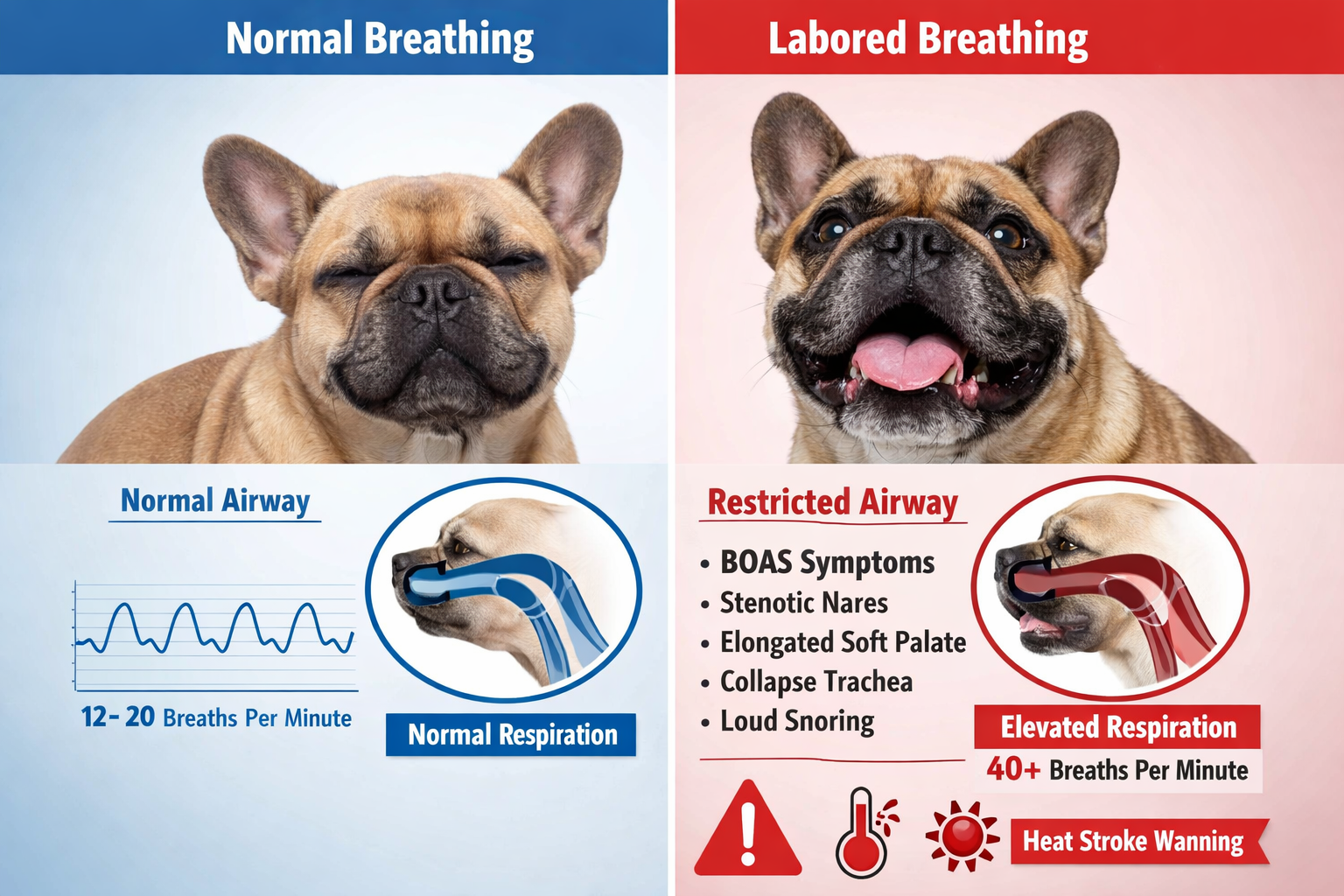
French Bulldogs have captured hearts worldwide with their charming personalities and apartment-friendly size. However, their distinctive physical characteristics—particularly their brachycephalic (flat-faced) structure—make them susceptible to specific health conditions that other breeds rarely experience.
Why French Bulldogs Face More Health Challenges:
- Compressed airways due to shortened skulls
- Narrow ear canals that trap moisture and debris
- Skin folds that create warm, moist environments for bacteria
- Genetic predisposition to joint and spinal problems
- Heat sensitivity due to inefficient cooling systems
Understanding these vulnerabilities helps you become a more informed and proactive pet parent. Let’s explore the nine critical warning signs that indicate your French Bulldog may need immediate veterinary attention.
1. Severe Breathing Difficulties and Exercise Intolerance 🫁
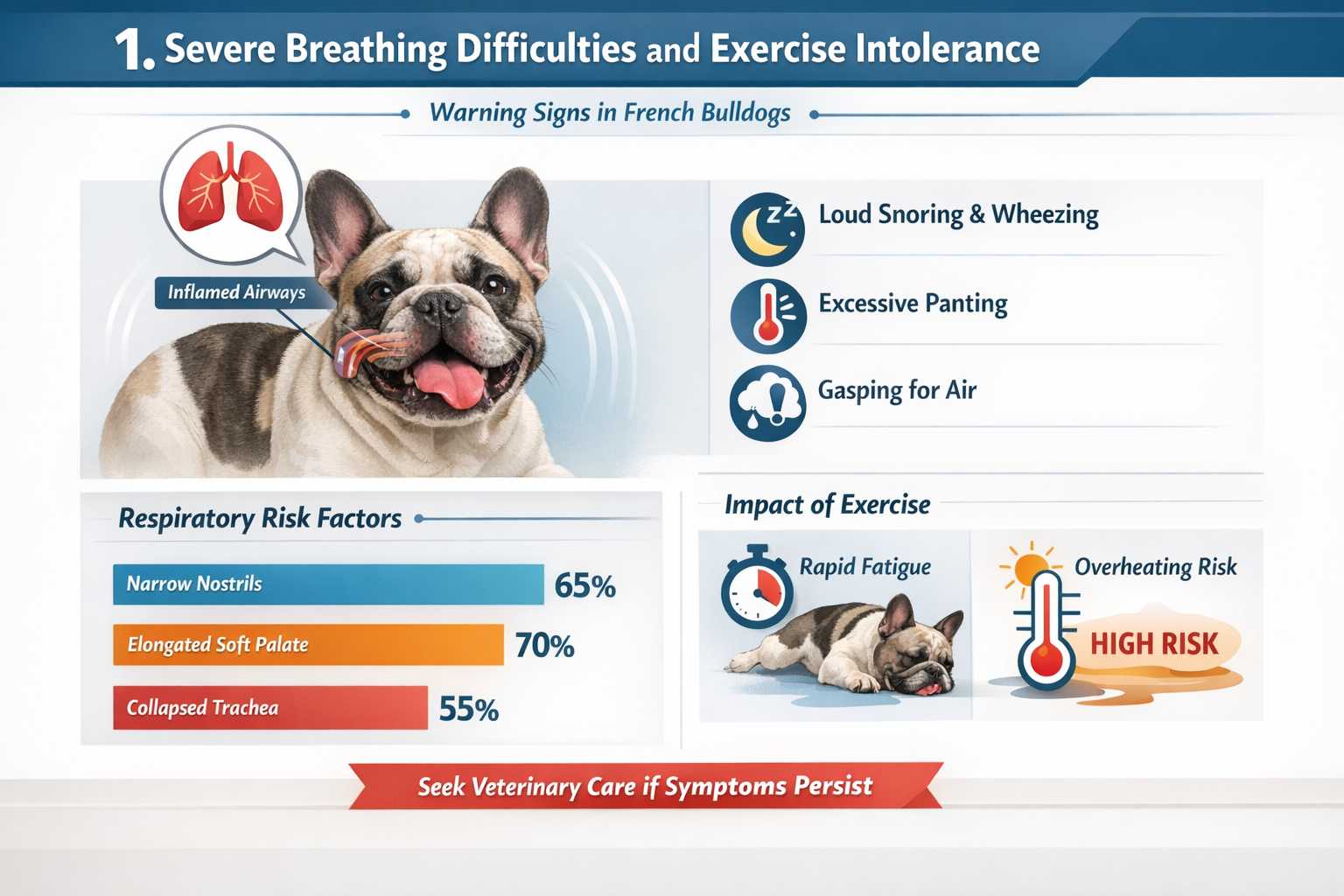
The most serious health concern for French Bulldogs involves their respiratory system. Brachycephalic Obstructive Airway Syndrome (BOAS) affects approximately 50% of all French Bulldogs, while stenotic nares (narrowed nostrils) occur at rates 42 times higher than in other breeds.
Warning Signs to Watch For:
Immediate Red Flags:
- Loud, persistent wheezing or snoring while awake
- Excessive panting even during rest
- Blue-tinged gums or tongue (cyanosis)
- Collapsing or fainting during mild activity
- Sleeping in unusual positions (sitting up, head elevated)
Behavioral Changes:
- Reluctance to exercise or play
- Stopping frequently during short walks
- Preferring to lie on cool surfaces
- Avoiding stairs or elevated areas
“French Bulldogs with severe BOAS may require surgical intervention to open their airways. Early recognition of breathing difficulties can be life-saving.” – Veterinary Respiratory Specialist
For comprehensive information about breathing issues in French Bulldogs, including treatment options and prevention strategies, check out our detailed French Bulldog breathing problems guide.
When to Seek Emergency Care:
If your Frenchie shows signs of respiratory distress combined with collapse, blue gums, or inability to cool down, this constitutes a veterinary emergency requiring immediate attention.
2. Persistent Ear Infections and Discharge 👂
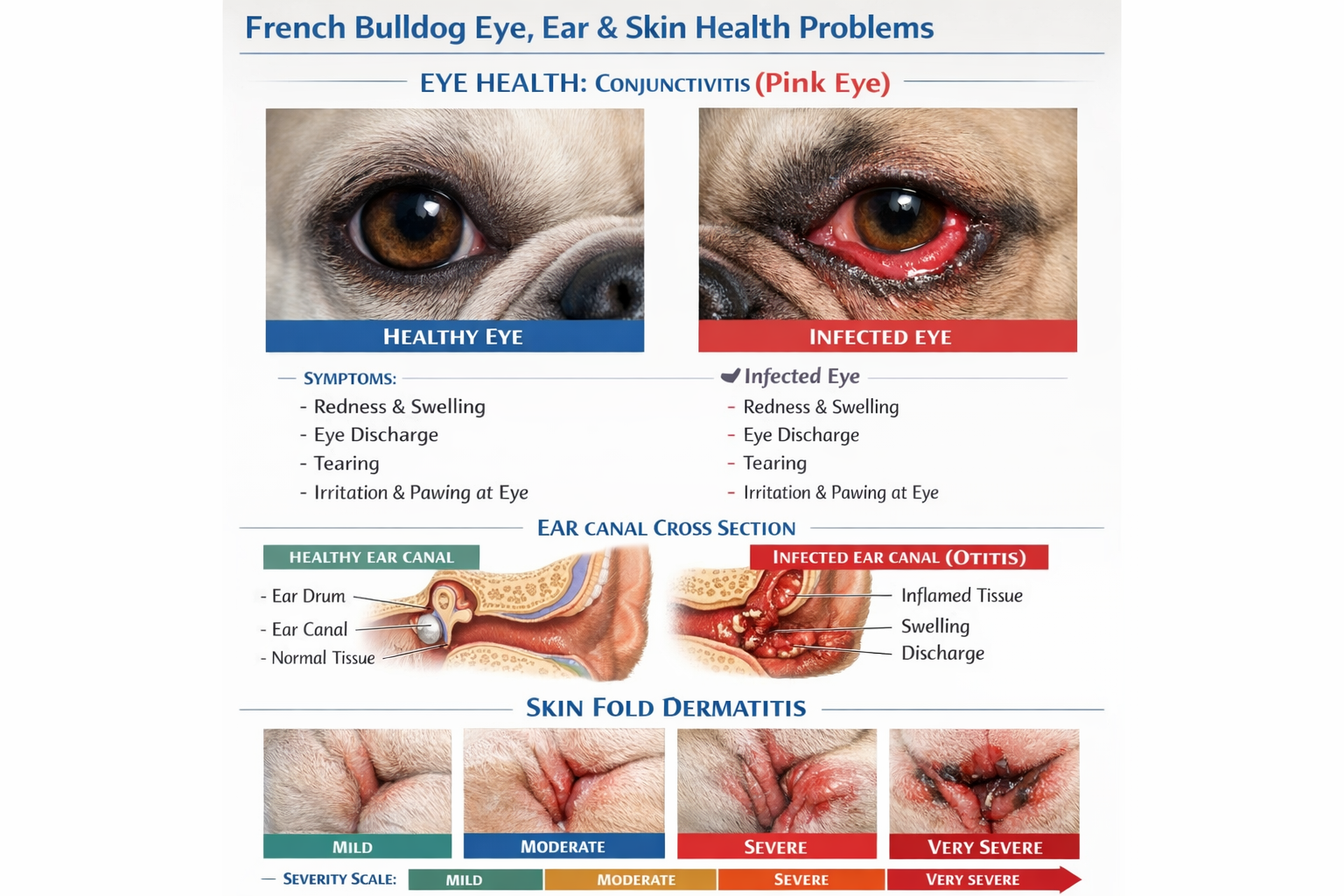
Ear problems rank as the #1 most common health issue affecting French Bulldogs due to their abnormally narrow ear canals and poor air circulation. The unique anatomy of Frenchie ears creates an ideal environment for bacterial and yeast overgrowth.
Identifying Ear Health Problems:
Visual Symptoms:
- Dark, waxy, or foul-smelling discharge
- Red, inflamed ear canals
- Swelling around the ear opening
- Brown or black debris accumulation
Behavioral Indicators:
- Excessive head shaking or tilting
- Scratching at ears until they bleed
- Reluctance to have head touched
- Loss of balance or coordination
- Hearing difficulties
Common Ear Conditions in French Bulldogs:
| Condition | Symptoms | Urgency Level |
|---|---|---|
| Bacterial Infection | Yellow/green discharge, odor | Moderate |
| Yeast Infection | Brown waxy discharge, sweet smell | Moderate |
| Ear Mites | Dark coffee-ground debris | Low-Moderate |
| Chronic Otitis | Scarring, hearing loss | High |
Prevention Tips:
- Clean ears weekly with veterinarian-approved solutions
- Keep ears dry after baths or swimming
- Monitor for early signs of irritation
- Avoid using cotton swabs deep in the ear canal
If left untreated, chronic ear infections can lead to permanent hearing loss and require surgical intervention. Regular ear maintenance is essential for your Frenchie’s comfort and health.
3. Gastrointestinal Distress and Digestive Issues 🤢
French Bulldogs are notorious for having sensitive stomachs, making digestive problems a frequent concern for owners. Diarrhea and vomiting can range from mild dietary indiscretions to serious medical emergencies requiring immediate intervention.
Recognizing Digestive Warning Signs:
Mild to Moderate Symptoms:
- Loose or watery stools
- Changes in stool color or consistency
- Occasional vomiting after meals
- Loss of appetite for 1-2 meals
- Mild lethargy
Serious Red Flags:
- Bloody or black tarry stools
- Projectile or persistent vomiting
- Severe abdominal pain or bloating
- Fever above 103°F (39.4°C)
- Dehydration signs (dry gums, skin tenting)
Potential Underlying Conditions:
- Food allergies or sensitivities
- Pancreatitis (inflammation of the pancreas)
- Addison’s disease (adrenal insufficiency)
- Intestinal parasites
- Inflammatory bowel disease (IBD)
For detailed information about digestive issues in French Bulldogs, including dietary management strategies, visit our comprehensive guide on French Bulldog diarrhea causes and solutions.
Emergency Situations:
Seek immediate veterinary care if your Frenchie experiences bloody diarrhea, persistent vomiting for more than 6 hours, or shows signs of severe dehydration.
FYI: Some links may be affiliate links, which means I may earn a small commission at no extra cost to you.
If your French Bulldog is experiencing stress-related digestive issues or behavioral problems that might be affecting their health, consider exploring structured training solutions. A gentle, force-free training approach can help reduce anxiety and create a more peaceful environment for your Frenchie, which often translates to better overall health and fewer stress-induced digestive problems.
4. Eye Inflammation and Discharge Problems 👁️
The prominent, exposed eyes of French Bulldogs make them particularly vulnerable to injuries, infections, and inflammatory conditions. Conjunctivitis (pink eye) occurs frequently in this breed due to their brachycephalic facial structure and increased exposure to environmental irritants.
Eye Health Warning Signs:
Infection Indicators:
- Red, pink, or bloodshot eyes
- Thick yellow or green discharge
- Excessive tearing or watery eyes
- Swollen or puffy eyelids
- Squinting or keeping eyes closed
Injury-Related Symptoms:
- Scratches or cuts on the cornea
- Cloudiness in the eye
- Visible third eyelid protrusion
- Pawing at the face
- Light sensitivity
Common Eye Conditions:
- Conjunctivitis: Bacterial, viral, or allergic inflammation
- Dry eye (KCS): Insufficient tear production
- Corneal ulcers: Scratches or erosions on the eye surface
- Cherry eye: Prolapsed third eyelid gland
- Entropion: Inward rolling of eyelids
For more detailed information about eye problems in French Bulldogs, including treatment options and prevention strategies, check out our complete guide to French Bulldog eye discharge causes.
Daily Eye Care Routine:
- Gently wipe away discharge with damp, clean cloth
- Check for redness, swelling, or unusual discharge
- Protect eyes during outdoor activities
- Avoid using harsh chemicals near the face
- Schedule regular veterinary eye exams
5. Mobility Issues and Joint Problems 🦴
Hip dysplasia affects 72.6% of French Bulldogs according to the Orthopedic Foundation for Animals, making joint problems one of the most prevalent health concerns in this breed. Additionally, spinal cord disorders occur at approximately three times higher rates than in other breeds.
Recognizing Mobility Problems:
Early Warning Signs:
- Difficulty getting up from lying position
- Reluctance to jump or climb stairs
- Limping or favoring one leg
- Stiffness after rest periods
- Decreased activity levels
Advanced Symptoms:
- Visible pain when moving
- Muscle atrophy in affected limbs
- Abnormal gait or walking pattern
- Complete reluctance to exercise
- Crying or whimpering during movement
Common Orthopedic Conditions:
| Condition | Age of Onset | Symptoms | Treatment Options |
|---|---|---|---|
| Hip Dysplasia | 6 months – 2 years | Bunny hopping, difficulty rising | Surgery, weight management, PT |
| IVDD | Median 4 years | Back pain, paralysis | Rest, medication, surgery |
| Luxating Patella | Any age | Kneecap dislocation, skipping | Surgery, rehabilitation |
| Arthritis | Senior years | Joint stiffness, pain | Pain management, supplements |
Intervertebral Disc Disease (IVDD) is particularly concerning, as it’s the most prevalent neurological condition affecting French Bulldogs at a median age of just four years [4][5].
For early detection strategies and management tips, explore our detailed resource on French Bulldog joint pain signs and early detection.
6. Heat Stroke and Temperature Regulation Problems 🌡️
French Bulldogs exhibit severe heat intolerance due to their compromised respiratory systems and inability to cool themselves efficiently through panting. Heat stroke can develop rapidly and become life-threatening within minutes [3].
Heat Stroke Warning Signs:
Early Symptoms:
- Excessive panting with loud breathing
- Bright red or purple gums and tongue
- Thick, ropy saliva or drooling
- Restlessness and anxiety
- Seeking cool surfaces
Advanced Emergency Signs:
- Body temperature above 104°F (40°C)
- Vomiting or diarrhea
- Loss of coordination or stumbling
- Collapse or unconsciousness
- Seizures
High-Risk Situations:
- Outdoor temperatures above 75°F (24°C)
- High humidity conditions
- Exercise during warm weather
- Being left in cars (even with windows cracked)
- Prolonged sun exposure
Emergency First Aid:
- Move to air-conditioned environment immediately
- Apply cool (not ice-cold) water to paw pads and belly
- Offer small amounts of cool water if conscious
- Use fans to increase air circulation
- Transport to veterinary clinic immediately
Prevention Strategies:
- Exercise only during cool morning or evening hours
- Provide constant access to fresh, cool water
- Use cooling mats or vests during warm weather
- Never leave your Frenchie in a parked car
- Monitor breathing closely during any activity
7. Urinary Tract Infections and Bladder Issues 🚽
Urinary tract infections (UTIs) can develop quickly in French Bulldogs and cause significant discomfort if left untreated. Female Frenchies are particularly susceptible due to their shorter urethras, but males can also develop these infections [3].
UTI Warning Signs:
Urination Changes:
- Frequent urination with small amounts
- Straining to urinate
- Accidents in house-trained dogs
- Strong, foul-smelling urine
- Blood in urine (pink or red tinge)
Behavioral Indicators:
- Excessive drinking (polydipsia)
- Licking genital area excessively
- Whimpering or crying while urinating
- Restlessness or discomfort
- Loss of appetite
Risk Factors:
- Poor hygiene around genital area
- Holding urine for extended periods
- Diabetes or other metabolic conditions
- Kidney stones or bladder crystals
- Weakened immune system
Prevention Methods:
- Provide frequent opportunities to urinate
- Maintain proper hygiene after elimination
- Ensure adequate daily water intake
- Feed high-quality diet appropriate for your dog’s age
- Schedule regular veterinary wellness exams
When to Seek Veterinary Care:
Contact your veterinarian if you notice any combination of urinary symptoms, especially if accompanied by fever, lethargy, or loss of appetite. Untreated UTIs can progress to serious kidney infections.
8. Skin Fold Dermatitis and Allergic Reactions 🦠
French Bulldogs have a 25.9 times greater risk of developing skin fold dermatitis compared to other dog breeds due to their numerous facial wrinkles and body folds [3]. These warm, moist environments create perfect breeding grounds for bacteria and yeast.
Skin Health Warning Signs:
Skin Fold Problems:
- Red, inflamed skin between wrinkles
- Foul odor emanating from skin folds
- Moist, weeping sores or lesions
- Brown or black discharge in wrinkles
- Hair loss around affected areas
Allergic Reactions:
- Intense itching and scratching
- Red, irritated skin patches
- Hives or raised bumps
- Excessive licking of paws or body
- Hot spots (moist, infected areas)
Common Allergens:
- Food ingredients (chicken, beef, grains)
- Environmental factors (pollen, dust mites)
- Contact allergens (cleaning products, fabrics)
- Flea or insect bites
For comprehensive information about managing skin allergies in French Bulldogs, including treatment options and prevention strategies, visit our detailed French Bulldog skin allergies symptoms guide.
Daily Skin Care Routine:
- Clean wrinkles daily with gentle, pH-balanced wipes
- Dry thoroughly after cleaning to prevent moisture buildup
- Monitor for changes in skin color, texture, or odor
- Use hypoallergenic products for bathing and cleaning
- Maintain proper nutrition to support skin health
9. Behavioral Changes and Neurological Symptoms 🧠
Subtle changes in your French Bulldog’s behavior can indicate underlying health problems, particularly neurological conditions or pain-related issues. French Bulldogs are naturally social and affectionate, so personality changes should never be ignored.
Neurological Warning Signs:
Cognitive Changes:
- Confusion or disorientation
- Getting lost in familiar places
- Staring blankly at walls or objects
- Changes in sleep patterns
- Loss of house training
Motor Function Issues:
- Tremors or involuntary shaking
- Loss of coordination
- Difficulty walking straight
- Head tilting persistently
- Seizures or convulsions
Behavioral Modifications:
- Increased aggression or irritability
- Withdrawal from family interactions
- Loss of interest in food or play
- Excessive vocalization or whining
- Repetitive behaviors (circling, pacing)
Pain-Related Behaviors:
- Reluctance to be touched
- Changes in posture or stance
- Decreased activity levels
- Difficulty finding comfortable positions
- Panting when not hot or active
Common Neurological Conditions:
- Epilepsy: Seizure disorders
- Vestibular disease: Balance and coordination problems
- Cognitive dysfunction: Age-related mental decline
- Spinal cord compression: From IVDD or other spinal issues
When to Seek Immediate Care:
Any sudden onset of neurological symptoms, especially seizures, loss of consciousness, or inability to walk, requires emergency veterinary attention.
Creating a Health Monitoring System for Your French Bulldog
Establishing a systematic approach to monitoring your Frenchie’s health can help you detect problems early and maintain detailed records for your veterinarian.
Daily Health Checklist:
Morning Assessment:
- Check breathing rate and effort
- Examine eyes for discharge or redness
- Clean and inspect facial wrinkles
- Observe appetite and eating behavior
- Monitor energy levels and mood
Evening Review:
- Assess activity tolerance during the day
- Check for any new lumps or bumps
- Review urination and defecation patterns
- Evaluate overall comfort and mobility
- Document any concerns or changes
Health Record Keeping:
Essential Information to Track:
- Daily weight (for weight management)
- Eating and drinking habits
- Exercise tolerance and limitations
- Medication schedules and responses
- Veterinary appointment notes
- Emergency contact information
Digital Tools:
- Pet health apps for tracking symptoms
- Photo documentation of skin conditions
- Video recordings of breathing or mobility issues
- Temperature logs during warm weather
Helpful Resource: Comprehensive Health Protection
If you want something structured to help protect your French Bulldog’s health and manage the financial aspects of their care, consider exploring comprehensive pet insurance options designed specifically for French Bulldogs. These plans often cover breed-specific conditions like BOAS, hip dysplasia, and skin allergies, helping you provide the best possible care without worrying about unexpected veterinary costs.
Quality pet insurance can be particularly valuable for French Bulldog owners, as this breed often requires specialized care and may need multiple treatments throughout their lives. Many reputable providers offer coverage for both routine preventive care and emergency situations.
Prevention Strategies for Long-Term Health
Environmental Management:
- Maintain consistent, comfortable indoor temperatures
- Use air purifiers to reduce allergens
- Provide orthopedic bedding for joint support
- Ensure proper ventilation and humidity control
Nutritional Support:
- Feed high-quality, breed-appropriate diets
- Maintain optimal body weight to reduce joint stress
- Consider supplements for joint and skin health
- Monitor for food allergies and sensitivities
For specific dietary recommendations tailored to French Bulldogs, explore our comprehensive guide on the best diet for French Bulldog health.
Regular Veterinary Care:
- Schedule biannual wellness examinations
- Stay current with vaccinations and parasite prevention
- Discuss breed-specific screening tests
- Establish relationships with specialist veterinarians
Exercise and Activity Management:
- Provide appropriate low-impact exercise
- Avoid overexertion, especially in warm weather
- Focus on mental stimulation activities
- Monitor breathing during all activities
Conclusion
Recognizing the 9 signs your French Bulldog is unhealthy empowers you to be your pet’s best advocate and ensure they receive timely, appropriate care. From breathing difficulties and joint problems to skin conditions and behavioral changes, early detection and intervention can significantly improve your Frenchie’s quality of life and longevity.
Take Action Today:
- Establish a daily health monitoring routine using the checklist provided
- Schedule a comprehensive veterinary examination if you’ve noticed any warning signs
- Create a health emergency plan including after-hours veterinary contacts
- Consider pet insurance to help manage the costs of breed-specific health conditions
- Connect with other French Bulldog owners and veterinary professionals for ongoing support
Remember that French Bulldogs are prone to multiple health conditions due to their unique anatomy and genetics. However, with proper care, monitoring, and preventive measures, many of these issues can be managed effectively, allowing your beloved Frenchie to live a comfortable, happy life.
Your vigilance and commitment to your French Bulldog’s health make all the difference. When in doubt, always consult with your veterinarian—early intervention is often the key to successful treatment and better outcomes for your furry family member.
References
[1] What Are A French Bulldogs Most Common Health Issues – https://www.volharddognutrition.com/blog/what-are-a-french-bulldogs-most-common-health-issues/
[2] French Bulldog Breathing Problems Complete 2026 Guide – https://frenchieinsights.com/french-bulldog-breathing-problems-complete-2026-guide/
[3] French Bulldog Health Issues – https://www.insuranceopedia.com/pet-insurance/french-bulldog-health-issues
[4] Full – https://www.frontiersin.org/journals/veterinary-science/articles/10.3389/fvets.2024.1460092/full
[5] The French Bulldog Neurological Diseases And Ethical Concerns – https://hallmarq.net/us/2025/04/25/the-french-bulldog-neurological-diseases-and-ethical-concerns/