
15 Common Mistakes French Bulldog Owners Make: A Complete Guide to Better Frenchie Care

Picture this: You’ve just brought home your adorable French Bulldog puppy, with those irresistible bat ears and squishy face that melted your heart at first sight. But three months later, you’re dealing with breathing problems, behavioral issues, and vet bills that make your wallet cry. Sound familiar? You’re not alone in discovering that these charming companions come with unique challenges that many owners aren’t prepared for.
The truth is, 15 common mistakes French Bulldog owners make can turn the dream of owning a perfect apartment companion into a stressful experience filled with preventable problems. From underestimating their specific health needs to misunderstanding their exercise requirements, these mistakes affect thousands of Frenchie families every year. The good news? Every single one of these issues is completely avoidable with the right knowledge and preparation.
Key Takeaways
• Health costs are significantly higher than most owners expect, with French Bulldogs requiring specialized veterinary care for breed-specific conditions
• Exercise and temperature management are critical – these dogs overheat easily and need carefully monitored activity levels
• Proper training and socialization must start early using breed-appropriate methods that account for their unique personality and physical limitations
• Choosing the right breeder is essential, as nearly 75% of dogs claimed to be French Bulldogs may be crossbreds or from unethical sources
• Insurance and financial planning should begin before bringing your Frenchie home to avoid overwhelming veterinary expenses
Understanding the Unique Challenges of French Bulldog Ownership
Why French Bulldogs Are Different from Other Breeds
French Bulldogs aren’t just small dogs with cute faces – they’re a breed with very specific needs that differ dramatically from other companions. Their brachycephalic (flat-faced) structure affects everything from how they breathe to how they regulate body temperature. This means that standard dog care advice often doesn’t apply to Frenchies.
The reality is that French Bulldogs require specialized care that many first-time owners don’t anticipate. Their compact airways make them prone to breathing difficulties, especially during exercise or in warm weather. Their sensitive skin, joint issues, and digestive sensitivities all require different approaches than you’d use with a Golden Retriever or Border Collie.
The Cost Reality Most Owners Don’t Expect
Research shows that 60% of potential dog owners underestimate monthly care costs, and this problem is even more pronounced with French Bulldogs. These dogs often require:
- Specialized veterinary care for breathing issues
- Premium food for sensitive stomachs
- Climate-controlled environments year-round
- Potential surgical interventions for common breed conditions
- Regular grooming for skin fold maintenance
The financial commitment extends far beyond the initial purchase price, making it crucial to plan ahead for ongoing expenses.
The 15 Most Common Mistakes French Bulldog Owners Make
1. Underestimating Exercise Limitations and Heat Sensitivity
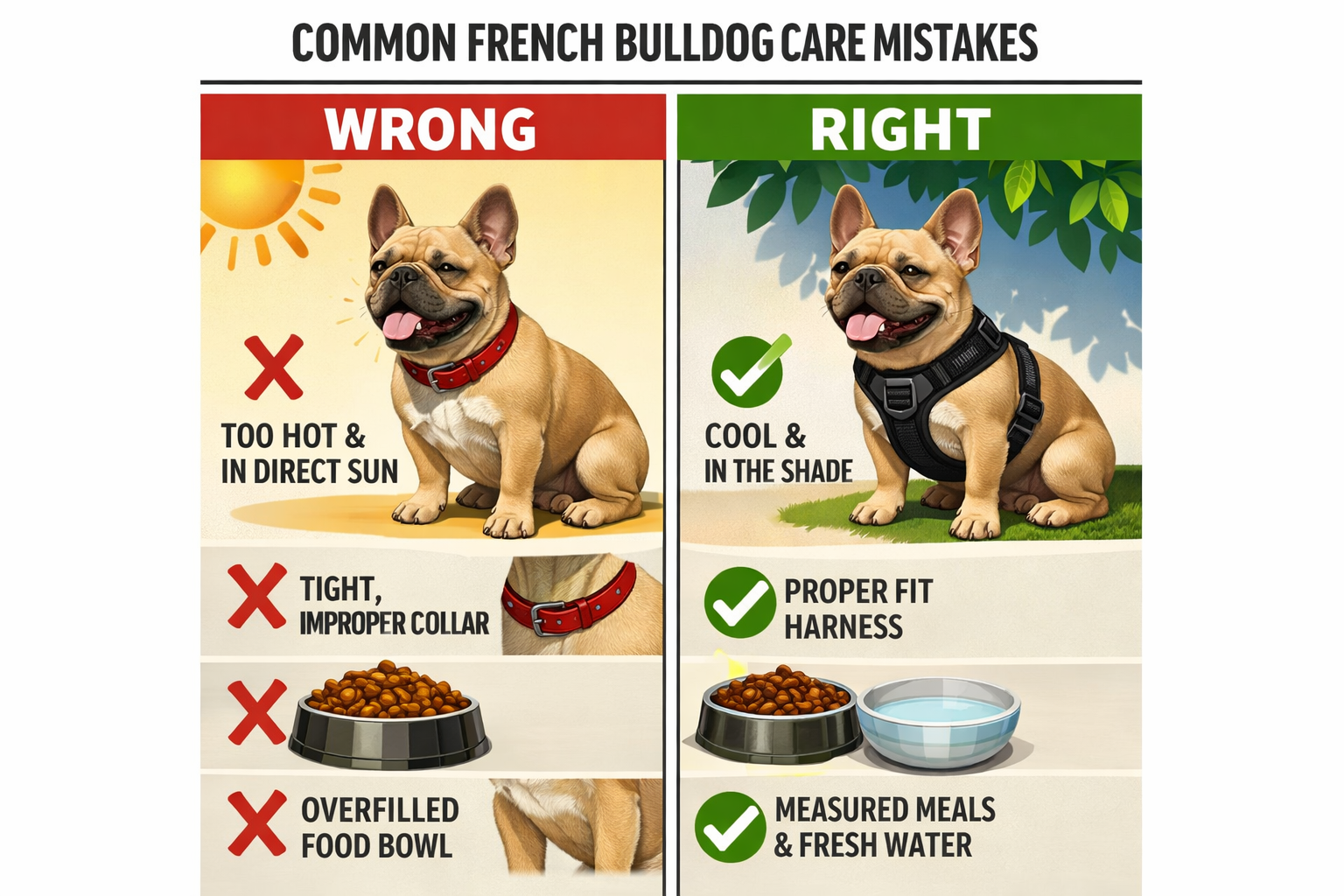
One of the biggest misconceptions about French Bulldogs is treating them like any other small dog when it comes to exercise. French Bulldogs struggle to breathe during activity and are prone to heatstroke, yet many owners push their Frenchies too hard without recognizing the warning signs.
Common exercise mistakes include:
- Taking them on long hikes or runs
- Exercising during hot weather (above 70°F)
- Ignoring heavy panting or breathing difficulties
- Not providing adequate rest breaks
- Exercising on hot pavement that burns their paws
The solution: Focus on short, gentle walks during cooler parts of the day. Indoor play sessions work better than outdoor marathons. Watch for signs of overexertion like excessive panting, drooling, or reluctance to continue moving.
For comprehensive guidance on appropriate activity levels, check out our detailed French Bulldog exercise needs guide.
2. Choosing Unethical Breeders or Puppy Mills
Here’s a shocking statistic: Nearly 75% of dogs claimed to be French Bulldogs in NSW are potentially crossbreds or unethically bred dogs[2]. This means many owners think they’re getting a purebred Frenchie but end up with dogs that may have unpredictable health and temperament issues.
Red flags when selecting a breeder:
- Refusing to show health clearances for parents
- Having multiple litters available simultaneously
- Not allowing you to meet the puppy’s parents
- Selling puppies under 8 weeks old
- Advertising “rare” colors at premium prices
- Meeting in parking lots instead of their facility
The right approach: Research breeders thoroughly, ask for health testing results, and visit their facilities. A reputable breeder will have waiting lists, health guarantees, and will interview you as carefully as you interview them.
Our complete guide to finding ethical French Bulldog breeders provides detailed questions to ask and warning signs to avoid.
3. Skipping Pet Insurance or Waiting Too Long
French Bulldogs are expensive to insure, but they’re even more expensive to treat without insurance. Many owners make the mistake of thinking “it won’t happen to my dog” or planning to get insurance “later” – only to face thousands in vet bills when their puppy develops breathing problems or requires emergency surgery.
Why this mistake is costly:
- Breed-specific conditions often appear early
- Pre-existing conditions won’t be covered if you wait
- Emergency surgeries can cost $3,000-$8,000
- Ongoing treatments for chronic conditions add up quickly
The smart approach: Get insurance before you bring your puppy home, or within the first few days. Compare plans specifically designed for brachycephalic breeds that cover common Frenchie conditions.
FYI: Some links may be affiliate links, which means I may earn a small commission at no extra cost to you.
If you’re looking for reliable coverage options, consider exploring some of the most trusted pet insurance providers for French Bulldogs. These reputable companies specialize in coverage for breed-specific concerns like breathing disorders, skin allergies, and joint conditions, helping reduce expenses and ensure consistent, high-quality care for your Frenchie.
👉 Compare the Best Pet Insurance Plans for Your Frenchie and Save on Vet Costs
For detailed comparisons and cost breakdowns, see our comprehensive French Bulldog insurance guide.
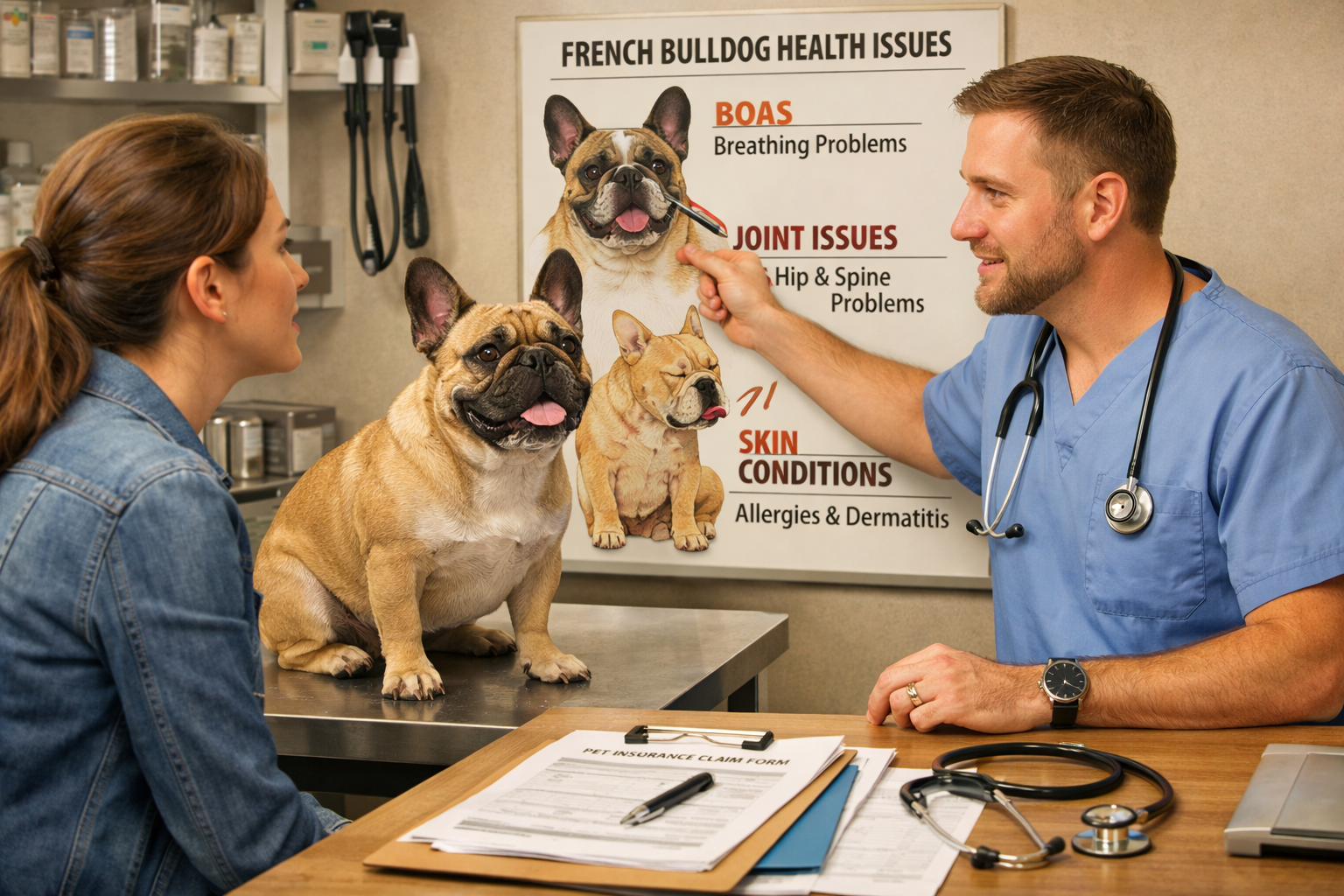
4. Ignoring Early Signs of Breathing Problems (BOAS)
Brachycephalic Obstructive Airway Syndrome (BOAS) affects many French Bulldogs, but owners often mistake serious breathing issues for “normal” breed characteristics. Loud snoring, gasping, or difficulty breathing during mild activity aren’t cute quirks – they’re medical concerns that need attention.
Warning signs owners often ignore:
- Loud snoring that worsens over time
- Gasping or choking sounds during sleep
- Blue-tinged gums or tongue
- Collapsing after minimal exercise
- Difficulty eating or drinking
- Restless sleep patterns
Early intervention is key because breathing problems typically worsen over time. What starts as mild snoring can progress to life-threatening airway obstruction without proper management.
Learn more about recognizing symptoms in our detailed guide to French Bulldog breathing problems.
5. Using Collars Instead of Harnesses
This seems like a small detail, but using a traditional collar on a French Bulldog can actually worsen breathing problems and cause serious injury. Their compressed airways and sensitive tracheas need protection, not additional pressure.
Problems with collars on Frenchies:
- Increased pressure on already compromised airways
- Risk of tracheal collapse
- Worsening of BOAS symptoms
- Potential for eye injuries from pulling
The better choice: A well-fitted harness distributes pressure across the chest instead of the neck. Look for padded, breathable options that don’t restrict movement.
For specific recommendations, check out our guide to the best harnesses for French Bulldogs.
6. Overfeeding and Poor Diet Management
French Bulldogs are notorious food lovers, but they’re also prone to obesity, food allergies, and digestive issues. Many owners make feeding mistakes that lead to serious health problems down the road.
Common feeding errors:
- Free-feeding instead of scheduled meals
- Using low-quality foods with fillers
- Giving too many treats (should be <10% of daily calories)
- Ignoring food allergies or sensitivities
- Not adjusting portions as the dog ages
Weight management is crucial because extra pounds put additional stress on their already compromised breathing systems. Even 2-3 pounds of excess weight can significantly impact a Frenchie’s quality of life.
Our comprehensive diet guide for French Bulldogs covers proper portions, food selection, and managing common digestive issues.
7. Inadequate Socialization During the Critical Period
French Bulldogs can be naturally wary of strangers and new situations, making early socialization absolutely essential. Many owners either skip this step entirely or start too late, leading to fearful, reactive, or aggressive adult dogs.
The critical socialization window is between 3-14 weeks of age. During this time, puppies need positive exposure to:
- Different people (ages, ethnicities, clothing styles)
- Various environments (urban, suburban, indoor, outdoor)
- Other dogs and animals
- Different sounds and textures
- Car rides and handling exercises
Mistakes that lead to behavioral problems:
- Keeping puppies isolated until fully vaccinated
- Only socializing with family members
- Avoiding new experiences due to overprotectiveness
- Not addressing fearful reactions appropriately
For step-by-step socialization strategies, see our French Bulldog training guide for beginners.
8. Inconsistent or Harsh Training Methods
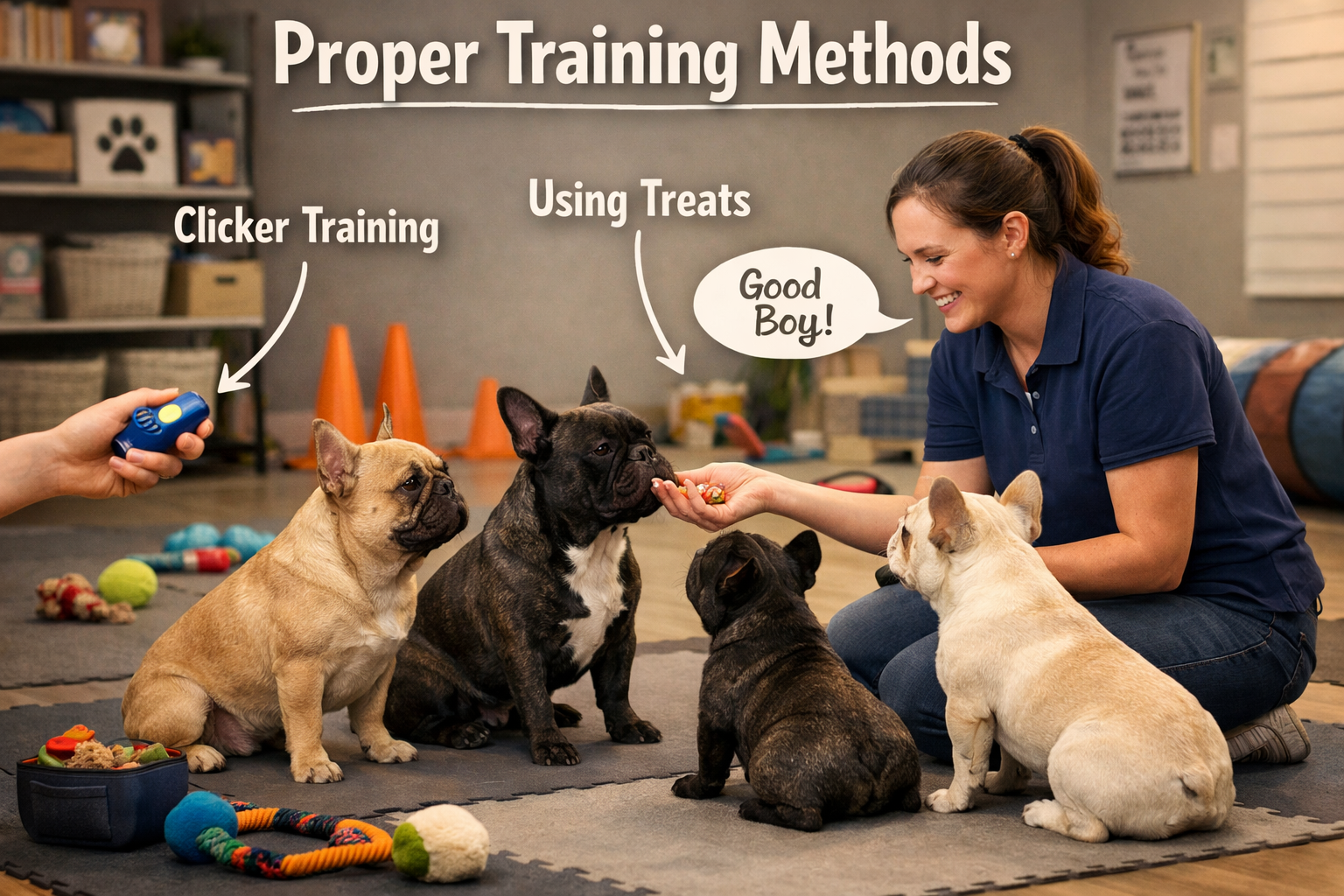
French Bulldogs are intelligent but can be stubborn, leading some owners to use harsh correction methods that backfire spectacularly. These dogs respond best to positive reinforcement and consistent, patient training approaches.
Training mistakes that create problems:
- Using punishment-based methods
- Inconsistent rules between family members
- Expecting immediate results
- Not addressing behavioral issues early
- Skipping basic obedience training
The French Bulldog personality requires a different approach than high-energy working breeds. They need:
- Short, frequent training sessions
- High-value treats and motivation
- Patience with their independent streak
- Positive reinforcement techniques
- Consistency from all family members
If you’re dealing with specific behavioral challenges like reactivity or leash pulling, there are structured training solutions designed specifically for these issues. A gentle, force-free training approach can help reactive dogs become calmer and more focused, reducing barking and lunging while building better leash manners and confidence.
👉 Discover the Calm, Reactivity-Free Training Method for Happier Walks With Your French Bulldog
9. Neglecting Skin Fold and Ear Care
Those adorable wrinkles and bat ears that make Frenchies so cute also create perfect environments for bacteria and yeast infections. Many owners don’t realize how much daily maintenance these features require.
Skin fold care essentials:
- Daily cleaning with appropriate wipes
- Thorough drying after cleaning
- Watching for signs of infection (redness, odor, discharge)
- Using appropriate products (not human items)
Ear care requirements:
- Weekly cleaning with vet-approved solutions
- Checking for signs of infection
- Keeping ears dry after baths
- Professional cleaning when needed
Signs of problems owners often miss:
- Persistent scratching or head shaking
- Strong odors from wrinkles or ears
- Red, inflamed skin
- Dark discharge from ears
- Hair loss around skin folds
Learn proper techniques in our French Bulldog grooming routine guide.
10. Not Puppy-Proofing for Breed-Specific Dangers
Standard puppy-proofing advice doesn’t cover the unique risks French Bulldogs face. Their breathing issues, jumping limitations, and temperature sensitivity create specific safety concerns.
Frenchie-specific safety considerations:
- Temperature control: Ensure consistent climate control
- Swimming safety: Most Frenchies can’t swim due to their body structure
- Height restrictions: Avoid high furniture they might jump from
- Small object removal: Their enthusiastic eating can lead to blockages
- Toxic plant awareness: Some common plants are especially dangerous
Emergency preparedness should include knowing the signs of heatstroke, airway obstruction, and having your emergency vet’s contact information readily available.
11. Misunderstanding Their Exercise and Activity Needs
While French Bulldogs don’t need marathon runs, they do need regular, appropriate exercise for mental and physical health. Many owners either under-exercise or over-exercise their Frenchies, both of which create problems.
The right exercise balance:
- 20-30 minutes of gentle activity daily
- Multiple short walks instead of one long one
- Indoor play sessions during hot weather
- Mental stimulation through puzzle toys
- Swimming (with supervision and life jackets)
Activities to avoid:
- Jogging or running
- Extended hiking
- Exercise in temperatures above 70°F
- Rough play with larger dogs
- Activities requiring jumping or climbing
12. Failing to Establish Proper Sleep and Rest Areas
French Bulldogs need quality sleep to manage their breathing and overall health, but many owners don’t create appropriate rest environments. Poor sleep can worsen breathing problems and behavioral issues.
Creating the ideal sleep environment:
- Temperature control: Keep sleeping areas cool (65-68°F)
- Elevation: Slightly raised beds can help with breathing
- Quiet zones: Minimize noise disruptions
- Comfortable bedding: Supportive but not too soft
- Multiple options: Different spots for different times of day
Sleep position matters for French Bulldogs. They often sleep better slightly elevated, which helps keep airways open during rest.
13. Overlooking Joint Health and Mobility Issues
French Bulldogs are prone to joint problems including hip dysplasia, luxating patella, and intervertebral disc disease (IVDD). Many owners don’t recognize early signs or take preventive measures.
Early warning signs:
- Reluctance to jump or climb stairs
- Stiffness after rest
- Changes in gait or posture
- Decreased activity levels
- Whimpering when moving
Prevention strategies:
- Maintaining healthy weight
- Providing joint supplements (with vet approval)
- Using ramps instead of stairs when possible
- Regular, gentle exercise
- Comfortable, supportive bedding
For detailed information on recognizing joint issues, see our guide to French Bulldog joint pain signs.
14. Not Building a Relationship with a French Bulldog-Experienced Veterinarian
Not all veterinarians have extensive experience with brachycephalic breeds. French Bulldogs need vets who understand their unique anesthesia risks, breathing concerns, and breed-specific health issues.
What to look for in a vet:
- Experience with brachycephalic breeds
- Understanding of BOAS and related conditions
- Appropriate anesthesia protocols for flat-faced dogs
- Preventive care focus
- Emergency availability
Questions to ask potential veterinarians:
- How many French Bulldogs do you treat regularly?
- What anesthesia protocols do you use for brachycephalic breeds?
- How do you handle breathing emergencies?
- What preventive care do you recommend for Frenchies?
15. Impulse Buying Without Understanding Long-Term Commitment
The final mistake is perhaps the most serious: getting a French Bulldog without fully understanding the 10-15 year commitment involved. These dogs require significant time, money, and lifestyle adjustments that many owners aren’t prepared for.
The reality of French Bulldog ownership:
- Financial commitment: $2,000-$5,000+ annually in care costs
- Time investment: Daily grooming, careful exercise monitoring, regular vet visits
- Lifestyle changes: Climate control, travel limitations, emergency preparedness
- Emotional investment: Managing chronic health conditions, potential behavioral challenges
Before getting a French Bulldog, honestly assess:
- Your financial stability and ability to handle emergency vet bills
- Your schedule and ability to provide consistent care
- Your living situation and climate control options
- Your experience with dogs and training
- Your long-term housing and lifestyle plans
Creating a Comprehensive Care Plan for Your French Bulldog
Essential Health Monitoring
Successful French Bulldog ownership requires proactive health monitoring rather than reactive treatment. Establish baseline measurements and track changes over time.
Monthly health checks should include:
- Weight monitoring: Track even small changes
- Breathing assessment: Note any changes in snoring or exercise tolerance
- Skin examination: Check all folds and wrinkles for irritation
- Joint mobility: Watch for stiffness or reluctance to move
- Appetite and digestion: Monitor eating habits and stool quality
Building Your Support Network
Your French Bulldog support team should include:
- Experienced veterinarian with brachycephalic breed knowledge
- Professional groomer familiar with Frenchie needs
- Qualified dog trainer using positive methods
- Pet insurance provider with breed-specific coverage
- Emergency veterinary clinic with 24/7 availability
Long-Term Financial Planning
Budget for these ongoing expenses:
- Regular veterinary care: $800-1,500 annually
- Emergency fund: $3,000-5,000 for unexpected issues
- Quality food and supplements: $600-1,000 annually
- Grooming and maintenance: $400-800 annually
- Insurance premiums: $600-1,200 annually
Recommended Resources for French Bulldog Owners
Essential Products and Tools
Setting up your home with the right products makes daily care easier and safer for your Frenchie. Our complete guide to the best French Bulldog products covers everything from feeding bowls to cooling mats.
Must-have items include:
- Proper harness: Reduces airway pressure
- Cooling products: Mats, vests, and fans for temperature regulation
- Elevated food bowls: Easier eating and digestion
- Quality air purifier: Helps with breathing and allergies
- Puzzle toys: Mental stimulation without physical overexertion
Training and Behavioral Support
If you’re struggling with training challenges or want to prevent behavioral problems, structured guidance can make a huge difference. Professional training programs designed specifically for companion breeds can help address common issues like:
- Leash reactivity and pulling
- Excessive barking or attention-seeking
- Separation anxiety
- Resource guarding
- Basic obedience and manners
The key is finding force-free, positive training methods that work with your Frenchie’s personality rather than against it.
Health and Insurance Planning
Don’t wait until problems develop to secure proper veterinary care and insurance coverage. Our comprehensive insurance comparison guide helps you evaluate options and choose coverage that fits your budget and needs.
Conclusion: Setting Your French Bulldog Up for Success
Avoiding these 15 common mistakes French Bulldog owners make isn’t about being a perfect dog parent – it’s about understanding your Frenchie’s unique needs and planning accordingly. These charming, affectionate dogs can be wonderful companions when their specific requirements are met, but they’re not the right choice for everyone.
The most successful French Bulldog owners:
- Research thoroughly before getting their dog
- Budget for higher-than-average care costs
- Establish relationships with experienced professionals
- Monitor their dog’s health proactively
- Adapt their lifestyle to accommodate breed-specific needs
Your next steps should include:
- Evaluate your current care routine against the mistakes outlined in this guide
- Schedule a comprehensive health check with a brachycephalic-experienced veterinarian
- Review your insurance coverage or research options if you don’t have a policy
- Assess your emergency preparedness for breathing or heat-related crises
- Connect with local French Bulldog communities for ongoing support and advice
Remember, every mistake on this list is preventable with the right knowledge and preparation. Your French Bulldog depends on you to understand their unique needs and provide appropriate care throughout their lifetime.
If you’re just starting your Frenchie journey, take time to research and prepare properly. If you’re an experienced owner, use this guide to identify areas where you might improve your care routine. Either way, your French Bulldog will benefit from your commitment to understanding and meeting their specific needs.
For ongoing support and detailed guidance on specific topics, explore our comprehensive library of French Bulldog care resources designed to help you provide the best possible life for your beloved companion.
References
[1] French Bulldog – https://www.peta.org.uk/blog/french-bulldog/
[2] Reframing The Issues With French Bulldogs – https://frenchbulldogclubnsw.asn.au/reframing-the-issues-with-french-bulldogs/