
French Bulldog Diarrhea Causes: Complete Guide for Worried Frenchie Parents
Picture this: you’re enjoying a quiet evening with your beloved French Bulldog when suddenly, you notice something’s not right during their bathroom break. If you’re a Frenchie parent dealing with the stress and concern of your pup’s digestive issues, you’re not alone. Understanding French Bulldog diarrhea causes is crucial for every owner of these adorable, flat-faced companions who seem to have more sensitive stomachs than most other breeds.
French Bulldogs are particularly prone to digestive problems, with diarrhea affecting approximately 7.5% of the breed – significantly higher than mixed-breed dogs. This isn’t just a minor inconvenience; it’s a genuine health concern that requires your attention and understanding.
Key Takeaways
• French Bulldogs have a genetic predisposition to digestive issues, including inflammatory bowel disease and food allergies that cause chronic diarrhea
• Dietary factors are the most common triggers, including food allergies, sudden diet changes, and inappropriate treats or table scraps
• Infectious causes like E. coli and parasites disproportionately affect Frenchies due to their sensitive immune systems and gut health
• Stress-related diarrhea is common in this breed, often triggered by changes in routine, travel, or medical procedures
• Early intervention and proper veterinary care are essential, as some causes require lifelong management with prescription diets and medications
Common Dietary French Bulldog Diarrhea Causes
Food Allergies and Sensitivities
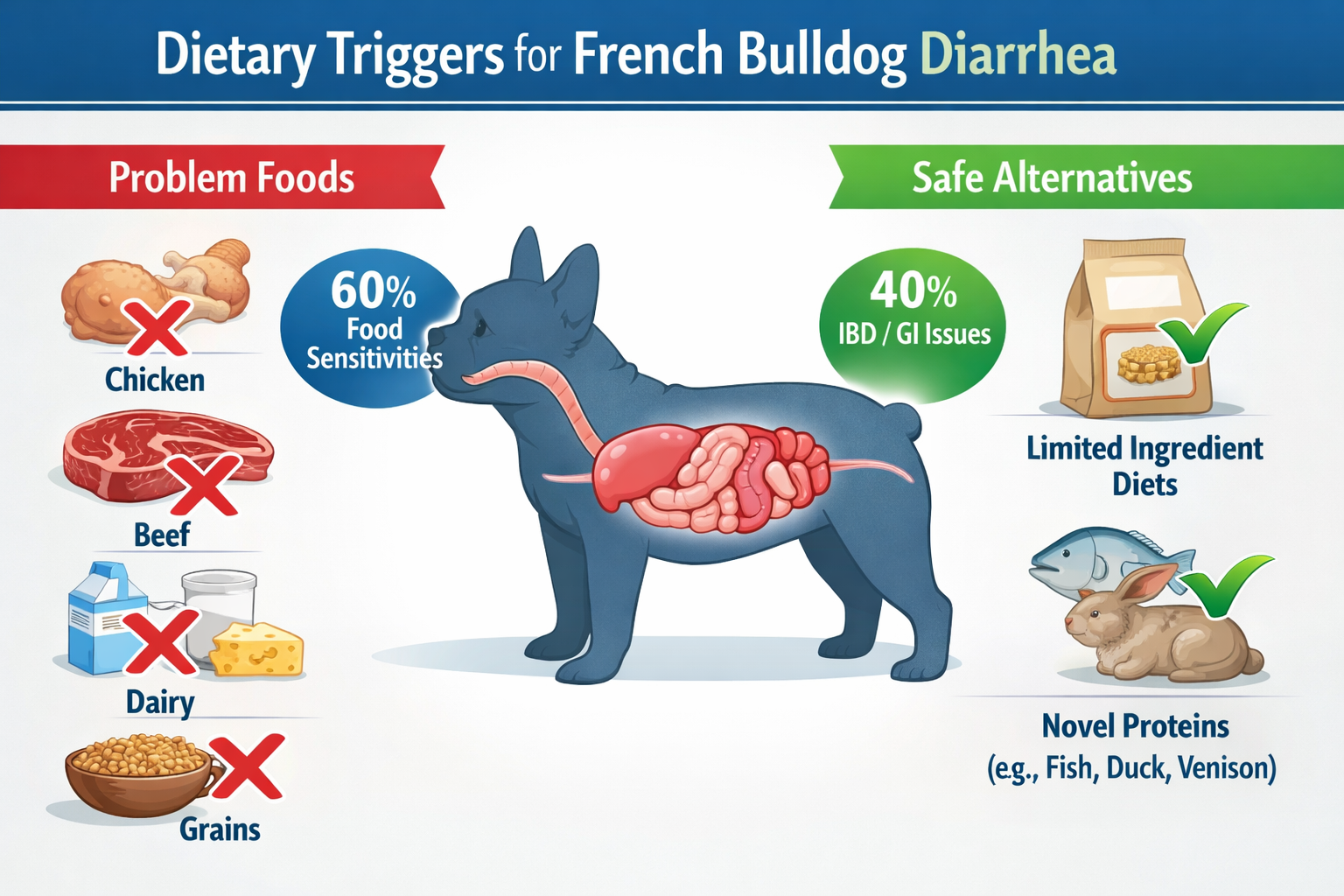
Food allergies rank among the most frequent French Bulldog diarrhea causes, affecting a significant portion of the breed [2]. Unlike humans who might get a rash from food allergies, our Frenchies often show their discomfort through their digestive system.
The most common food allergens for French Bulldogs include:
- Chicken (surprisingly common despite being in most dog foods)
- Beef and other red meats
- Dairy products (lactose intolerance)
- Wheat and corn (grain sensitivities)
- Soy products
- Eggs
- Artificial preservatives and colors
These allergies typically cause off-and-on diarrhea or consistently soft stools rather than one-time incidents [2]. You might notice the pattern continues for weeks or months, often accompanied by other symptoms like excessive scratching, ear infections, or skin irritation [8].
Sudden Diet Changes
French Bulldogs have notoriously sensitive digestive systems that don’t handle abrupt changes well. When you switch foods too quickly – even from one high-quality brand to another – their stomachs often rebel with loose stools or diarrhea.
The proper transition timeline should span 7-10 days:
- Days 1-2: 75% old food, 25% new food
- Days 3-4: 50% old food, 50% new food
- Days 5-6: 25% old food, 75% new food
- Days 7+: 100% new food
For guidance on proper feeding schedules and portions, check out our guide on how often to feed French Bulldog puppy to establish healthy eating habits from the start.
Table Scraps and Inappropriate Treats
I’ve learned the hard way that those adorable Frenchie eyes begging for your dinner can lead to digestive disasters. Foods that are perfectly safe for humans can wreak havoc on a French Bulldog’s sensitive stomach.
Dangerous foods that commonly cause diarrhea include:
- Fatty foods (bacon, fried foods, rich sauces)
- Spicy or seasoned foods
- High-fiber vegetables (broccoli, beans, onions)
- Chocolate and caffeine
- Grapes and raisins
- Artificial sweeteners (xylitol is toxic)
For safe treat alternatives, consider our recommendations in the best dog treats for French Bulldogs guide to keep your pup happy without the digestive upset.
Poor Quality Dog Food
Low-quality commercial dog foods often contain fillers, by-products, and artificial ingredients that can trigger digestive issues in sensitive Frenchies. These foods may lack the proper nutrition balance or contain ingredients that are difficult for brachycephalic breeds to digest.
Red flags in dog food ingredients:
- Unnamed meat by-products
- Excessive grain fillers
- Artificial colors and preservatives
- High fat content (over 15% for sensitive dogs)
- Multiple protein sources in one formula
Medical and Health-Related French Bulldog Diarrhea Causes
Inflammatory Bowel Disease (IBD)
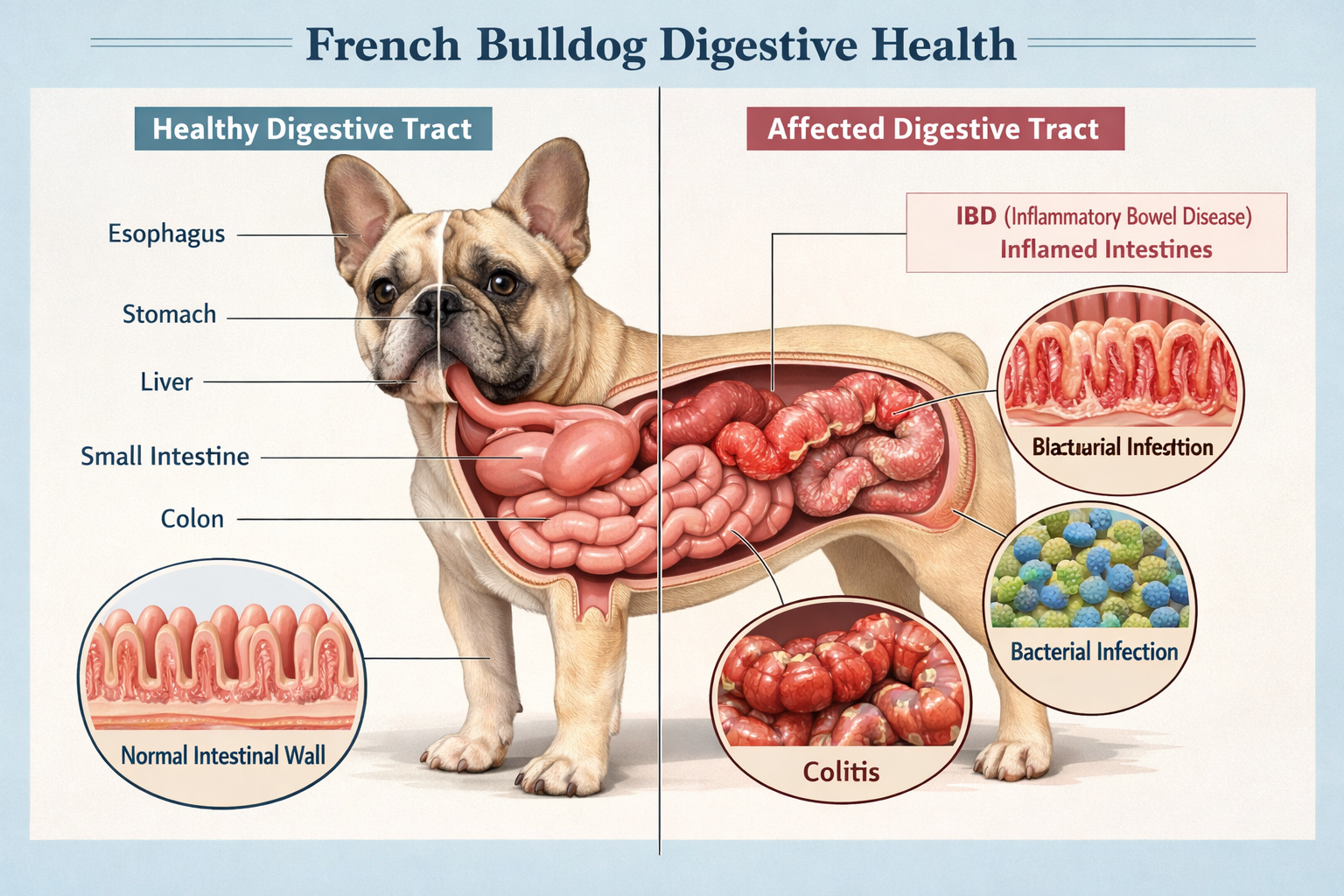
Inflammatory Bowel Disease represents a significant genetic predisposition in French Bulldogs, causing chronic inflammation of the intestinal tract and persistent diarrhea [2]. This isn’t a condition that goes away on its own – it requires lifelong management and veterinary supervision.
IBD symptoms in Frenchies typically include:
- Chronic diarrhea lasting more than 3 weeks
- Mucus or blood in stools
- Weight loss despite normal appetite
- Vomiting (especially in the morning)
- Increased gas and bloating
- Lethargy and decreased activity
The condition requires prescription diets and medication for proper management [2]. Many owners find success with hypoallergenic or limited-ingredient diets, but these should always be prescribed and monitored by a veterinarian.
Granulomatous Colitis
Young French Bulldogs are disproportionately affected by granulomatous colitis, a serious condition characterized by invasive E. coli presence and severe chronic diarrhea [4]. This condition is particularly concerning because it often affects puppies and young adults when their immune systems should be at their strongest.
Warning signs include:
- Severe, persistent diarrhea that doesn’t respond to dietary changes
- Blood and mucus in stools
- Rapid weight loss
- Dehydration signs (dry gums, skin tenting)
- Abdominal pain (hunched posture, reluctance to move)
Gastrointestinal Infections
French Bulldogs’ sensitive stomachs make them particularly susceptible to gastrointestinal parasites and viruses, especially E. coli infections that can cause runny, bloody, and foul-smelling stools. Gastroenteritis affects approximately 2% of French Bulldogs, typically caused by viruses and presenting with both diarrhea and vomiting.
Common infectious causes:
- Bacterial infections (E. coli, Salmonella, Campylobacter)
- Viral gastroenteritis (parvovirus in unvaccinated dogs)
- Parasitic infections (giardia, roundworms, hookworms)
- Fungal overgrowth (often secondary to antibiotic use)
Stress-Related Digestive Issues
Post-operative diarrhea is remarkably common, occurring in approximately 69% of French Bulldogs following spinal surgery, likely due to stress, anesthesia, and perioperative medications like NSAIDs and corticosteroids [6]. But surgery isn’t the only stressor that affects these sensitive pups.
Common stress triggers include:
- Travel and boarding
- New environments or moving
- Changes in family routine
- Introduction of new pets
- Loud noises (fireworks, construction)
- Separation anxiety
FYI: Some links may be affiliate links, which means I may earn a small commission at no extra cost to you.
If your Frenchie experiences stress-related digestive issues alongside behavioral problems like excessive barking or reactivity during stressful situations, a structured approach can help address both issues. While not required for every dog, a step-by-step reactivity training program focusing on calm, force-free methods can help reduce overall stress levels, which may indirectly benefit digestive health.
Brachycephalic-Related Complications
The unique anatomy of French Bulldogs – their flat faces and compressed airways – may predispose them to gastrointestinal complications. Research shows a 76% GI complication rate in surgical cases involving Frenchies, suggesting their brachycephalic conformation affects more than just their breathing.
How anatomy affects digestion:
- Increased air swallowing due to breathing difficulties
- Slower eating patterns that can disrupt normal digestion
- Increased stress from breathing difficulties affecting gut health
- Medication sensitivities due to altered metabolism
Environmental and Lifestyle French Bulldog Diarrhea Causes
Seasonal Allergies and Environmental Triggers
Environmental allergies can cause digestive upset alongside the more obvious symptoms of chronic ear or skin infections and respiratory signs [8]. Many Frenchie parents don’t realize that what appears to be just seasonal sniffling might also be affecting their pup’s gut health.
Common environmental triggers:
- Pollen (spring and fall seasons)
- Dust mites (year-round indoor allergen)
- Mold spores (especially in humid climates)
- Cleaning chemicals and air fresheners
- Cigarette smoke and other pollutants
- Certain fabrics or laundry detergents
Water Quality and Hydration Issues
Poor water quality can be a hidden culprit behind recurring digestive issues. French Bulldogs are sensitive to:
- High mineral content in hard water
- Chlorine and chemical treatments in tap water
- Bacterial contamination in standing water bowls
- Temperature extremes (very cold or warm water)
Best practices for water management:
- Use filtered or bottled water if your tap water is heavily treated
- Clean water bowls daily with hot, soapy water
- Replace water frequently (at least twice daily)
- Consider stainless steel or ceramic bowls over plastic
Exercise and Activity Levels
While French Bulldogs don’t require intense exercise, sudden changes in activity levels can affect their digestive health. Both too much exercise and complete inactivity can trigger digestive upset.
For appropriate exercise guidelines that support digestive health, see our comprehensive guide on French Bulldog exercise needs to find the right balance for your pup.
Medication Side Effects
Many common medications can cause diarrhea as a side effect, especially in sensitive French Bulldogs:
- Antibiotics (disrupting gut flora)
- NSAIDs (causing stomach irritation)
- Corticosteroids (affecting immune function)
- Heartworm preventatives (in sensitive individuals)
- Flea and tick treatments (especially oral medications)
When to Seek Veterinary Care
Emergency Warning Signs
Immediate veterinary attention is required if your French Bulldog shows:
🚨 Critical symptoms:
- Blood in diarrhea (bright red or dark, tarry stools)
- Signs of dehydration (dry gums, skin tenting, lethargy)
- Vomiting combined with diarrhea for more than 6 hours
- Severe abdominal pain (hunched posture, whining)
- Pale gums or weakness
- High fever (over 103°F)
Chronic Diarrhea Concerns
Diarrhea lasting more than 48 hours requires veterinary evaluation, even if your Frenchie seems otherwise healthy. Chronic digestive issues may indicate severe underlying conditions including Addison’s disease, pancreatitis, and autoimmune diseases requiring immediate veterinary attention [1].
Diagnostic Testing
Your veterinarian may recommend several tests to identify the underlying cause:
- Fecal examination for parasites and bacteria
- Blood work to check for systemic diseases
- Food elimination trials for allergy identification
- Imaging studies (X-rays or ultrasound) for structural problems
- Endoscopy for direct visualization of the digestive tract
Prevention and Management Strategies
Dietary Management
Establishing a consistent, high-quality diet is the foundation of digestive health for French Bulldogs. Consider these strategies:
Feeding schedule optimization:
- Regular meal times (same time daily)
- Smaller, frequent meals (2-3 times daily for adults)
- Slow feeding bowls to prevent gulping
- Consistent portion sizes based on weight and activity
For comprehensive nutrition guidance, explore our detailed guide on the best dog food for French Bulldogs to choose the right formula for your pup’s specific needs.
Stress Reduction
Managing stress levels is crucial for maintaining digestive health in sensitive French Bulldogs:
- Maintain consistent routines for feeding, walking, and bedtime
- Provide a quiet, safe space for rest and retreat
- Gradually introduce changes to environment or schedule
- Use calming supplements (under veterinary guidance)
- Consider anxiety management training for reactive dogs
Regular Health Monitoring
Proactive health management helps catch digestive issues early:
- Daily stool monitoring for changes in consistency, color, or frequency
- Weekly weight checks to track any unexplained loss
- Monthly body condition assessments
- Regular veterinary check-ups every 6-12 months
- Keeping a health journal to track patterns and triggers
Puppy-Specific Considerations
Young French Bulldogs require special attention to digestive health during their critical development period. For comprehensive puppy care guidance, including digestive health management, check our detailed guide on how to care for a French Bulldog puppy.
Helpful Resources for Ongoing Support
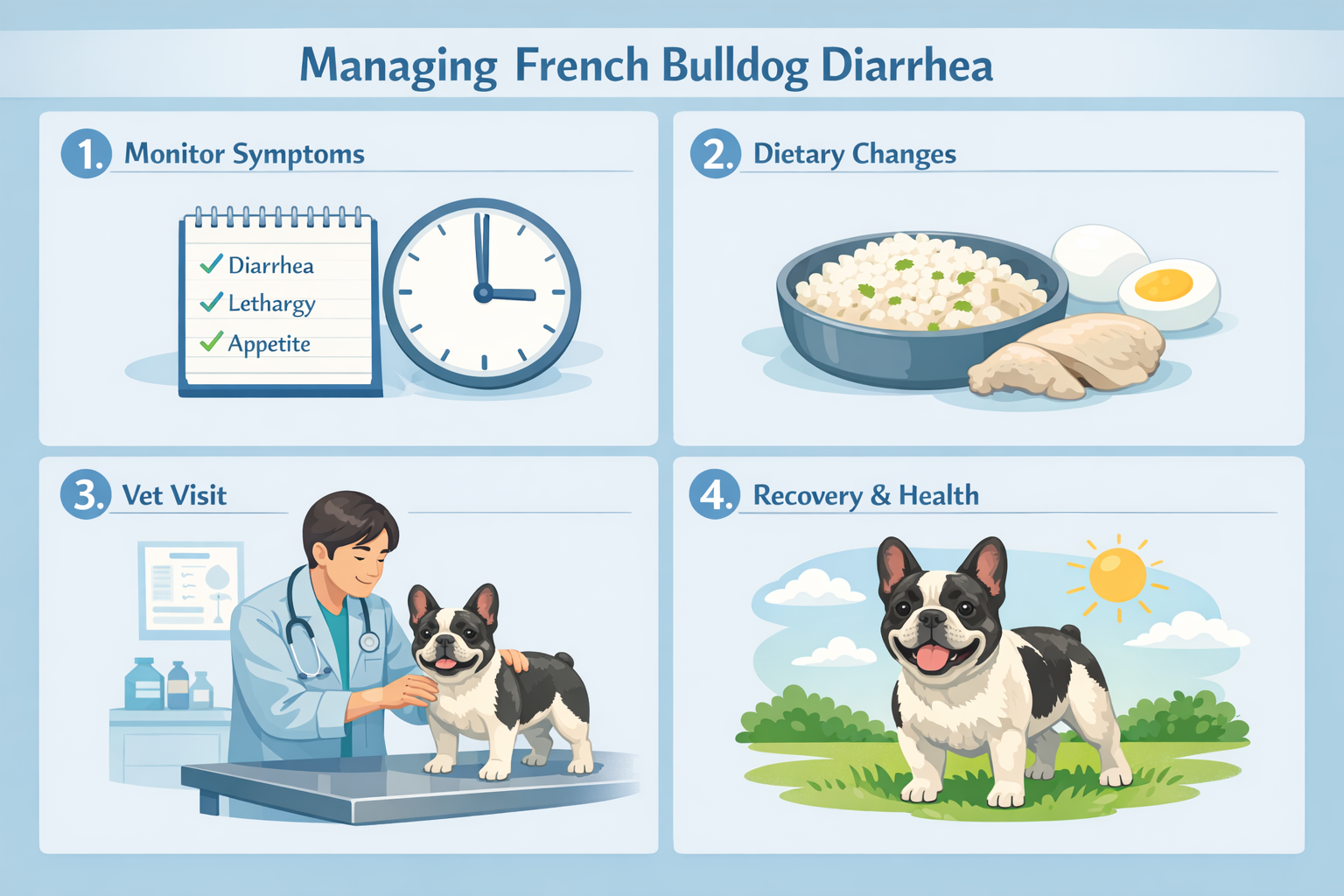
Managing a French Bulldog’s digestive health can feel overwhelming, especially when dealing with chronic issues or recurring episodes. While proper veterinary care and dietary management form the foundation of treatment, some owners find additional support through structured health management programs.
Frenchies face costly breed-specific risks like breathing issues, IVDD, and chronic digestive problems that can result in expensive diagnostic testing and ongoing treatment. Having comprehensive pet insurance can provide peace of mind when dealing with recurring health issues.
If you’re concerned about the potential costs of managing your Frenchie’s digestive health long-term, compare vet-trusted insurers offering guaranteed lowest rates + fastest claims – so you’re never forced to choose between your wallet and your pup’s wellbeing.
👉 Get a Free Frenchie Insurance Quote
Conclusion
Understanding French Bulldog diarrhea causes is essential for every Frenchie parent who wants to provide the best possible care for their beloved companion. From dietary sensitivities and food allergies to genetic predispositions like IBD and granulomatous colitis, these adorable flat-faced pups face unique digestive challenges that require informed, proactive management.
Remember these key action steps:
- Monitor your Frenchie’s digestive patterns daily and keep a health journal to identify triggers
- Maintain a consistent, high-quality diet and avoid sudden changes or inappropriate treats
- Work closely with your veterinarian to develop a management plan for chronic issues
- Address stress factors in your dog’s environment that may contribute to digestive upset
- Seek immediate veterinary care for emergency symptoms like blood in stool or severe dehydration
The good news is that with proper understanding, management, and veterinary support, most French Bulldogs with digestive issues can live happy, comfortable lives. Whether you’re dealing with occasional dietary indiscretions or managing a chronic condition like IBD, staying informed and proactive will help you provide the best possible care for your Frenchie’s sensitive stomach.
Your French Bulldog’s digestive health doesn’t have to be a constant source of worry. By understanding the causes, recognizing the warning signs, and implementing appropriate prevention strategies, you can help your pup enjoy better digestive comfort and overall quality of life.
References
[1] What Are A French Bulldogs Most Common Health Issues – https://www.volharddognutrition.com/blog/what-are-a-french-bulldogs-most-common-health-issues/
[2] French Bulldog Health Issues – https://www.petmd.com/dog/general-health/french-bulldog-health-issues
[3] French Bulldogs Health Issues – https://www.prudentpet.com/french-bulldogs-health-issues/
[4] Frenchies Are 1 And Veterinarians Are Concerned – https://vet.tufts.edu/news-events/news/frenchies-are-1-and-veterinarians-are-concerned
[6] Full – https://www.frontiersin.org/journals/veterinary-science/articles/10.3389/fvets.2024.1460092/full
[7] The Most Common Health Problems In French Bulldogs – https://www.dvm360.com/view/the-most-common-health-problems-in-french-bulldogs
[8] The French Connection French Bulldogs And Health Problems – https://canebayvetclinic.com/the-french-connection-french-bulldogs-and-health-problems/