
Why Do French Bulldogs Snore So Much: The Complete Guide to Frenchie Breathing Issues

If you’ve ever shared a bed with a French Bulldog, you know the sound all too well—that distinctive, rumbling snore that can rival a freight train. While many owners find their Frenchie’s snoring endearing, the reality behind why French Bulldogs snore so much is far more serious than most people realize. What sounds like peaceful slumber is actually a sign of significant breathing difficulties that can impact your dog’s health, sleep quality, and overall well-being.
In 2026, French Bulldogs continue to rank as one of America’s most popular breeds, beloved for their affectionate nature and apartment-friendly size. However, their adorable flat faces come with a hidden cost that every current and prospective owner needs to understand.
Key Takeaways
• French Bulldogs snore due to Brachycephalic Obstructive Airway Syndrome (BOAS), caused by narrowed nostrils, elongated soft palate, and compressed airways
• Snoring indicates serious airway obstruction—healthy dogs with normal airways breathe quietly during sleep
• Sleep quality is severely compromised, with studies showing Frenchies sleep more during the day to compensate for poor nighttime rest
• Multiple health complications arise from breathing difficulties, including heat stroke risk, exercise intolerance, and potential respiratory emergencies
• Surgical interventions can help but don’t cure the underlying condition—prevention through responsible breeding is key
The Anatomy Behind French Bulldog Snoring
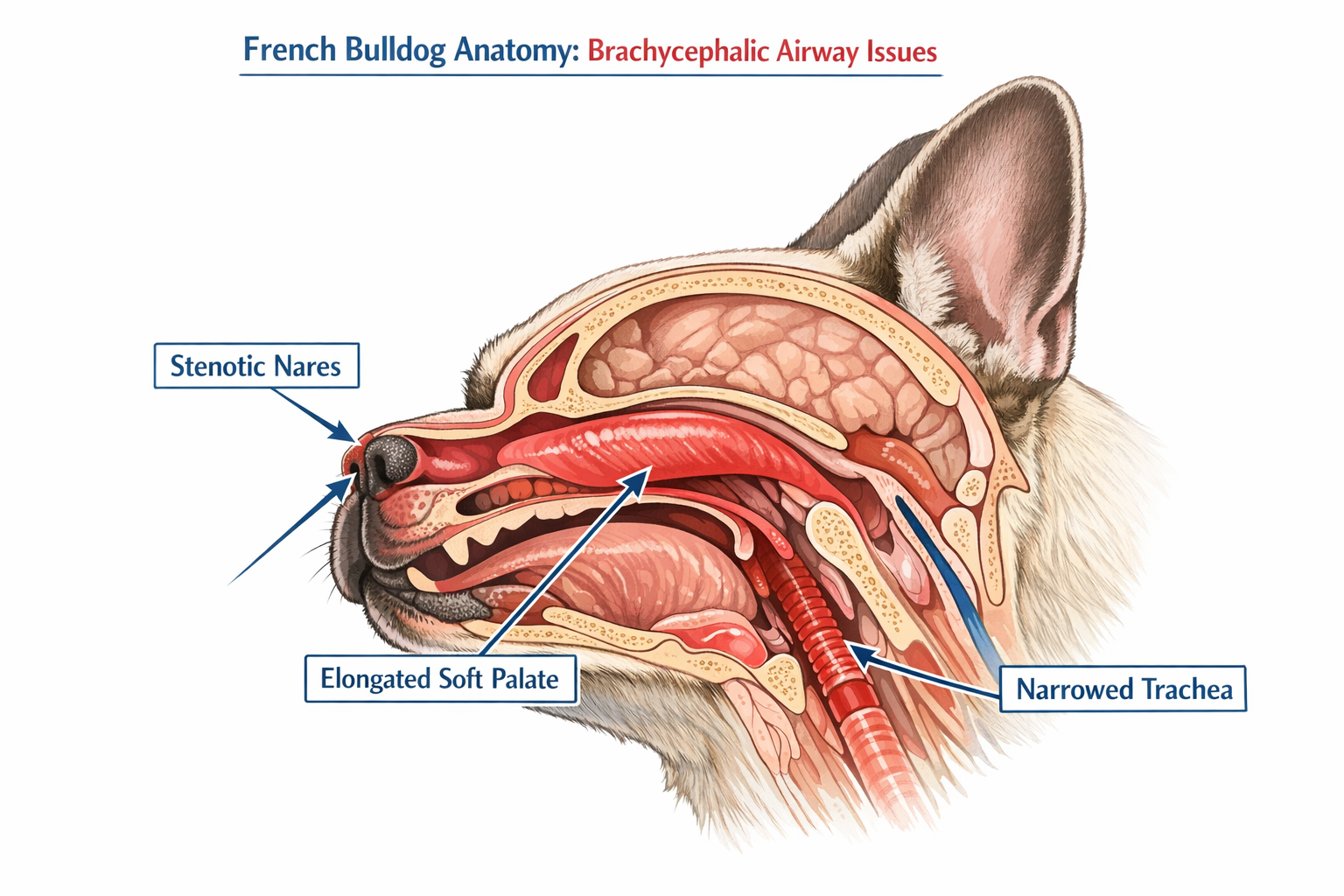
Understanding Brachycephalic Obstructive Airway Syndrome (BOAS)
The primary reason why French Bulldogs snore so much lies in their anatomy. French Bulldogs suffer from Brachycephalic Obstructive Airway Syndrome (BOAS), a condition that affects all flat-faced dog breeds [2]. This syndrome involves three main anatomical abnormalities that work together to create the perfect storm for breathing difficulties.
Stenotic Nares (Narrowed Nostrils)
The first culprit is stenotic nares—abnormally narrowed nostrils that restrict airflow from the very beginning of the respiratory system. Imagine trying to breathe through a straw instead of your normal nostrils. This forces your Frenchie to work harder just to get air into their lungs.
Elongated Soft Palate
The soft palate is the fleshy part at the back of the mouth that separates the oral and nasal cavities. In French Bulldogs, this tissue is often too long for their shortened skull, causing it to partially block the airway. When your dog breathes, this excess tissue vibrates and creates the characteristic snoring sound.
Tracheal Hypoplasia (Narrowed Windpipe)
The third component is tracheal hypoplasia—an abnormally narrowed windpipe that further restricts airflow. This means that even if air makes it past the nostrils and soft palate, it still has to squeeze through a compressed tube to reach the lungs.
Why Normal Dogs Don’t Snore
It’s important to understand that respiratory noises like snoring are not cute quirks but rather indicators of significant airway obstruction [4]. Dogs with normal upper airways breathe quietly during sleep. When you hear your French Bulldog snoring, you’re actually hearing the sound of air struggling to move through obstructed passages.
Secondary Complications That Worsen Snoring
Research shows that approximately 66% of dogs with BOAS syndrome develop everted laryngeal saccules—small tissue folds that protrude into the airway and further restrict breathing [2]. These secondary changes occur because the increased effort required to breathe through obstructed airways puts additional stress on surrounding tissues.
For comprehensive care information, check out our guide on how to take care of French Bulldog puppy to ensure you’re supporting your Frenchie’s health from the start.
How French Bulldog Snoring Affects Sleep Quality and Health
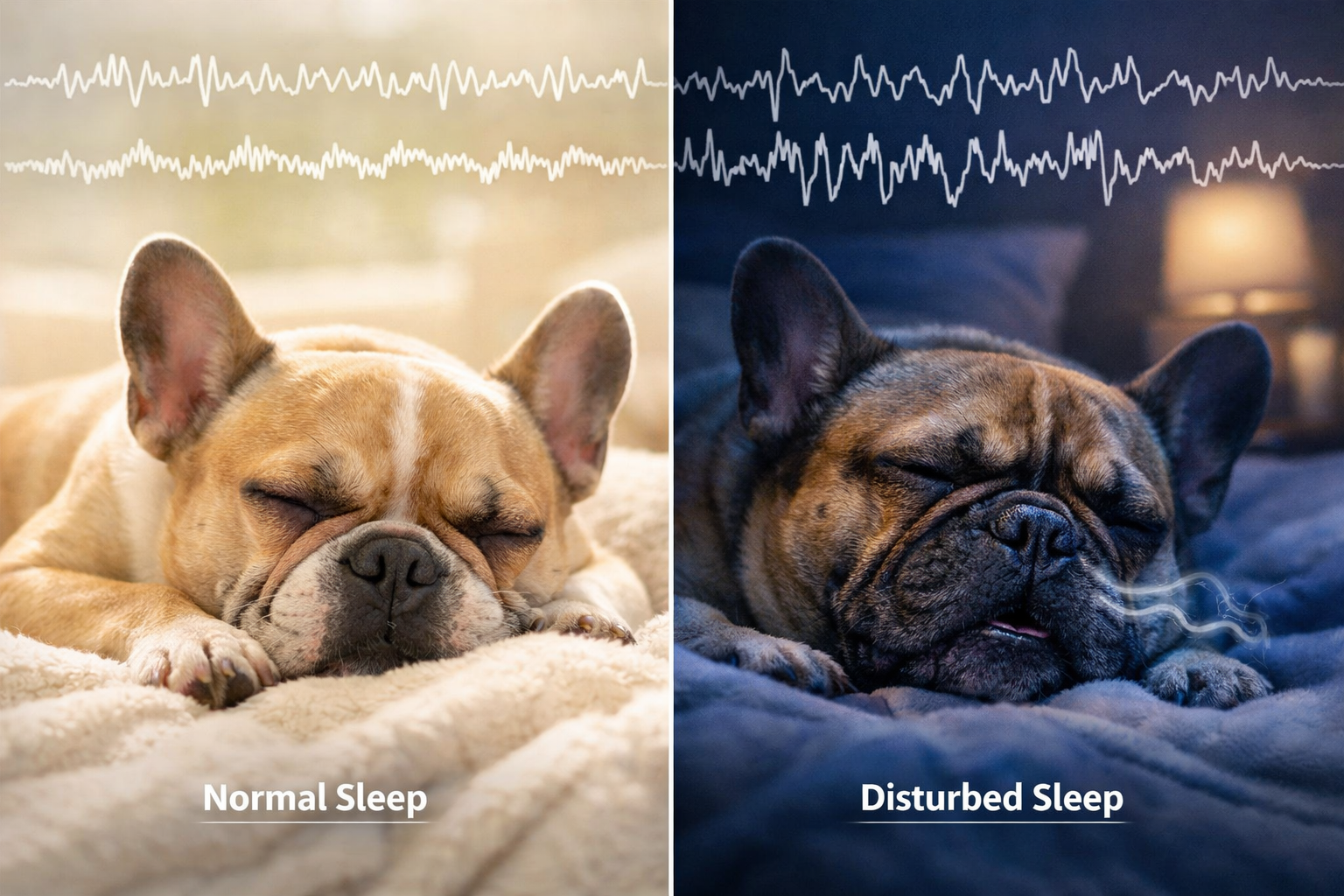
The Science Behind Disrupted Sleep
A groundbreaking 2023 study from Hungary’s Etvös Loránd University examined the sleep patterns of 92 dogs using electroencephalogram (EEG) technology [1]. The results were eye-opening: flat-faced dogs slept significantly more during the day, suggesting this extra daytime sleep serves as compensation for insufficient nighttime rest.
But the problems go deeper than just quantity of sleep. During REM sleep, brachycephalic dogs showed decreased beta waves and increased delta waves compared to longer-nosed breeds [1]. This brain wave pattern has previously been associated with poorer learning abilities in dogs and loss of white matter in humans—suggesting that poor sleep quality may be affecting your Frenchie’s cognitive function.
Sleep Apnea: A Widespread Problem
The sleep disruption isn’t just about snoring. Research examining 20 English bulldogs found that all dogs over 2 weeks of age exhibited sleep-disordered breathing, including breathing pauses and blood oxygen levels dropping below normal multiple times per hour [2]. While this specific study focused on English bulldogs, the same breathing difficulties likely occur in French bulldogs due to their similar facial structure.
Signs Your Frenchie May Have Sleep Apnea:
- Loud, irregular snoring with pauses
- Restless sleep with frequent position changes
- Excessive daytime sleepiness
- Mouth breathing during sleep
- Waking up gasping or choking
The Domino Effect on Overall Health
Poor sleep quality creates a cascade of health problems that extend far beyond nighttime discomfort. When your French Bulldog can’t get restorative sleep, it affects:
🧠 Cognitive Function
Sleep deprivation impacts learning, memory consolidation, and problem-solving abilities. This may explain why some Frenchies seem less responsive to training compared to other breeds.
💪 Physical Recovery
Sleep is when the body repairs tissues and consolidates memories. Poor sleep quality can slow healing and recovery from exercise or minor injuries.
😰 Stress Levels
Chronic sleep deprivation increases stress hormones, which can affect behavior, appetite, and immune function.
🫀 Cardiovascular Health
The extra effort required to breathe puts additional strain on the heart, potentially leading to long-term cardiovascular issues.
FYI: Some links may be affiliate links, which means I may earn a small commission at no extra cost to you.
While breathing issues are the primary concern, many French Bulldogs also experience behavioral challenges that can compound stress. If your Frenchie struggles with reactivity or anxiety during walks (which can worsen breathing difficulties), a structured training approach can help. A step-by-step reactivity training program focusing on calm, force-free methods can reduce stress and create more peaceful experiences for both you and your dog. 👉 Click here to discover how calmer, happier walks with your Frenchie can start today.
Management, Treatment, and Prevention Strategies
When to Seek Veterinary Care
Understanding why French Bulldogs snore so much is the first step, but knowing when snoring becomes dangerous is crucial for every owner. In a 2025 study of Danish dog owners, those reporting breathing problems were significantly more likely to report their dog snored while awake and had heat intolerance.
🚨 Emergency Warning Signs:
- Snoring that suddenly becomes much louder or more labored
- Blue or purple gums or tongue
- Excessive drooling or foaming at the mouth
- Collapse or inability to stand
- Extreme difficulty breathing even at rest
- Panic or distress behaviors
Schedule a Veterinary Consultation If:
- Snoring is accompanied by frequent vomiting or regurgitation
- Your dog shows exercise intolerance beyond normal Frenchie limitations
- Sleep patterns change dramatically
- Breathing difficulties worsen during hot weather
- You notice mouth breathing during calm, cool conditions
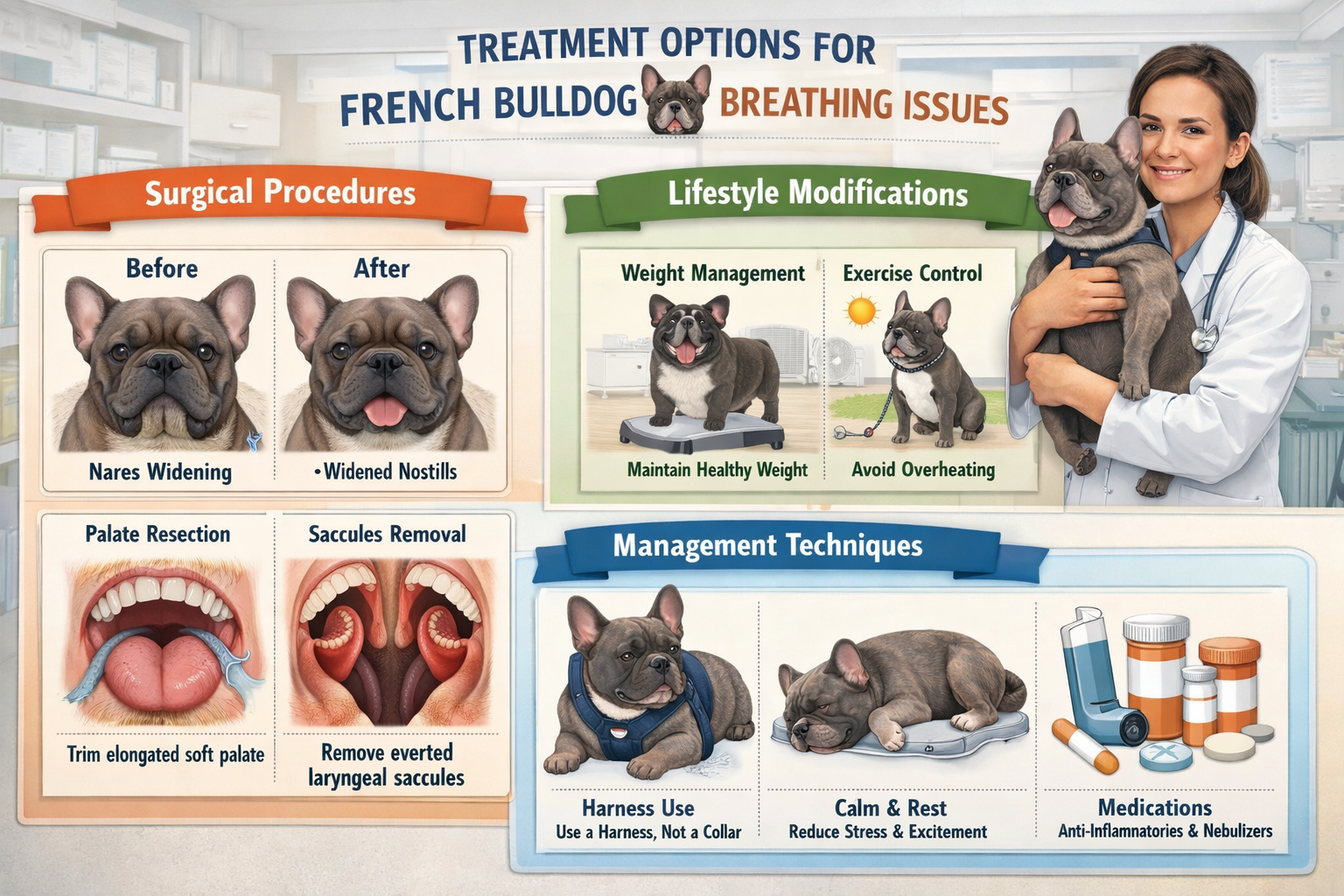
Surgical Treatment Options
While surgery cannot cure BOAS, it can provide significant relief for many French Bulldogs. Surgical intervention is palliative, not curative—meaning it improves symptoms but doesn’t eliminate the underlying anatomical issues.
Common Surgical Procedures:
Nostril Widening (Stenotic Nares Correction)
This procedure widens the nostrils to improve airflow. It’s often the first surgical intervention recommended and can provide immediate improvement in breathing.
Soft Palate Resection
Surgeons remove excess soft palate tissue that blocks the airway. This procedure can significantly reduce snoring and improve sleep quality.
Laryngeal Saccule Removal
If everted laryngeal saccules are present, they can be surgically removed to open the airway further.
Success Rates and Considerations:
- Most dogs show improvement in breathing and exercise tolerance
- Snoring may be reduced but rarely eliminated completely
- Recovery requires 2-4 weeks of restricted activity
- Some dogs may need multiple procedures over time
Lifestyle Management Strategies
Even with surgical intervention, lifestyle modifications are essential for managing BOAS symptoms.
🌡️ Temperature Control
French Bulldogs are extremely prone to heat stroke due to their compromised respiratory systems [2]. Keep your home cool, provide multiple water sources, and limit outdoor activity during hot weather.
⚖️ Weight Management
Excess weight puts additional pressure on already compromised airways. Maintaining an ideal body weight is crucial for breathing comfort. Consider our guide to the best diet for French Bulldog health for nutrition strategies.
🚶♂️ Exercise Modifications
While French Bulldogs need daily activity, their exercise needs are unique. Focus on short, gentle walks during cooler parts of the day and avoid strenuous activities that could trigger breathing crises.
😴 Sleep Environment Optimization
- Use elevated feeding bowls to reduce strain during meals
- Provide orthopedic bedding to support comfortable sleeping positions
- Consider a humidifier to keep airways moist
- Ensure good air circulation in sleeping areas
The Role of Responsible Breeding
The most effective long-term solution to reducing French Bulldog breathing problems lies in responsible breeding practices. When researching breeders, prioritize those who:
- Health test breeding dogs for respiratory function
- Select for longer muzzles and wider nostrils
- Provide health guarantees for breathing-related issues
- Are transparent about BOAS risks
Our comprehensive guide on how to find ethical French Bulldog breeders can help you identify breeders committed to improving respiratory health in the breed.
Insurance Considerations
Given the high likelihood of breathing-related health issues, pet insurance becomes particularly important for French Bulldog owners. BOAS-related treatments can be expensive, including:
- Diagnostic imaging and sleep studies
- Surgical procedures ($2,000-$5,000+)
- Emergency respiratory crisis treatment
- Long-term management costs
Helpful Resource: Pet Insurance for Frenchies
Frenchies face costly breed-specific risks like breathing issues, IVDD, and skin fold infections. Compare vet-trusted insurers offering guaranteed lowest rates + fastest claims—so you’re never forced to choose between your wallet and your pup’s wellbeing. 👉 Get a Free Frenchie Insurance Quote.
Daily Monitoring and Care
Regular monitoring helps you track your Frenchie’s respiratory health and catch problems early:
📊 Daily Observations:
- Note breathing rate during rest (normal: 10-30 breaths per minute)
- Monitor energy levels and exercise tolerance
- Track sleep quality and duration
- Watch for changes in snoring patterns
🧼 Supportive Care:
Keep nasal passages clear with gentle cleaning as part of your regular French Bulldog grooming routine. Avoid using harsh chemicals or fragrances that could irritate sensitive airways.
🍽️ Feeding Modifications:
- Use slow-feeder bowls to prevent gulping air
- Elevate food and water bowls
- Avoid feeding immediately before bedtime
- Consider smaller, more frequent meals
Conclusion
Understanding why French Bulldogs snore so much reveals a complex medical condition that goes far beyond a cute quirk. BOAS affects every aspect of your Frenchie’s life—from sleep quality and cognitive function to exercise tolerance and overall health. While the distinctive snoring sound might seem endearing, it’s actually your dog’s struggle to breathe through severely compromised airways.
The good news is that with proper understanding, veterinary care, and lifestyle modifications, you can significantly improve your French Bulldog’s quality of life. Whether through surgical intervention, environmental changes, or daily management strategies, there are concrete steps you can take to help your Frenchie breathe easier and sleep better.
Your Next Steps:
- Schedule a veterinary consultation if you haven’t already discussed your Frenchie’s breathing with a professional
- Evaluate your home environment for temperature control and air quality
- Consider pet insurance to prepare for potential BOAS-related treatments
- Connect with other Frenchie owners to share experiences and management strategies
- Support responsible breeding by choosing breeders who prioritize respiratory health
Remember, while French Bulldogs may always snore more than other breeds due to their anatomy, severe breathing difficulties aren’t something you have to accept as “normal.” With the right care and attention, your Frenchie can live a comfortable, happy life—even if they’ll never be completely silent sleepers.
The key is staying informed, working closely with your veterinarian, and never hesitating to seek help when breathing problems seem to worsen. Your Frenchie depends on you to be their advocate for better breathing and better health.
References
[1] abc7 – https://abc7.com/post/french-bulldogs-dogs-sleep-research/14189563/
[2] French Bulldog Brachycephalic Airway Obstruction Syndrome Baos – https://www.ufaw.org.uk/dogs/french-bulldog-brachycephalic-airway-obstruction-syndrome-baos-
[3] Frenchies Are 1 And Veterinarians Are Concerned – https://vet.tufts.edu/news-events/news/frenchies-are-1-and-veterinarians-are-concerned
[4] Recognition Diagnosis – https://www.vet.cam.ac.uk/boas/about-boas/recognition-diagnosis
[5] Why Does My Dog Snore So Much A Look At Brachycephalic Airway Complications – https://cobb.vet/why-does-my-dog-snore-so-much-a-look-at-brachycephalic-airway-complications/
[6] Full – https://www.frontiersin.org/journals/veterinary-science/articles/10.3389/fvets.2025.1605505/full