
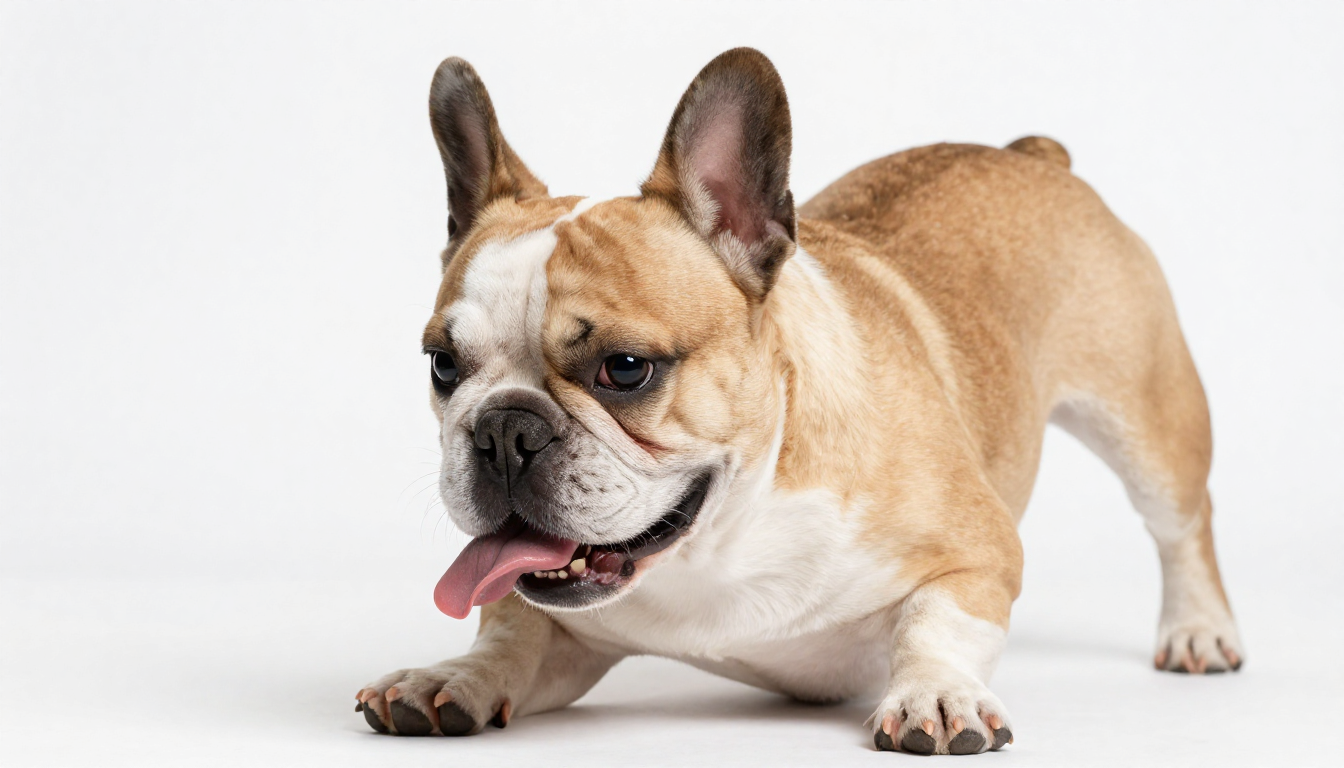
How to Stop French Bulldog Biting
Your Frenchie has a big heart and a busy mouth. Nips can feel cute at first. But they hurt and can scare guests or kids. You can teach calm, gentle lips. It takes a plan, clear rules, and quick wins. Use the steps below to stop biting, build trust, and keep play safe.
Why it happens
French Bulldogs use their mouths to play, soothe, and explore. Biting often starts with normal puppy habits, but it can stick without training. Pain, stress, and rough play also make it worse.
Common triggers
- Teething gums need relief.
- Over-arousal from rough play.
- Frustration or not enough rest.
- Fear of hands, collars, or nail trims.
- Pain from allergies, ears, teeth, or joints.
Quick safety steps
- Freeze and look away the second teeth touch skin. Do not yank your hand.
- End play for 20–30 seconds. Calm beats loud scolding.
- Offer a chew or tug toy to the mouth. Reward the switch.
- Clip a short leash tab in the house so you can guide without grabbing the collar.
- Give kids clear rules: no running, no squeals, hands on toys only.
Teach a soft mouth
You want your dog to use lips, not teeth, in play. Train in tiny steps. Keep sessions short and sweet.
Step-by-step
- Start calm. Keep treats ready. Use low energy.
- Pet for one second. If the mouth stays soft, say “yes” and feed a treat.
- If teeth touch skin, freeze. Count to three. Try again with slower moves.
- Switch to a toy before your dog gets amped.
- End while it still feels easy. Many short reps beat one long session.
What to avoid
- No hitting, yelling, or alpha rolls. These raise fear and biting risk.
- Do not wave hands near the face as a tease.
- Avoid rough games before your dog learns rules.
Redirect the mouth
Give that busy mouth a job. Offer safe chews and clear tug rules. Reward calm chewing. Pause play the moment teeth land on skin.
| Situation | Tool | Why it helps |
|---|---|---|
| Teething or nipping in the evening | Frozen rubber toy or wet washcloth (supervised) | Cold soothes gums and slows the bite. |
| Grabbing sleeves during play | Tug toy with a handle | Hands stay safe; tug meets the need to pull. |
| Boredom chews on furniture | Stuffed food puzzle | Licking and chewing lower stress. |
| Nips when guests arrive | Snuffle mat scatter with treats | Nose work keeps the mouth busy and focus down. |
Clear tug rules
- Say “take it” to start. Keep the toy low.
- If teeth touch skin, the game ends for 20 seconds.
- Say “drop.” Trade for a treat. Then play again.
- Stop while your dog is calm. Win small, often.
Daily plan that works
French Bulldog biting often spikes when the dog is tired or wired. A steady rhythm lowers the urge to nip.
| Time | Plan | Notes |
|---|---|---|
| Morning | Sniff walk (10–15 min), 5 min tug with rules, breakfast in a puzzle | Sniffing eases arousal; puzzle calms the mouth. |
| Midday | Short training (sit, touch, drop), rest in a quiet spot | Many naps cut nipping. Aim for 16–18 hours for pups. |
| Evening | Indoor scent game, light fetch, chew time, then settle | Keep it easy; avoid rough play at dusk. |
Social time done right
Slow, safe social time can reduce fear bites. Pick calm dogs and kind people. Keep it short.
- Pair new people with treats tossed to the floor.
- Practice “touch” to a hand for a reward; skip petting if your dog is unsure.
- Set up dog meets on loose leashes. One sniff, then move away. Repeat.
Gentle handling games
- Collar touches: touch collar, treat. Repeat. Add one-second holds slowly.
- Paw care: touch paw, treat. Lift for a half second, treat. Build up.
- Trade game: say “drop,” offer better pay, give the item back often so your dog trusts you.
Cut the bite triggers
- Stick to a nap schedule. An overtired Frenchie is mouthy.
- Meet chew needs daily. Rotate toys to keep them fresh.
- End games before your dog peaks. Calm starts and calm ends.
- Use baby gates to give space from kids and guests.
- Keep training sessions under five minutes. Many reps, big wins.
Health check matters
Pain can fuel biting. If the habit starts fast, or your dog guards the face, see your vet. Ask about teeth, ears, skin folds, and joints. Treat the cause and training gets easier.
When to call a pro
- Hard bites that break skin
- Growls and snaps around food or toys
- Bites from fear of touch or grooming
Reach out to a certified trainer or behaviorist who uses rewards. Ask about a custom plan and home support.
Fast wins you can start today
- Clip a house leash for easy guidance.
- Freeze when teeth touch skin; end play for 20–30 seconds.
- Trade bites for toys; pay the switch.
- Feed one meal from a puzzle or snuffle mat.
- Schedule more naps than you think you need.
FAQs
Will my Frenchie grow out of it?
Puppy nips can fade, but only if you train. Chews, rest, and clear rules speed it up.
Is yelping a good idea?
Many French Bulldogs get more excited by a yelp. A quiet freeze and quick break work better.
Can I use time-outs?
Yes. End the fun for a short bit. Keep it calm. Then let your dog try again.
With steady habits and kind rules, you can stop biting and grow a gentle, happy French Bulldog. Keep sessions short, pay good choices, and protect rest. Small steps add up fast.
Understanding Why French Bulldogs Bite: Triggers and Body Language
French Bulldogs are sweet, but they can nip or bite when stressed or confused. To help your dog, you need to see the early signs and the common triggers. When you know what sparks a bite, you can step in fast. How to Stop French Bulldog Biting starts with calm, clear steps that fit your dog’s needs. The goal is safety, trust, and a plan that works every day.
Why bites happen in this breed
Most bites are not “out of the blue.” Your dog is trying to cope. These are the common triggers you can watch for:
- Teething or sore gums in puppies
- Play that gets too rough or too fast
- Fear of hands, tools, or new places
- Pain from ears, skin, or joints
- Guarding food, toys, or a spot on the couch
- Frustration when held back or picked up
- Noise or crowd stress, like parties or busy streets
- Lack of sleep or not enough calm time
- Low social time with people or other dogs
Age and stage matter
Puppies mouth and chew to learn. This is normal but needs a guide. Adults bite less for play and more from pain, fear, or guarding. How to Stop French Bulldog Biting will look a bit different for puppies and for adults. Adjust the plan to your dog’s age and health.
Reading body signals before a bite
Your dog “talks” with the body first. See the small signs, and you can act before teeth touch skin.
- Lip lick, yawn, or turning the head away
- Whale eye (white of eye shows)
- Ears pull back; tail holds tight or low
- Body goes stiff; breath holds
- Growl or low rumble
- Sniffing the ground out of context
- Backing up or hiding behind you
Fast guide to signals and your next move
| Body signal | Likely feeling | Common trigger | What you do now |
|---|---|---|---|
| Lip lick, yawning | Mild stress | Touch, crowd, camera | Pause. Give space. Toss a treat away. |
| Head turn, whale eye | Worried | Hug, face close, grab | Stop reaching. Call the dog to you. |
| Stiff body, freeze | High stress | Food, bone, toy, bed | Back off. Trade up with treats. |
| Growl, curl lip | Warning | Pain, fear, resource guard | End the setup. Move away calmly. |
| Tucked tail, ears back | Fear | New place or person | Create distance. Pair space with treats. |
How to Stop French Bulldog Biting
Change what your dog feels first, then shape what your dog does. Use simple rules. Keep it kind and clear.
In-the-moment steps
- Freeze your hands. Do not yank away.
- Speak soft. Say “gentle” or “all done.”
- Toss 3–5 small treats on the floor. Step back while your dog eats.
- End the game for 30–60 seconds. Then try a calmer play.
- Offer a chew or a tug toy as a safe outlet.
Daily training plan (10 minutes a day)
- Teach “leave it” with treats in a closed fist. Mark and pay when your dog backs off.
- Teach “drop” by trading toy for better food. Give the toy back often.
- Teach “settle” on a mat. Feed calm on the mat.
- Play “find it.” Scatter food so your dog sniffs. Sniffing lowers stress.
- Practice gentle mouth. If teeth touch skin, stop play for a short time.
Target the trigger
- Handling: Touch a paw for one second, feed, then stop. Build slowly. Add nail file or brush later.
- Resource guarding: Walk by, toss a high-value treat, and keep walking. Do not grab the item.
- Fear of people: Keep distance. When your dog looks at the person, feed. Repeat until the look is soft.
- Noise: Play low volume sound, feed, then stop the sound. Raise volume over days.
Tools and setups that help
- Chews: rubber toys, frozen Kongs, braided bully sticks (watch use and size).
- Puzzle feeders: slow down meals and calm the mind.
- Leash and harness: guide, do not drag. Front-clip can help control.
- Gates and pens: give space for rest and safe chewing.
- Sleep: 14–18 hours for puppies; 12–14 for adults. Tired dogs bite less.
Play rules for kids and guests
- No hugs, no face in the dog’s face.
- Use toys, not hands. Keep sessions short.
- Stop if the dog turns away, licks lips, or goes stiff.
- Adults should guide all kid and dog time.
Health check comes first
Skin folds, ears, and spines can hurt in this breed. Pain can spark biting. If biting starts fast or gets worse, see your vet. Ask about teeth, ears, spine, and skin. Fixing pain is key to How to Stop French Bulldog Biting.
Sample week to build better habits
- Day 1–2: Teach “drop” and “leave it.” Two short sets daily.
- Day 3–4: Add mat “settle” for calm time. Feed on the mat.
- Day 5: Handling game with treats. One body part only.
- Day 6: Trade game near the food bowl. Toss treats and pass by.
- Day 7: Sniff walk and puzzle meal. Review all skills.
Prevent the next bite
- Set a clear routine: walk, train, nap, chew.
- Keep visits short in busy places. Build up slow.
- Reward calm choices in real life: sitting to greet, leaving items, looking to you.
- Log triggers. Note time, place, and what helped. Adjust your plan.
When to get extra help
Call a certified trainer or behavior pro if you see hard signs like freeze-and-stare, lunges, or bites that break skin. Pick someone who uses reward-based methods. Punishment can hide signals and raise risk. A pro will build a plan for your dog and your home.
Key takeaways you can use today
- See stress early: lip lick, whale eye, stiff body.
- Change the setup: add space, slow the game, give chews.
- Train simple cues: “leave it,” “drop,” and “settle.”
- Protect rest and health: pain and sleep loss raise risk.
- Make How to Stop French Bulldog Biting a daily habit, not a one-time fix.
With clear signals, kind training, and steady routine, you can cut risk and build trust. Your dog learns that hands bring good things and respect space. That is how you turn stress into safety and stop bites before they start.
Proven Training Techniques: Bite Inhibition, Redirects, and Positive Reinforcement
How to Stop French Bulldog Biting
Frenchies are sweet, but those little teeth can hurt. Biting is common in pups. It can be fixed. You need clear steps and steady practice. Use kind training. Build a calm routine. This guide shows you how to stop French Bulldog biting in simple ways that work.
Why your Frenchie bites
- Teething pain and sore gums
- Excitement and rough play
- Stress, fear, or guarding a toy
- Lack of practice using a soft mouth
- Not enough sleep or exercise
When you know the cause, you can choose the right fix. Aim for calm. Reward good choices. Guide the mouth to the right things.
Teach bite inhibition
Bite inhibition means a gentle mouth. Your dog learns to control pressure. This skill keeps everyone safe.
Step-by-step
- Play with a toy between your hands and your dog’s mouth.
- If teeth touch skin, say “Ouch” or “Too bad” in a soft, flat voice. No yelling.
- Freeze for 2–3 seconds. End all fun for a moment.
- Offer the toy back. When your dog mouths the toy gently, say “Yes” and give a treat.
- Repeat. Over days, ask for softer and softer mouth pressure.
Pro tips
- Keep sessions short: 3–5 minutes, a few times a day.
- Use a marker word like “Yes” or a clicker for great timing.
- Family must follow the same rules and words.
Redirect biting to toys and chews
Do not fight the urge to chew. Guide it. Keep many safe options ready.
- Rubber chew toys (strong, size-safe)
- Stuffed food toys (freeze for longer use)
- Rope toys for tug with rules
- Lick mats to lower stress
- Ice cubes or frozen carrot for teething (supervise)
How to redirect fast
- Dog goes for hands? Say “Toy” and move a chew across the floor.
- When your dog bites the toy, praise and treat.
- End human play if biting repeats. Try again later when calm.
Use positive reinforcement to build calm
Reward what you want. Pay for a quiet mouth. Pay for sits before play. Pay for looking at you instead of nipping.
- Mark and reward calm sits before you pet.
- Teach “Drop it” with toy trades. Say “Drop,” show treat, feed, then return the toy.
- Teach “Leave it” for hands, clothes, and shoes.
- Click and treat for choosing a chew over your sleeve.
Good stuff grows. Biting fades when calm behavior earns more fun.
Stop biting during play
- Use a long tug toy so teeth stay away from skin.
- Start and end games with a sit.
- Three-strike rule: third nip ends play and you step away for 30–60 seconds.
- Keep arousal low. Mix in sniff breaks and simple cues.
- Skip rough wrestling. Choose fetch, tug-with-rules, or find-it games.
Socialization and handling practice
Help your Frenchie feel safe in the world. Calm dogs bite less.
- Short field trips: hear new sounds, see bikes, meet kind people.
- Pair each new thing with treats and space.
- Practice gentle handling: touch ear, treat; touch paw, treat.
- Teach a chin rest on your hand for nail care and vet visits.
Management that makes training easy
- Use baby gates and a play pen to block jumping on guests.
- Give 16–18 hours of sleep for pups. Over-tired pups bite more.
- Keep a chew basket in every room.
- Clip a light house line (no drag loop) to guide without grabbing the collar.
- Plan short training bursts around naps and meals.
Common triggers and what to do
| Trigger | What you see | Quick fix |
|---|---|---|
| Teething | Chewing hands and cloth | Offer frozen chew; end play if biting repeats |
| Over-arousal | Zoomies, hard nips | Pause game, sniff break, then calm tug |
| Frustration | Grabs leash or pants | Hand a tug toy; reward sits on walks |
| Fear | Stiff body, side eye, then snap | Create space, feed treats, end session |
| Guarding | Freezes over toy | Trade up with tasty food; teach “Drop it” |
Sample daily plan to reduce nipping
| Time | Activity | Goal |
|---|---|---|
| 7:00 | Potty, sniff walk, scatter feed | Lower energy |
| 8:00 | Chew toy + nap | Teething relief |
| 11:00 | 3-min bite inhibition game | Soft mouth practice |
| 1:00 | Basic cues: sit, down, leave it | Impulse control |
| 4:00 | Tug with rules, then sniff break | Safe play |
| 7:00 | Lick mat while you relax | Calm evening |
Time-outs done right
Use short, calm time-outs to break the cycle. No scolding. No crates as a punishment.
- Say “Too bad.”
- Guide your dog to a quiet pen for 30–60 seconds.
- Bring them back and restart with a toy.
Leash and walk tips
- Use a front-clip harness to reduce pulling and nipping.
- Carry treats. Pay for eye contact and loose leash.
- If your dog grabs the leash, swap in a tug toy, then cue “Drop it.”
When to call a pro
- Sudden biting with pain signs: see your vet.
- Hard bites that break skin: hire a certified trainer or behaviorist.
- Guarding food or toys: get help early.
A skilled pro can tailor a plan and keep you safe.
Quick FAQs
Is puppy biting normal?
Yes. Most pups mouth a lot until 5–6 months. Good training speeds this up.
Should I say “No” or punish?
No harsh tools, alpha rolls, or yelling. These can scare your dog and make biting worse. Teach and reward better choices instead.
What if my Frenchie bites kids?
Use gates. Supervise. Teach kids to stand still, cross arms, and wait for a sit. Reward your dog for calm near kids. If bites happen, pause play and get a trainer.
Your next steps
- Pick a marker word and keep treats handy.
- Set up chews in every room.
- Run two short training games today.
- Track progress for one week.
With calm rules, clear rewards, and steady practice, you can stop nipping. You now know how to stop French Bulldog biting and build a gentle, happy friend.
Managing Environment and Routines to Prevent Biting Episodes
How to Stop French Bulldog Biting with Smart Home Setup and Daily Rhythm
You love your Frenchie. But those little teeth can hurt. If you ask, “How to Stop French Bulldog Biting?” start with the space and the schedule. Change the setup. Shape the day. You will see fewer nips, less chaos, and more calm. Your goal is simple: reduce triggers, guide choices, and build habits that keep teeth off skin.
Shape the space for success
- Use baby gates and a playpen. This creates safe zones and easy breaks from action.
- Add visual barriers near doors and windows. Less outside shock means less arousal and biting.
- Lay non-slip rugs so your dog can grip the floor. Slip and startle can spark nips.
- Keep a light house line on your dog when you are home and watching. You can guide, not grab.
- Stash tug toys in each room. When your Frenchie aims for your hands, trade to a toy fast.
- Make a chew station: a basket with safe chews and stuffed food toys in each key area.
- Hide wires, shoes, and kids’ toys. Remove the bait to remove the fight.
Set clear rules everyone follows
- Hands are not toys. Use toys for all play.
- No rough play on the couch. Move to the floor with a tug or a chew.
- End play at the first hard nip. Pause 10–30 seconds, then offer a toy and restart if calm.
- Kids stand still, tuck hands, and call an adult if nipping starts.
- Guests toss treats to the floor. No quick pats over the head.
Chew smart, not random
- Rotate textures: rubber, rope, nylon, and food-stuffed toys. Variety keeps focus off skin.
- Use frozen stuffed toys for teething. Cold soothes gums and cuts biting.
- Pick the right size. Toys should be larger than your dog’s mouth to protect teeth.
- Retire damaged chews. Cracks can hurt gums and raise frustration.
Build a calm daily flow
A steady rhythm lowers stress. Low stress means less nipping. Use this simple plan and adjust to your life.
| Time | Activity | Goal |
|---|---|---|
| 7:00 | Potty, sniffy walk (10–15 min) | Lower arousal, meet needs |
| 7:30 | Breakfast from a puzzle toy | Brain work, slow eating |
| 8:00 | Nap in crate or pen (60–90 min) | Reset energy |
| 9:30 | 3–5 min training: “place,” “touch,” “drop” | Skills to stop biting |
| 9:40 | Calm tug or chew (5–10 min), then potty | Chew needs met, hands safe |
| 10:00 | Nap (60–120 min) | Prevent the “witching hour” |
| 12:00 | Lunch/snack in a snuffle mat | Forage and relax |
| 12:30 | Short walk or indoor scent game | Focus over frenzy |
| 1:00 | Nap (90–120 min) | Keep arousal low |
| 3:00 | Play with rules, then settle on mat | Practice on/off switch |
| 5:30 | Dinner from a slow feeder | Reduce gulping, cut edge |
| 6:00 | Calm walk or training, then chew | End day smooth |
| 7:00+ | Wind-down in pen, lights dim | Prevent evening nips |
Teach fast skills that block bites
- Marker word: say “Yes!” then give a treat. Mark calm sits, mat settles, and gentle mouth.
- Hand target (“touch”): present your palm; reward nose boops. This redirects from hands to a cue.
- Place on a mat: toss a treat onto the mat, say “place,” then reward. Build longer relax times.
- Drop: trade toy for treat, say “drop,” then give the toy back often. Your dog learns to release without fear.
- Leave it: cover a treat with your hand. When your dog backs off, say “Yes!” and pay from the other hand.
- Tug rules: start on cue, stop on cue, toy goes dead if teeth touch skin.
Use arousal breaks before nipping starts
- Scatter feed: toss 10–20 small treats on the floor. Nose work lowers heart rate.
- Decompression walk: slow, sniffy stroll. No fetch, no hype.
- Two-minute chew: short chew reset, then back to calm.
- Micro-nap: 20–30 minutes in a dark, quiet space with white noise.
Watch for early signs and act fast
| Sign | What it means | Do this now |
|---|---|---|
| Zoomies, grabbing clothes | Over-arousal | Gate break, scatter feed, nap |
| Lip licking, head turns | Stress building | Stop play, offer chew, add space |
| Hard stare at hands | Target locked | Ask for “touch,” then tug toy |
| Humping, whining | Frustration or fatigue | Potty break, then settle on mat |
Plan greetings and guest time
- Park your dog behind a gate or on a tether. Let calm lead the hello.
- Ask guests to toss treats to the floor and ignore jumping.
- Release for a sniff, then back to the mat for a reward. Repeat short loops.
- No excited baby talk. Soft voice, slow moves, and brief touches only.
Protect sleep like a superpower
Many French Bulldogs bite more when tired. Puppies may need 16–20 hours of sleep each day. Adults still need solid naps. Use a crate or pen in a quiet room. Give a safe chew, cover part of the crate, and add a fan or white noise. Keep kids and guests from poking a resting dog. Rest first; then train and play.
Health check and comfort
- Rule out pain: teeth, gums, ears, skin, and joints. Pain can drive biting.
- Watch heat and breath. Frenchies can overheat fast. Cool air and short sessions help.
- Keep nails short and add soft mats. Comfort reduces cranky nips.
Make it easy to be consistent
- Place treat jars and toys in every room.
- Post your cues on the fridge: “touch,” “place,” “drop,” “leave it.”
- Set phone reminders for naps, walks, and training bursts.
- Log bites and wins for one week. Patterns will show you when to change the plan.
When biting spikes
- Pause all play. Breathe.
- Guide to a gate or pen using the house line.
- Scatter feed or give a frozen chew.
- Offer a short nap in a cool, dark space.
- Review the last hour: Was your dog hungry, hot, bored, or tired? Fix that need first.
- If biting persists or worsens, call your vet and a certified trainer for support.
Key takeaway
How to Stop French Bulldog Biting starts before the nip. Shape the room. Shape the routine. Reward calm choices all day. Small, steady changes remove triggers and build better habits. With smart setup and a simple rhythm, your Frenchie can relax, play with rules, and keep teeth off skin.
When to Seek Professional Help and Long-Term Behavior Maintenance
You want clear steps on how to stop French Bulldog biting. You also want to know when you need a pro and how to keep good habits for life. This guide shows you both. It helps you spot red flags, pick the right helper, and build a simple plan you can keep forever.
Red flags that call for a professional
- Bites break skin, bruise, or leave marks.
- Growling or snapping around food, toys, beds, or people.
- Biting that gets worse in speed, force, or number of events.
- Targeting kids, elderly adults, or guests.
- Freeze, hard stare, or stiff body before a bite.
- Biting when you touch feet, ears, collar, or harness.
- No progress after 2 to 3 weeks of kind training.
- New biting in a senior dog, or sudden change in a puppy.
- Recent pain, itch, stomach upset, ear issues, or trouble breathing.
If biting starts fast or feels unsafe, use management at once and book help. A vet visit is step one if you see pain or a health shift.
Who can help and what they do
| Type | Credentials to check | Best for | Format | Where to find |
|---|---|---|---|---|
| Veterinarian | DVM | Pain, itch, ear issues, dental, meds | Clinic exam | Your vet, local clinic |
| Vet Behaviorist | DACVB or DECAWBM | Severe cases, bite history, fear, plan + meds | Consult + follow-ups | ACVB directory |
| Behavior Consultant | CAAB, ACAAB, CCAB | Assessment and plan for complex cases | In-home or online | Cert bodies, referrals |
| Trainer | CCPDT, KPA-CTP, IAABC-ADT | Skill teaching, daily coaching | Private lessons | Trainer directories |
How to pick the right pro
Check how they train
- Ask if they use rewards, not fear or pain.
- Look for clear, step-by-step plans.
- They should track stress and safety.
Smart questions to ask
- What will the first two weeks look like?
- How will we keep my family safe?
- How will we measure progress on biting?
- What skills will my Frenchie learn first?
What a good plan includes
- Management to block bites now.
- Training that changes how your dog feels about triggers, one tiny step at a time.
- Simple skills that you can use every day.
- Written notes and a way to log results.
Safety steps to use right now
- Use baby gates, crates, and playpens to split space.
- Keep a light house line on your dog when you are home and watching.
- Teach your dog to love a basket muzzle (treats only, slow steps).
- Put chews and toys in each room to redirect mouthy play.
- Stop rough play that amps up biting.
- Set a calm daily rhythm: sleep, toilet, short play, training, sniff walks.
- Supervise kids. No hugging, no face-to-face time.
Core plan for how to stop French Bulldog biting
- Lower stress. Short walks, more sniff time, more naps, steady meals.
- Give a legal outlet to bite. Use tug with rules: start cue, stop cue, trade for treats, end while calm.
- Teach “leave it” and “drop.” Reward fast choices.
- Teach “go to mat.” Feed calm on a bed. Use this to park your dog when guests come.
- Build a “touch” hand target. This gives your dog a job near people.
- Trade, do not take. Swap items for food. Avoid reaching into your dog’s mouth.
- Work 1% at a time on triggers. Show a low level of the thing (like a hand moving near a bowl). Feed many small treats. End before stress shows.
- Practice calm handling. Brush or touch for one second, treat, break. Repeat and grow slow.
- Muzzle train as a safety seat belt. Keep the process happy and slow.
Long-term behavior maintenance for Frenchies
Simple weekly habits
- Two short skill refreshers per day (2 to 3 minutes each).
- One calm handling game every other day.
- Three sniff walks per week. Slow, nose-led, short distance.
- Daily chew time to ease mouthy needs.
Keep the environment safe
- Use gates during meals, guest visits, and play with kids.
- Put risky items away: socks, shoes, kids’ toys.
- Stick to a simple routine. Predictable days help your dog stay calm.
Watch for life stages
- Puppy teething: more chews, short training, cold chew toys.
- Teen phase (6 to 18 months): more structure, more sleep, less rough play.
- Adult and senior years: check pain, joints, dental, skin, and breathing.
| Time frame | Maintenance actions | Goal |
|---|---|---|
| Daily | Mat settle, hand target, chew time, sniff time | Lower stress and prevent nips |
| Weekly | Guest practice with gates, handling game, tug with rules | Keep skills strong |
| Monthly | Review triggers, update plan, check gear fit | Stay ahead of problems |
| Quarterly | Health check with vet if signs change | Rule out pain |
When progress stalls
- Track bites, close calls, and stress signs (yawn, lip lick, freeze).
- Lower the bar. Make steps smaller and easier.
- Shorten sessions. End while your dog still wants more.
- Raise pay. Use better treats in harder spots.
- Change the scene. Work at a distance, then move closer over days.
- Check sleep. Aim for 16 to 18 hours for pups, 14 to 16 for adults.
Your support network
- Set family rules: no hugs, no crowding, no rough play. Grown-ups run training.
- Post simple cues on the fridge: “trade,” “to your mat,” “leave it.”
- Teach guests how to greet: toss treats, no touch, let the dog choose.
- Keep a small treat pouch by the door and in the living room.
Key takeaways to keep biting away
- Safety first. Manage space and set clear rules.
- Work tiny steps. Reward calm and good choices.
- Call a pro when you see red flags or slow progress.
- Stick with your routine. Practice keeps skills strong.
With the right help and a steady plan, you can master how to stop French Bulldog biting. Keep it kind. Keep it simple. Keep it going.
Key Takeaway:
Key takeaway: How to Stop French Bulldog Biting comes down to clear steps you can use every day. First, know the “why.” French Bulldogs bite for many reasons: teething, boredom, rough play, fear, guarding food or toys, and pain. Watch body language to spot stress early. Look for stiff legs, hard eyes, head turns, lip licks, whale eye, and a tight mouth. When you see these signs, slow things down and give space. This helps you prevent a bite before it starts.
Next, teach bite control. Practice bite inhibition by marking soft mouth and pausing play if teeth touch skin. Say “ouch,” go still, and wait a few seconds. Then restart calm play. Redirect chewing to safe toys every time, and reward your dog for choosing the toy. Use positive reinforcement to build good habits: praise and treat for gentle play, four paws on the floor, sitting to greet, and calm behavior around hands. Keep sessions short and fun. End before your dog gets wild or tired.
Set up your home to prevent biting. Give a steady routine with sleep, potty breaks, and short play. Use baby gates, tethers, and a crate as a cozy den. Offer daily chew time with safe chews. Add brain games like sniff walks and food puzzles. Avoid rough wrestling, fast hands, and crowded, loud scenes that push arousal high. Teach kids to be calm, to stand like a tree, and to trade toys instead of grabbing.
Know when to get help. If biting breaks skin, targets the face, happens with growls over food or toys, or gets worse, call a force-free trainer or behavior pro. See your vet to rule out pain. This keeps everyone safe and speeds progress.
For long-term success, keep shaping the behavior you want. Reward calm every day. Practice simple cues and handling for vet and grooming. Log wins and setbacks. Stay patient and consistent. With clear rules, kind training, and smart management, you can stop biting and build a gentle, happy Frenchie. That is the heart of How to Stop French Bulldog Biting.
Conclusion
How to Stop French Bulldog Biting takes clear rules, smart timing, and kind rewards. Start by watching your dog’s face, ears, tail, and mouth. Note what sets biting off: rough play, hands near the face, kids running, pain, or fatigue. Step in early when you see lip licking, head turns, stiff body, or a hard stare.
🐾 Top French Bulldog Resources I Trust
🐶 Here are my go-to tools for raising a happy, healthy Frenchie—from managing breed-specific health risks to unlocking that famously “stubborn” personality with patience and understanding. These vetted partners have helped me (and thousands of Frenchie parents) save money, reduce stress, and build a joyful bond with our wrinkly companions!
If your French bulldog struggles with barking or lunging on walks, a structured training program can make a big difference. One popular option is a step-by-step reactivity training webinar that focuses on calm, force-free methods.
👉 Click here to discover how calmer, happier walks with your Frenchie can start today.
Best Pet Insurance
Frenchies face costly breed-specific risks like breathing issues, IVDD, and skin fold infections. Compare vet-trusted insurers offering guaranteed lowest rates + fastest claims—so you’re never forced to choose between your wallet and your pup’s wellbeing.
👉 Get a Free Frenchie Insurance Quote
Disclosure: This page contains affiliate links. As an affiliate, I may earn a small commission from qualifying purchases at no extra cost to you. I only recommend programs I’ve researched thoroughly and believe will genuinely help French Bulldog owners.
Use proven training steps. Teach bite control by ending play the moment teeth touch skin. Go still, then offer a toy to redirect. Mark and reward a soft mouth. Pair calm sits and downs with treats. Keep sessions short and fun. Repeat in many rooms and with many people, so the skill sticks.
Set the stage for success. Give daily chews, puzzle toys, and short, sniffy walks. Use gates and tethers to block risky spots. Keep play gentle and brief. Add quiet breaks, since pups need lots of sleep. Supervise kids and guests. Hands should guide, not wrestle; toys take the bites.
Know when to get help. If bites break skin, happen with fear, or rise fast, call your vet and a certified, force-free trainer. Pain can drive biting, and early help speeds change. Track triggers, times, and wins to shape your plan.
Stay patient and steady. Prevent first, reward often, and practice a little every day. With these steps, you can stop French Bulldog biting and keep your home calm, safe, and happy.