
How to Take Care of French Bulldog Puppy: The Complete 2026 Guide for New Owners
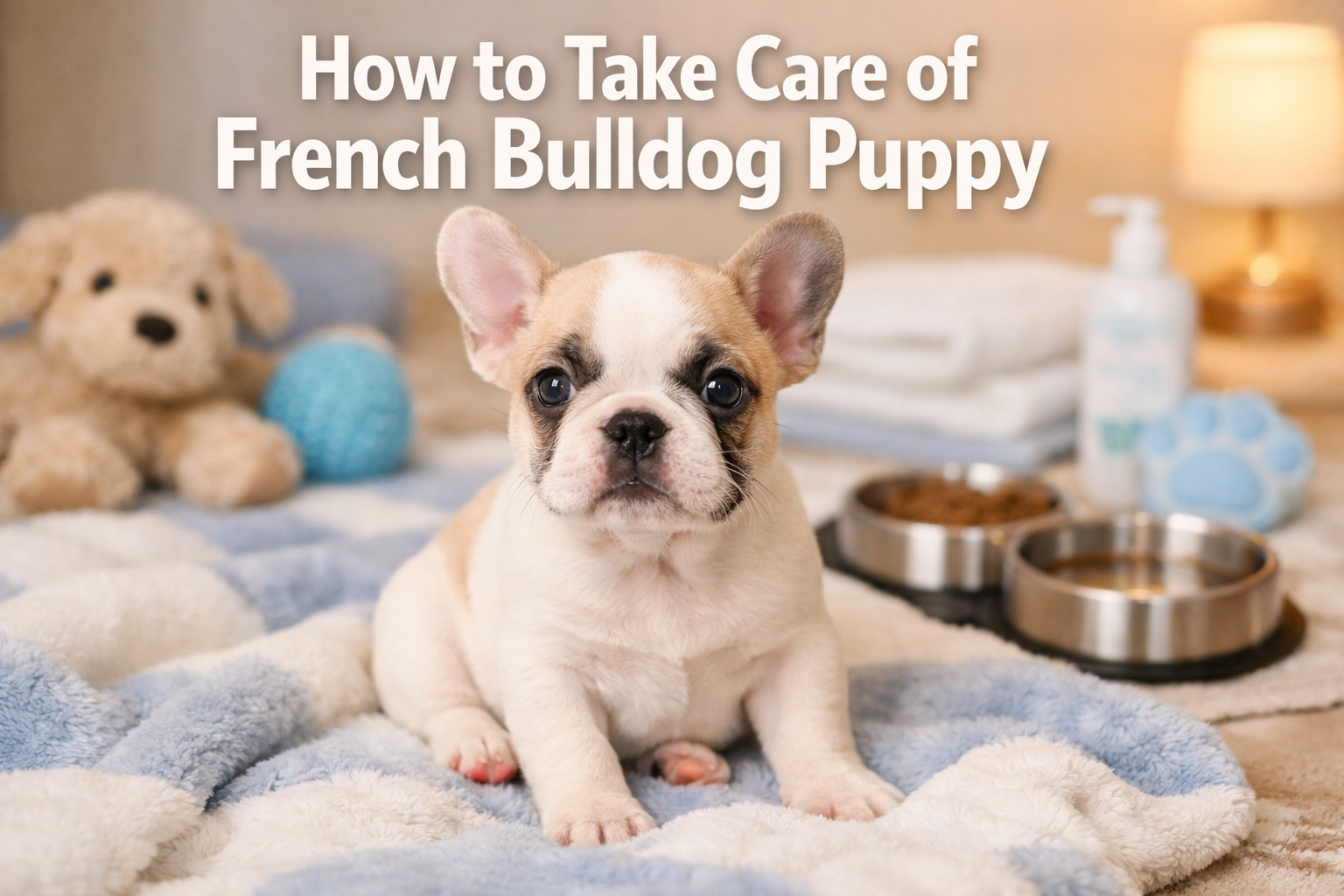
Picture this: you’ve just welcomed an adorable French Bulldog puppy into your home, with those irresistible bat ears and wrinkled face that melts your heart instantly. But as you watch your new companion snort, snore, and stumble around your living room, reality sets in—you’re now responsible for a breed with very specific care needs. Learning how to take care of French Bulldog puppy properly isn’t just about providing food and shelter; it’s about understanding their unique requirements, from their sensitive breathing to their stubborn yet lovable personality.
French Bulldogs have skyrocketed in popularity over the past decade, becoming the most sought-after companion dogs for urban dwellers and busy professionals. However, their distinctive flat faces and compact bodies come with care challenges that many first-time owners don’t expect. The good news? With the right knowledge and preparation, raising a healthy, happy Frenchie puppy can be one of life’s most rewarding experiences.
Key Takeaways
• French Bulldog puppies need 3-4 meals daily and up to 18-20 hours of sleep for proper growth and development
• Daily facial wrinkle cleaning and weekly ear care are essential to prevent infections due to their unique anatomy
• Temperature sensitivity requires careful monitoring – avoid overheating and use harnesses instead of collars to protect airways
• Early socialization and consistent training help manage their naturally stubborn personality traits
• Regular veterinary checkups are crucial due to breed-specific health risks like breathing issues and spinal problems
Essential Daily Care: How to Take Care of French Bulldog Puppy Basics

Feeding Your French Bulldog Puppy
Proper nutrition forms the foundation of your puppy’s health and development. French Bulldog puppies require three to four meals per day with high-quality, breed-appropriate puppy food [2][3]. Their small stomachs and fast metabolisms mean frequent, smaller meals work better than one or two large portions.
Feeding Schedule by Age:
- 8-12 weeks: 4 meals daily
- 3-6 months: 3 meals daily
- 6+ months: 2-3 meals daily
Consider using a slow-feeder bowl to prevent gulping and reduce gas—a common issue in flat-faced breeds [3]. French Bulldogs are prone to bloat and digestive upset when they eat too quickly, so taking your time during meals is crucial.
When selecting puppy food, look for formulas specifically designed for small to medium breeds with moderate protein levels (22-24%) and controlled calcium content to support proper bone development without encouraging too-rapid growth.
Sleep Requirements and Rest Patterns
Don’t be alarmed if your French Bulldog puppy seems to sleep constantly—this is completely normal! Puppies sleep up to 18-20 hours daily, which is critical for growth, brain development, and processing learning [2]. Lack of proper sleep can lead to irritability and health issues, so ensuring your puppy has quiet, comfortable spaces for rest is essential.
Create multiple cozy sleeping spots throughout your home, including:
- A crate with soft bedding for nighttime
- A quiet corner with a dog bed for daytime naps
- A cool area for warmer days (remember their temperature sensitivity)
Understanding Your Frenchie’s Unique Behaviors
French Bulldogs have distinct personality traits that new owners should understand. They’re known for being somewhat “headstrong” and can display selective hearing when it comes to commands [2][4]. This isn’t defiance—it’s just their independent nature.
For deeper insights into these charming quirks, check out our guide on understanding your French Bulldog’s unique behaviors, which covers everything from their famous “zoomies” to their communication styles.
FYI: Some links may be affiliate links, which means I may earn a small commission at no extra cost to you.
If you’re finding your Frenchie’s stubborn streak challenging, Kingdom of Pets offers specialized training guidance built specifically for flat-faced breeds. Their approach helps you decode your Frenchie’s snorts and manage stubborn streaks with calm consistency, nurturing a joyful lifelong bond without force or frustration. 👉 Start the Free 6-Day Frenchie Course to learn breed-specific techniques that work with your puppy’s natural personality.
Health and Grooming: Maintaining Your French Bulldog Puppy’s Wellbeing
Daily Grooming Essentials
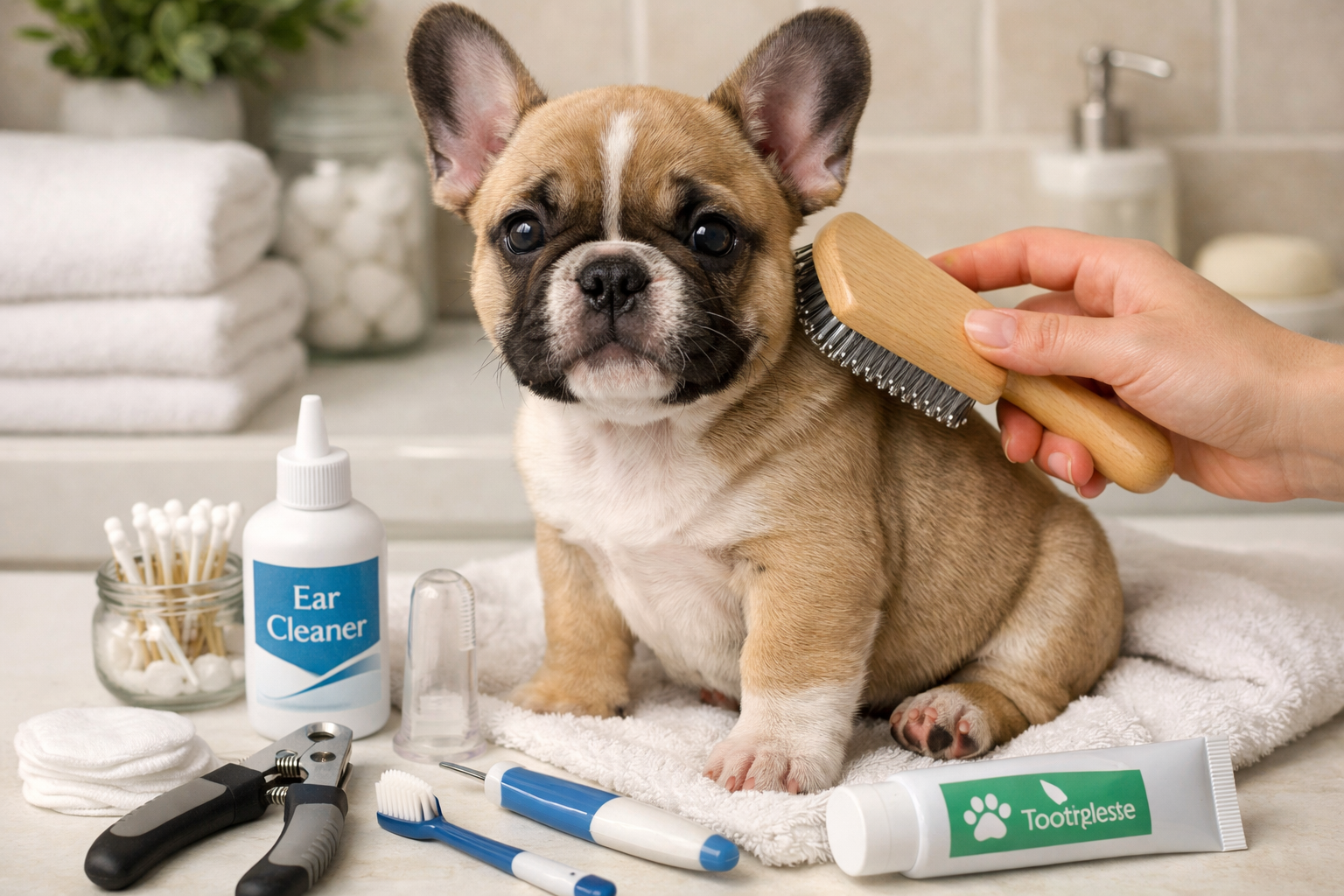
French Bulldogs require specific grooming attention due to their unique physical features. Daily brushing (about 5 minutes) and daily cleaning of facial wrinkles using unscented baby wipes are essential to prevent bacterial and yeast overgrowth [5].
Daily Grooming Checklist:
- ✅ Brush coat with soft-bristled brush
- ✅ Clean facial wrinkles with unscented wipes
- ✅ Check ears for debris or odor
- ✅ Wipe around eyes if needed
- ✅ Quick paw inspection
Weekly Tasks:
- 🗓️ Clean ears thoroughly [1]
- 🗓️ Trim nails if needed
- 🗓️ Brush teeth (aim for 3x weekly minimum) [1][2]
Monthly Tasks:
- 🛁 Full bath with puppy-formulated shampoo [5]
- 🦷 Deep dental cleaning session
For comprehensive grooming techniques and product recommendations, our top grooming tips for your French Bulldog provides detailed step-by-step instructions.
Dental Care: A Critical Priority
French Bulldogs have a genetic predisposition to serious dental problems due to their crowded teeth and flat faces [1][2]. Starting dental care early is crucial for preventing painful infections and expensive dental procedures later.
Brush your puppy’s teeth at least three times weekly using:
- Soft-bristled puppy toothbrush or finger brush
- Dog-safe toothpaste (never human toothpaste)
- Dental chews appropriate for puppies
- Water additives designed for oral health
Start slowly by letting your puppy taste the toothpaste, then gradually introduce the brush. Make it a positive experience with treats and praise.
Temperature Management and Safety
French Bulldogs are extremely sensitive to temperature extremes due to their compromised breathing. Avoid prolonged heat exposure and intense exercise during warm weather [3][4]. Signs of overheating include:
- Excessive panting
- Drooling
- Weakness or collapse
- Blue-tinged gums or tongue
Hot Weather Safety Tips:
- Walk during cooler hours (early morning/evening)
- Provide constant access to fresh water
- Use cooling mats or vests
- Never leave in cars, even briefly
- Limit outdoor time on hot days
Cold Weather Considerations:
- Use sweaters or coats in temperatures below 50°F
- Protect paws from ice and salt
- Limit time outdoors in freezing conditions
Managing Breed-Specific Health Risks
French Bulldogs face several health challenges that owners should monitor from puppyhood. Early detection and prevention are key to maintaining your puppy’s quality of life.
Common Health Concerns:
- Brachycephalic Obstructive Airway Syndrome (BOAS): Breathing difficulties due to flat face structure
- Intervertebral Disc Disease (IVDD): Spinal issues common in the breed
- Skin fold dermatitis: Infections in facial wrinkles
- Allergies: Both food and environmental sensitivities
For detailed information on recognizing and managing these conditions, visit our comprehensive guide on how to address common Frenchie health issues.
2026’s Best Pet Insurance for Frenchies 🏥
Given the breed’s predisposition to costly health issues like breathing problems, IVDD, and skin fold infections, having quality pet insurance is essential. Compare vet-trusted insurers offering guaranteed lowest rates and fastest claims processing, so you’re never forced to choose between your wallet and your pup’s wellbeing. 👉 Get a Free Frenchie Insurance Quote to protect against unexpected veterinary expenses.
Training and Socialization: Building a Well-Behaved French Bulldog Puppy
Potty Training Your French Bulldog Puppy
Potty training requires patience and consistency with French Bulldogs, as they can be somewhat stubborn about learning new routines. Start with potty breaks every 15-30 minutes for the first couple of weeks, then gradually extend intervals by 15 minutes up to one hour as their bladders develop [4].
Effective Potty Training Schedule:
- First thing in the morning
- 15-30 minutes after meals
- After naps
- Every 30-60 minutes during active periods
- Right before bedtime
Use consistent verbal cues like “go potty” and reward immediately with treats and praise when they eliminate in the correct spot. Accidents will happen—clean thoroughly with enzymatic cleaners to remove odors that might attract repeat incidents.
Crate Training for Security and Structure
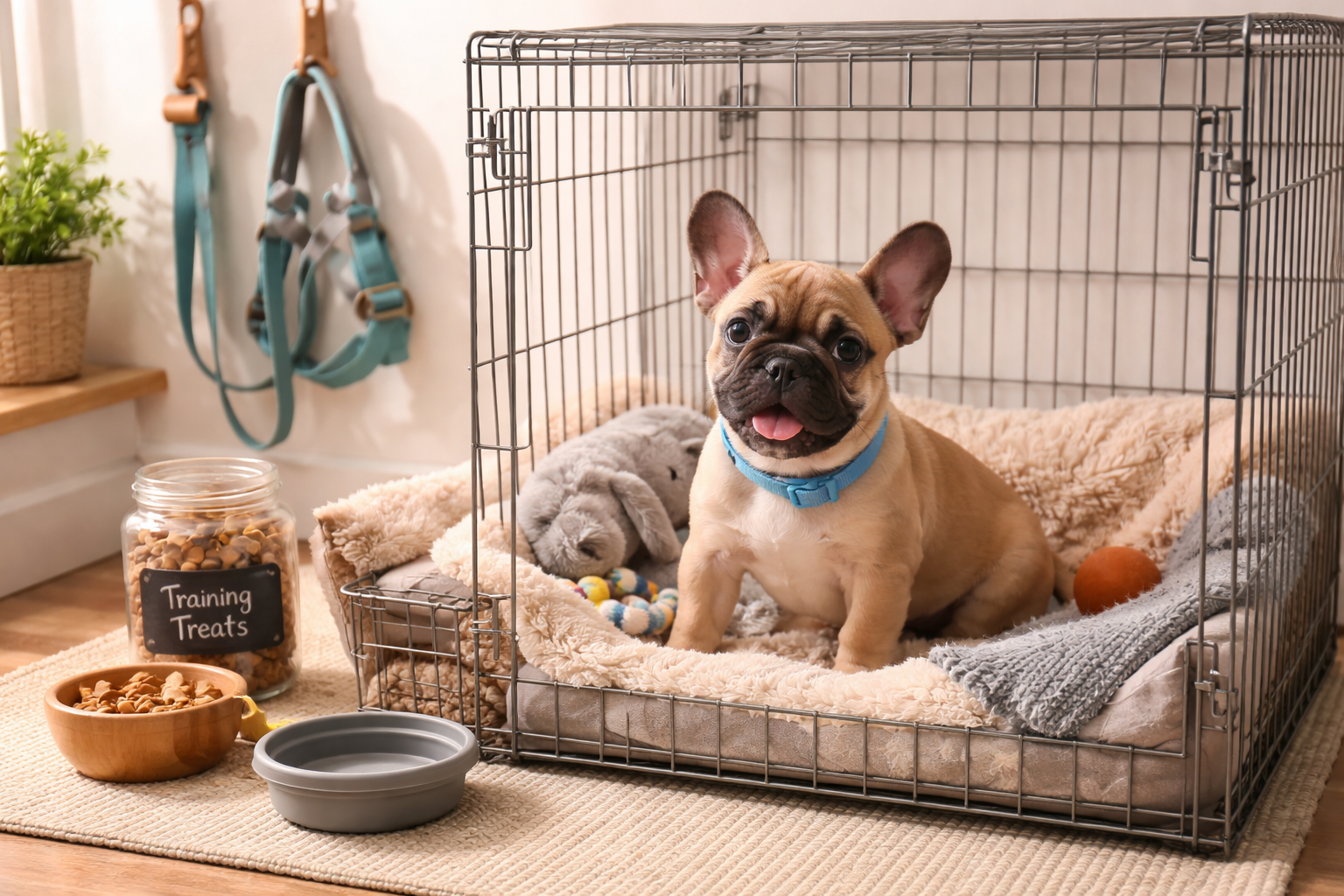
Establish early crate training with short intervals, making the crate cozy and rewarding your puppy for entering [3]. The crate should be large enough for your puppy to stand, turn around, and lie down comfortably, but not so large that they can eliminate in one corner.
Crate Training Steps:
- Introduction: Feed meals near/in the crate with door open
- Short periods: 10-15 minutes with door closed while you’re home
- Gradual increase: Extend time slowly based on puppy’s comfort
- Overnight: Once comfortable, use for nighttime sleeping
Never use the crate as punishment—it should be your puppy’s safe haven and happy place.
Early Socialization: The Critical Window
Begin basic training and socialization early, as French Bulldog puppies can be headstrong and benefit from consistent routines [2][4]. The critical socialization period occurs between 3-14 weeks of age, though you can continue building positive associations throughout puppyhood.
Safe Socialization Activities (before full vaccination):
- Carry your puppy to observe different environments
- Invite vaccinated, friendly dogs to your home
- Introduce various sounds, textures, and experiences
- Meet different people (children, elderly, people with hats/sunglasses)
- Car rides to build travel comfort
For comprehensive socialization strategies, read our detailed guide on the importance of socialization for French Bulldogs.
Basic Obedience Training
French Bulldogs respond best to positive reinforcement training methods. They can be “selectively deaf” when it comes to commands, but this usually means they need more engaging training approaches rather than harsh corrections.
Essential Commands to Start With:
- Sit: Usually the easiest command for Frenchies to learn
- Stay: Important for safety and impulse control
- Come: Critical for recall in potentially dangerous situations
- Down: Helps with settling and relaxation
- Leave it: Essential for preventing them from eating inappropriate items
Keep training sessions short (5-10 minutes) and fun, as French Bulldogs can lose interest quickly. Use high-value treats and lots of praise to maintain motivation.
The Online Dog Trainer offers an excellent resource for addressing that “selectively deaf” Frenchie behavior. Doggy Dan’s calm-energy method gently eliminates common issues like leash pulling, jumping, and counter-surfing without treats, tricks, or shouting. 👉 Watch Free Training Videos That Work to learn techniques specifically designed for strong-willed breeds like French Bulldogs.
Leash Training and Exercise Guidelines
Use harnesses instead of collars to protect your French Bulldog’s sensitive airways [3][4]. A well-fitting harness with multiple adjustment points and a no-choke design, paired with a 3 to 5-foot leash, ensures outdoor safety [4].
Exercise Guidelines:
- Keep play sessions short due to their low stamina [3]
- Avoid intense exercise during warm weather
- Focus on mental stimulation as much as physical activity
- Watch for signs of fatigue: excessive panting, slowing down, seeking shade
French Bulldogs don’t need extensive exercise, but they do benefit from regular, moderate activity to maintain healthy weight and mental stimulation.
For more detailed training strategies, explore our comprehensive guide on training techniques for a well-behaved Frenchie.
Nutrition and Diet: Feeding Your French Bulldog Puppy for Optimal Health
Choosing the Right Puppy Food
Selecting appropriate nutrition is crucial for your French Bulldog puppy’s development. Look for AAFCO-approved puppy formulas designed for small to medium breeds. The food should contain:
Key Nutritional Components:
- Protein: 22-24% for muscle development
- Fat: 8-15% for energy and coat health
- Calcium: Controlled levels (1.0-1.8%) to prevent rapid growth
- DHA: For brain and eye development
- Prebiotics/Probiotics: For digestive health
Avoid foods with excessive fillers, artificial colors, or by-products. French Bulldogs can be prone to food sensitivities, so introducing new foods gradually is important.
Managing Food Allergies and Sensitivities
French Bulldogs are prone to both food and environmental allergies. Common food allergens include:
- Chicken (most common)
- Beef
- Dairy products
- Wheat/grains
- Soy
Signs of Food Allergies:
- Itchy skin or excessive scratching
- Ear infections
- Digestive upset (diarrhea, vomiting)
- Red, inflamed skin
- Excessive licking of paws
If you suspect food allergies, work with your veterinarian to conduct an elimination diet or allergy testing.
For comprehensive nutrition guidance, including specific diet plans and feeding schedules, check out our detailed resource on the best diet plans for French Bulldogs.
Treats and Training Rewards
Choose small, soft treats that your puppy can quickly chew and swallow during training sessions. Hard treats can be choking hazards for flat-faced breeds. Good options include:
- Freeze-dried meat pieces
- Small training treats (pea-sized)
- Fresh fruits: blueberries, small apple pieces (no seeds)
- Vegetables: carrots, green beans, sweet potato
Treats should comprise no more than 10% of your puppy’s daily caloric intake to maintain proper nutrition balance.
Hydration and Water Management
Fresh water should always be available, but monitor intake during hot weather or after exercise. French Bulldogs can overheat quickly, and proper hydration is essential for temperature regulation.
Water Tips:
- Use elevated water bowls to reduce neck strain
- Clean bowls daily to prevent bacterial growth
- Monitor for changes in drinking habits (could indicate health issues)
- Consider multiple water stations throughout your home
Veterinary Care and Health Monitoring
First Veterinary Visit and Vaccination Schedule
Schedule a checkup within the first few days of bringing your puppy home to address vaccinations, microchipping, and parasite prevention [3]. Your veterinarian will establish a baseline for your puppy’s health and create a customized care plan.
Typical Puppy Vaccination Schedule:
- 6-8 weeks: First DHPP (distemper, hepatitis, parvovirus, parainfluenza)
- 10-12 weeks: Second DHPP, Bordetella
- 14-16 weeks: Third DHPP, Rabies
- Annual boosters: As recommended by your veterinarian
Additional Considerations:
- Microchipping for permanent identification
- Spay/neuter discussion (typically 6+ months)
- Parasite prevention (fleas, ticks, heartworm)
- Dental care planning
Monitoring for Breed-Specific Health Issues
Regular health monitoring helps catch potential problems early. Watch for signs of common French Bulldog health issues:
Breathing Problems:
- Loud breathing or snoring (some is normal, excessive is concerning)
- Exercise intolerance
- Blue-tinged gums
- Collapsing after minimal activity
Spinal Issues:
- Reluctance to jump or climb stairs
- Back pain or sensitivity
- Weakness in hind legs
- Changes in gait
Skin Problems:
- Red, inflamed wrinkles
- Unusual odor from skin folds
- Excessive scratching or licking
- Hot spots or lesions
Emergency Preparedness
Know the signs of medical emergencies and have a plan in place:
Emergency Situations:
- Difficulty breathing or blue gums
- Heatstroke symptoms
- Bloat (distended abdomen, unsuccessful vomiting attempts)
- Trauma from falls or accidents
- Seizures
- Toxic ingestion
Keep your emergency veterinary clinic’s contact information readily available, and know the route to the nearest 24-hour animal hospital.
Essential Supplies and Equipment
Must-Have Items for Your French Bulldog Puppy
Before bringing your puppy home, ensure you have all necessary supplies. Here’s a comprehensive checklist:
Feeding Supplies:
- Stainless steel or ceramic food and water bowls
- Slow-feeder bowl to prevent gulping
- High-quality puppy food
- Measuring cup for portions
Safety and Training:
- Properly fitted harness (never use collars)
- 4-6 foot leash
- Crate appropriate for adult size
- Baby gates for home management
- ID tags and collar for identification
Comfort and Rest:
- Multiple soft beds or blankets
- Crate padding/bedding
- Cooling mat for warm weather
- Sweater or coat for cold weather
Grooming and Health:
- Soft-bristled brush
- Nail clippers
- Puppy-safe shampoo
- Unscented baby wipes for wrinkle cleaning
- Ear cleaning solution
- Puppy toothbrush and toothpaste
Toys and Enrichment:
- Variety of safe chew toys
- Puzzle toys for mental stimulation
- Soft comfort toys
- Interactive treat-dispensing toys
For a complete guide to everything you’ll need, visit our comprehensive resource on essential supplies every French Bulldog owner needs.
Creating a Safe Home Environment
Puppy-proof your home by removing or securing potential hazards:
Common Household Dangers:
- Electrical cords (can cause electrocution)
- Small objects (choking hazards)
- Toxic plants (lilies, azaleas, sago palms)
- Chemicals (cleaning supplies, medications)
- Sharp objects (scissors, knives)
- Stairs (until puppy is coordinated enough)
Room-by-Room Safety:
- Kitchen: Secure cabinets, remove toxic foods
- Bathroom: Lock medicine cabinets, secure toilet lids
- Living areas: Remove breakable items, secure loose wires
- Bedrooms: Remove small items, secure closets
- Garage: Store chemicals and tools safely
Seasonal Care Considerations
Summer Care and Heat Management
French Bulldogs are extremely vulnerable to heat-related illness due to their compromised breathing. Summer requires extra vigilance and modified routines.
Hot Weather Protocols:
- Walk only during cool hours (before 8 AM, after 6 PM)
- Provide constant shade and fresh water
- Use cooling products (mats, vests, bandanas)
- Never leave in cars or hot enclosed spaces
- Watch for overheating signs constantly
- Consider indoor exercise alternatives
Signs of Heatstroke:
- Heavy panting with difficulty breathing
- Excessive drooling
- Vomiting or diarrhea
- Loss of coordination
- Collapse
If heatstroke occurs, immediately move to cool area, apply cool (not cold) water to paws and belly, and seek emergency veterinary care.
Winter Care and Cold Protection
While French Bulldogs handle cold better than heat, they still need protection during winter months.
Cold Weather Care:
- Use sweaters or coats below 50°F
- Protect paws from ice, salt, and chemicals
- Limit outdoor exposure during extreme cold
- Dry thoroughly after wet weather
- Maintain indoor humidity to prevent skin dryness
Managing Seasonal Allergies
French Bulldogs commonly suffer from seasonal allergies that can cause significant discomfort.
Common Allergens:
- Spring: Tree pollen, grass
- Summer: Grass pollen, mold
- Fall: Ragweed, leaf mold
- Winter: Indoor allergens (dust mites, dander)
For detailed strategies on managing these seasonal challenges, read our guide on managing seasonal allergies in French Bulldogs.
Building a Long-Term Care Routine
Establishing Daily Routines
French Bulldogs thrive on predictable routines. Establishing consistent daily patterns helps reduce anxiety and makes care management easier.
Sample Daily Schedule:
- 6:00 AM: Wake up, potty break, breakfast
- 7:00 AM: Short walk or indoor play
- 8:00 AM: Rest period
- 12:00 PM: Potty break, lunch, brief activity
- 1:00 PM: Nap time
- 5:00 PM: Potty break, dinner
- 6:00 PM: Evening walk or play session
- 8:00 PM: Grooming, teeth brushing
- 10:00 PM: Final potty break, bedtime
Adjust timing based on your schedule, but maintain consistency once established.
Long-Term Health Planning
Preventive care is key to maintaining your French Bulldog’s health throughout their life. Plan for:
Annual Health Assessments:
- Complete physical examination
- Dental evaluation and cleaning
- Blood work to check organ function
- Weight management assessment
- Vaccination updates
Ongoing Monitoring:
- Monthly weight checks
- Weekly skin fold inspection
- Daily breathing pattern observation
- Regular exercise tolerance evaluation
Cost Considerations and Budgeting
French Bulldogs can be expensive to maintain due to their health predispositions. Budget for:
Regular Expenses:
- High-quality food: $50-80/month
- Grooming supplies: $20-30/month
- Routine veterinary care: $500-800/year
- Pet insurance: $30-70/month
Potential Major Expenses:
- Emergency surgery: $2,000-8,000
- Chronic condition management: $100-300/month
- Dental procedures: $500-1,500
- Breathing surgery (if needed): $3,000-7,000
Helpful Resources for French Bulldog Puppy Care
As you embark on this journey of raising a French Bulldog puppy, having access to quality resources can make all the difference. While the basics covered in this guide will get you started, some situations may require additional support.
If you’re looking for structured, breed-specific guidance, Kingdom of Pets offers comprehensive training and health guidance built specifically for flat-faced breeds like French Bulldogs. Their program helps you understand your Frenchie’s unique communication style and provides strategies for managing their famously stubborn personality with patience and consistency. 👉 Start the Free 6-Day Frenchie Course to access expert guidance tailored to your puppy’s specific needs.
For ongoing health protection, consider researching 2026’s Best Pet Insurance options designed for French Bulldogs. Given their predisposition to breathing issues, spinal problems, and skin conditions, having comprehensive coverage can provide peace of mind and ensure your puppy receives the best possible care without financial stress. 👉 Get a Free Frenchie Insurance Quote to compare plans from vet-trusted insurers.
Conclusion
Learning how to take care of French Bulldog puppy properly requires dedication, patience, and understanding of their unique needs. From their specific feeding requirements and temperature sensitivities to their grooming needs and training challenges, French Bulldogs are wonderfully rewarding companions when their care needs are met.
Your next steps should include:
- Establish a relationship with a veterinarian experienced with brachycephalic breeds
- Create consistent daily routines for feeding, exercise, and grooming
- Puppy-proof your home and gather all necessary supplies
- Begin socialization and training immediately using positive reinforcement
- Monitor for breed-specific health issues and learn to recognize warning signs
- Plan for long-term care costs including potential health expenses
Remember that raising a French Bulldog puppy is a marathon, not a sprint. There will be challenges along the way—from potty training accidents to stubborn training moments—but the joy and companionship these remarkable dogs provide make every effort worthwhile.
Your French Bulldog puppy will grow into a loyal, affectionate companion who thrives on human connection and brings endless entertainment to your daily life. By following the guidelines in this comprehensive care guide, you’re setting the foundation for many happy, healthy years together.
Take it one day at a time, celebrate small victories, and don’t hesitate to seek professional help when needed. Your dedication to proper care during these crucial puppy months will pay dividends throughout your Frenchie’s lifetime, ensuring they develop into the well-adjusted, healthy adult dog they’re meant to be.
References
[1] French Bulldog – https://www.vidavetcare.com/dog-breed/french-bulldog/
[2] Your New French Bulldog Puppy The Essentials – https://www.joiipetcare.com/blogs/advice/your-new-french-bulldog-puppy-the-essentials
[3] French Bulldog Puppy Care Guide – https://www.furrytailedfriends.com/french-bulldog-puppy-care-guide/
[4] French Bulldog Puppies The Ultimate Guide To Bringing Home A Frenchie Puppy – https://www.wagtrendz.com/blogs/dog-tales-blog/french-bulldog-puppies-the-ultimate-guide-to-bringing-home-a-frenchie-puppy
[5] French Bulldog Puppy Training Timeline – https://www.akc.org/expert-advice/training/french-bulldog-puppy-training-timeline/